Are you thinking about putting up a bird box in your garden? You might be wondering if it should have a perch or not.
It sounds like a small detail, but it can make a big difference for the birds visiting your space. You want to give them a safe and welcoming home, right? Understanding whether a perch helps or harms birds can change how you set up your bird box.
Keep reading to discover the surprising truth about perches and what’s best for your feathered friends.
Purpose Of Bird Boxes
Bird boxes provide safe places for birds to live and lay eggs. They help birds find shelter from weather and predators.
These boxes also support bird populations by offering extra nesting spots. This is important in areas with fewer natural habitats.
Shelter And Nesting
Bird boxes give birds a dry and secure place to build nests. They protect birds from rain, wind, and cold. Many birds prefer quiet, hidden spots to raise their young.
- Protects birds from bad weather
- Keeps eggs and chicks safe from predators
- Provides a stable place to raise young birds
- Helps birds avoid competition for natural nests
Attracting Different Bird Species
Different birds like different types of boxes. Size, entrance hole, and box height affect which birds visit. Using the right bird box can attract a variety of species.
| Bird Species | Preferred Entrance Hole Size | Box Height (ft) |
| Blue Tit | 1.25 inches | 5-10 |
| Robin | 1.5 inches | 3-6 |
| Wren | 1 inch | 4-8 |
| Great Spotted Woodpecker | 2 inches | 10-15 |

Credit: www.ebay.com
Role Of Perches On Bird Boxes
Bird boxes provide safe places for birds to nest. Some bird boxes have perches outside the entrance. These perches can affect how birds use the boxes.
This article looks at the benefits and drawbacks of having perches on bird boxes. It helps you understand if perches are good or not for birds.
Benefits For Birds
Perches can give birds a place to rest before entering the box. They help birds watch for danger and keep balance when feeding their young.
- Birds can land safely before going inside.
- Perches offer a lookout spot to see predators.
- Parents can feed chicks more easily from a perch.
- Perches help birds keep balance on the box entrance.
Potential Drawbacks
Perches can also attract predators. Cats and larger birds may use the perch to reach the nest. Some birds may find it harder to enter the box if a perch is too big.
| Issue | Explanation |
| Predator Access | Perches let predators get close to the nest easily. |
| Blockage | Large perches can block the entrance for small birds. |
| Not Needed | Many birds do not use perches and enter directly. |
Impact On Bird Safety
Bird boxes offer safe places for birds to nest. The design affects how safe birds feel inside. One important feature is the perch. This small ledge outside the entrance may seem helpful. But it can affect bird safety in several ways.
We will look at how perches impact predator access and bird vulnerability. This helps decide if bird boxes should have perches or not.
Predator Access
Perches can make it easier for predators to reach the bird box entrance. Cats, squirrels, and other animals may use the perch to climb closer. This increases the risk of attacks on eggs or chicks inside.
- Perches provide a foothold for predators near the entrance.
- They can allow predators to balance and wait for birds to come out.
- Predators may jump from nearby branches to the perch.
- Boxes without perches are harder for predators to access.
Bird Vulnerability
Perches also affect how vulnerable birds are while entering or leaving the box. Birds may stay longer on a perch, making them easy targets. Young birds learning to fly can be trapped or caught more easily.
| With Perch | Without Perch |
|---|---|
| Birds have a place to land outside the box. | Birds must fly directly in and out. |
| Birds stay longer near the entrance, increasing risk. | Birds spend less time exposed. |
| Predators can wait on the perch. | Less chance for predators to wait near entrance. |
| Young birds may struggle on the perch. | Young birds fly straight in or out, safer. |
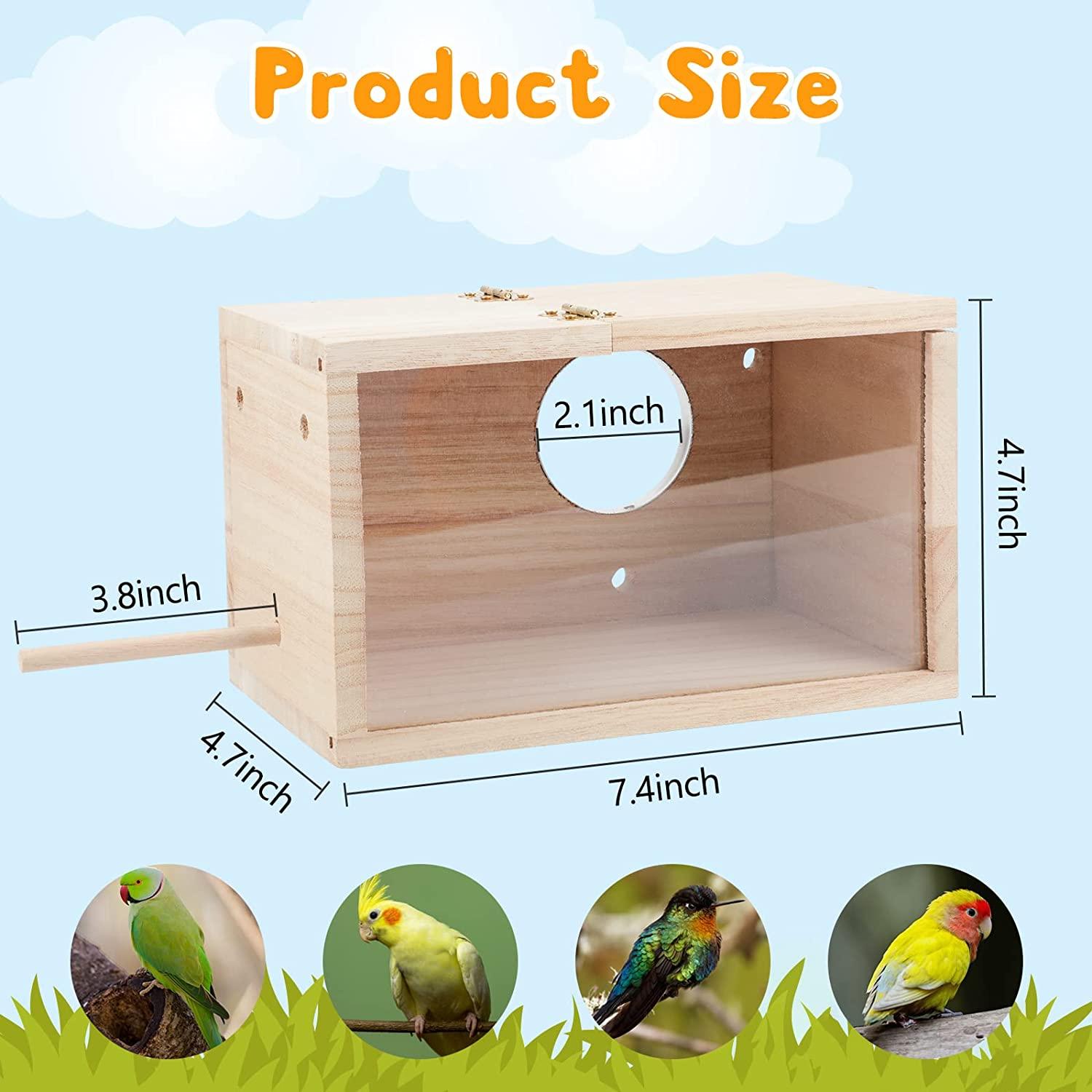
Credit: www.gosupps.com
Species Preferences
Bird boxes can have different features depending on the birds they attract. One feature is the perch. Some birds like having a perch, while others do not.
Understanding which species prefer perches helps you design the right bird box. This can make birds feel safe and welcome.
Perch Lovers
Some bird species enjoy having a perch outside their nest box. They use it to rest or watch for predators. Perches make it easier for them to enter the box.
Birds like blue tits and great tits often appreciate a small perch. It helps them hold on while feeding chicks or guarding their home.
- Blue tits
- Great tits
- House sparrows
- Wrens
Perch Avoiders
Some birds do not like perches on their boxes. Perches can help predators reach the nest. These birds prefer a smooth entrance without any landing spots.
Species like tree swallows and some woodpeckers avoid boxes with perches. They rely on quick entry and exit, so a perch might slow them down.
- Tree swallows
- Nuthatches
- Woodpeckers
- Chickadees
Design Alternatives Without Perches
Many bird boxes come with small perches outside the entrance. These perches can make it easier for predators to reach the birds inside. Removing the perch helps protect the birds and keeps the box safer.
Designing bird boxes without perches needs attention to other features. These include the size of the entrance hole and how the box is placed and mounted. Both affect how well the box works for birds.
Entrance Hole Size
The entrance hole size controls which birds can enter. Without a perch, the hole needs to be just right for the target birds. Too big, and predators can get inside. Too small, and birds cannot enter.
- Smaller holes keep out larger birds and predators.
- Larger holes suit bigger bird species.
- Round holes work well for most cavity nesters.
- Adjust hole size based on local bird species.
Box Placement And Mounting
Where and how you place the bird box matters. Mount the box on a tree or post away from busy areas. Position it at the right height to avoid ground predators. Without a perch, the box should be stable and secure.
| Placement | Details |
|---|---|
| Height | 5 to 10 feet above ground is ideal |
| Direction | Face away from strong winds and direct sun |
| Mounting | Use a sturdy post, tree, or wall bracket |
| Protection | Keep away from feeders and busy human paths |

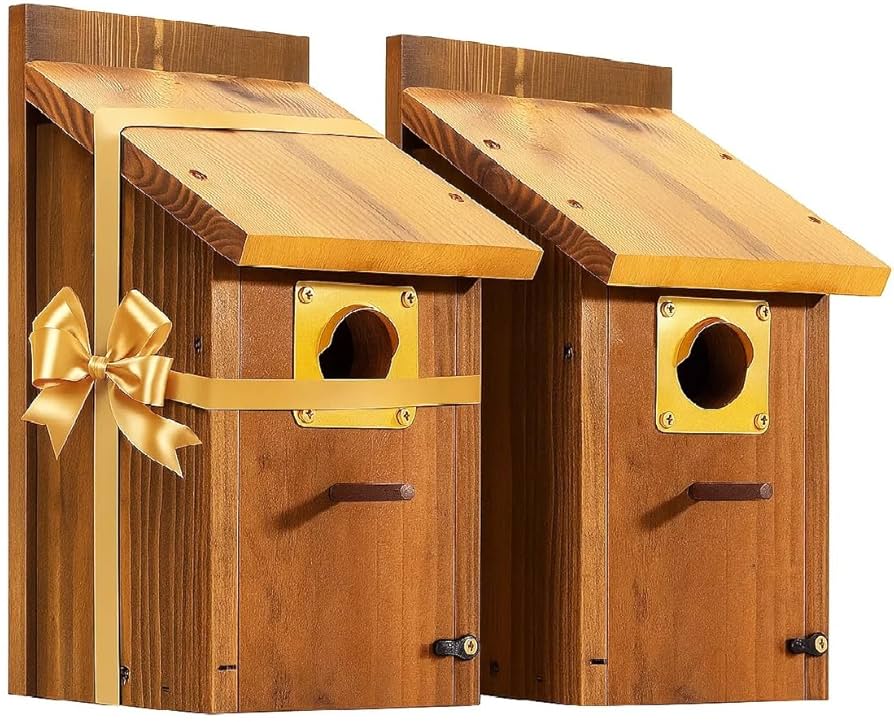
Credit: www.amazon.com
Maintenance And Durability
Bird boxes need regular care to last long and stay safe for birds. Maintenance helps protect the wood and keeps the box strong.
Adding a perch to a bird box can change how you maintain it. This guide looks at perch wear and cleaning needs.
Perch Wear And Tear
Perches face more wear than other parts of the bird box. Birds land and grip the perch often. This causes the perch to wear down faster.
Wooden perches can crack or splinter over time. Metal perches may rust or bend. Both types need checks to stay safe.
- Check the perch monthly for damage
- Replace or repair cracked or loose perches
- Use weather-resistant materials for longer life
Cleaning Considerations
Bird boxes need cleaning to stop diseases. A perch can make cleaning harder. Dirt and droppings collect on and around it.
Remove the perch if possible when cleaning. This lets you clean all parts well and keeps birds healthy.
- Take off the perch before cleaning the box
- Use a mild bleach solution to kill germs
- Rinse well and let dry before putting the perch back
Expert Recommendations
Bird boxes help many bird species find safe places to nest. People often wonder if these boxes should have a perch outside the entrance.
Experts share their advice based on bird safety and behavior. Understanding their views helps you build better bird boxes.
Conservationist Opinions
Many conservationists suggest avoiding perches on bird boxes. Perches can help predators reach the nest more easily. Small birds do not need a perch to enter the box.
- Perches allow cats and squirrels to climb up.
- Birds often cling to the box entrance without a perch.
- Boxes without perches reduce risks from predators.
- Providing natural cover near boxes offers better safety.
Practical Tips For Bird Enthusiasts
For those who want to add a perch, experts give careful advice. It is important to choose the right size and place.
| Tip | Reason |
| Use a small perch | Limits predator access |
| Place perch below entrance | Makes it harder for predators |
| Check perch regularly | Remove if predators use it |
| Consider removable perches | Allows flexibility and safety |
Frequently Asked Questions
Should Bird Boxes Have A Perch For Birds?
No, bird boxes should not have perches. Perches can help predators reach the nest. Birds do not need perches to enter or exit the box. A smooth entrance hole is safer and better for nesting birds.
Do Perches Attract Predators To Bird Boxes?
Yes, perches can attract predators like cats and squirrels. They provide an easy foothold to access the nest. Removing perches helps protect eggs and chicks from harm. It increases the safety of the bird box.
How Do Birds Enter A Box Without A Perch?
Birds use their wings and feet to cling to the box. They enter through the hole by flying directly inside. A perch is unnecessary because birds can grip the entrance hole edges. This natural behavior keeps nests safer.
Can A Perch Cause Damage To Bird Boxes?
Yes, perches can weaken the box structure over time. Birds or predators can loosen or break the perch. This creates gaps that let in cold air or unwanted pests. Avoiding perches helps maintain the box’s durability.
Conclusion
Bird boxes without perches offer better safety for birds. Predators find it harder to reach inside. Nesting birds stay undisturbed. Small entry holes protect chicks from larger threats. Perches can attract unwanted visitors. Designing boxes without perches is wise. It helps maintain a safer environment.
Birds thrive better in these conditions. Consider this when setting up your bird box. Simplicity often works best. Your backyard birds will thank you.