Are you wondering whether your bird feeders should be placed in the sun or shade? This simple decision can make a big difference in attracting more birds and keeping your feathered visitors comfortable.
Where you put your feeders affects how often birds come by, how long they stay, and even their safety. By the end of this article, you’ll know exactly where to position your feeders to create the perfect spot for birds—and enjoy watching them more than ever.
Keep reading to discover the best choice for your backyard bird feeders!
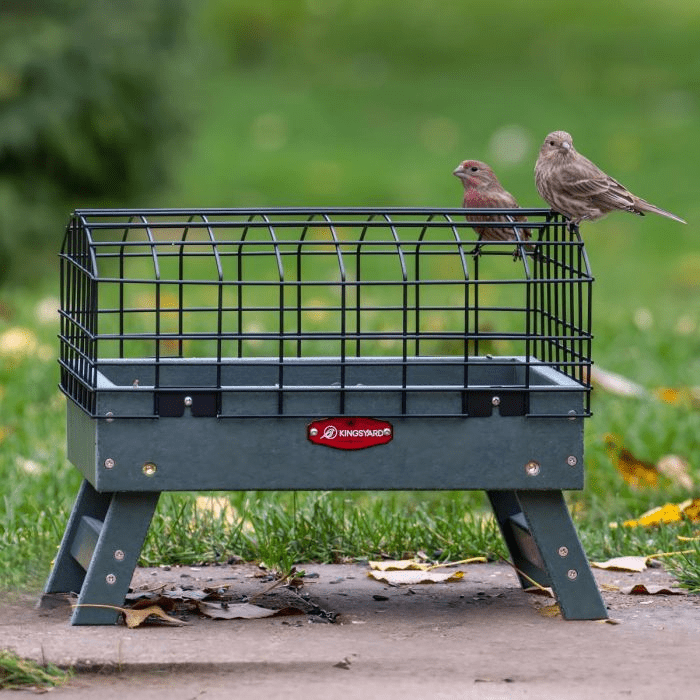
Credit: www.kingsyard.com
Sunlight Benefits For Birds
Birds need sunlight to stay healthy. Sunlight helps birds grow strong and stay active.
Placing feeders where birds get sunlight can improve their health and behavior.
Vitamin D And Bird Health
Sunlight helps birds produce vitamin D. This vitamin is important for their bones and feathers.
Without enough vitamin D, birds can become weak and sick.
- Vitamin D helps calcium absorption
- Strong bones prevent injuries
- Healthy feathers improve flying
Behavioral Impact Of Sunlight
Birds are more active in sunlight. They sing and search for food more often.
Sunlight helps birds keep a regular daily rhythm. It guides their sleep and feeding times.
- Increased singing attracts mates
- Better energy for flying and hunting
- Improved mood reduces stress
Feeder Placement And Sun Exposure
Place feeders where birds get morning sun. Morning light is gentle and healthy.
Avoid placing feeders in full afternoon sun. Too much heat can scare birds away.
- Morning sun warms birds without overheating
- Shade nearby provides rest from heat
- Keep feeders visible and safe
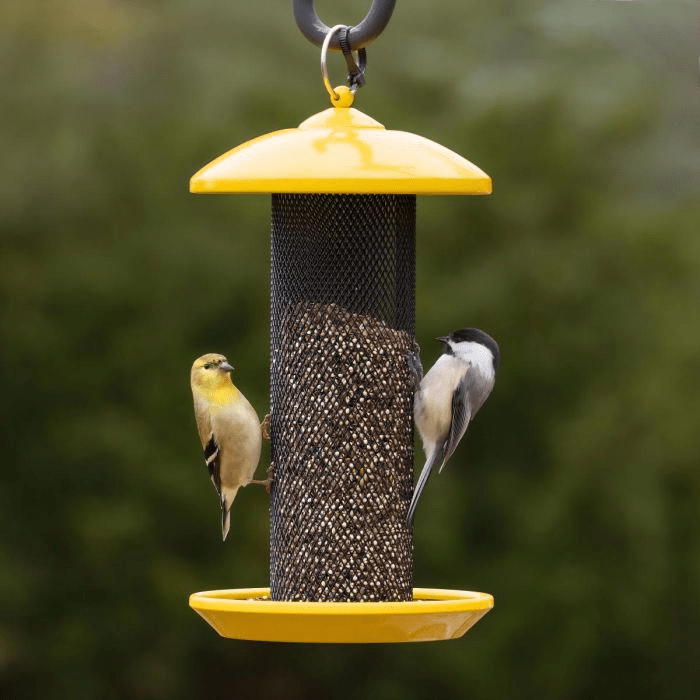
Credit: www.kingsyard.com
Shade Advantages For Feeders
Placing feeders in the shade offers many benefits. It helps protect birds and keeps food better.
Shaded feeders create a safer and more comfortable environment for birds to eat.
Temperature Control And Comfort
Shade keeps feeders cooler on hot days. This makes birds feel more comfortable while eating.
Birds avoid feeders in direct sun because it can get too hot and stressful for them.
- Shade lowers feeder temperature
- Reduces bird stress from heat
- Keeps birds relaxed during feeding
Protection From Predators
Feeders in the shade offer better hiding spots. Birds can quickly see and avoid predators.
Shaded areas often have bushes or trees that shield birds from threats.
- Shade provides natural cover
- Birds spot predators faster
- Increases feeding safety
Food Freshness In Shaded Areas
Shade slows down food spoilage. Seeds and fruits stay fresh longer without direct sun.
Keeping food fresh helps attract more birds and reduces waste.
- Shade prevents seed overheating
- Slows mold and spoilage
- Maintains food quality longer
Balancing Sun And Shade
Choosing the right spot for bird feeders is important. Birds need a mix of sun and shade to feel safe and comfortable.
Finding the balance helps attract more birds and keeps feeders clean and dry.
Ideal Feeder Locations
Place feeders where birds can quickly hide if they feel threatened. Look for spots that get some sun but also provide shade during the day.
- Near trees or shrubs for quick cover
- Avoid spots that get harsh afternoon sun
- Keep feeders visible but safe from predators
- Choose locations with good air flow to reduce mold
Seasonal Adjustments
The sun’s position changes with seasons. Adjust feeder placement to match these changes for bird comfort.
| Season | Sun Exposure | Feeder Tip |
| Spring | Moderate | Place feeders where morning sun warms birds |
| Summer | Strong | Move feeders to shaded areas to prevent overheating |
| Fall | Gentle | Keep feeders in sunny spots for warmth |
| Winter | Low | Choose sunny, sheltered locations to help birds stay warm |
Observing Bird Preferences
Watch birds to learn their favorite feeder spots. Some birds like more sun, others prefer shade.
Use this simple checklist to observe bird behavior:
- Note the time birds spend at each feeder
- See if birds hide in shade after eating
- Check if birds avoid hot, sunny feeders
- Look for signs of feeder use in different weather
Common Mistakes To Avoid
Choosing the right spot for your feeders is important. Putting them in the sun or shade can cause problems if done wrong.
This guide shows common mistakes to avoid for healthy, safe feeders.
Overheating And Mold Growth
Placing feeders in direct sun can cause food to overheat. This heats the seeds and can spoil them fast.
Moisture from heat also leads to mold growth. Mold is bad for birds and can make them sick.
- Sun heats the feeder and food quickly
- Wet food stays damp and molds faster
- Mold harms bird health
Excessive Exposure Risks
Keep feeders out of long sun exposure. Too much light can dry out seeds and make them less tasty.
Too much sun also scares some birds away. They prefer cooler, shaded spots to eat safely.
- Sun dries seeds and reduces freshness
- Birds avoid hot, bright areas
- Shade keeps food fresh and birds comfortable
Ignoring Local Climate Factors
Different climates need different feeder locations. Hot places need more shade. Cold places can handle some sun.
Ignoring your area’s weather can cause feeders to spoil or discourage birds from visiting.
- Hot, humid areas need shade to prevent mold
- Cold, dry areas can use some sun to keep food dry
- Watch local weather for best feeder placement
Additional Tips For Bird Health
Choosing the right spot for your bird feeder is important. Sun or shade can affect bird health.
Here are tips to keep birds healthy while enjoying your feeder.
Regular Feeder Cleaning
Clean your bird feeder often to stop germs and mold. Dirty feeders can make birds sick.
Use warm water and mild soap. Rinse well and dry before refilling.
- Clean feeders every two weeks
- More often in wet weather
- Check for mold or old seed
Safe Food Choices
Feed birds healthy seeds and food. Avoid anything with salt, sugar, or artificial ingredients.
Offer a mix of seeds to attract different bird types.
- Black oil sunflower seeds
- Nyjer seeds for finches
- Peanuts and suet for energy
- Fruits like berries and chopped apples
Water Availability Near Feeders
Birds need water for drinking and bathing. Place a water source near your feeder.
Keep water clean and fresh to avoid spreading germs.
- Use a shallow birdbath
- Change water every day
- Keep water free of ice in cold weather
- Place water in shade to stay cool
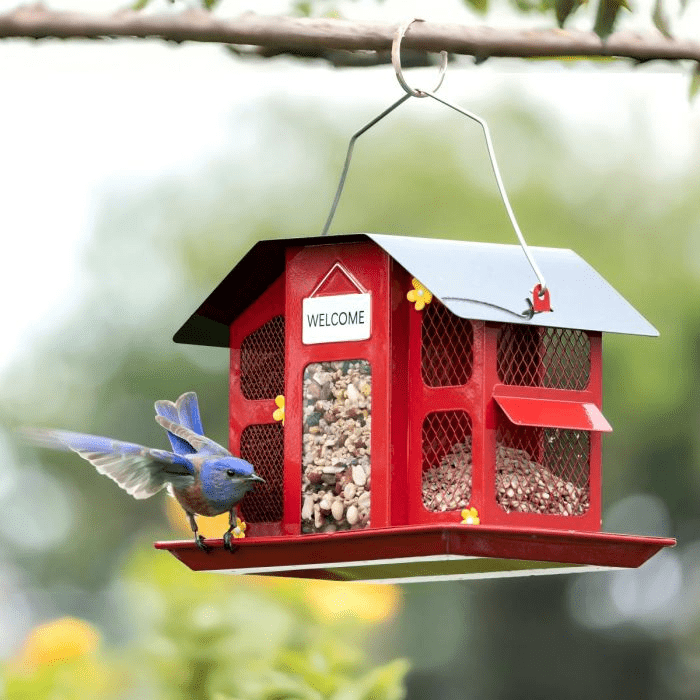
Credit: www.kingsyard.com
Frequently Asked Questions
Should Feeders Be Placed In Sun Or Shade?
Feeders should ideally be placed in partial shade. Shade keeps food fresh longer and attracts more birds. Direct sun can spoil seeds quickly and deter birds due to heat.
How Does Sun Exposure Affect Feeder Cleanliness?
Sun exposure can dry out seeds faster but may cause mold if moisture remains. Shade helps maintain cleanliness by reducing heat and moisture buildup.
Does Shade Attract More Birds To Feeders?
Yes, shade provides a cooler, safer environment that encourages birds to visit feeders more often. Birds prefer shaded feeders during hot weather.
Can Sun Damage Bird Feeders Or Seeds?
Prolonged sun exposure can warp plastic feeders and spoil seeds. Shade protects feeders from damage and preserves seed quality longer.
Conclusion
Choosing the right spot for your bird feeder matters. Sun or shade, both have benefits. Sunlight keeps feeders dry, preventing mold. Shade offers cooler feeding spots in hot weather. Consider your local climate. Also, watch how birds behave in different areas.
Adjust as needed. Find what works best for your feathered friends. Enjoy watching them visit and feed. Your attention to detail ensures a healthy bird environment. Happy bird watching!