
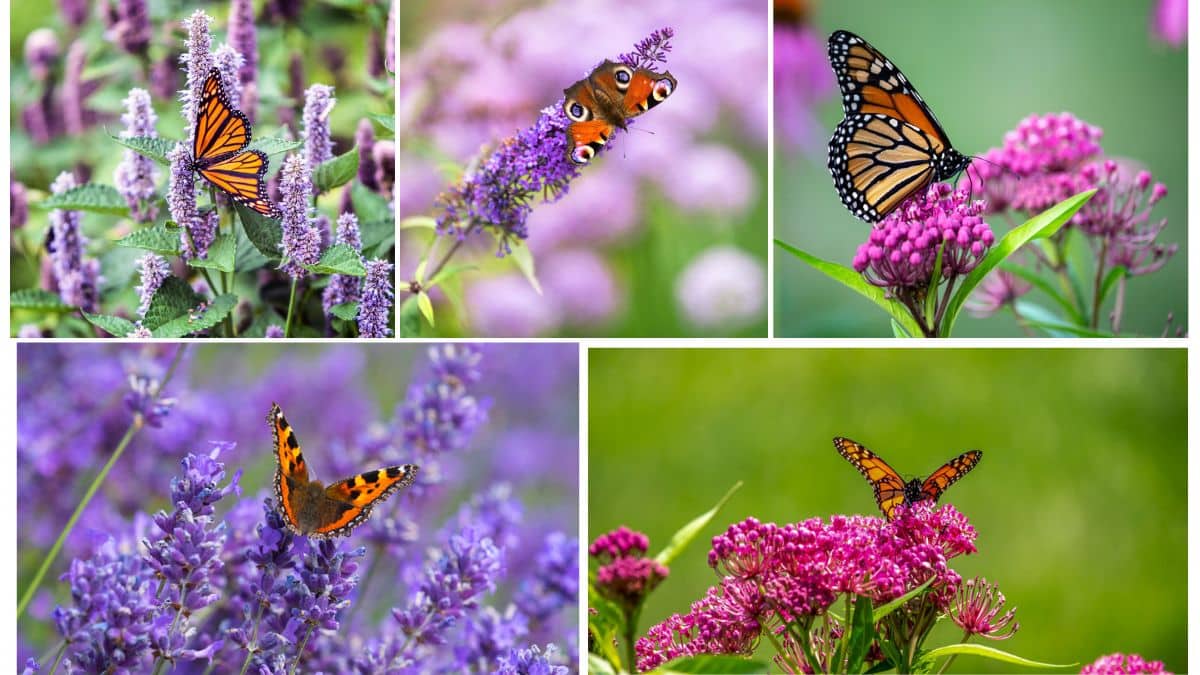
Do you want to bring more life and color to your garden? Imagine your outdoor space filled with the cheerful songs of birds and the flutter of wings nearby.
Choosing the right shrubs can turn your yard into a bird magnet, creating a natural haven right outside your door. You’ll discover which shrubs are best at attracting birds and how to make your garden their favorite spot. Keep reading, and you’ll learn easy ways to invite these beautiful visitors to your home.

Credit: www.msn.com
Why Birds Love Shrubs
Shrubs offer many benefits to birds. They provide food, shelter, and safe places to nest. Birds visit shrubs often because they meet their basic needs.
These plants are important in gardens and natural areas. They help support bird populations all year long.
Food Sources In Shrubs
Shrubs produce berries, seeds, and insects. These are key foods for many bird species. Birds get energy and nutrients from these sources.
- Berries and fruits provide sugar and vitamins
- Seeds offer protein and fat
- Insects found on leaves and bark supply extra protein
Shelter And Nesting Spots
Shrubs give birds a safe place to hide from predators. Dense branches and leaves protect nests and resting birds. Many birds build nests inside shrubs.
| Shelter Feature | Benefit to Birds |
| Dense foliage | Hides birds from predators |
| Thorny branches | Protects nests from animals |
| Layered leaves | Shields from wind and rain |
Seasonal Benefits
Shrubs change with the seasons, offering food and shelter year-round. In spring, they bloom with flowers that attract insects. In fall, berries ripen for hungry birds.
Birds find shade in summer and protection in winter. Shrubs keep birds safe through all weather changes.
Best Berry-producing Shrubs
Berry-producing shrubs are great for attracting birds to your garden. Birds love the sweet, colorful berries.
These shrubs also add beauty and provide food for wildlife during colder months. Choose shrubs that grow well in your area.
Elderberry
Elderberry shrubs have clusters of small white flowers in spring. They turn into dark purple berries in late summer.
Birds like robins and bluebirds eat these berries. Elderberries are rich in nutrients and easy for birds to find.
Serviceberry
Serviceberry is a small tree or shrub with white flowers in early spring. Its berries change from red to dark purple.
Many birds enjoy serviceberries, especially thrushes and waxwings. The berries are a good food source in summer and fall.
Holly
Holly shrubs have glossy green leaves and bright red berries. The berries last through winter, feeding many birds.
Birds like cedar waxwings and cardinals eat holly berries. The shrub also offers shelter with its dense leaves.
Flowering Shrubs For Nectar Feeders
Flowering shrubs provide food and shelter for nectar-feeding birds. They attract hummingbirds and other small birds that love sweet nectar. Planting these shrubs supports local wildlife and brightens your garden.
Choose shrubs that bloom at different times to offer nectar all season. These plants also add color and fragrance to your outdoor space.
Butterfly Bush
The butterfly bush produces long flower spikes that attract hummingbirds and butterflies. Its nectar-rich blooms come in many colors like purple, pink, and white. This shrub grows quickly and blooms from summer to fall.
- Prefers full sun
- Needs well-drained soil
- Prune in early spring for best blooms
- Attracts hummingbirds and butterflies
Viburnum
Viburnum shrubs have clusters of small flowers that provide nectar for birds. They bloom in spring and sometimes again in fall. These shrubs also produce berries that many birds enjoy after flowering.
| Type | Bloom Time | Bird Attraction |
| Arrowwood Viburnum | Spring | Hummingbirds, Thrushes |
| Snowball Viburnum | Spring | Finches, Warblers |
| Winterberry Viburnum | Spring | Cardinals, Robins |
Weigela
Weigela produces trumpet-shaped flowers that are easy for birds to access. These flowers bloom in late spring and early summer. The bright colors attract hummingbirds looking for nectar.
| Feature | Details |
|---|---|
| Flower Shape | Trumpet-shaped |
| Bloom Time | Late spring to early summer |
| Preferred Sunlight | Full sun to partial shade |
| Birds Attracted | Hummingbirds |
Evergreen Shrubs For Year-round Appeal
Evergreen shrubs bring constant color and shelter to your garden. They provide food and cover for birds all year long. Choosing the right shrubs helps create a lively bird-friendly space.
This guide highlights three popular evergreen shrubs that attract birds throughout the seasons. Learn about their features and benefits for your yard.
Juniper
Junipers offer dense foliage and produce berries that many birds enjoy. Their thick branches make safe nesting spots. They thrive in many soil types and sunlight conditions.
- Berries provide winter food for birds like cedar waxwings.
- Evergreen needles offer shelter in cold months.
- Low maintenance and drought-tolerant.
Boxwood
Boxwoods are small-leaved evergreens that keep their shape all year. Birds use them for nesting and cover. They add structure and green color to any garden space.
| Feature | Benefit for Birds |
| Dense, small leaves | Good protection from predators |
| Slow-growing | Long-lasting shelter |
| Can be shaped | Creates varied habitats |
Mahonia
Mahonia shrubs have spiky leaves and bright yellow flowers. Birds are drawn to their berries and shelter. They bloom in late fall, adding color when few plants do.
Benefits of Mahonia for Birds:
- Winter flowers attract pollinators.
- Berries feed birds in early spring.
- Thick leaves offer year-round cover.
Native Shrubs That Support Local Birds
Native shrubs play a key role in helping local birds find food and shelter. These plants fit well in the environment and support the birds’ needs.
Choosing the right shrubs can attract many types of birds to your garden or yard. Here are some native shrubs that are great for bird habitats.
Dogwood
Dogwood shrubs offer berries that many birds love to eat. The dense branches give birds a safe place to build nests and hide from predators.
Sumac
Sumac produces bright red berries that stay on the plant late into winter. Birds feed on these berries when other food is scarce.
- Provides food for birds like robins and waxwings
- Offers cover for small birds during cold months
- Helps prevent soil erosion with its strong roots
Spirea
Spirea shrubs bloom with small flowers that attract insects. Birds eat these insects, making spirea a natural food source.
| Spirea Features | Benefit to Birds |
| Clusters of tiny flowers | Attracts insects for birds to eat |
| Dense branches | Safe nesting spots |
| Easy to grow | Provides year-round shelter |

Credit: www.msn.com
Planting Tips To Attract More Birds
Shrubs are great for attracting birds to your garden. Birds find food, shelter, and nesting spots in shrubs.
Choosing the right shrubs and planting them well helps bring more birds. Here are some tips to get started.
Ideal Shrub Placement
Place shrubs where birds feel safe and comfortable. Near trees or fences is a good spot.
Leave open spaces nearby so birds can watch for predators. Avoid planting shrubs too close to busy areas.
- Plant shrubs in groups for better shelter
- Keep some shrubs near water sources
- Use layers of plants for different bird needs
Creating Diverse Habitats
Use many types of shrubs to offer food and shelter all year. Different birds like different plants.
Add native shrubs that produce berries, seeds, or flowers. These plants support local birds best.
- Include evergreens for winter cover
- Plant berry-producing shrubs for food
- Mix tall and short shrubs for nesting
Avoiding Pesticides
Do not use pesticides on shrubs. Chemicals can harm birds and their food sources.
Use natural ways to control pests. Healthy plants attract more insects for birds to eat.
- Pick pest-resistant shrub varieties
- Encourage beneficial insects like ladybugs
- Handpick pests or use water sprays
Maintaining A Bird-friendly Garden
Creating a garden that attracts birds takes care and attention. Birds need food, water, and safe places to rest.
Proper maintenance helps keep your shrubs healthy and welcoming for birds all year round.
Pruning For Health
Pruning shrubs regularly keeps them strong and full. Remove dead or weak branches to let sunlight reach the center.
- Cut away broken branches in early spring.
- Trim overgrown parts to maintain shape.
- Remove crowded branches to improve air flow.
- Use clean, sharp tools to avoid damage.
Water Sources
Birds need fresh water for drinking and bathing. A clean water source keeps birds returning to your garden.
| Type of Water Source | Benefits | Maintenance Tips |
| Birdbath | Easy access and visibility | Change water every 2 days, clean weekly |
| Small Pond | Supports more bird species | Keep edges clear of debris, add stones |
| Drip Fountain | Makes gentle sounds to attract birds | Check pump monthly, keep water fresh |
Seasonal Care
Season changes affect shrubs and birds. Adjust your care to keep the garden safe and inviting year-round.
- Spring: Plant new shrubs and prune old growth.
- Summer: Water deeply to prevent drought stress.
- Fall: Leave some berries for migrating birds.
- Winter: Protect shrubs from frost and wind.
Credit: www.newindianexpress.com
Frequently Asked Questions
What Are The Best Shrubs To Attract Birds?
The best shrubs for birds include serviceberry, elderberry, and viburnum. These provide berries and shelter, attracting various bird species year-round.
How Do Shrubs Help In Bird Feeding?
Shrubs offer natural food sources like berries and seeds. They also provide shelter, nesting spots, and protection from predators for birds.
Which Shrubs Bloom And Attract Birds In Spring?
Flowering shrubs like lilac, forsythia, and azalea bloom in spring. Their nectar and insects attract hummingbirds and other bird species.
Can Native Shrubs Attract More Local Birds?
Yes, native shrubs are ideal. They support local bird species by offering familiar food and habitat, boosting bird diversity in your garden.
Conclusion
Bird-friendly shrubs add beauty to your garden. They invite vibrant birds to visit. These plants provide food, shelter, and nesting spots. Consider native shrubs for the best results. They fit well with local birds. You can create a peaceful oasis with these simple choices.
Enjoy nature’s song and color right at home. Little effort brings big rewards. Choose wisely and watch your garden come alive with birds. Happy birdwatching!



