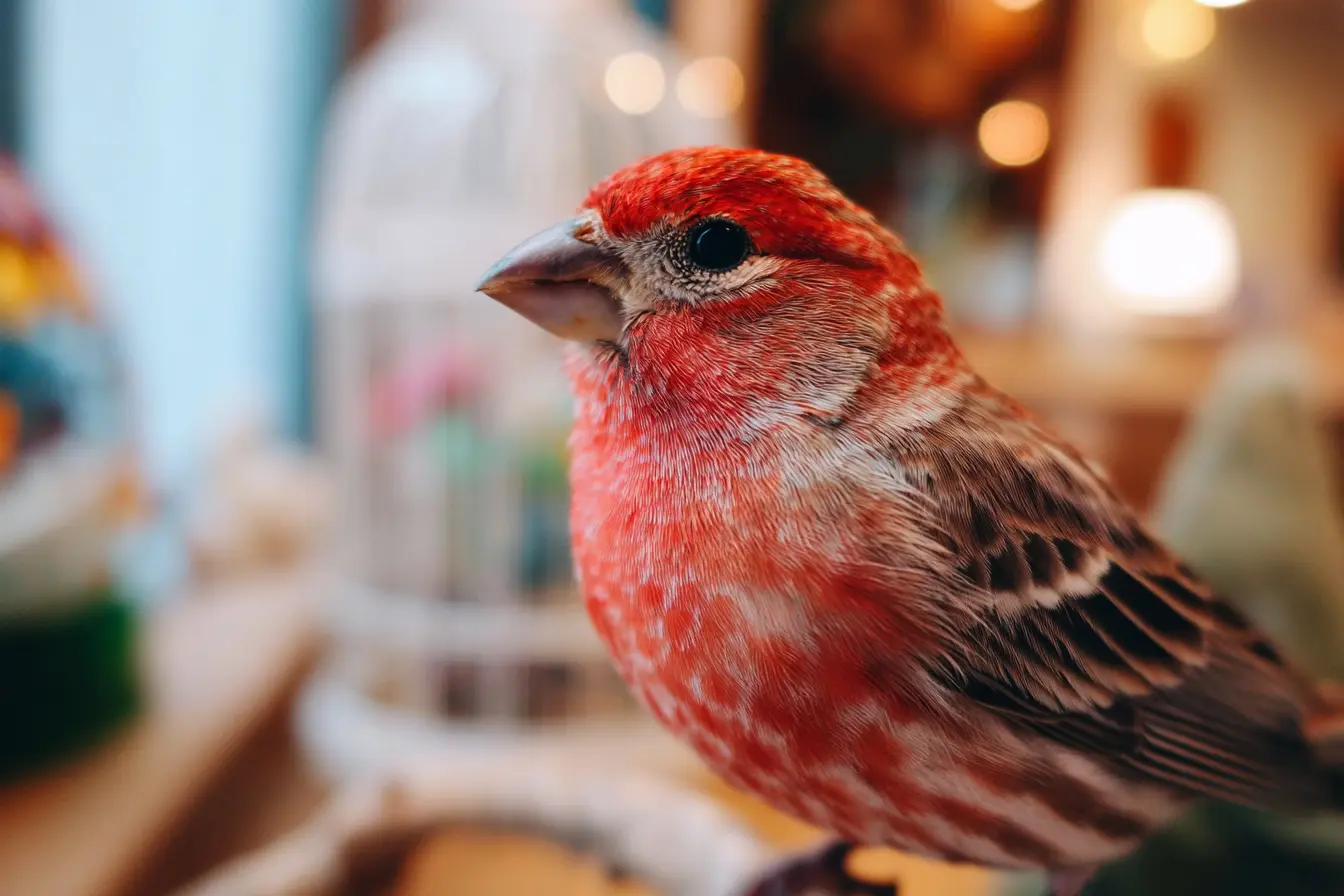
Have you noticed your bird acting differently lately? Maybe it’s less active, or its feathers look ruffled.
These could be signs of a bacterial infection, and catching them early can make all the difference for your feathered friend’s health. Understanding what to look for helps you protect your bird before things get worse. Keep reading to discover the key signs of bacterial infection in birds and how you can spot them quickly.
Your bird depends on you, and knowing these signs could save its life.
Common Behavioral Changes
Bacterial infections can affect birds in many ways. One of the first signs is a change in their behavior.
Watching for these changes helps catch infections early and get birds the care they need.
Lethargy And Weakness
Birds with bacterial infections often show lethargy. They move less and seem weak. Their usual energy drops sharply.
- Less flying or hopping around
- Fluffed feathers to keep warm
- Weak grip on perches
- Slow or no response to sounds or movements
Loss Of Appetite
Infected birds often eat less or stop eating. This loss of appetite can cause quick weight loss and weakness.
| Sign | What It Means |
|---|---|
| Refusal to eat | Bird may feel sick or have mouth pain |
| Picking food then dropping it | Weakness or lack of interest |
| Eating less than usual | Body fighting infection |
Excessive Sleeping
Birds with bacterial infections sleep more than normal. They may stay in one spot and close their eyes often.
This extra rest helps their body fight the infection but also shows they are unwell.
Credit: vetverified.com
Respiratory Symptoms
Bacterial infections in birds often cause problems in their breathing system. These symptoms affect how birds breathe and can show signs of illness.
Watching for respiratory symptoms helps catch infections early. Early care can improve the bird’s health and comfort.
Labored Breathing
Labored breathing means the bird works hard to breathe. It may breathe fast or use its chest and neck muscles a lot. This shows the bird’s lungs or airways may be blocked or sore.
Nasal Discharge
Nasal discharge is fluid coming from the bird’s nostrils. The mucus can be clear, yellow, or green. This shows the bird has an infection or irritation in its nose.
- Clear discharge may mean mild irritation.
- Yellow or green discharge often signals infection.
- Blocked nostrils can make breathing harder.
- Repeated wiping of the beak may happen.
Coughing And Sneezing
Coughing and sneezing help birds clear their airways. If these happen often, it may mean infection or inflammation.
| Symptom | Cause | Effect |
|---|---|---|
| Coughing | Throat irritation or mucus | Clears airways |
| Sneezing | Nasal irritation or infection | Removes particles |
| Frequent episodes | Ongoing infection | Breathing discomfort |
Digestive Issues
Bacterial infections often cause digestive problems in birds. These issues can affect their health and behavior.
Bird owners should watch for signs like diarrhea, vomiting, and swollen abdomen. These can indicate a bacterial infection.
Diarrhea
Diarrhea is a common sign of bacterial infection in birds. It makes their droppings watery and loose.
Frequent diarrhea can lead to dehydration and weakness. It needs prompt attention to avoid serious health problems.
Vomiting
Vomiting happens when birds throw up food or liquid. It shows that the digestive system is upset.
Birds may vomit because of bacteria damaging their stomach or intestines. Watch for repeated vomiting episodes.
Swollen Abdomen
A swollen abdomen means the bird’s belly looks bigger or feels hard. This can be painful for the bird.
Bacteria may cause swelling due to infection or fluid buildup inside the abdomen. This sign needs quick care.
Credit: en.engormix.com
Feather And Skin Changes
Bacterial infections in birds often show changes in feathers and skin. These signs help spot illness early. Watch your bird closely for unusual changes.
Feathers and skin reflect a bird’s health. Problems like ruffled feathers, feather loss, or sores may indicate infection. Learn to recognize these signs.
Ruffled Feathers
Ruffled feathers mean a bird’s feathers look messy or puffed up. Birds do this to keep warm or when sick. Bacterial infections can cause this behavior because the bird feels unwell.
Look for these signs with ruffled feathers:
- Feathers sticking out unevenly
- Bird looks fluffed up for long periods
- Less active or sleepy behavior
- Shivering or trembling
Feather Loss
Feather loss can happen when bacteria infect the skin or feather follicles. This causes feathers to fall out or break easily. The bird may also pick at its feathers due to irritation.
| Cause | Effect on Feathers |
| Bacterial infection | Feather loss, broken feathers |
| Skin irritation | Feather picking, bald spots |
| Poor health | Weak feathers, slow regrowth |
Skin Lesions Or Sores
Skin lesions or sores are red, swollen, or scabby spots on the bird’s skin. Bacterial infections cause these by damaging skin tissue. These sores may hurt and cause the bird to scratch a lot.
- Red or inflamed patches
- Open wounds or scabs
- Crusty or scaly skin
- Bird scratching or biting the area
Eye And Beak Symptoms
Bacterial infections in birds often show signs in their eyes and beak. Early detection helps protect your bird’s health.
Look closely for changes in eye and beak appearance. These signs can point to infection and need care.
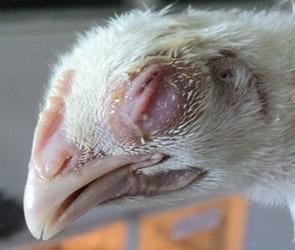
Swollen Or Watery Eyes
Swelling around the eyes is common with bacterial infections. Eyes may also water more than usual.
- Red or puffy eyelids
- Excess tears or watery eyes
- Bird may rub eyes often
- Squinting or closing eyes
Discharge From Eyes Or Beak
Discharge can be a clear sign of infection. It may come from the eyes or the beak and vary in color.
| Type of Discharge | Possible Meaning |
| Clear and watery | Mild irritation or early infection |
| Yellow or green | Active bacterial infection |
| Thick and sticky | Severe infection or blocked ducts |
Beak Deformities
Infections can cause changes to the beak shape or texture. Watch for these signs to catch problems early.
- Cracks or splits in the beak
- Overgrown or misshapen beak tips
- Soft or brittle beak texture
- Discoloration or unusual spots
Diagnostic Steps
Detecting bacterial infection in birds requires careful diagnosis. Early detection helps in proper treatment and recovery.
This guide covers key steps veterinarians follow to find signs of infection. These include physical checks and lab tests.
Veterinary Examination
The vet starts with a full physical exam. They look for visible signs like swelling, wounds, or unusual feathers.
- Check bird’s eyes, beak, and skin for redness or discharge
- Listen to breathing for any abnormal sounds
- Feel the abdomen to detect swelling or pain
- Observe bird’s behavior and movement
- Note any droppings changes or foul odor
Laboratory Testing
Lab tests confirm bacterial infections and identify the cause. These tests guide the right treatment.
| Test | Purpose | Sample Needed |
|---|---|---|
| Blood Test | Check for infection signs and immune response | Small blood sample |
| Culture Test | Grow bacteria to identify the type | Swab from wound or throat |
| Microscopic Exam | Look for bacteria in samples | Feather, skin, or droppings |
| PCR Test | Detect bacterial DNA | Blood or tissue sample |
Preventive Measures
Preventing bacterial infections in birds is key to keeping them healthy. Simple actions can stop infections before they start.
Good care involves cleaning, isolating new birds, and checking health often. These steps help avoid disease spread.
Hygiene Practices
Cleanliness lowers bacteria risk in bird areas. Regular cleaning keeps birds safe and healthy.
- Wash cages and feeders weekly with hot water
- Remove droppings daily to reduce germs
- Use disinfectants safe for birds
- Keep fresh water available and change it often
- Clean hands before and after handling birds
Quarantine New Birds
New birds may carry bacteria not seen in your flock. Quarantine helps stop infections spreading.
| Quarantine Step | Details |
| Duration | At least 30 days |
| Location | Separate from existing birds |
| Health Check | Daily observation for symptoms |
| Cleaning | Disinfect area after quarantine |
Regular Health Monitoring
Watch birds daily for signs of illness. Early detection helps treat infections fast.
Check these signs regularly:
- Changes in appetite
- Fluffed feathers
- Swollen eyes or nose
- Unusual droppings
- Difficulty breathing

Credit: www.magonlinelibrary.com
Frequently Asked Questions
What Are The Common Symptoms Of Bacterial Infection In Birds?
Common symptoms include lethargy, loss of appetite, respiratory issues, swollen eyes, and abnormal droppings. Early detection is crucial for treatment.
How Can I Prevent Bacterial Infections In Pet Birds?
Maintain cleanliness, provide fresh water and food, avoid overcrowding, and ensure regular vet check-ups to minimize infection risks.
When Should I Consult A Vet For My Bird’s Health?
Consult a vet if your bird shows persistent symptoms like breathing difficulty, unusual behavior, or visible swelling. Early care improves recovery.
Can Bacterial Infections In Birds Spread To Humans?
Some bacterial infections in birds can be zoonotic. Always practice hygiene when handling birds to prevent transmission.
Conclusion
Spotting signs of bacterial infection in birds is crucial. Early detection can save lives. Watch for unusual behavior or changes in appetite. Feathers looking dull? That’s a red flag. Monitor breathing. Fast or labored breathing might indicate trouble. Keep an eye on droppings too.
Changes in color or consistency can signal illness. Always consult a vet if you notice symptoms. Quick action ensures your bird stays healthy. Stay observant and proactive for your bird’s well-being. Proper care and attention make all the difference. Your bird relies on you to stay healthy and happy.