Have you ever wondered how cold weather affects your feathered friends? Frostbite in birds is a serious issue that can sneak up quickly, especially during chilly months.
If you’re a bird lover or care for outdoor pets, knowing the Signs of Frostbite in Birds can make all the difference in protecting your birds from pain and long-term damage. You’ll discover clear, easy-to-spot symptoms that tell you when your bird needs help. Keep reading to learn what to watch for and how to act fast to keep your birds safe and healthy.
Symptoms Of Frostbite In Birds
Frostbite can cause serious harm to birds. It happens when their body parts freeze from cold weather. Identifying bird frostbite symptoms early helps you act fast to save tissue. Birds show different symptoms depending on frostbite severity. Watch closely to protect them from lasting damage.
Changes In Skin Color
One early sign of frostbite is a change in the bird’s skin color. The affected area may turn pale or white as blood flow drops. Later, the skin can become red or purple as tissue damage grows. These shifts in color are primary frostbite symptoms in birds.
Swelling And Blisters
Frostbite can cause swelling and blisters on the bird’s feet, toes, or comb. These signs show damage to skin and underlying tissues. The bird may look uncomfortable or in pain.
- Swollen toes or feet
- Clear or blood-filled blisters
- Hard or crusty skin patches
Cold And Numb Extremities
When frostbite affects birds, their extremities get cold and numb. They may limp or avoid using the frozen parts. Lack of feeling in frostbitten bird feet can lead to further injuries.
Feather Condition And Behavior
Frostbitten birds often show poor feather condition. Feathers may look ruffled or wet. The bird might stay still or hide to keep warm.
| Behavior | Feather Condition |
| Less active | Ruffled or missing feathers |
| Hiding or shivering | Wet or frozen feathers |
| Reluctance to walk | Dull feather color |
Credit: en.engormix.com
Risk Areas On Birds
Frostbite is a serious problem for birds in cold weather. Some parts of a bird’s body are more likely to get frostbite. These areas have less feather coverage and get cold quickly. Noticing frostbite on bird toes is critical because these small extremities freeze first.
Feet And Toes
Birds’ feet and toes are often exposed to cold ground and ice. They have little fat and few feathers to keep warm.
Signs of frostbite here include swelling, discoloration, and cold skin. Birds may limp or avoid standing on one foot.
Wattles And Comb
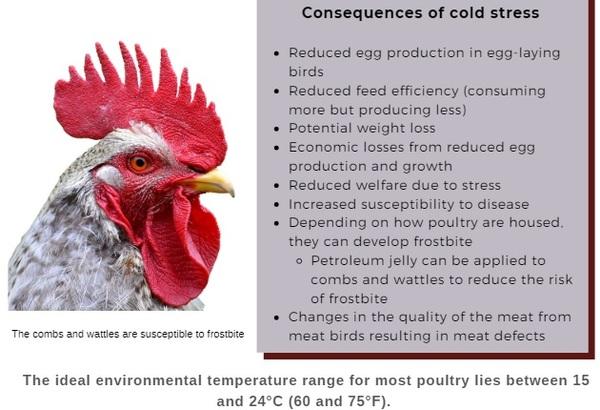
Wattles and combs are soft, fleshy parts on a bird’s head. They have many blood vessels and thin skin.
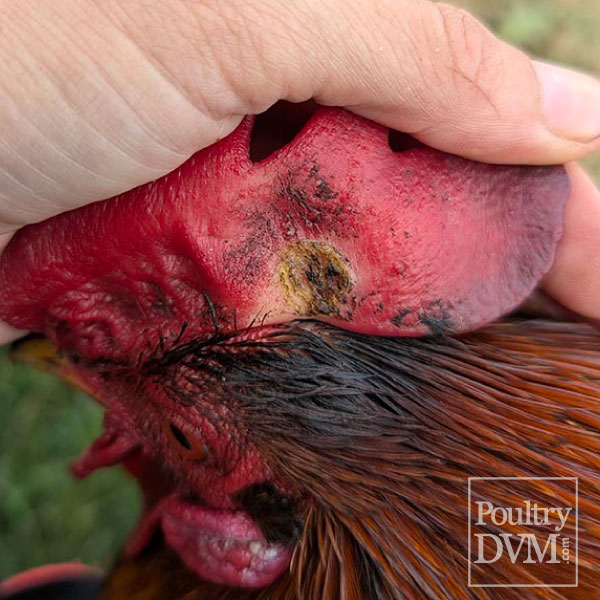
Frostbite can make these areas turn dark, hard, or swollen. Birds may shake their heads or show discomfort.
Beak And Legs
The beak and legs have exposed skin and hard surfaces. Cold weather can cause frostbite on these parts too.
Look for pale or dark spots on the beak edges or legs. Birds may stop eating or have trouble walking if hurt.
Wing Tips
Wing tips have less feather coverage and are far from the bird’s body heat. They can freeze in low temperatures.
Frostbitten wing tips may look dry, cracked, or discolored. Birds might flap less or hold wings close to their body.
Behavioral Warning Signs
Birds can suffer from frostbite during cold weather. Watching their behavior helps spot early frostbite symptoms in birds. Acting fast can protect their health.
Lethargy And Weakness
Birds with frostbite often seem tired and weak. They may rest more than usual and move less.
This lack of energy shows the bird is in pain or cold. Weakness makes flying and walking harder.
Reluctance To Move
Birds may avoid moving to keep frostbitten areas warm. Staying still helps protect injured parts.
You might notice a bird staying in one place longer. It may not fly or hop like before.
Unusual Posture
Frostbitten birds often hold their wings or feet differently. They may tuck limbs close to their body. This posture reduces heat loss from cold parts. Look for birds standing or sitting oddly to detect Signs of Frostbite in Birds early.
Changes In Feeding Habits
Birds with frostbite may eat less or stop eating. Pain and cold reduce their appetite.
Watch for sudden drops in eating or drinking. This change can weaken the bird more.

Credit: mannapro.com
Factors Increasing Frostbite Risk
Frostbite in birds happens when their skin and tissues freeze. Some conditions make frostbite more likely. Knowing these helps protect birds in cold weather.
Birds face more frostbite risk when cold and wind reach their bodies. This can cause skin damage and pain.
Exposure To Cold And Wind
Cold air lowers body temperature fast. Strong winds blow away the warm air near the skin. This makes frostbite more likely.
Birds in open areas with no windbreaks have a higher chance of frostbite. Shade or shelter helps block cold winds.
Wet Feathers And Poor Shelter
Wet feathers lose their ability to keep birds warm. Water stops the feathers from trapping air, which insulates the bird.
- Rain or snow can soak feathers.
- Birds without dry shelter stay wet longer.
- Wet feathers freeze faster in cold weather.
Health And Age Considerations
Older birds and those with weak health struggle to keep warm. Their body systems work slower, raising frostbite risk.
Young birds also get frostbite easily. Their feathers and body heat control are not fully developed.
Nutritional Deficiencies
| Deficiency Type | Effect on Frostbite Risk |
| Vitamin A | Weakens skin repair and protection |
| Fatty Acids | Reduces insulation and feather quality |
| Protein | Limits energy for body heat |
Birds need good nutrition to keep feathers healthy and body warm. Poor diet makes frostbite on bird toes and other areas more likely.
Immediate Actions For Frostbitten Birds
Frostbite in birds happens when their skin or feet freeze. It needs quick care to help them heal.
Knowing what to do right away can protect your bird from more harm and pain.
Safe Warming Techniques
Warm the bird slowly to avoid shock. Use gentle heat sources, not hot water or direct heat.
- Place the bird in a warm room or near a safe heat lamp.
- Wrap the bird in a soft towel to keep warmth.
- Offer lukewarm water for hydration.
- Do not rub the frostbitten areas, it can cause more damage.
Avoiding Further Injury
Protect the bird from cold drafts and rough surfaces. Keep it calm and still.
| Risk | How to Prevent |
| Cold air | Use a warm, draft-free space |
| Pressure on frostbitten skin | Handle gently and limit movement |
| Wet feathers | Keep feathers dry and clean |
| Stress | Speak softly and avoid loud noises |
When To Seek Veterinary Help
See a vet if the bird shows signs like swelling, blackened skin, or refusal to eat.
Call your vet immediately if the bird:
- Has frostbitten toes or feet that look dark or hard.
- Is weak or has trouble standing.
- Shows signs of pain or distress.
- Has wounds or blisters on the skin.
Credit: poultrydvm.com
Frequently Asked Questions
What Are Common Signs Of Frostbite In Birds?
Common signs include pale or gray skin, swelling, and blisters on extremities. Birds may also show lethargy or difficulty moving affected areas.
How Can Frostbite Affect A Bird’s Feet And Wings?
Frostbite causes tissue damage in feet and wings, leading to numbness, discoloration, and possible loss of toes or feathers.
When Should I Seek Veterinary Care For Bird Frostbite?
Seek veterinary care immediately if you notice swelling, darkened skin, or if the bird shows pain or mobility issues.
Can Frostbitten Birds Recover Fully?
With prompt treatment, many birds recover well, but severe frostbite can cause permanent tissue loss or infection.
Conclusion
Birds can suffer from frostbite in cold weather. Recognizing signs early helps. Watch for discoloration or swelling on their extremities. Birds may show lethargy or reduced activity. Immediate warmth and care are crucial. Protect your feathered friends by providing shelter.
Check them regularly during chilly months. Keeping a close eye ensures their safety. A safe environment prevents frostbite. Understanding these signs helps you act promptly. Remember, healthy birds are happy birds. Always prioritize their well-being. Stay informed and keep your birds safe.
They rely on your care and attention. Keep them warm, safe, and thriving.