Have you ever stopped to watch the birds visiting your yard and wondered how you could help them thrive? Supporting birds in your yard is easier than you think, and it brings amazing rewards.
Not only do you get to enjoy their beautiful songs and colors, but you also create a lively, healthy space right outside your door. You’ll discover simple, effective ways to make your yard a safe haven for birds all year round.
Ready to turn your outdoor space into a bird-friendly paradise? Let’s dive in!
Choose Native Plants
Using native plants in your yard helps create a safe home for local birds. These plants have grown in your area for many years. They offer the right food and shelter birds need.
Native plants also support other wildlife like bees and butterflies. They need less water and care than non-native plants. This makes them good for your garden and the environment.
Benefits For Local Birds
Native plants provide food that local birds recognize. Their berries, seeds, and nectar are perfect for birds’ diets. These plants also offer safe places to build nests and hide from predators.
- Offer natural food sources like berries and seeds
- Provide shelter and nesting spots
- Support local insects that birds eat
- Help keep birds healthy and active
Selecting Bird-friendly Flowers And Shrubs
Choose flowers and shrubs that produce fruits or seeds. Look for plants that bloom at different times. This gives birds food all year. Avoid plants with chemicals or pesticides.
| Plant Type | Example | Bird Benefit |
| Flowering Shrubs | Serviceberry | Provides berries and shelter |
| Perennial Flowers | Milkweed | Supports insects and nectar |
| Native Grasses | Little Bluestem | Offers seeds and cover |
Credit: www.hgtv.com
Provide Food Sources
Feeding birds in your yard helps them stay healthy and active. Offering food supports birds during tough weather and breeding seasons.
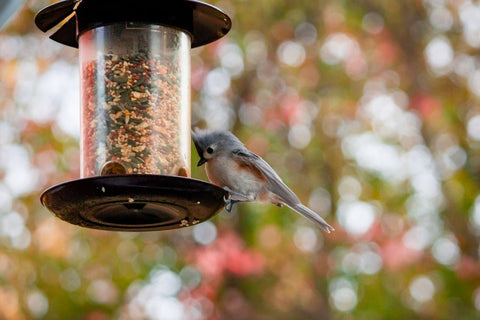
Choose food that matches the types of birds in your area. Keep feeders clean and full to attract many species.
Best Bird Feeders And Seeds
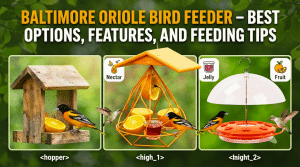
Select feeders that suit different bird sizes and feeding habits. Some feeders hold seeds, while others offer suet or nectar.
Use seeds that attract local birds. Black oil sunflower seeds are popular because many birds enjoy them.
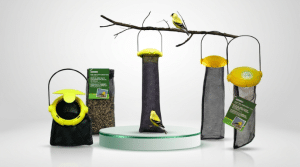
- Tube feeders for small songbirds
- Platform feeders for larger birds
- Suet feeders for woodpeckers and nuthatches
- Nyjer seed feeders for finches
- Black oil sunflower seeds for most birds
- Millet for ground-feeding birds
Seasonal Feeding Tips
Change your feeding habits with the seasons to meet birds’ needs. Winter needs more energy-rich foods like suet.
In spring and summer, offer fresh fruits and mealworms. Reduce feeding in summer when natural food is plenty.
- Winter: Provide high-fat foods like suet and sunflower seeds
- Spring: Add mealworms and fresh fruit for breeding birds
- Summer: Offer fruits and reduce seed amounts
- Fall: Keep feeders full for migrating birds
Offer Fresh Water
Birds need fresh water every day. Water helps them drink and clean their feathers. A steady water supply attracts more birds to your yard.
Providing water is easy and helps support local wildlife. You can choose different types of birdbaths to fit your space and style.
Types Of Birdbaths
Birdbaths come in many shapes and sizes. Some are simple bowls, while others have fountains or drippers. Each type offers unique benefits for birds.
- Shallow Basins:Easy for small birds to use. Keep water depth less than two inches.
- Fountains:Moving water attracts birds and keeps water fresh.
- Drippers and Misters:Provide water droplets that birds love to drink and bathe in.
- Heated Birdbaths:Keep water from freezing in cold weather.
Maintaining Clean Water
Birds need clean water to stay healthy. Dirty water can spread diseases and scare birds away. Clean your birdbath often and refill it with fresh water.
| Task | How Often | Tips |
| Change water | Daily | Use fresh, cool water |
| Clean birdbath | Weekly | Use brush and mild soap, rinse well |
| Remove algae | As needed | Scrape or scrub to keep clear |
| Check for insects | Daily | Remove mosquito larvae to prevent spread of disease |

Credit: www.birdsandblooms.com
Create Shelter Spots
Birds need safe places to rest and hide from predators. Creating shelter spots helps birds feel secure in your yard.
These spots also protect birds from bad weather. You can use plants and birdhouses to make good shelters.
Using Trees And Bushes
Trees and bushes provide natural cover for birds. They offer shade, hiding places, and spots to build nests.
Choose native trees and bushes to support local bird species. Dense plants are best for shelter.
- Evergreens offer year-round cover
- Thorny bushes protect against predators
- Flowering plants attract insects for food
- Plant in groups to create safe areas
Installing Birdhouses
Birdhouses give birds a secure place to nest. They help birds that need cavities to raise their young.
Place birdhouses in quiet spots away from busy areas. Make sure they face away from strong winds.
- Use birdhouses with the right entrance size for local birds
- Mount houses 5-10 feet above the ground
- Keep houses clean to prevent disease
- Avoid placing houses near bird feeders to reduce conflicts
Avoid Harmful Chemicals
Using chemicals in your yard can hurt birds. Pesticides and herbicides can poison their food and water.
Choosing safer ways to care for your garden helps keep birds safe and healthy.
Natural Pest Control
Birds eat insects that harm plants. Avoid using chemicals that kill these insects.
Use natural methods to control pests and protect birds’ food sources.
- Plant flowers that attract ladybugs and lacewings
- Use neem oil or insecticidal soap instead of harsh pesticides
- Encourage birds by placing bird feeders and birdbaths
Safe Gardening Practices
Choose organic fertilizers and compost instead of chemical fertilizers. This keeps soil healthy.
Water plants early in the morning or late at night to reduce disease. Avoid spraying chemicals during these times.
- Remove weeds by hand or with tools instead of herbicides
- Mulch garden beds to keep soil moist and reduce pests
- Keep garden clean from dead leaves and plant debris
Encourage Nesting
Birds need safe places to build their nests. You can help them by making your yard welcoming. Providing good nesting spots lets birds raise their young safely.
Encouraging nesting also supports local bird populations. It helps keep the environment healthy and lively with bird songs and visits.
Providing Nesting Materials
Birds use many natural materials to build nests. You can offer safe supplies in your yard. These materials help birds save time and energy.
Good nesting materials include soft and dry items. Avoid anything that can harm birds, like plastic or sharp objects.
- Dry grass or straw
- Small twigs and sticks
- Feathers
- Shredded leaves or bark
- Cotton or wool fibers (without chemicals)
Best Nesting Sites
Birds look for safe, quiet places to build nests. You can create or protect these spots in your yard. Different birds prefer different types of sites.
Offer a variety of sites to attract more birds. Some birds like bushes, while others choose tree branches or man-made boxes.
- Dense shrubs or hedges
- Tree branches and forks
- Birdhouses or nesting boxes
- Brush piles or leaf litter areas
- Quiet corners away from pets
Attract Birds Year-round
Creating a yard that welcomes birds all year takes planning. Birds need food, water, and shelter in every season.
Adjusting your care and planting choices helps keep birds coming back. Learn how to support birds through the seasons.
Adjusting Care By Season
Bird needs change with the seasons. In spring and summer, fresh water and food help birds raise their young. In fall and winter, shelter and high-energy foods keep them safe and warm.
- Spring: Provide fresh water and native plants that bloom.
- Summer: Keep water clean and add shade trees.
- Fall: Offer seeds and nuts for fat storage.
- Winter: Use feeders with suet and keep water from freezing.
Planting For Continuous Bloom
Plant flowers and shrubs that bloom at different times. This gives birds food all year. Choose native plants to attract local bird species.
| Plant | Bloom Season | Benefits to Birds |
| Serviceberry | Spring | Early berries and nesting sites |
| Coneflower | Summer | Seeds for food |
| Goldenrod | Fall | Nectar and seeds |
| Winterberry | Winter | Berries for winter food |
Credit: www.birdfy.com
Frequently Asked Questions
How Can I Attract More Birds To My Yard?
Plant native flowers and shrubs that provide food and shelter. Offer fresh water sources like birdbaths. Use feeders with seeds suited for local birds. Avoid pesticides to keep the environment safe. These steps create a welcoming habitat for birds.
What Types Of Bird Feeders Work Best?
Tube feeders attract small songbirds, while platform feeders suit larger birds. Suet feeders offer high-energy food in cold months. Choose feeders based on bird species in your area. Regularly clean feeders to prevent disease and keep birds healthy.
Which Plants Support Local Bird Populations?
Native berry-producing shrubs like elderberry and serviceberry provide food. Trees such as oaks and pines offer shelter and nesting sites. Wildflowers attract insects that birds eat. Planting native species supports the entire local ecosystem for birds.
How Often Should I Clean Bird Feeders?
Clean feeders every two weeks, or more often in wet weather. Use a mild bleach solution to kill germs. Rinse thoroughly and dry before refilling. Clean feeders help prevent disease and keep birds visiting safely.
Conclusion
Helping birds thrive in your yard is rewarding. Simple steps create a haven. Provide food, water, and safe shelter. Plant native trees and shrubs. Avoid harmful pesticides. Birds enrich your garden with beauty and life. Enjoy their songs and vibrant colors.
They help control pests naturally. A yard full of birds benefits everyone. Start today and watch nature unfold. Your efforts will make a big difference. A welcoming yard supports biodiversity. Keep it natural, and nature will thank you. Small actions, big impact.
Embrace the joy of birdwatching at home.