If you have pet birds, you want to keep them happy and healthy. But sometimes, subtle signs can mean something serious is wrong.
Aspergillosis is a common fungal infection in birds that can quickly become dangerous if not caught early. Do you know what symptoms to watch for? Knowing these early warning signs can make all the difference in saving your feathered friend’s life.
Keep reading to discover the key symptoms of aspergillosis in birds and how you can protect your beloved pets before it’s too late.
Credit: avinews.com
Common Respiratory Symptoms
Aspergillosis is a fungal infection that affects birds’ lungs and airways. It causes several breathing problems that can be hard to spot early.
Watching for signs like labored breathing, nasal discharge, and coughing helps catch the illness sooner. These symptoms show how the bird’s respiratory system struggles.
Labored Breathing
Birds with aspergillosis often breathe with difficulty. Their breathing may become fast and heavy, showing strain.
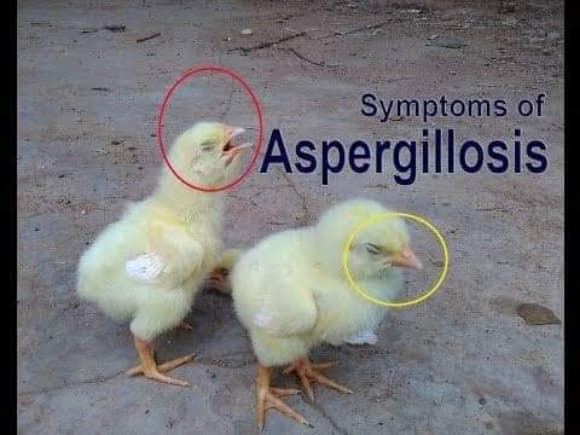
You might see the bird open its mouth to breathe or stretch its neck. These signs mean the lungs are not working well.
Nasal Discharge
Clear or thick mucus from the bird’s nostrils can happen during infection. This discharge may block the nasal passages.
The bird might wipe its beak often or shake its head. This shows irritation caused by the fungal infection.
Coughing And Sneezing
Coughing and sneezing are common in birds with aspergillosis. These actions help clear the airways but also show irritation.
Frequent coughing or sneezing may mean the fungus is affecting the bird’s respiratory tract deeply.
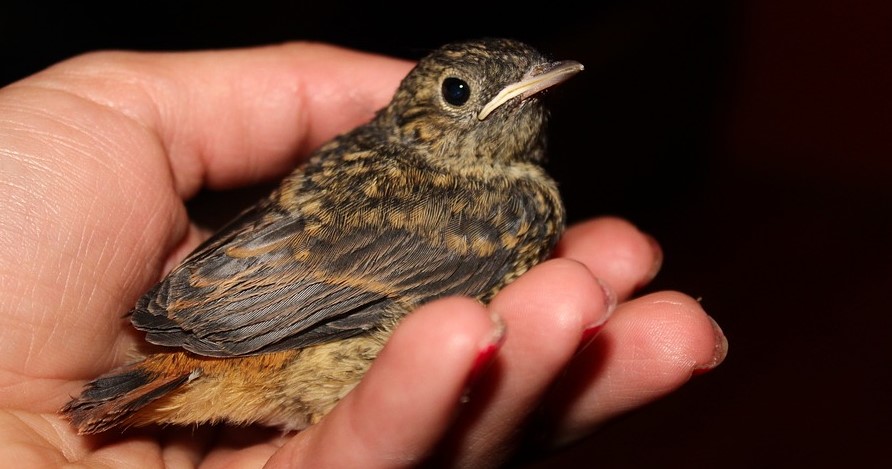
Credit: avianvets.org
Behavioral Changes
Aspergillosis can cause several behavioral changes in birds. These changes are often signs that the bird is unwell. Watching for these signs helps catch the disease early.
Common behavioral symptoms include lethargy, loss of appetite, and decreased vocalization. Each symptom shows how the infection affects the bird’s daily activities.
Lethargy And Weakness
Birds with aspergillosis often appear very tired and weak. They may sit quietly for long periods and move less than usual. Their energy level drops, making them less active.
- Reduced flying or hopping
- More resting than usual
- Slow response to sounds or movements
- Drooping wings or tail
Loss Of Appetite
A bird with aspergillosis may stop eating or eat much less. This can lead to weight loss and weakness. Loss of appetite happens because the infection affects the bird’s breathing and energy.
| Behavior | Possible Signs |
| Eating Habits | Less food intake or no interest in food |
| Weight | Noticeable weight loss |
| Energy | Reduced activity due to low nutrition |
Decreased Vocalization
Birds usually make sounds to communicate or show excitement. When sick with aspergillosis, they may call less or stop singing. This change is a sign of discomfort or illness.
Signs of decreased vocalization include:
- Less frequent calls
- Softer or weaker sounds
- Silent behavior even when normally vocal
Physical Signs
Aspergillosis affects birds in many ways. It often shows through physical signs. Watching these signs helps detect the illness early.
Birds with aspergillosis may look weak or sick. Noticing changes in their body and behavior is important for care.
Weight Loss
Birds with aspergillosis often lose weight quickly. They may eat less or stop eating. This loss weakens them over time.
Look for these signs of weight loss:
- Noticeable thinning of the body
- Prominent breastbone due to fat loss
- Less energy and activity
- Loose or drooping posture
Swollen Air Sacs
Swollen air sacs cause breathing problems. Birds may breathe with difficulty or make noises. Swelling can be visible under the skin.
| Symptom | Description |
| Swelling | Visible puffiness near the neck or chest |
| Breathing | Rapid or labored breaths |
| Noises | Wheezing or clicking sounds |
| Behavior | Restlessness or open-mouth breathing |
Changes In Feather Condition
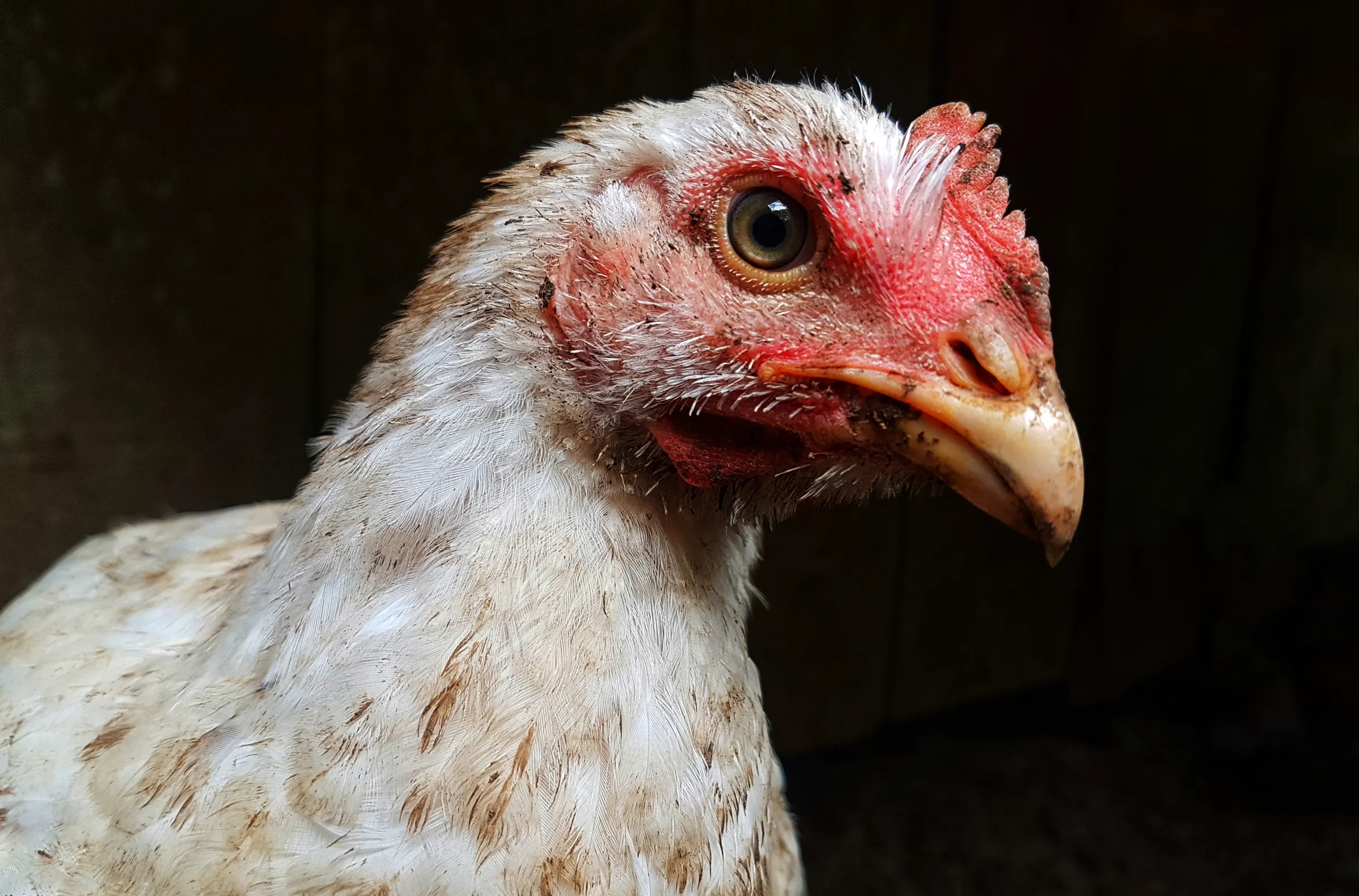
Feathers may change in color or texture. Birds might have dull, brittle, or missing feathers. Poor feather condition shows the bird’s health is weak.
- Dull or faded feather colors
- Brittle or broken feathers
- Feather loss or bald patches
- Less preening and grooming
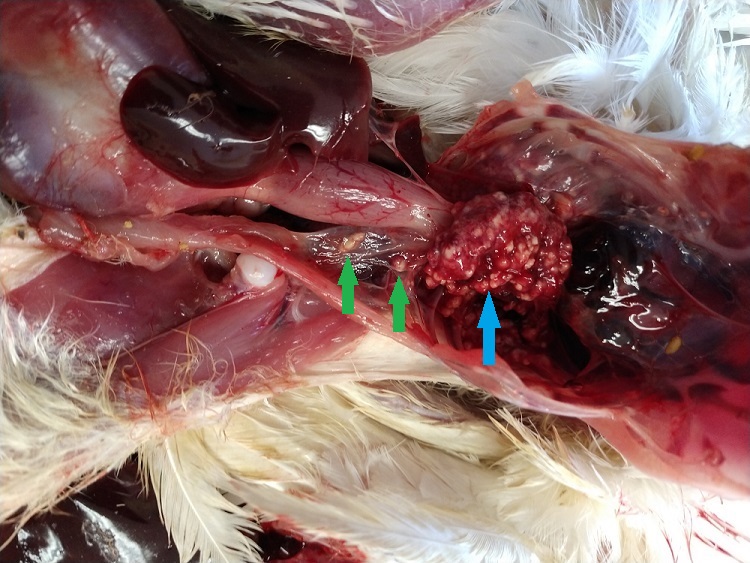
Credit: www.merckvetmanual.com
Advanced Symptoms
Aspergillosis in birds can worsen over time. Birds may show serious signs that affect their health deeply. Recognizing these advanced symptoms helps in seeking care early.
These advanced symptoms often affect different parts of the body. They can include nervous system problems, eye damage, or sudden death.
Neurological Issues
Advanced aspergillosis can cause problems in the bird’s brain and nerves. Birds may lose balance or have trouble moving. They might also tilt their head or show seizures.
- Loss of coordination
- Head tilting
- Tremors or seizures
- Weakness or paralysis
- Circling or unusual movements
Eye Problems
Eye damage is a serious sign of aspergillosis. Birds may squint or keep their eyes closed. You might see swelling or redness around the eyes.
| Symptom | Description |
| Swollen eyes | Inflammation causing puffiness |
| Redness | Blood vessels become visible |
| Discharge | Watery or thick fluid from eyes |
| Blindness | Loss of vision in one or both eyes |
Sudden Death
In severe cases, aspergillosis can cause sudden death. Birds may appear fine one moment and then collapse. This happens because the infection affects vital organs quickly.
Warning signs before sudden death may include:
- Rapid breathing
- Extreme weakness
- Loss of appetite
- Open-mouth breathing
- Unusual quietness or hiding
Risk Factors And Triggers
Aspergillosis is a lung infection in birds caused by fungi. Certain conditions make birds more likely to get this illness.
Understanding these risk factors helps keep birds safe and healthy.
Environmental Stressors
Stress weakens a bird’s immune system. Birds under stress cannot fight infections well.
Common stressors include loud noises, sudden changes, and overcrowded cages. These factors increase the chance of aspergillosis.
- Loud sounds and vibrations
- Frequent handling or moving
- Too many birds in one space
- Sudden temperature changes
Poor Ventilation
Stale air and high humidity help fungus grow. Poor ventilation traps spores and dust inside bird areas.
Birds breathe in these spores, which can cause infection. Proper airflow lowers the risk of illness.
- Closed rooms without fresh air
- High moisture levels
- Dust and mold buildup
- Lack of windows or vents
Contaminated Food And Water
Moldy or dirty food and water contain harmful fungi. Birds eating or drinking these can get sick easily.
Regularly cleaning feeding areas and storing food properly reduces fungus growth and infection chances.
- Old or damp birdseed
- Unwashed food dishes
- Water left standing too long
- Dirty feeders and waterers
When To Seek Veterinary Help
Aspergillosis is a serious fungal infection in birds. It affects their respiratory system. Knowing when to get help can save your bird’s life.
Watch for signs like breathing trouble or loss of appetite. Quick action helps your bird recover faster.
Early Diagnosis Importance
Early diagnosis helps stop the disease before it gets worse. Birds can recover better if treatment starts soon.
Delays can cause severe lung damage and make treatment harder. Watch for early symptoms like coughing or sneezing.
Diagnostic Tests
Your vet may use several tests to confirm aspergillosis. These tests find the fungus and check lung health.
- Physical exam to check breathing and eyes
- Blood tests to look for infection signs
- X-rays to see lung damage
- Fungal culture or biopsy for fungus detection
Treatment Options
Treatment depends on how bad the infection is. Your vet will give medicine to kill the fungus.
Supportive care like oxygen or fluids may be needed. Follow the vet’s instructions carefully for best results.
- Antifungal drugs to fight the fungus
- Oxygen therapy for breathing support
- Fluids to keep the bird hydrated
- Improving cage cleanliness to prevent reinfection
Frequently Asked Questions
What Are Common Symptoms Of Aspergillosis In Birds?
Birds with aspergillosis often show breathing difficulties, lethargy, and loss of appetite. They may also cough, sneeze, or have nasal discharge.
How Does Aspergillosis Affect A Bird’s Respiratory System?
Aspergillosis causes fungal infection in the lungs and air sacs, leading to inflammation and impaired breathing.
Can Aspergillosis Cause Weight Loss In Birds?
Yes, aspergillosis can cause weight loss due to reduced appetite and difficulty breathing, which lowers energy levels.
Is Aspergillosis Contagious Between Birds?
Aspergillosis is not directly contagious but spreads through inhaling fungal spores in contaminated environments.
Conclusion
Recognizing aspergillosis symptoms in birds is crucial for their health. Early detection can save lives. Watch for signs like breathing problems, weight loss, or lethargy. Quick action helps prevent severe outcomes. Consult a vet if symptoms appear. Regular check-ups ensure your bird stays healthy.
Understanding these signs aids early intervention. Keep their environment clean and stress-free. Proper care reduces infection risks. Being informed supports your bird’s well-being. Your feathered friend’s health is in your hands. Stay vigilant, stay informed. Happy bird-keeping ensures happy, healthy birds.