Have you ever noticed your bird acting differently on a hot day? Heat stress can sneak up on your feathered friend faster than you think.
If you don’t spot the signs early, it could lead to serious health problems for your bird. Knowing the symptoms of heat stress is key to keeping your pet safe and comfortable. You’ll learn exactly what to watch for and how to protect your bird when the temperature rises.
Keep reading—your bird’s well-being depends on it.

Credit: cluckitallfarms.com
Common Signs Of Heat Stress
Birds can suffer from heat stress during hot weather. It is important to spot the signs early.
Recognizing symptoms helps to protect birds from serious harm. Watch for changes in their behavior and appearance.
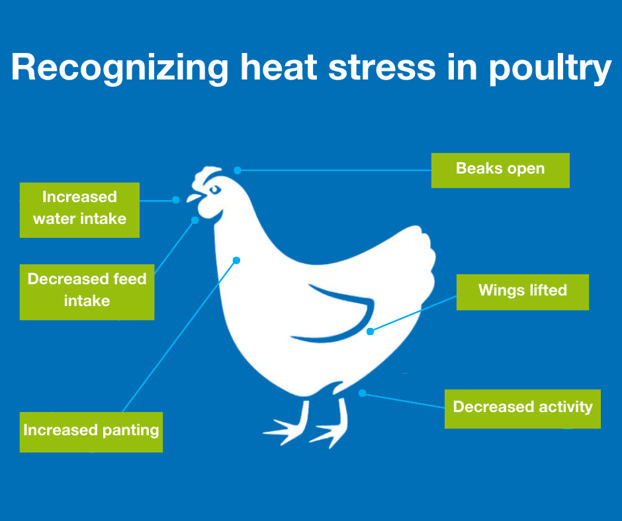
Rapid Breathing And Panting
Birds breathe faster and pant when they are too hot. This helps them cool down by releasing heat.
You may see their mouths open and necks stretched while breathing quickly.
Excessive Thirst
Birds drink more water to stay cool. They often visit water sources frequently during heat stress.
- Look for birds drinking often
- Check if water containers are empty quickly
- Notice if birds dip their heads in water
Lethargy And Weakness
Heat-stressed birds may move less and rest more. They seem tired and weak.
They might avoid activity and stay in shaded or cool places.
Fluffed Feathers
Birds fluff up their feathers to release trapped heat. This makes them look puffed or ruffled.
| Feather Condition | Reason |
|---|---|
| Fluffed feathers | Helps cool the body |
| Flat feathers | Keeps warmth in cold weather |
Drooping Wings
Drooping wings show the bird is tired or overheated. Wings hang loosely at the sides.
This sign means the bird needs immediate cooling and rest.
Behavioral Changes To Watch
Heat stress affects birds in many ways. Watching their behavior helps spot problems early.
Birds show signs of heat stress through changes in how they act. These signs can save their lives.
Reduced Activity
Birds may move less when they feel too hot. They often sit quietly and avoid flying or walking.
Less movement helps birds save energy and lower their body heat. This is an important sign to watch.
Loss Of Appetite
Birds under heat stress often eat less food. This can cause weakness if not noticed quickly.
- Refuse food more than usual
- Peck at food but not eat much
- Drink more water instead of eating
Increased Irritability
Heat stress makes birds more restless and quick to react. They may flap wings or squawk loudly.
| Behavior | What It Means |
|---|---|
| Wing Flapping | Trying to cool down |
| Loud Squawking | Stress or discomfort |
| Pecking at Others | Increased irritability |
Physical Symptoms
Heat stress in birds shows through many physical signs. These signs help identify when birds are too hot.
Recognizing these symptoms early can protect birds from serious health issues caused by heat.
Discoloration Of Comb And Wattles
The comb and wattles may change color during heat stress. They often turn pale or dark instead of bright red.
This color change happens because blood flow shifts to cool the bird down. It is a clear sign of overheating.
- Pale comb and wattles show poor circulation
- Dark or bluish color signals oxygen loss
- Loss of normal bright red color is a warning
Swollen Body Parts
Birds with heat stress may have swollen parts like eyes, feet, or legs. Swelling occurs from fluid buildup.
Swollen areas feel warm and may look shiny or stretched. This shows the bird is struggling to stay cool.
- Swollen eyes can affect vision
- Swollen feet or legs make walking hard
- Swelling means the bird needs cooling
Dry Or Hot Skin
Heat-stressed birds often have dry or hot skin. This happens when their body loses moisture and coolness.
Skin feels hotter than normal and may look flaky or cracked. This can cause discomfort and health risks.
- Hot skin shows poor heat regulation
- Dry skin means dehydration risk
- Check skin temperature to spot heat stress
Credit: www.deheus.co.in
Severe Heat Stress Indicators
Birds can suffer serious problems from extreme heat. Severe heat stress can cause life-threatening signs. Knowing these signs helps you act fast to protect them.
This guide explains three severe heat stress indicators in birds. Learn what to watch for and why these signs matter.
Collapse Or Unconsciousness
Birds may suddenly collapse if heat stress is very bad. They can lose consciousness and fall to the ground. This is a critical emergency.
Collapse means the bird’s body cannot handle the heat anymore. Immediate cooling and veterinary help are needed to save the bird.
Seizures
Seizures happen when the bird’s brain is affected by heat. They may shake uncontrollably or have stiff movements. Seizures show severe brain distress.
Seizures require urgent care. If a bird has a seizure, lower its temperature carefully and call a vet immediately.
Labored Breathing
Birds under heat stress often breathe hard. Labored breathing means they use extra effort to get air. This can cause exhaustion and low oxygen.
Watch for open-mouth breathing, rapid breaths, or gasping. These signs mean the bird needs help cooling down right away.
Preventive Measures
Heat stress in birds can cause serious health problems. Taking steps to keep birds cool helps keep them safe and healthy.
Simple actions can reduce heat stress and improve birds’ comfort during hot weather.
Providing Shade And Ventilation
Shade protects birds from direct sunlight. Good airflow lowers the temperature inside coops or pens.
- Place trees or build shelters for natural shade.
- Use mesh or open walls to increase air movement.
- Keep bedding dry to avoid heat retention.
- Use fans or vents if possible for better ventilation.
Access To Clean Water
Birds need fresh water to stay hydrated and cool. Warm water can make heat stress worse.
| Water Tips | Details |
| Change Water | At least twice a day to keep it fresh |
| Use Shallow Bowls | Easy for birds to drink and cool down |
| Keep Water Cool | Place containers in shade or use cool water |
| Check Often | Make sure water is always available |
Avoiding Peak Heat Hours
Birds get hotter when the sun is strongest. Avoid handling or moving birds during these times.
- Limit outdoor activities to early morning or late evening.
- Feed birds during cooler hours to encourage eating.
- Keep birds calm and quiet to reduce stress.
- Monitor birds closely for signs of heat stress in hot hours.

Credit: cluckitallfarms.com
When To Seek Veterinary Help
Heat stress in birds can cause serious health problems. Knowing when to get veterinary help is important to save your bird’s life.
Watch your bird closely for signs that the heat stress is not getting better. Early care can prevent severe damage.
Persistent Symptoms
If your bird shows symptoms of heat stress for more than a few hours, contact a vet. Signs that last or worsen need medical attention.
- Heavy breathing or panting that does not improve
- Fluffed-up feathers and weakness
- Refusal to eat or drink
- Drooping wings or lethargy
Rapid Deterioration
Call a vet immediately if your bird’s condition gets worse quickly. This can mean the bird is in serious danger.
| Signs of Rapid Deterioration | What to Do |
| Sudden collapse or inability to stand | Seek emergency veterinary care |
| Gasping for air or blue-tinged skin | Get urgent medical help |
| Seizures or muscle twitching | Take to a vet immediately |
Unresponsiveness
A bird that does not respond to touch or sound needs urgent help. This is a critical sign of severe heat stress.
Unresponsiveness signs include:
- No blinking or eye movement
- No reaction to loud noises
- No response to gentle handling
Call your vet right away if you see these signs.
Frequently Asked Questions
What Are Common Signs Of Heat Stress In Birds?
Common signs include panting, wing spreading, lethargy, and droopy posture. Birds may also show rapid breathing and excessive thirst.
How Does Heat Stress Affect Bird Behavior?
Heat stress causes birds to become less active and restless. They may avoid movement and seek shade to cool down quickly.
Can Heat Stress Cause Health Problems In Birds?
Yes, heat stress can lead to dehydration, heat stroke, and organ damage. Immediate care is essential to prevent serious health issues.
How Can I Prevent Heat Stress In My Birds?
Provide ample water, shade, and ventilation. Avoid overcrowding and limit outdoor exposure during peak heat hours for bird safety.
Conclusion
Birds can suffer greatly from heat stress. Recognizing symptoms is crucial. Look for signs like panting and wings spread. Birds may become lethargic or weak. Prompt action can save lives. Provide shade and fresh water. Cool them down gently. Watch them closely in hot weather.
Prevention is key to bird health. Keep them safe from extreme heat. Ensure they stay comfortable and healthy. Simple steps can make a big difference. Stay alert and proactive. Your birds depend on it.