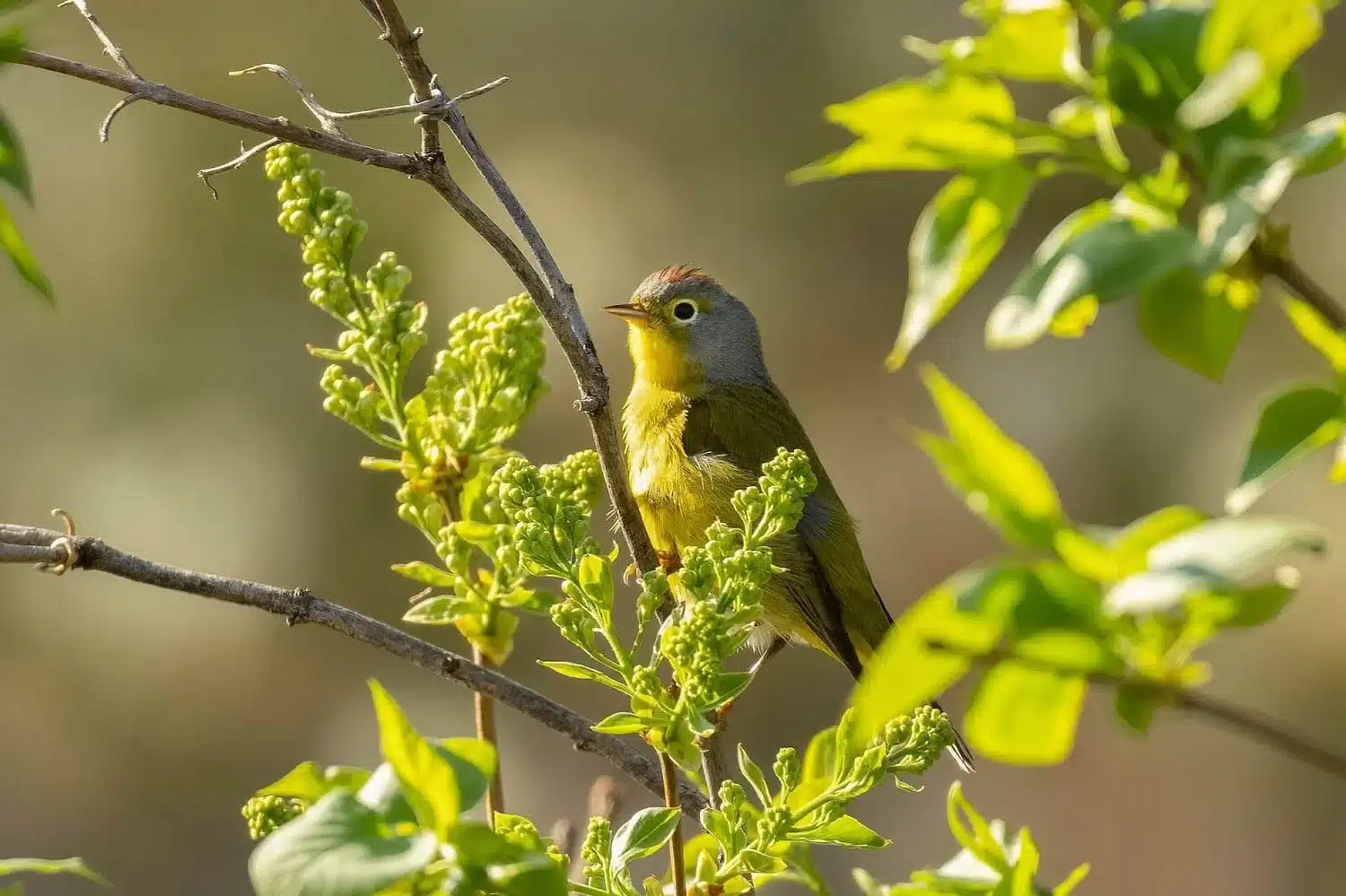
If you love watching colorful birds flutter around your garden, choosing the right trees can make all the difference. Imagine stepping outside to hear cheerful bird songs and see vibrant feathers right in your own backyard.
You don’t need a huge space or special equipment—just the right trees that naturally attract birds. You’ll discover which trees invite your feathered friends to stay longer, making your outdoor space lively and full of life. Ready to turn your garden into a bird paradise?
Let’s dive in!
Why Trees Matter For Birds
Trees play a key role in the lives of birds. They provide food, shelter, and places to raise young birds.
Birds depend on trees to survive and thrive. Different trees offer different benefits to many bird species.
Food Sources In Trees
Trees offer many kinds of food for birds. Fruits, seeds, nuts, and insects live in or on trees.
Birds eat these foods to get energy and nutrients. Some birds specialize in certain tree foods.
- Fruits like berries attract fruit-eating birds
- Seeds from cones and pods feed seed-eating birds
- Insects hiding in bark provide protein
- Nectar from flowers attracts hummingbirds and others
Shelter And Nesting Sites
Trees give birds safe places to rest and hide from predators. Dense leaves and branches offer good cover.
Many birds build nests in tree branches or cavities. Trees protect eggs and baby birds from harm.
- Branches hold nests made of twigs and leaves
- Tree holes serve as homes for cavity-nesting birds
- Thick foliage hides birds from predators and weather
- Bark and moss provide materials for nest building
Seasonal Benefits For Birds
Trees change with the seasons and so do their benefits for birds. They help birds find food and shelter year-round.
In spring and summer, trees offer food and nesting spots. In fall and winter, they provide shelter and leftover seeds.
- Spring: Blossoms attract insects for birds to eat
- Summer: Leaves and fruits feed many bird species
- Fall: Seeds and nuts become food sources
- Winter: Evergreen trees offer shelter from cold and wind

Credit: www.aol.com
Fruit-bearing Trees
Fruit-bearing trees are great for attracting birds to your garden. Birds love the fresh fruit these trees provide.
Planting these trees helps feed birds naturally. You also get to enjoy beautiful flowers and tasty fruit.
Serviceberry
Serviceberry trees produce small berries that birds enjoy. The berries change from green to red and then dark purple.
Many bird species eat these berries, especially in spring and summer. The tree also has pretty white flowers early in the year.
- Attracts robins, cedar waxwings, and thrushes
- Berries ripen in late spring to early summer
- Can grow in many soil types
Mulberry
Mulberry trees produce sweet, dark fruit that birds love. The fruits are soft and easy for birds to eat.
These trees grow quickly and provide lots of shade. Birds often visit mulberry trees in spring and early summer.
- Favored by orioles, finches, and mockingbirds
- Fruit appears from late spring to summer
- Good for large yards and parks
Cherry Trees
Cherry trees offer bright red fruit that many birds eat. The fruit is juicy and sweet when ripe.
These trees bloom with beautiful flowers in spring. Birds come to eat the cherries and enjoy the shelter.
- Attracts woodpeckers, robins, and blue jays
- Fruit ripens in late spring or early summer
- Works well in medium to large gardens
Nut-producing Trees
Nut-producing trees offer food and shelter to many bird species. Birds are drawn to the nuts as a rich source of energy. These trees also help create a lively garden or forest habitat.
Many types of nut trees attract different birds depending on the nut size and tree structure. Oak, hickory, and walnut trees are popular choices for bird watchers and nature lovers alike.
Oak
Oak trees produce acorns that many birds enjoy. Jays and woodpeckers often collect acorns for food. Oaks also support insects that birds feed on during warmer months.
Hickory
Hickory trees grow hard nuts with thick shells. Birds like nuthatches and chickadees use their strong beaks to crack the nuts open. The nuts provide a good fat source for birds in winter.
- Shagbark hickory nuts are favored by many birds.
- Birds store nuts for later use.
- Hickory trees offer dense branches for nesting.
Walnut
Walnut trees produce large nuts that birds like crows and jays eat. The thick shells protect the nuts until the birds break them open. Walnut trees also provide shade and cover for birds.
| Tree | Nut Type | Birds Attracted |
| Oak | Acorns | Jays, Woodpeckers |
| Hickory | Hard Nuts | Nuthatches, Chickadees |
| Walnut | Large Nuts | Crows, Jays |
Flowering Trees For Nectar
Flowering trees provide nectar that attracts many birds. Birds visit these trees to drink nectar and find insects.
Planting nectar-rich trees helps support local bird populations. These trees also add beauty to your garden.
Redbud
The redbud tree blooms with bright pink or purple flowers. Its nectar attracts hummingbirds and other small birds.
Redbuds bloom early in spring, giving birds a first source of nectar. The tree also provides shelter and seeds.
Tulip Tree
The tulip tree has large, tulip-shaped flowers. These flowers offer nectar that birds find very attractive.
Many birds visit the tulip tree in late spring and early summer. The tree also grows tall, giving birds good perches.
Crabapple
Crabapple trees bloom with white, pink, or red flowers. Their nectar is a favorite for many bird species.
After flowering, crabapples produce small fruits. Birds eat these fruits and help spread the seeds.
Evergreens For Year-round Shelter
Evergreens provide shelter for birds all year. Their thick leaves protect birds from cold and wind. Birds find food and nesting spots in these trees.
Many types of evergreen trees attract birds. They offer cover and safe places to rest. Let’s explore three popular evergreens that help birds thrive.
Pine
Pine trees have long needles and cones. Birds use pines for shelter and food. Pine seeds inside cones feed many birds in winter.
- Provides dense cover to hide from predators
- Seeds are a food source for finches and crossbills
- Branches offer good nesting sites
- Stays green through snowy months
Spruce
Spruce trees have sharp needles and hanging cones. Birds like chickadees and nuthatches visit spruces. The thick branches protect birds from rain and snow.
| Bird Species | Why They Like Spruce |
| Chickadees | Use dense branches for nesting and shelter |
| Nuthatches | Feed on insects found in spruce bark |
| Crossbills | Eat seeds from spruce cones |
Cedar
Cedar trees have scale-like leaves and thick foliage. Birds enjoy cedar trees for their cover and food. Cedar berries attract robins and waxwings.
Benefits of Cedar for Birds:
- Dense foliage offers shelter from wind
- Berries provide food in late fall and winter
- Branches support nests well hidden from view
Credit: blog.davey.com
Trees That Support Insects
Trees play a key role in feeding many insects. These insects attract birds that eat them.
Choosing the right trees helps create a healthy environment for insects and birds alike.
Willow
Willows support many insect species. Their leaves and bark provide food and shelter.
- Willow caterpillars feed on the leaves.
- Beetles and aphids eat the bark and sap.
- Willows attract many pollinators like bees and butterflies.
Birch
Birch trees host a wide variety of insects. These insects support birds during nesting season.
| Insect Type | Role |
| Birch leaf miner | Feeds on birch leaves |
| Birch aphids | Provide food for small birds |
| Various moth caterpillars | Important bird food source |
Maple
Maples attract many insects that birds feed on. The trees’ flowers and leaves are food sources.
Common insects found on maples include:
- Maple leaf cutter bees
- Scale insects that produce honeydew
- Maple spanworm caterpillars
Planting Tips To Attract Birds
Planting trees that attract birds can bring more life to your garden. Birds find food, shelter, and nesting places in the right trees.
Choosing the right trees and placing them well helps create a safe and welcoming space for birds.
Choosing Native Species
Native trees grow well in your area and provide natural food for birds. Birds are used to these trees and find their favorite fruits, seeds, and insects there.
Planting native species supports local wildlife and helps keep the environment healthy.
- Look for trees that produce berries or nuts
- Choose trees that flower to attract insects birds eat
- Pick species that grow well in your soil and climate
- Avoid invasive or non-native trees that may harm local plants
Tree Placement Strategies
Place trees in spots where birds feel safe and comfortable. Grouping trees helps birds hide from predators and find food easily.
Plant trees near water sources or natural cover to attract more bird species.
- Plant trees in clusters for shelter and safety
- Space trees to allow flight paths and easy movement
- Put trees near shrubs or bushes for extra cover
- Avoid placing trees too close to busy roads or noisy areas
Maintaining A Bird-friendly Habitat
Keep the area healthy by watering young trees and avoiding chemicals. Healthy trees provide better food and shelter for birds.
Leave fallen leaves and dead wood as they support insects and nesting materials for birds.
- Water trees regularly, especially in dry seasons
- Do not use pesticides or herbicides near bird trees
- Allow natural ground cover for insects and seeds
- Prune trees carefully to keep them healthy and safe

Credit: www.birdsandblooms.com
Frequently Asked Questions
What Types Of Trees Attract The Most Birds?
Native fruiting and flowering trees attract the most birds. Examples include oak, dogwood, and serviceberry. These trees provide food and shelter, making them ideal for birdwatching.
How Do Trees Attract Different Bird Species?
Trees offer food, nesting sites, and protection. Different species prefer various trees based on their diet and habitat needs. Flowering trees attract hummingbirds, while nut-bearing trees attract woodpeckers.
Can Planting Trees Increase Backyard Bird Populations?
Yes, planting diverse native trees creates a bird-friendly environment. It provides essential resources like food and nesting spots. This encourages more birds to visit and stay.
What Tree Features Are Best For Attracting Birds?
Fruit, nectar, seeds, and dense foliage attract birds. Trees with berries or nuts are especially popular. Dense branches offer safe nesting and shelter from predators.
Conclusion
Choosing the right trees transforms your garden into a bird haven. Birds bring beauty, music, and balance to your outdoor space. Native trees often attract more birds because they provide familiar food and shelter. Consider fruit-bearing trees like dogwoods and mulberries.
They offer nourishment and attract diverse bird species. Evergreens like pines and spruces provide shelter year-round. Your garden becomes lively and vibrant with the right trees. Observe nature up close and enjoy the delightful presence of birds. A simple step towards a more harmonious and engaging backyard.
Happy birdwatching!