

If you want to bring more birds to your garden, tube feeders are one of the best tools you can use. Imagine watching colorful birds gather just outside your window, filling your space with life and movement.
But not all feeders are the same. Choosing the right tube feeder can make a huge difference in attracting the types of birds you love. You’ll discover simple tips and secrets to pick the perfect tube feeder that keeps birds coming back again and again.
Ready to turn your yard into a lively bird haven? Let’s dive in!
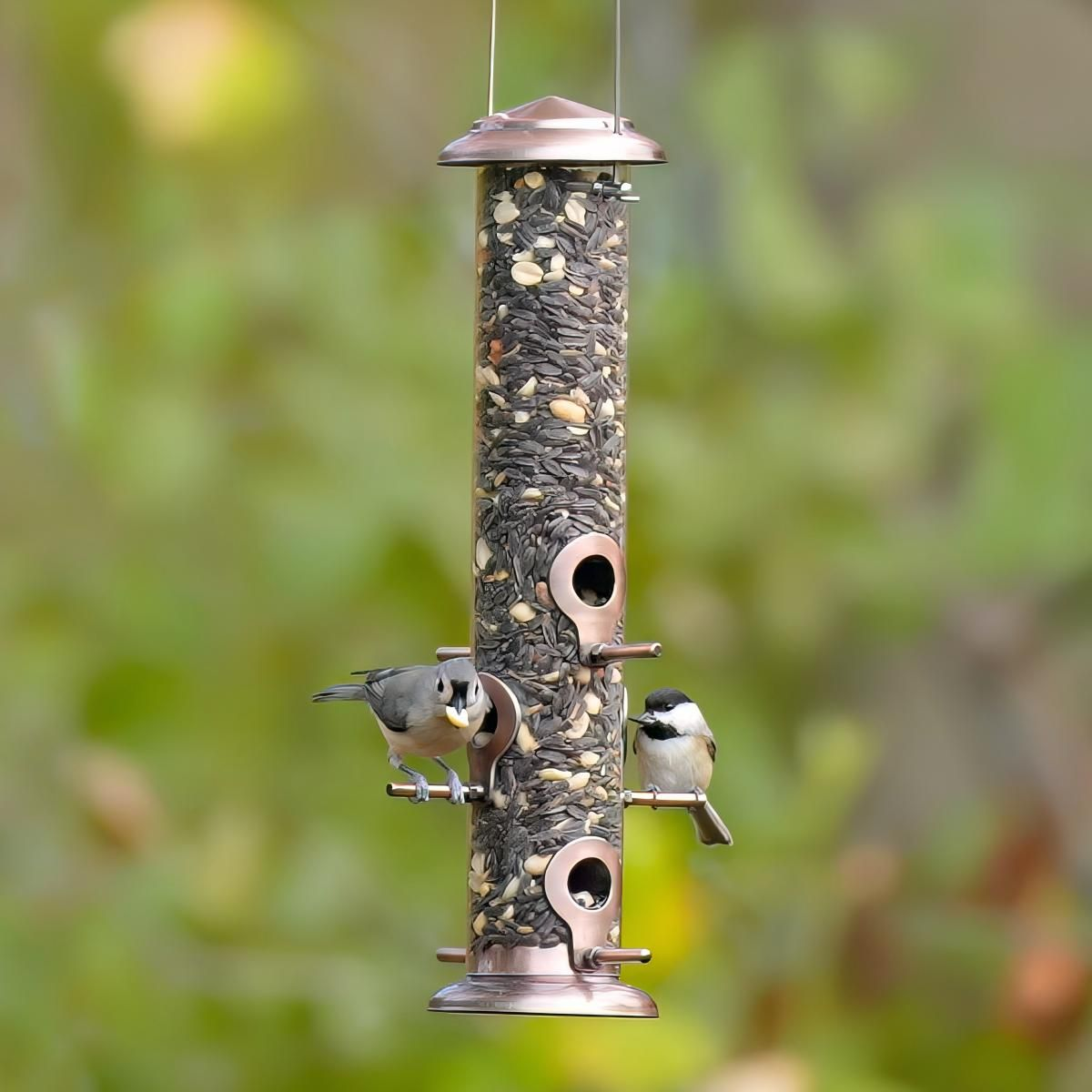
Credit: www.kingsyard.com
Choosing The Right Tube Feeder
Tube feeders are great for attracting many types of birds. Picking the right one helps keep birds safe and happy.
Consider the feeder’s material, size, and how easy it is to install. These factors make a big difference.
Materials And Durability
Tube feeders come in many materials like plastic, metal, and wood. Metal feeders last longer and resist weather well.
- Plastic feeders are lightweight but may crack in cold weather.
- Metal feeders are strong and chew-proof.
- Wood feeders blend with nature but need more care.
- Look for rust-resistant coatings on metal feeders.
Size And Capacity
| Size | Best For | Notes |
| Small (under 12 inches) | Small bird groups | Easier to clean |
| Medium (12-18 inches) | Moderate bird visits | Good balance of seed and space |
| Large (over 18 inches) | Large flocks | Needs frequent refilling |
Choose a size that fits your space and how many birds visit. Bigger feeders hold more seed but need more care.
Portability And Installation
Think about where to place the feeder. It should be easy to reach for refilling and cleaning.
- Look for feeders with hooks or loops for hanging.
- Some models come with poles for ground placement.
- Portable feeders allow you to move them to safe spots.
- Easy installation means less hassle for you.
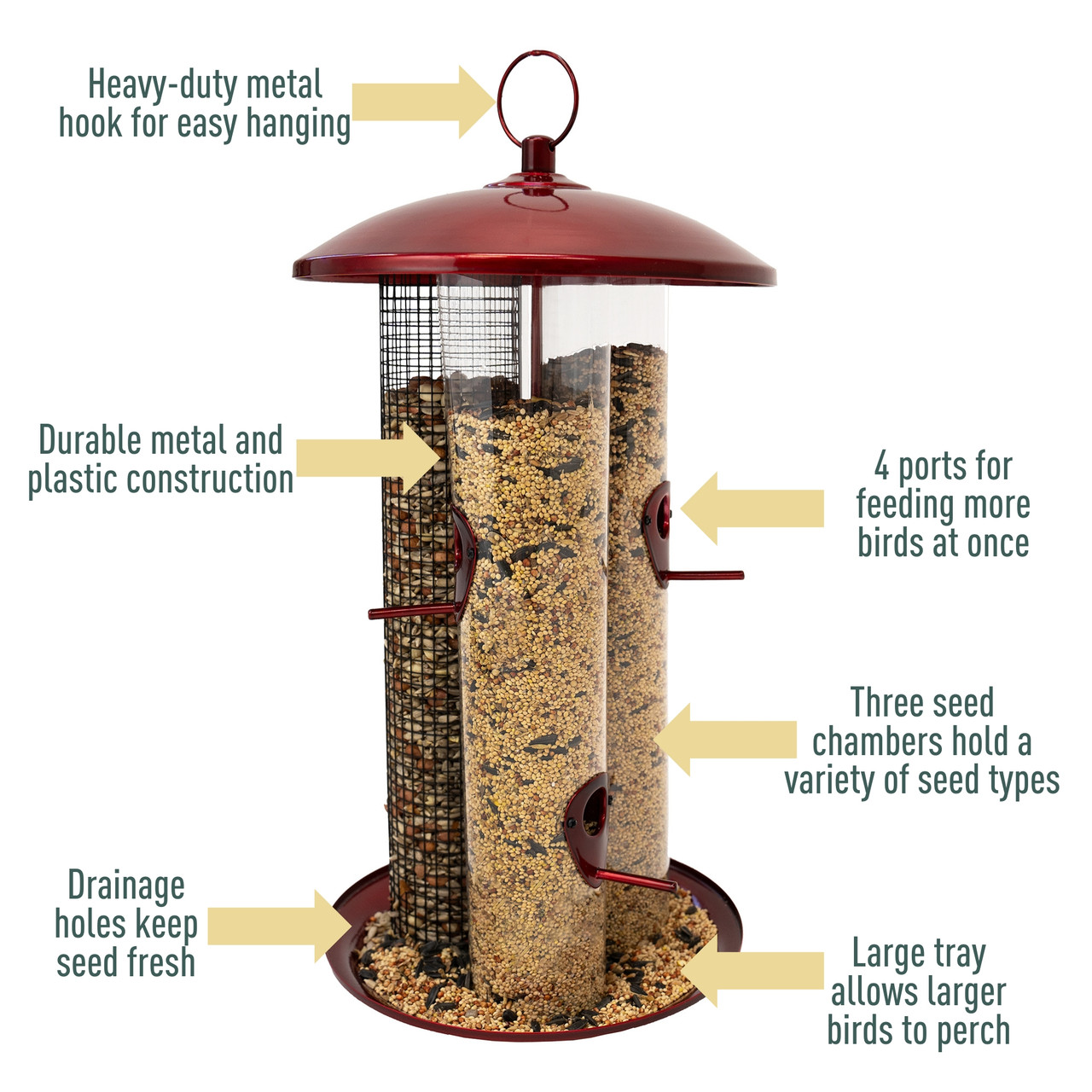
Credit: northstatesind.com
Selecting Seeds For Vibrant Birdlife
Choosing the right seeds helps attract many colorful birds. Different seeds bring different bird species to your feeder.
Using good seed choices keeps birds healthy and active around your home. It also supports their natural diet.
Popular Seeds For Tube Feeders
Sunflower seeds are a favorite for many birds. Black oil sunflower seeds have thin shells that are easy to open.
- Nyjer (thistle) seeds attract finches and siskins.
- Millet is good for ground-feeding birds like sparrows.
- Peanuts offer high energy for larger birds.
- Safflower seeds are liked by cardinals and grosbeaks.
Seasonal Seed Choices
| Season | Best Seeds |
| Spring | Sunflower, Millet |
| Summer | Nyjer, Safflower |
| Fall | Peanuts, Sunflower |
| Winter | High-fat seeds like Sunflower and Peanuts |
Seeds with more fat help birds keep warm in cold weather. Seeds with less fat suit mild seasons better.
Avoiding Common Seed Mistakes
Do not use old or moldy seeds. They can harm birds.
Avoid seeds with fillers like red millet or oats. Birds often ignore them.
Keep seeds dry to prevent mold growth in feeders.
Placement Tips For Maximum Attraction
Tube feeders attract many types of birds if placed well. Proper placement helps birds find food easily and feel safe.
Choosing the right spot in your yard can increase visits from colorful and diverse birds. Let’s explore tips for the best placement.
Ideal Locations In Your Yard
Pick a quiet area with some natural shelter like trees or shrubs. Birds like places where they can hide from wind and stay alert to danger.
- Near shrubs or small trees for cover
- Close to windows for easy viewing but safe distance to avoid collisions
- Open spaces where birds have a clear view of predators
- Away from heavy foot traffic or noisy areas
Height And Safety Considerations
Place tube feeders at a height between 5 to 6 feet. This height helps birds feel safe and keeps the feeder out of reach of most pets.
| Height | Reason |
| 3-4 feet | Easy for cats to reach |
| 5-6 feet | Safe for most birds and out of reach of pets |
| Above 7 feet | Harder for birds to access and refill |
Avoiding Predators And Disturbances
Keep feeders away from places where cats or squirrels can jump on them. Avoid areas with loud noises or frequent human activity.
- Use baffles on poles to stop squirrels and cats
- Place feeders at least 10 feet from jumping points like fences or roofs
- Keep feeders away from busy walkways and playgrounds
- Trim branches near feeders to reduce hiding spots for predators
Maintaining Your Tube Feeder
Keeping your tube feeder clean and in good shape helps attract more birds. Proper care ensures birds stay healthy and enjoy the food.
Regular maintenance prevents mold, spoilage, and damage. This guide covers cleaning, preventing problems, and fixing parts.
Cleaning Frequency And Methods
Clean your tube feeder every two weeks. If the weather is wet or humid, clean it weekly. Use warm water and mild soap for washing.
- Disassemble the feeder carefully.
- Soak parts in soapy water for 10 minutes.
- Use a bottle brush to scrub inside tubes.
- Rinse all parts with clean water.
- Let everything dry completely before refilling.
Preventing Mold And Spoilage
Mold grows in damp or dirty feeders. Spoiled seed can harm birds. Keep seeds dry and check feeders often.
| Cause | Prevention |
| Wet Seeds | Use a feeder with good drainage |
| Old Seed | Replace seed every 1-2 weeks |
| Dirty Feeder | Clean feeder regularly |
| Humidity | Keep feeder in shaded, dry area |
Repairing And Replacing Parts
Check feeders for cracks, leaks, or broken perches. Replace damaged parts to keep birds safe and comfortable.
Common repairs include:
- Sealing cracks with bird-safe glue
- Replacing worn perches
- Fixing or changing clogged feeding ports
- Swapping out faded or brittle plastic tubes
Encouraging Diverse Bird Species
Tube feeders can attract many types of birds to your yard. They offer easy access to seeds and protect food from the weather.
Using different seeds and feeder styles helps bring a variety of bird species. This creates a lively and colorful bird community.
Attracting Songbirds And Finches
Songbirds and finches love tube feeders with small seed ports. These feeders hold black oil sunflower seeds and nyjer seeds.
Place feeders in quiet spots near trees or shrubs. This gives birds places to perch and feel safe while feeding.
- Use nyjer seeds to attract finches
- Black oil sunflower seeds attract many songbirds
- Keep feeders clean to prevent disease
- Change seed types seasonally for variety
Welcoming Hummingbirds And Orioles
Hummingbirds and orioles need special feeders filled with nectar or fruit jelly. Tube feeders with nectar cups work well.
Place these feeders where the birds can see flowers and trees. Bright colors like red and orange attract these birds.
- Use fresh sugar water for hummingbirds
- Offer orange slices or jelly for orioles
- Clean feeders every few days
- Hang feeders in sunny, sheltered spots
Creating A Bird-friendly Habitat
Good habitats make birds feel safe and welcome. Plant native bushes and trees near feeders for shelter and nesting.
Provide fresh water sources like birdbaths. Avoid using pesticides to keep birds healthy in your yard.
- Grow native plants that produce seeds and berries
- Add shrubs for cover and nesting
- Keep water clean and fresh
- Use feeders that protect seeds from rain

Credit: www.amazon.com
Troubleshooting Common Issues
Tube feeders attract many birds, but some problems can stop them. Common issues include pests, seed waste, and weather effects. Fixing these helps keep birds visiting your feeder.
Read on to learn simple ways to solve these problems and enjoy watching birds safely and happily.
Dealing With Squirrels And Pests
Squirrels and other pests often try to eat the bird seed. They can scare birds away and waste seed. Use these tips to keep pests away from your tube feeder.
- Install a squirrel baffle below the feeder to block climbing.
- Use feeders with weight-sensitive perches that close for heavy animals.
- Place the feeder away from trees or poles that squirrels can jump from.
- Try spicy bird seed mixes safe for birds but unpleasant for pests.
Managing Seed Waste And Spillage
Seed waste happens when birds drop or scatter seeds. This mess can attract unwanted animals and cause mold. Control seed waste with good feeder choices and cleaning habits.
| Cause | Solution |
| Birds pick seed out and drop shells | Use feeders with trays to catch debris |
| Seed spills from feeder openings | Check and fix any cracks or loose parts |
| Overfilling feeder | Fill only enough for a few days |
| Wet seed clumps and falls out | Keep feeder dry and clean regularly |
Handling Weather Challenges
Rain, wind, and cold can harm the feeder and seed. Protect your tube feeder from weather to keep birds fed and safe.
- Place feeders under eaves or in sheltered spots to avoid rain.
- Use water-resistant feeder designs or covers to keep seed dry.
- Remove snow and ice buildup quickly to keep access clear.
- Refill feeders more often in cold weather since birds eat more.
Frequently Asked Questions
What Are Tube Feeders Used For In Bird Feeding?
Tube feeders are designed to hold seeds and attract small birds. They offer multiple feeding ports, preventing seed waste. These feeders protect seeds from weather and pests. Their shape suits various seed types, making them popular among bird watchers.
How Do Tube Feeders Attract Different Bird Species?
Tube feeders attract birds by offering accessible seeds in a safe environment. Their transparent tubes showcase seeds, enticing birds visually. Multiple feeding ports allow several birds to feed simultaneously. Varied seed types in tube feeders appeal to diverse bird species.
What Seeds Work Best In Tube Feeders?
Sunflower seeds, nyjer, and mixed seed blends work best in tube feeders. These seeds attract finches, chickadees, and sparrows. Avoid large seeds that clog feeding ports. Choosing high-quality seeds ensures birds stay healthy and interested.
How To Clean And Maintain Tube Feeders?
Regular cleaning prevents mold and disease spread among birds. Use warm soapy water and a brush to clean feeders monthly. Rinse thoroughly and dry before refilling with fresh seed. Proper maintenance extends feeder life and keeps birds safe.
Conclusion
Birds bring joy and life to any garden. Tube feeders make it easy to attract them. Simple to use and maintain. They cater to various bird species. Choose the right feeder for your garden needs. Keep them clean and filled with seeds.
Birds will visit regularly. Enjoy watching them. A peaceful activity for all ages. Tube feeders are a great addition to any yard. Invite feathered friends with ease. Experience the beauty and sounds of nature. Your garden will thrive with bird activity.
A wonderful hobby for nature lovers. Happy bird watching!


