

If you care about your feathered friends, knowing which foods are safe is crucial. You might think sharing your snacks is harmless, but some common foods can seriously harm birds.
Imagine watching your pet or wild birds suffer just because of what they eat. This article will help you spot the unsafe foods that could put your birds at risk and show you how to keep them healthy and happy.
Keep reading—your birds depend on you!
Common Toxic Foods
Many common foods can be dangerous to birds. Some foods may cause mild sickness. Others can lead to serious health problems or death.
It is important to know which foods to avoid feeding your birds. This guide covers some of the most toxic foods for birds.
Chocolate And Caffeine
Chocolate and caffeine contain substances called theobromine and caffeine. These are harmful to birds. Even small amounts can cause vomiting, diarrhea, and seizures.
Keep chocolate bars, coffee, tea, and energy drinks away from birds. Never let them eat any product containing these ingredients.
Avocado
Avocado contains a toxin called persin. This can cause breathing trouble and heart damage in birds. All parts of the avocado are unsafe, including the skin and pit.
Onions And Garlic
Onions and garlic can damage birds’ red blood cells. This leads to anemia and weakness. These foods are toxic whether raw, cooked, or powdered.
- Onion powder in baby food or snacks
- Garlic in sauces and dressings
- Raw or cooked onion pieces
- Foods flavored with onion or garlic
Alcohol And Raw Dough
| Food | Risks to Birds |
| Alcohol | Causes vomiting, breathing problems, and coma. |
| Raw Bread Dough | Expands in the stomach, causing pain and possible death. |
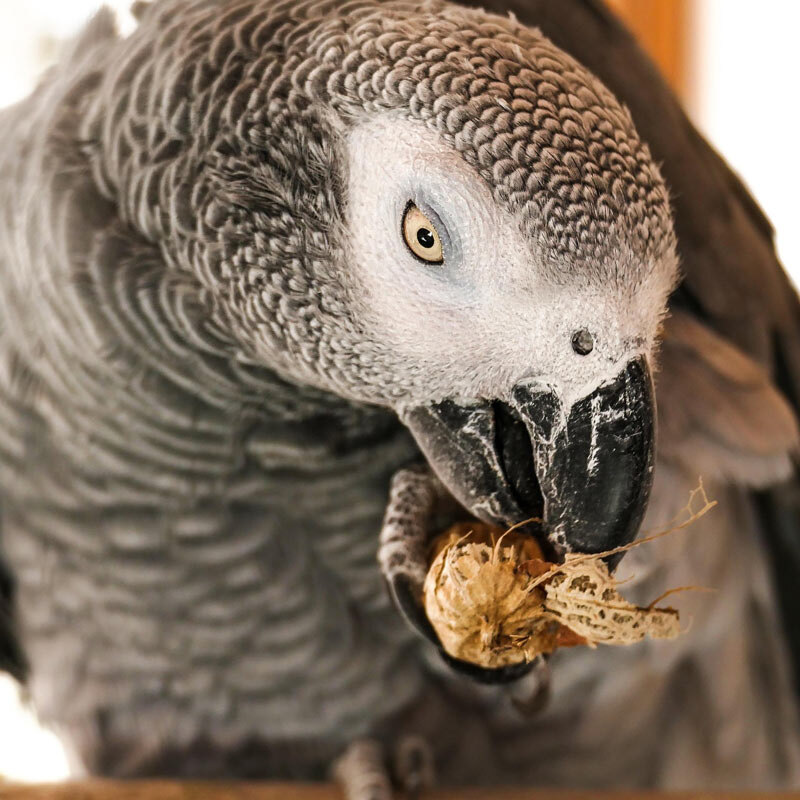
Never give birds any food or drink that contains alcohol. Raw dough is also very dangerous because it rises inside their stomachs. Cooked bread is safe in small amounts.
Credit: lafeber.com
Fruits And Vegetables To Avoid
Some fruits and vegetables can be harmful to birds. Knowing which foods to avoid keeps your birds safe and healthy.
Not all parts of fruits and vegetables are safe for birds to eat. Some seeds, leaves, and stems contain toxins.
Apple Seeds And Fruit Pits
Apple seeds and pits from fruits like cherries, peaches, and plums contain cyanide. This chemical is poisonous to birds.
Swallowing even a few seeds or pits can cause serious health problems. Always remove seeds and pits before feeding fruit.
Rhubarb Leaves
Rhubarb leaves have oxalic acid, which is toxic to birds. Eating these leaves can cause kidney damage and other issues.
Only the stalks of rhubarb are safe for some animals. Keep rhubarb leaves away from your birds at all times.
Tomato Leaves And Stems
Tomato leaves and stems contain alkaloids that are harmful to birds. These parts can cause digestive problems and weakness.
Only ripe tomato fruit is safe for birds. Avoid giving any part of the tomato plant besides the fruit.
Dangerous Human Snacks
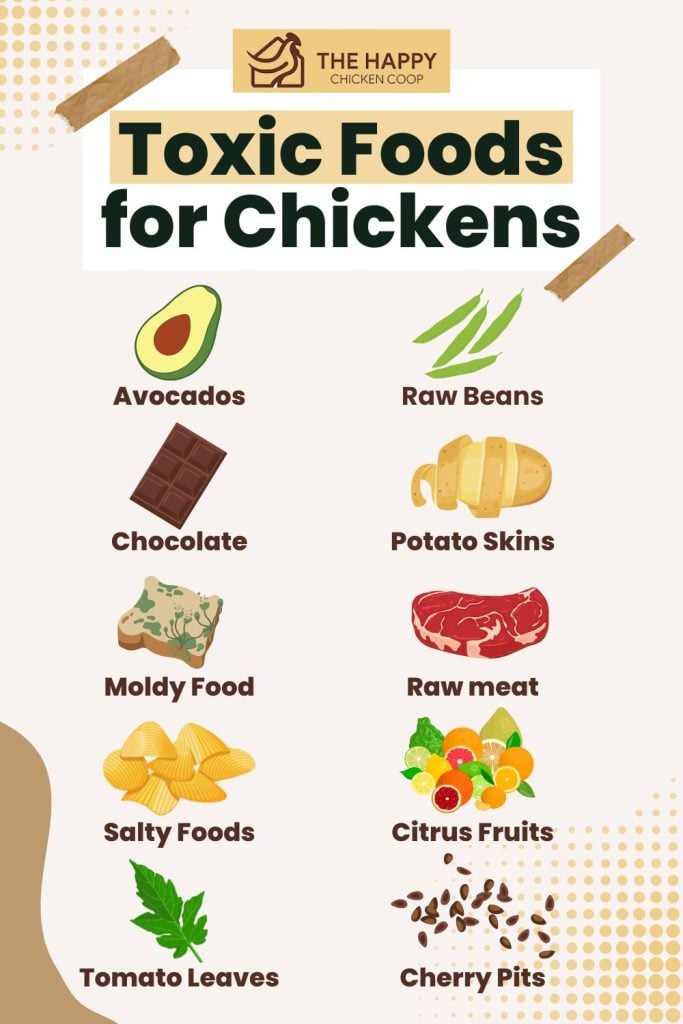
Many human snacks can hurt birds. Birds have different diets and cannot eat all foods people enjoy.
Some snacks contain ingredients that are harmful or toxic to birds. It is important to know which foods to avoid giving them.
Salty And Sugary Foods
Salty and sugary foods can cause serious health problems in birds. Salt can lead to dehydration and kidney failure.
- Chips and pretzels have high salt content
- Candies and chocolates contain sugar and harmful substances
- Sugary drinks can upset bird digestion
- Salted nuts are dangerous because of their salt levels
Processed And Fried Items
Processed and fried foods often contain unhealthy fats and chemicals. Birds cannot digest these foods well.
| Food Type | Why It Is Dangerous |
| French fries | High in salt and unhealthy oils |
| Fast food burgers | Contains processed meat and additives |
| Packaged snacks | Have preservatives and artificial flavors |
| Fried chicken | Greasy and hard to digest |
Credit: www.thehappychickencoop.com
Household Plants Harmful To Birds
Many common household plants can be dangerous to pet birds. Birds may chew leaves or flowers and get sick from toxic chemicals in the plants.
Knowing which plants are harmful helps keep your bird safe. Avoid placing toxic plants where your bird can reach them.
Common Toxic Plants
Some household plants contain poisons that can harm birds. These plants may cause illness or even death if eaten.
- Azaleas
- Dieffenbachia (Dumb Cane)
- Oleander
- Philodendron
- Poinsettia
- Yew
Keep these plants far from your bird’s reach. Even small bites can be dangerous.
Symptoms Of Plant Poisoning
Birds poisoned by plants may show signs quickly. Watch for unusual behavior or health problems.
| Symptom | Description |
| Vomiting | Bird throws up food or liquid |
| Diarrhea | Loose or watery droppings |
| Weakness | Bird seems tired or unable to stand |
| Breathing Trouble | Bird breathes fast or with effort |
| Seizures | Bird shakes or has muscle spasms |
| Loss of Appetite | Bird refuses to eat or drink |
If you see these symptoms, contact a vet right away. Quick action can save your bird’s life.
Signs Of Food Poisoning In Birds
Birds can get sick from eating unsafe foods. It is important to watch for signs of food poisoning. Early detection helps birds get proper care.
Food poisoning affects a bird’s body and behavior. Knowing the signs can save a bird’s life.
Behavioral Changes
Birds with food poisoning often act differently. They may seem weak or less active than usual.
Birds might stop eating or drinking. They may also hide or stay quiet more than normal.
- Less movement or flying
- Loss of appetite
- Hiding or avoiding social interaction
- Unusual quietness or silence
Physical Symptoms
Food poisoning can cause visible problems on a bird’s body. Look for changes in feathers, eyes, or droppings.
Birds may show signs like vomiting, diarrhea, or weakness. Their eyes might be watery or swollen.
- Fluffed up feathers
- Watery or swollen eyes
- Vomiting or diarrhea
- Weakness or difficulty standing
- Changes in droppings color or consistency
Safe Alternatives For Bird Treats
Many common foods can harm birds. It is important to offer safe treats instead. Healthy snacks help birds stay strong and happy.
This guide shows good fruits, vegetables, seeds, and nuts for birds. These options are safe and tasty.
Bird-friendly Fruits And Vegetables
Fresh fruits and vegetables provide birds with vitamins and minerals. Always wash produce well before feeding. Remove seeds or pits that can be toxic.
- Apples (without seeds)
- Carrots (chopped or shredded)
- Blueberries
- Spinach
- Peas
- Sweet potatoes (cooked)
- Broccoli (small pieces)
Avoid avocado, onions, garlic, and rhubarb. These are harmful to birds.
Healthy Seeds And Nuts
Seeds and nuts give birds protein and fat for energy. Offer these in small amounts to avoid weight gain. Choose unsalted and unseasoned options.
- Sunflower seeds (hulled)
- Pumpkin seeds (unsalted)
- Almonds (chopped)
- Walnuts (small pieces)
- Millet
- Flax seeds
Never feed salted peanuts or nuts with shells. These can cause choking or illness.
Preventing Accidental Poisoning
Birds can get sick from eating harmful foods by mistake. It is important to keep their food safe. Accidental poisoning can be avoided with simple care.
Knowing how to store food properly and feed birds safely helps protect them. This guide shows easy ways to stop poisoning risks.
Proper Food Storage
Store bird food in clean, dry places away from chemicals. Avoid mold or spoiled food, as it can harm birds.
- Keep food in sealed containers to prevent moisture and pests.
- Check food regularly for signs of spoilage or insects.
- Do not store bird food near household cleaners or poisons.
- Use fresh food quickly and avoid old leftovers.
Safe Feeding Practices
Feed birds only food that is safe and healthy. Some human foods and plants can be toxic to birds.
| Unsafe Food | Why It Is Harmful |
|---|---|
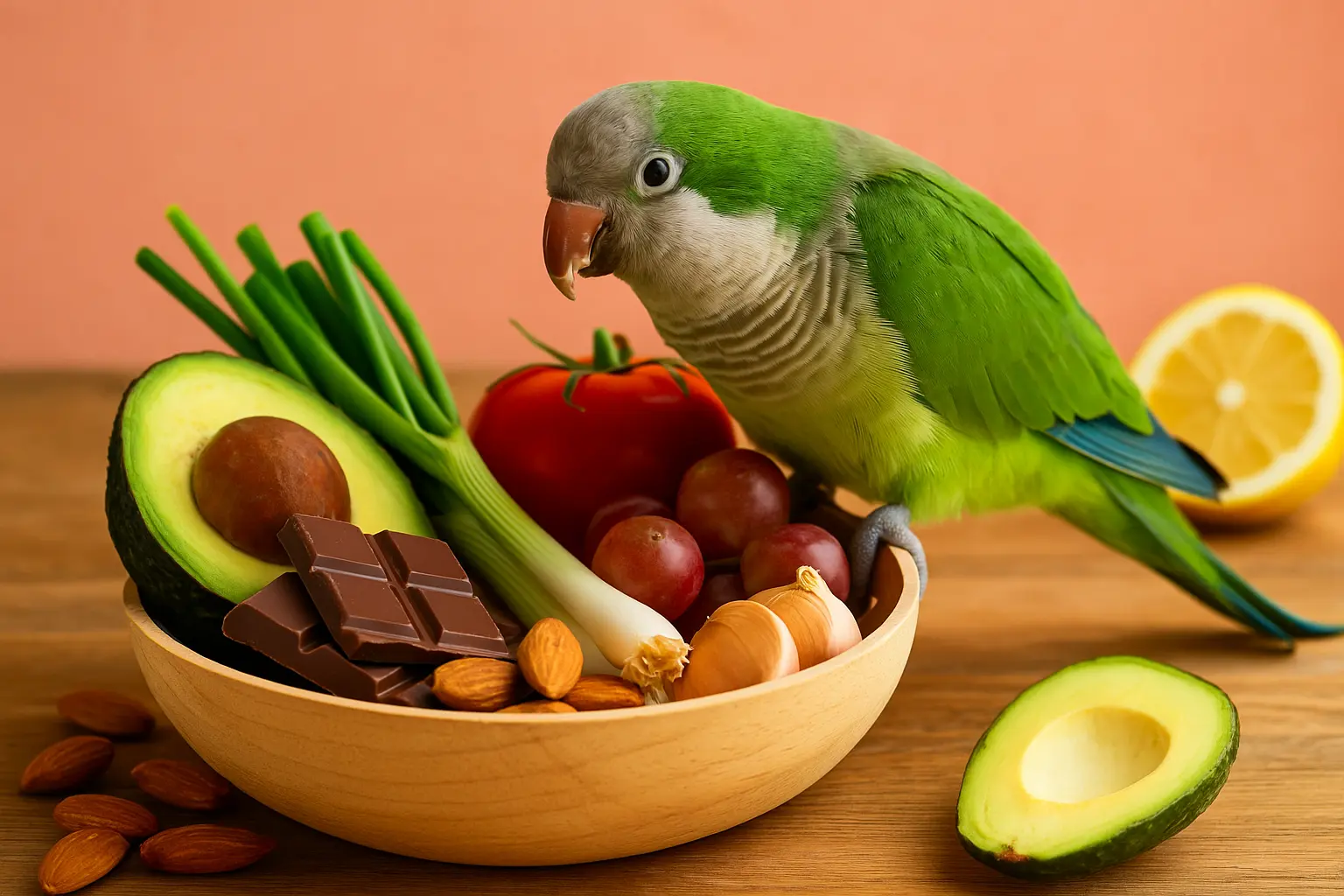
| Chocolate | Contains toxins that affect the bird’s heart and nervous system |
| Avocado | Can cause breathing problems and heart failure |
| Onion and Garlic | Lead to digestive upset and anemia |
| Salted or Processed Foods | Cause dehydration and kidney damage |
| Alcohol | Very toxic and can cause death |
Always clean feeding areas to stop bacteria growth. Use fresh water and remove old food daily.
Emergency Steps For Poisoned Birds
Birds can eat unsafe foods that hurt their health quickly. Knowing what to do in an emergency helps save their lives.
This guide explains first aid measures and when to get veterinary help for poisoned birds.
First Aid Measures
If you suspect a bird has eaten something harmful, act fast. Remove the bird from the dangerous area.
Check the bird for signs like vomiting, weakness, or difficulty breathing. These signs show poisoning.
- Keep the bird warm and calm.
- Do not try to make the bird vomit unless told by a vet.
- Give fresh water to help flush toxins.
- Note what the bird ate and how much.
- Clean the bird’s beak gently with a soft cloth if needed.
When To Seek Veterinary Help
Get professional help if the bird shows serious symptoms. Delay can cause more harm or death.
Call a vet if the bird:
- Is very weak or unconscious
- Has trouble breathing
- Is vomiting or has diarrhea
- Shows seizures or tremors
- Won’t eat or drink for many hours
Keep the bird in a safe container for transport. Bring any food or substance the bird ate to help the vet.
Credit: parrotscuisine.com
Frequently Asked Questions
What Foods Are Toxic To Birds?
Certain foods like chocolate, avocado, and caffeine are toxic to birds. These foods can cause severe health issues, including heart problems and digestive distress. It's crucial to keep your feathered friends away from these harmful foods to ensure their well-being and longevity.
Can Birds Eat Bread Safely?
Bread is not safe for birds as it lacks essential nutrients. Feeding bread to birds can lead to malnutrition and digestive problems. Instead, offer them healthier alternatives like seeds, fruits, and vegetables to ensure they receive a balanced diet.
Why Is Avocado Harmful To Birds?
Avocado contains persin, a toxin that is harmful to birds. Consuming avocado can lead to respiratory distress, heart failure, and even death in birds. It's best to avoid feeding avocado to birds to protect their health and safety.
Is Chocolate Dangerous For Birds?
Yes, chocolate is dangerous for birds due to theobromine and caffeine content. These compounds can cause hyperactivity, seizures, and even death in birds. Always keep chocolate and related products out of reach of your avian companions.
Conclusion
Birds need safe foods to stay healthy and strong. Avoid feeding them chocolate, avocado, or salty snacks. These foods can cause sickness or even death. Offer fresh fruits, seeds, and clean water instead. Watch your birds carefully to keep them safe.
Small changes in their diet make a big difference. Protect your feathered friends with the right food choices. Healthy birds bring joy and life to your home or garden. Keep learning about what is safe for birds to eat. Their wellbeing depends on your care and attention.


