Have you ever wondered what makes bird seeds so special? Whether you’re a bird lover or just curious, understanding what bird seeds are can change the way you attract feathered friends to your backyard.
The right seeds can bring vibrant colors, cheerful songs, and lively activity right outside your window. Stick with me, and you’ll discover the secrets behind bird seeds, how they work, and how you can choose the best mix to welcome more birds into your life.
Ready to become a bird seed expert? Let’s dive in!
Bird Seed Basics
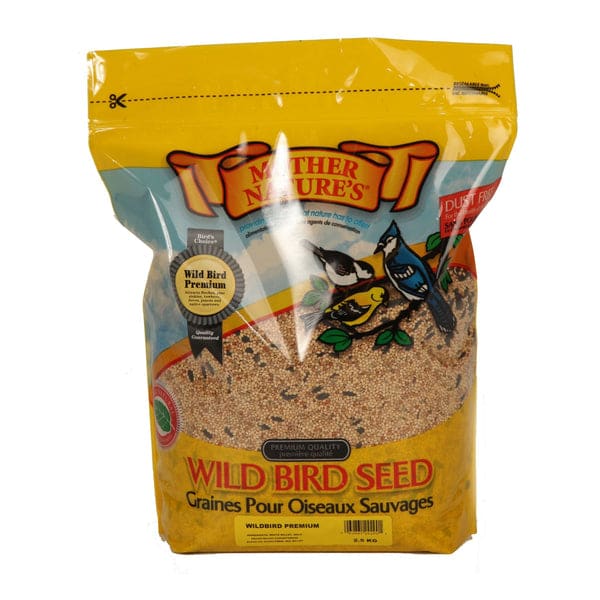
Bird seeds are special mixtures designed to feed wild birds. They provide energy and nutrients birds need daily.
Different seeds attract different bird species. Knowing the basics helps you choose the right seeds to feed birds in your area.
Common Ingredients
Bird seed mixes usually contain several common ingredients. Each seed type offers unique benefits and attracts certain birds.
- Black oil sunflower seeds: High in fat and easy to crack open.
- Millet: Small and preferred by ground-feeding birds.
- Safflower seeds: Bitter taste keeps squirrels away.
- Nyjer (thistle) seeds: Tiny seeds loved by finches.
- Cracked corn: Attracts larger birds like doves and sparrows.
How Seeds Attract Birds
Birds choose seeds based on size, taste, and energy content. Bright colors and seed shape also play a role in attraction.
| Seed Type | Attracted Birds | Seed Feature |
| Black oil sunflower | Cardinals, chickadees, finches | High fat, easy shell |
| Millet | Sparrows, juncos, doves | Small size, mild taste |
| Safflower | Cardinals, grosbeaks | Bitter taste, squirrel resistant |
| Nyjer (thistle) | Goldfinches, siskins | Tiny, high oil content |
| Cracked corn | Doves, pigeons, jays | Large, filling |

Credit: www.amazon.ca
Popular Seed Types
Bird seeds come in many types to attract different birds. Each seed has unique features and benefits.
Knowing popular seed types helps you pick the right ones for your bird feeders.
Black Oil Sunflower
Black oil sunflower seeds are very popular with many bird species. They have thin shells that are easy to crack.
These seeds are high in fat and provide good energy. Birds like cardinals, chickadees, and finches enjoy them.
Millet
Millet seeds are small and round. They are favorite food for ground-feeding birds like sparrows and doves.
White proso millet is the most common type used in bird seed mixes. It is easy for birds to eat.
Nyjer Seeds
Nyjer seeds are tiny and black. They are perfect for attracting small birds like finches and siskins.
These seeds are high in oil and fat. Use special feeders with small holes to prevent spillage.
Safflower
Safflower seeds have a tough white shell. Many birds like cardinals and grosbeaks eat them.
These seeds are less popular with squirrels and blackbirds. They are a good choice to reduce unwanted visitors.
Cracked Corn
Cracked corn is made from dried corn broken into pieces. It attracts larger birds like pigeons and ducks.
It is also good for ground feeders. Avoid using moldy corn because it can harm birds.
Choosing Seeds For Different Birds
Birds eat many kinds of seeds. Choosing the right seed helps attract the birds you want.
Different birds prefer different seeds. Knowing what each bird likes can make your garden lively.
Seeds For Finches And Sparrows
Finches and sparrows enjoy small seeds. They like seeds that are easy to handle and eat.
- Nyjer seed is a favorite for finches.
- Millet works well for sparrows.
- Cracked corn can attract both types.
Seeds For Cardinals And Grosbeaks
Cardinals and grosbeaks prefer large, hard seeds. They need seeds that are full of oil and easy to crack.
| Seed Type | Bird Preference |
| Black oil sunflower | Cardinals |
| Safflower seed | Grosbeaks |
| Peanuts (shelled) | Both |
Seeds For Woodpeckers And Jays
Woodpeckers and jays like large seeds and nuts. They use strong beaks to crack hard shells.
Here are some good seed choices for woodpeckers and jays:
- Peanuts in the shell
- Suet mixed with seeds
- Sunflower seeds, especially striped

Credit: duncraft.com
Health Benefits For Birds
Bird seeds are an important food source for many bird species. They provide essential nutrients that help birds stay healthy and active.
Eating the right seeds supports birds in their daily activities and long-term survival. Seeds also help birds grow and reproduce.
Nutritional Value
Bird seeds contain proteins, fats, vitamins, and minerals. These nutrients help birds build strong muscles and maintain good health.
Different seeds offer different nutrients. A mix of seeds gives birds a balanced diet.
- Proteins help in muscle growth and repair
- Fats provide energy and support feather health
- Vitamins boost the immune system
- Minerals strengthen bones and beaks
Energy For Migration
Birds need a lot of energy to migrate long distances. Seeds are a rich source of calories that fuel their journeys.
High-fat seeds give birds the power to fly many miles without stopping.
- Sunflower seeds are high in fat and energy
- Millet provides quick energy for short flights
- Safflower seeds help birds store fat for long trips
Supporting Nesting And Breeding
Birds need good nutrition to build nests and raise chicks. Seeds supply the nutrients needed for healthy eggs and strong babies.
Parents eat seeds to keep their energy up during breeding season.
- Protein from seeds supports egg development
- Energy from seeds helps parents care for young
- Minerals strengthen bones for growing chicks
Benefits Of Feeding Birds
Feeding birds is a simple way to enjoy nature close to home. It helps birds survive and brings life to your yard.
Many people find joy watching birds visit feeders. Feeding birds supports local wildlife and makes your garden lively.
Encouraging Backyard Wildlife
Bird seeds attract many types of birds. This creates a diverse wildlife habitat right in your backyard.
- Attracts different bird species
- Supports birds during cold months
- Creates natural beauty and sounds
- Encourages other wildlife like butterflies
Pest Control
Birds help control pests naturally. They eat insects that can harm plants and crops.
| Bird Type | Common Pests Eaten |
| Swallows | Mosquitoes, Flies |
| Woodpeckers | Beetles, Ants |
| Chickadees | Caterpillars, Aphids |
| Wrens | Spiders, Moths |
Educational Opportunities
Feeding birds offers chances to learn about nature. Children and adults can observe bird behavior and types.
Here are ways feeding birds helps education:
- Teaches about bird species and their habits
- Encourages interest in science and nature
- Offers hands-on experience watching wildlife
- Supports school and home learning activities
Tips For Seed Storage And Handling
Bird seeds need careful storage to stay fresh and safe for birds. Proper handling helps keep seeds tasty and free from problems.
Good storage stops seeds from getting moldy or spoiled. Using the right containers and knowing seed shelf life also helps.
Preventing Mold And Spoilage
Mold grows on damp seeds and ruins them. Keep seeds dry and cool to avoid mold. Open bags only when needed. Clean feeders often to stop germs.
- Store seeds in a dry place away from rain or humidity.
- Check seeds regularly for signs of mold or bad smell.
- Use fresh seeds quickly and discard old or wet ones.
Proper Storage Containers
Choose containers that keep air and moisture out. Containers with tight lids stop bugs and water from entering. Clear containers help see seed condition.
- Use airtight plastic or glass jars.
- Avoid thin bags that can tear or leak.
- Label containers with seed type and date.
Shelf Life Of Common Seeds
Each bird seed type lasts a different time. Storing seeds well extends their shelf life. Use older seeds first to reduce waste.
| Seed Type | Typical Shelf Life |
|---|---|
| Sunflower Seeds | 6 to 12 months |
| Millet | 4 to 6 months |
| Cracked Corn | 3 to 5 months |
| Safflower | 6 to 8 months |
| Thistle (Nyjer) | 4 to 6 months |
Avoiding Common Mistakes
Feeding birds the right seeds helps keep them healthy and happy. Many people make simple mistakes when giving bird seeds. Knowing what to avoid helps you care for birds better.
This guide covers some common errors with bird seeds. Fixing these can improve your bird feeding experience.
Overfeeding Issues
Giving too much bird seed can cause problems. Birds may stop looking for natural food. This can harm their health and the environment.
Leftover seeds can attract pests and cause mold. Clean feeders often to avoid these issues.
- Offer seeds in small amounts daily
- Remove old seeds regularly
- Keep feeders clean and dry
Choosing Low-quality Seeds
Low-quality seeds may be dusty, old, or full of fillers. Birds avoid these seeds or get sick from them. Always pick fresh, clean seeds.
Check for cracked shells or mold before buying. Quality seeds help birds stay strong and active.
- Look for seeds with no dust or debris
- Buy seeds from trusted stores
- Avoid seeds with many fillers or shells
Ignoring Seasonal Changes
Birds need different seeds in different seasons. In winter, high-fat seeds help birds stay warm. In summer, lighter seeds are better.
Change your seed mix as seasons change. This supports birds’ health all year round.
- Use sunflower and safflower seeds in winter
- Offer millet and cracked corn in summer
- Watch local bird habits for best seed choices
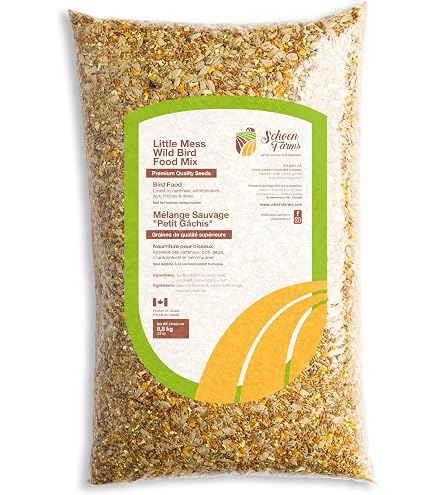
Credit: www.amazon.ca
Frequently Asked Questions
What Are Bird Seeds Made Of?
Bird seeds are a mix of grains, nuts, and dried fruits. Common types include sunflower seeds, millet, safflower, and cracked corn. These ingredients provide essential nutrients like fats, proteins, and carbohydrates for wild and pet birds.
Why Do Birds Eat Seeds?
Birds eat seeds for energy and nutrition. Seeds offer essential fats, proteins, and vitamins. They help birds survive cold weather and support growth and reproduction. Seed-eating is a natural behavior for many bird species.
Which Bird Seeds Attract The Most Birds?
Black oil sunflower seeds attract the most birds. They have a thin shell and high-fat content. Other popular seeds include millet and nyjer. These seeds appeal to various bird species, making them ideal for bird feeders.
How To Choose The Best Bird Seeds?
Choose bird seeds based on local bird species and season. High-quality seeds are fresh, clean, and free from fillers. Black oil sunflower seeds are versatile and widely liked. Avoid cheap mixes with many fillers.
Conclusion
Bird seeds offer diverse nutrition for our feathered friends. They come in many types, each with unique benefits. Sunflower seeds attract a wide range of birds. Millet suits smaller species well. Nyjer seeds are favorites for finches. Choosing the right mix supports bird health.
It also enhances your backyard birdwatching experience. Always store seeds in a dry place to maintain freshness. Regularly clean feeders to prevent disease. Bird seeds not only feed but also bring nature closer. Enjoy watching vibrant birds in your garden.
It’s a simple pleasure that enriches daily life.