
What Are Bird Feet Called? The Hidden Secrets
Have you ever stopped to watch a bird’s feet? It is not just a simple part. It is a powerful tool built through careful planning and hard work. Many people often wonder, what are birds feet called and how do they work?
When you see a bird gripping a tiny wire, you witness nature’s perfect design. You will find out the proper names for these parts. You will also discover the secrets behind those small, strong feet. They help birds fly, hunt, and sit easily. Keep reading. You will see birds in a new and amazing way.
Credit: lafeber.com
Types of Bird Feet
Birds have many types of feet. This helps them live where they are. Their foot shape shows how they find food and move around.
Each type of bird foot has a special job. These jobs help birds hold on, hunt, swim, walk in water, or climb well.
Perching Feet
Perching feet help birds sit on tree branches or wires. These feet usually have three toes in front and one toe in back.
The toe in back holds tight. It keeps the bird stable while it rests or sleeps.
Three toes face forward.
One toe faces backward.
The strong grip gives balance.
Raptorial Feet
Raptorial feet belong to hunter birds like eagles and hawks. These feet have sharp claws called talons.
The talons help them catch and hold prey tightly while hunting.
Claws are strong and curved (talons).
They have a powerful grip for hunting.
Used to kill and carry food.
Swimming Feet
Swimming feet are on ducks and other water birds. These feet have webbing (skin) between the toes. This helps them paddle water.
Webbed feet work like small paddles. They help the bird swim smoothly and move fast.
Webbing is between the toes.
The wide shape is good for paddling.
It helps them swim very well.
Wading Feet
Wading feet belong to tall birds like herons and storks. These feet have long toes that spread out. This helps them walk on soft mud or sand.
The long toes stop the bird from sinking. This lets them look for food in shallow water.
Long toes spread out widely.
They hold weight on soft ground.
Used for walking in water.
Climbing Feet
Climbing feet help birds like woodpeckers move up tree trunks. They have two toes in front and two toes in back.
This toe pattern gives a very strong grip on the tree bark. It is perfect for climbing and holding on.
Two toes forward, two backward.
They have a strong grip on tree bark.
This helps them climb straight up.
Anatomy of Bird Feet
Bird feet are special. They help birds live in many places. Their feet have unique parts. These parts help them walk, climb, and catch food.
Knowing the parts of a bird’s foot shows how they move and live. Different birds have different feet shapes.
Toes and Claws
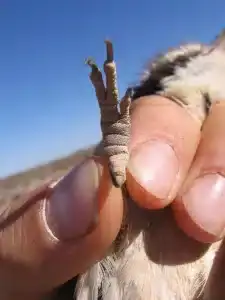
Bird feet have toes that vary in how they look. Most birds have four toes. Some have three or two.
Claws are sharp and curved on the end of each toe. They help birds hold branches, grab prey, and walk on different surfaces.
Toes can point any direction.
Claws protect the toe tips.
Many birds use claws for climbing and hunting.
Scales and Skin
Tough scales cover the skin on bird feet. These scales protect the feet from injuries and rough ground.
Bird scales are made of keratin. This is the same material as feathers and nails. They keep the feet strong and waterproof.
Scales come in different shapes and sizes.
Thick scales help birds walk on hot or sharp ground.
Scaly skin reduces water loss and injury.
Tendons and Muscles
Tendons connect bones and muscles in the feet. They help the bird control movement and grip hard.
Birds have special muscles and tendons. They can lock their toes when perching. This helps birds hold branches without using much effort.
Tendons run along the foot and leg.
They support perching and walking.
Locking tendons stop them from falling while sleeping.
Functions of Bird Feet
Bird feet have many sizes and shapes. They help birds survive in many different environments.
Each type of foot has a special job. These jobs help birds move, catch their food, or stay safe.
Grasping and Holding
Birds use their feet to hold things tightly. This helps them pick up food or stay on branches.
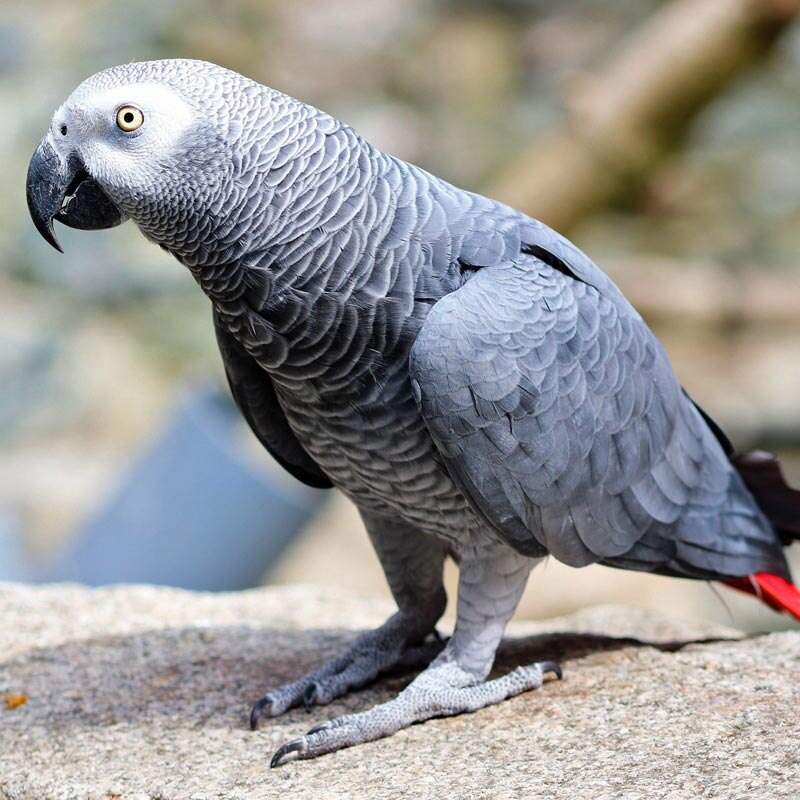
Feet with strong toes and claws can grab and hold well. Parrots and eagles use this often.
Strong toes wrap around things.
Sharp claws help hold firmly.
Feet work like hands for holding.
Walking and Perching
Many birds walk or stand on their feet. Their feet help keep them balanced on the ground or on a branch.
Perching feet are three toes forward and one back. This shape helps birds stay safely on small branches.
Three toes point forward.
One toe points backward.
The grip helps the bird balance.
Feet reduce shock when landing.
Swimming and Diving
Water birds have special feet for swimming. Their feet push water like paddles to move.
Webbed feet have skin between the toes. This helps birds push water and swim quickly.
Webbing joins the toes for paddling.
Feet push water to move ahead.
Dive feet help catch food underwater.
Hunting and Defense
Birds that hunt have strong feet and sharp claws. They use these to catch and kill their food.
Some birds also use their feet to fight. They can kick or scratch to scare off enemies.
Powerful toes hold prey tightly.
Sharp claws injure or kill prey.
Feet help the bird protect itself.
Credit: birds.fandom.com
How Bird Feet Change to Survive
Birds have different types of feet. This helps them stay alive. Their feet are often called claws. On hunter birds, they are called talons.
These feet come in many shapes. Each shape helps the bird live well in its home. It also helps them find food easily.
Feet Change with the Environment
Bird feet change based on where the bird lives.
Birds in the water have webbed feet for swimming.
Birds in trees have strong claws to grip branches.
Birds on the ground have feet that help them run fast.
Examples of Feet and Habitat:
Webbed feet help ducks swim quickly.
Sharp claws help eagles catch their prey.
Strong toes help woodpeckers climb trees.
Long toes help shorebirds walk on soft sand.
Feet Help with Bird Behavior
Bird feet also help them do daily tasks. This includes hunting or building nests. Birds use their feet to hold food while eating.
Some birds use their feet to dig. They also carry nest materials. Feet help birds balance when they rest or sleep on branches.
Parrots use their feet to hold and eat food.
Ospreys use sharp feet to catch fish.
Perching birds lock their toes to sleep safely.
Special Names for Bird Feet
Bird feet come in many shapes and types. Each type helps the bird live in its environment.
Bird feet types have special names. These names tell how the bird’s toes are arranged.
Anisodactyl: This is the most common foot. It has three toes facing forward. One toe points backward. This helps birds grip branches well. (Found in robins and songbirds)
Zygodactyl: These feet have two toes forward and two toes backward. This gives them a strong grip. They are good for climbing and holding food. (Found in parrots and woodpeckers)
Syndactyl: These feet have two or more toes joined together. The skin or nails are fused. This helps them swim or catch fish. (Found in kingfishers and hornbills)
Pamprodactyl: These feet have all four toes facing forward. The outer toes can sometimes turn back. Swifts use them to cling to walls. (Seen in swifts)
Frequently Asked Questions
What are the scientific names for birds’ feet?
Birds’ feet are called “pedes” in science. Each toe is a “digit.” The scales are called “scutes.” This helps experts study how birds are built.
How do birds’ feet adapt to their environment?
Bird feet change in toe length, claw shape, and webbing. These changes help them perch, swim, or hunt. This is how they survive in different places.
Why do birds have different types of feet?
Different feet fit different bird lifestyles. Hunter birds have strong talons. Water birds have webbed feet for swimming. Foot structure supports their unique needs for movement and eating.
Can bird feet tell us about their species?
Yes, bird feet show us what kind of bird it is. The unique toe arrangement helps identify the species. It also tells us about their role in nature.
Final Thoughts
Birds’ feet have special names based on their shape and job. These names help us understand how birds move and live. Different feet are built for things like perching, swimming, or catching prey. Knowing these terms makes watching birds more fun.
Next time you see a bird, look at its feet. It tells a simple story about where the bird lives and how it survives. These small details connect us closer to nature every day.



