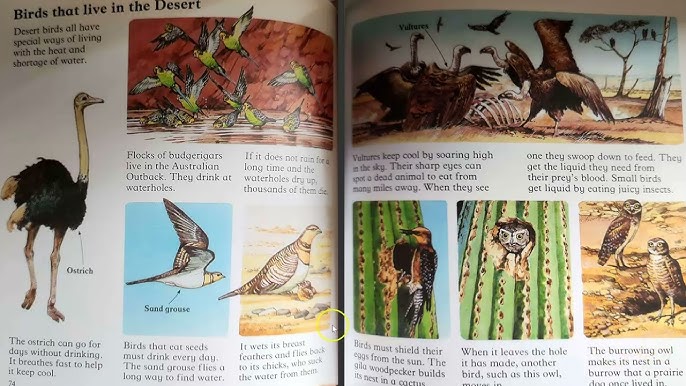
Have you ever wondered what kinds of birds thrive in the harsh, dry desert environment? Desert bird species are truly amazing creatures that have adapted in unique ways to survive under extreme conditions.
If you want to discover which birds call the desert home and how they manage to live where few others can, this article is for you. By the end, you’ll see desert birds in a whole new light and understand why they are so special.
Ready to explore these fascinating desert dwellers? Let’s dive in!
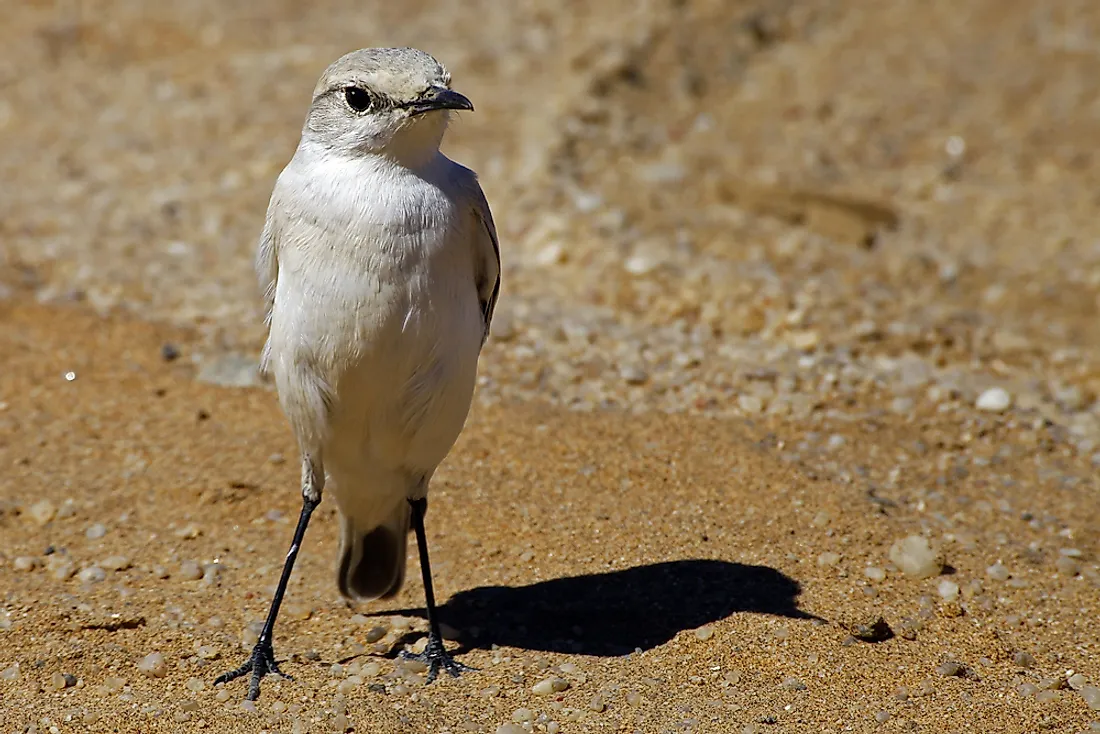
Credit: www.worldatlas.com
Desert Birds And Their Habitat
Desert birds live in hot, dry places with little water. These birds have special traits to survive the harsh desert life.
They find food and shelter in unique ways. Understanding their home helps us learn how they live and thrive.
Characteristics Of Desert Ecosystems
Deserts have very little rain and high temperatures. The land is often sandy or rocky with few plants.
- Extreme heat during the day
- Cold temperatures at night
- Scarce water sources
- Limited plant life
- Sandy or rocky soil
Adaptations To Arid Environments
Desert birds have ways to save water and stay cool. Their bodies and behaviors help them survive.
| Adaptation | Purpose | Example |
| Light-colored feathers | Reflect sunlight | Cactus wren |
| Long legs | Stay above hot ground | Roadrunner |
| Nocturnal habits | Avoid heat of day | Elf owl |
| Efficient kidneys | Reduce water loss | Greater roadrunner |
Top Desert Bird Species
Desert birds live in dry and hot places. They have special traits to survive in tough conditions.
These birds are unique and help keep the desert ecosystem healthy. Here are some top desert bird species.
Greater Roadrunner
The Greater Roadrunner is a fast bird found in deserts of the southwestern US. It runs on the ground to catch prey.
This bird eats insects, small reptiles, and rodents. It can run up to 20 miles per hour.
Cactus Wren
The Cactus Wren lives in thorny desert plants like cacti. It builds nests in cactus pads to stay safe.
This bird sings loudly and feeds on insects and fruits found in the desert.
Gila Woodpecker
The Gila Woodpecker lives in desert forests. It drills holes in trees and cacti to find insects.
This bird also nests inside holes it creates in saguaro cacti. It has a black and white spotted body.
Burrowing Owl
The Burrowing Owl lives underground in desert burrows. It uses tunnels made by other animals.
This small owl hunts insects and small mammals mostly at night. It has long legs to run fast.
Sandgrouse
Sandgrouse are desert birds that can fly long distances for water. They have strong wings for flight.
They eat seeds and hide in dry areas during the day to avoid heat.
Unique Adaptations Of Desert Birds
Desert birds live in hot and dry places. They need special skills to survive. These birds have unique ways to handle heat and find water.
Their bodies and habits help them save water, stay cool, and find food in tough conditions. Let’s explore how they do it.
Water Conservation Techniques
Desert birds use many ways to save water. Their bodies lose less water. They get water from the food they eat. Some birds also produce very little liquid waste.
- They have special kidneys that keep water in the body.
- Many get moisture from seeds and insects.
- They avoid sweating or panting to save water.
- Some birds stay in shaded areas during the hottest times.
Temperature Regulation
Desert birds keep their body temperature steady. They use their feathers to block heat from the sun. Some birds open their beaks to cool down. They also change their activity times to avoid extreme heat.
| Adaptation | Description |
| Feather insulation | Blocks sun’s heat and keeps body cool |
| Gular fluttering | Rapid throat movement to cool down by evaporation |
| Nocturnal activity | Active during cooler night hours |
| Seeking shade | Resting in cool, shaded spots during day |
Feeding Habits
Desert birds eat food that helps them survive with little water. They often eat insects, seeds, and small animals. Their feeding habits also help them avoid extreme heat.
Common feeding habits include:
- Eating early in the morning or late in the evening
- Choosing food with high water content
- Using sharp beaks to catch insects and small reptiles
- Storing food for dry times
Role Of Birds In Desert Ecosystems
Birds play an important part in desert ecosystems. They help keep the desert balanced and healthy.
These birds adapt well to harsh desert conditions. Their activities support plants and other animals.
Seed Dispersal
Many desert birds eat fruits and carry seeds away from the parent plant. This helps plants grow in new places.
- Birds eat berries and fruits.
- Seeds pass through their digestive system unharmed.
- Birds drop seeds far from the original plant.
- New plants grow in different areas.
Pest Control
Birds help control insect populations in deserts. They eat many pests that can damage plants.
| Bird Species | Common Prey |
| Roadrunner | Insects, small reptiles |
| Cactus Wren | Beetles, ants |
| Verdin | Spiders, moths |
Pollination
Some desert birds visit flowers for nectar. They carry pollen from one flower to another, helping plants reproduce.
Birds that help pollinate desert plants include:
- Hummingbirds
- Honeyeaters
- Sunbirds
Threats To Desert Birds
Desert birds face many dangers that harm their lives. These threats come from changes in their environment and human actions.
Understanding these threats helps protect desert bird species and keep their populations healthy.
Habitat Loss
Desert habitats are shrinking due to farming, cities, and roads. Birds lose places to live and find food.
- Land cleared for agriculture reduces nesting sites.
- Urban growth destroys natural desert areas.
- Roads fragment habitats and increase bird deaths.
Climate Change
Rising temperatures and less rainfall change desert conditions. Birds may struggle to find water and food.
| Impact | Effect on Birds |
| Higher temperatures | Heat stress and reduced survival |
| Less rainfall | Scarce water and fewer plants |
| More storms | Damage to nests and habitats |
Human Activity
People affect desert birds through pollution, hunting, and disturbance. These actions threaten bird safety and health.
- Pollution poisons water and food sources.
- Hunting reduces bird numbers directly.
- Recreation near nests causes birds to flee or abandon eggs.

Credit: www.notesfromtheroad.com
Conservation Efforts For Desert Birds
Desert birds live in tough environments with little water and extreme heat. Many species face threats from habitat loss and climate change. Protecting these birds is important for nature and balance in deserts.
People and groups work hard to save desert birds. They use different ways to keep these birds safe and healthy. These efforts help birds survive now and in the future.
Protected Areas
Protected areas are special places where desert birds can live safely. These lands have rules to stop hunting and damage. They also keep the plants and water sources that birds need.
Many countries create parks and reserves in deserts. These areas help birds find food, shelter, and breed without disturbance. Protected areas also support other desert animals and plants.
- National parks with desert habitats
- Wildlife reserves focused on bird protection
- Restricted zones to reduce human activity
Community Involvement
Local people play a big role in saving desert birds. They learn why birds are important and how to protect them. Communities help by reporting problems and joining conservation projects.
Schools and groups teach children about desert birds. This builds respect and care for nature. Community efforts also reduce threats like pollution and illegal hunting.
- Educational programs about desert wildlife
- Volunteer groups monitoring bird habitats
- Local rules to protect nesting sites
Research And Monitoring
Scientists study desert birds to learn about their needs and risks. They track bird numbers, health, and movements. This data helps make better plans to protect birds.
Monitoring programs use tools like cameras and GPS trackers. These tools show how birds use the desert and where they face danger. Research also finds new ways to help birds survive.
- Counting bird populations regularly
- Tracking migration and breeding patterns
- Studying effects of climate change on birds

Credit: www.wildlifenomads.com
Frequently Asked Questions
What Defines Desert Bird Species?
Desert bird species are birds adapted to survive harsh, dry environments. They have special traits like heat tolerance and water conservation. These adaptations help them find food and shelter in arid regions. They often have unique behaviors to cope with extreme temperatures and scarce resources.
Which Birds Are Common In Desert Habitats?
Common desert birds include roadrunners, cactus wrens, and burrowing owls. These birds thrive in sandy, rocky, and sparse vegetation areas. They use camouflage and quick movements to avoid predators. Their diet often consists of insects, seeds, and small reptiles.
How Do Desert Birds Conserve Water?
Desert birds conserve water by eating moisture-rich food and minimizing water loss. They have efficient kidneys that reduce water excretion. Some birds obtain water from dew or food. Behavioral adaptations, like being active during cooler parts of the day, also help conserve water.
Why Are Desert Birds Important To The Ecosystem?
Desert birds control insect populations and disperse seeds, aiding plant growth. They contribute to nutrient cycling and help maintain ecological balance. Their presence indicates a healthy desert environment. Protecting them ensures biodiversity and ecosystem stability in arid regions.
Conclusion
Desert birds show nature's adaptability and beauty. Each species has unique traits. From the vibrant colors of parrots to the stealthy moves of owls. They all offer lessons in survival. These birds thrive where others cannot. Observing them provides insight into life's resilience.
Next time you visit a desert, look closely. Notice the fascinating bird species around you. Appreciate their role in the ecosystem. They are crucial to the desert's balance. Their presence is a reminder of nature's wonders. Embrace the chance to learn from these remarkable creatures.
They inspire wonder and respect.