Have you ever looked up and seen flocks of birds flying together in perfect formation, heading to places you can only guess? Those are migratory birds, and their incredible journeys might be more fascinating than you think.
Understanding what migratory birds are and why they travel can change the way you see the world around you. If you’ve ever wondered why these birds move from place to place, this article will give you clear answers and surprising facts that will keep you hooked until the very end.
Ready to discover the secret lives of these amazing travelers? Let’s dive in.
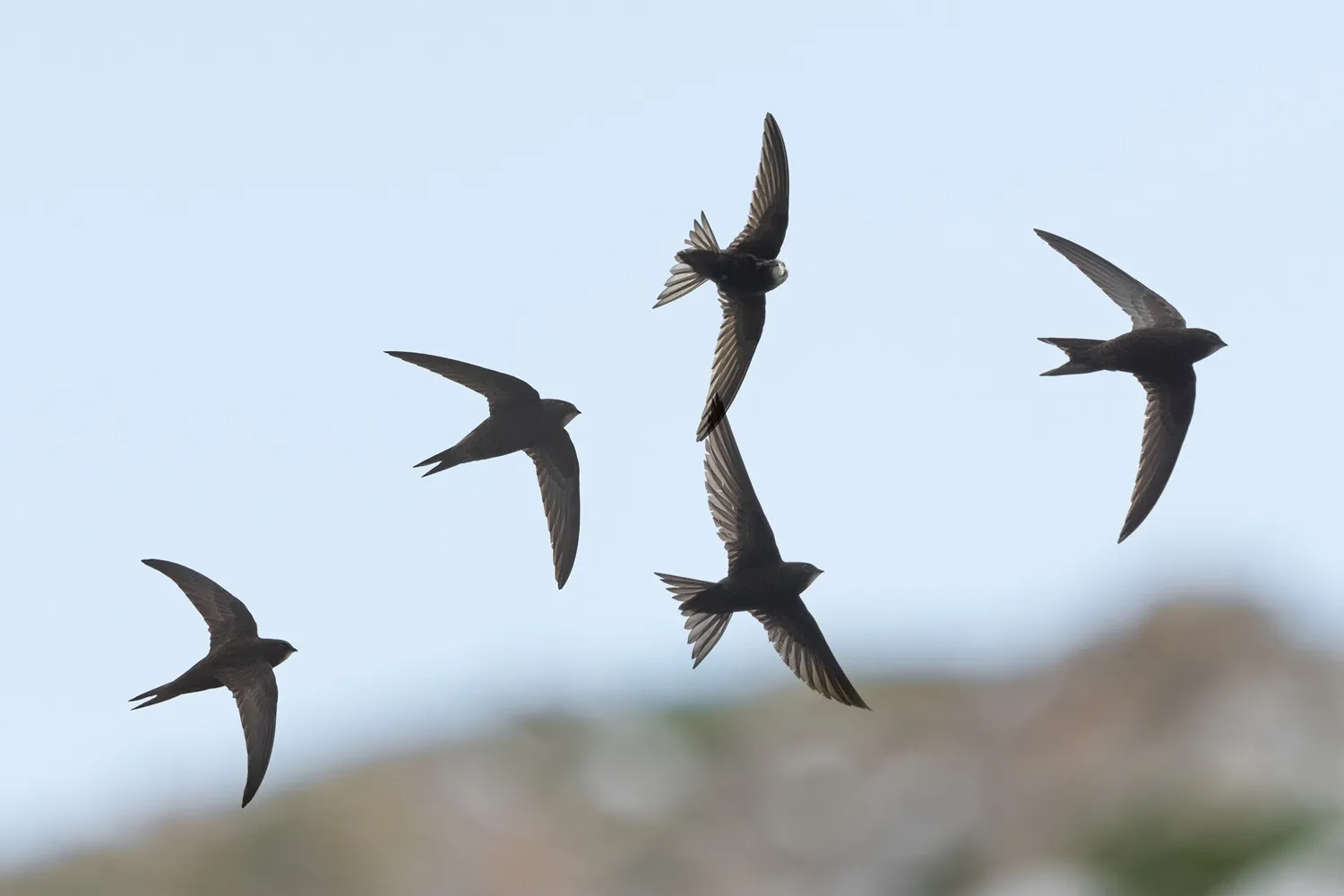
Credit: www.bto.org
Migratory Birds Explained
Migratory birds travel long distances each year. They move from one place to another to find food and better weather.
These birds follow regular routes between their summer and winter homes. Migration helps them survive changing seasons.
Key Traits Of Migratory Birds
Migratory birds have special traits that help them travel far. Their bodies are built for long flights.
They have strong wings and good stamina. Many can store extra fat to use as energy during migration.
- Strong and aerodynamic wings
- Ability to store fat for energy
- Good navigation skills
- Timing their migration with seasons
Common Migration Routes
Birds use specific paths called migration routes. These routes help them find safe places to rest and feed.
Some routes cross continents and oceans. Birds follow landmarks like rivers, mountains, and coastlines.
- East Atlantic Flyway (Europe to Africa)
- Pacific Flyway (North to South America)
- Central Asian Flyway (Asia to Africa)
- Mississippi Flyway (North to Central America)
Reasons Behind Migration
Migratory birds travel long distances every year. They move from one place to another to survive and reproduce.
Migration helps birds find better weather, food, and safe places to raise their young.
Seasonal Changes
Birds migrate because the seasons change. Cold winters make it hard to live in some places.
They fly to warmer areas where the weather is better. This keeps them safe and healthy.
Food Availability
Food is not always easy to find in every season. Many birds move to find enough food.
They look for places with plenty of insects, seeds, or fish to eat. This helps them stay strong.
Breeding Needs
Birds need safe places to build nests and raise their chicks. Migration helps them find these spots.
Some birds travel to places with fewer predators and better conditions for their young.
Fascinating Migration Patterns
Migratory birds travel great distances every year. They move between breeding and wintering places.
This migration helps birds find food and better weather. Their journeys are amazing and full of surprises.
Long-distance Travelers
Some birds fly thousands of miles during migration. They cross oceans, mountains, and deserts.
The Arctic tern is a famous long-distance traveler. It flies from the North Pole to the South Pole and back.
- Arctic terns travel about 25,000 miles each year
- Some birds fly nonstop for more than 1,000 miles
- Long flights need lots of energy and rest stops
Navigational Skills
Birds use many tools to find their way. They rely on the sun, stars, and Earth’s magnetic field.
Some birds remember landmarks like rivers and mountains. Others use their sense of smell to navigate.
- Sun helps birds during the day
- Stars guide birds at night
- Magnetic field acts like a compass
- Landmarks help with local navigation
Timing And Triggers
Birds migrate at certain times each year. They know when to start by changes in daylight and temperature.
Hormones in birds’ bodies also trigger migration. These signals prepare them to fly long distances.
- Shorter days signal birds to migrate
- Temperature changes affect food availability
- Hormones increase energy and restlessness
- Timing ensures safe travel and good conditions

Credit: naturecanada.ca
Challenges Faced During Migration
Migratory birds travel long distances each year. They face many challenges on their journey.
These challenges can harm birds or make migration harder. Understanding them helps protect these birds.
Predators And Natural Threats
Birds face predators like hawks and falcons during migration. These predators hunt birds for food.
Natural threats include strong winds and storms. These can tire birds or push them off course.
- Birds risk being caught by predators
- Storms cause exhaustion and injuries
- Natural obstacles slow down migration
Climate And Weather Impact
Weather changes affect birds during their long trips. Cold snaps or heat waves can be dangerous.
Climate change causes shifts in seasons. This makes it hard for birds to find food and rest stops.
- Sudden storms can cause bird deaths
- Changing seasons affect food availability
- Unusual weather delays migration timing
Human-induced Obstacles
Humans build cities and roads in bird paths. These can block or confuse migrating birds.
Pollution and hunting also harm birds. Light pollution makes it hard for birds to navigate.
- Buildings and towers cause collisions
- Pollution affects bird health
- Hunting reduces bird numbers
- Light pollution disrupts navigation
Conservation Efforts
Migratory birds travel long distances each year. Their journeys face many dangers.
Conservation efforts help protect these birds and their routes. Many groups work to keep them safe.
Protecting Habitats
Birds need safe places to rest, feed, and breed during migration. Protecting these habitats is key.
Wetlands, forests, and grasslands must be preserved. Destroying these areas can harm bird populations.
- Creating bird reserves and parks
- Restoring damaged wetlands and forests
- Reducing pollution in important areas
International Agreements
Migratory birds cross many countries. Cooperation between nations is needed to protect them.
Countries sign agreements to share responsibility. These agreements set rules to protect birds.
- Protecting bird habitats in all countries
- Sharing research and data on bird routes
- Stopping illegal hunting and trade
Community Involvement
Local communities play a big role in bird conservation. They help watch and protect birds near them.
Education and awareness programs teach people why birds matter. Volunteers join to help with projects.
- Organizing bird watching events
- Cleaning and planting habitats
- Reporting threats to wildlife groups
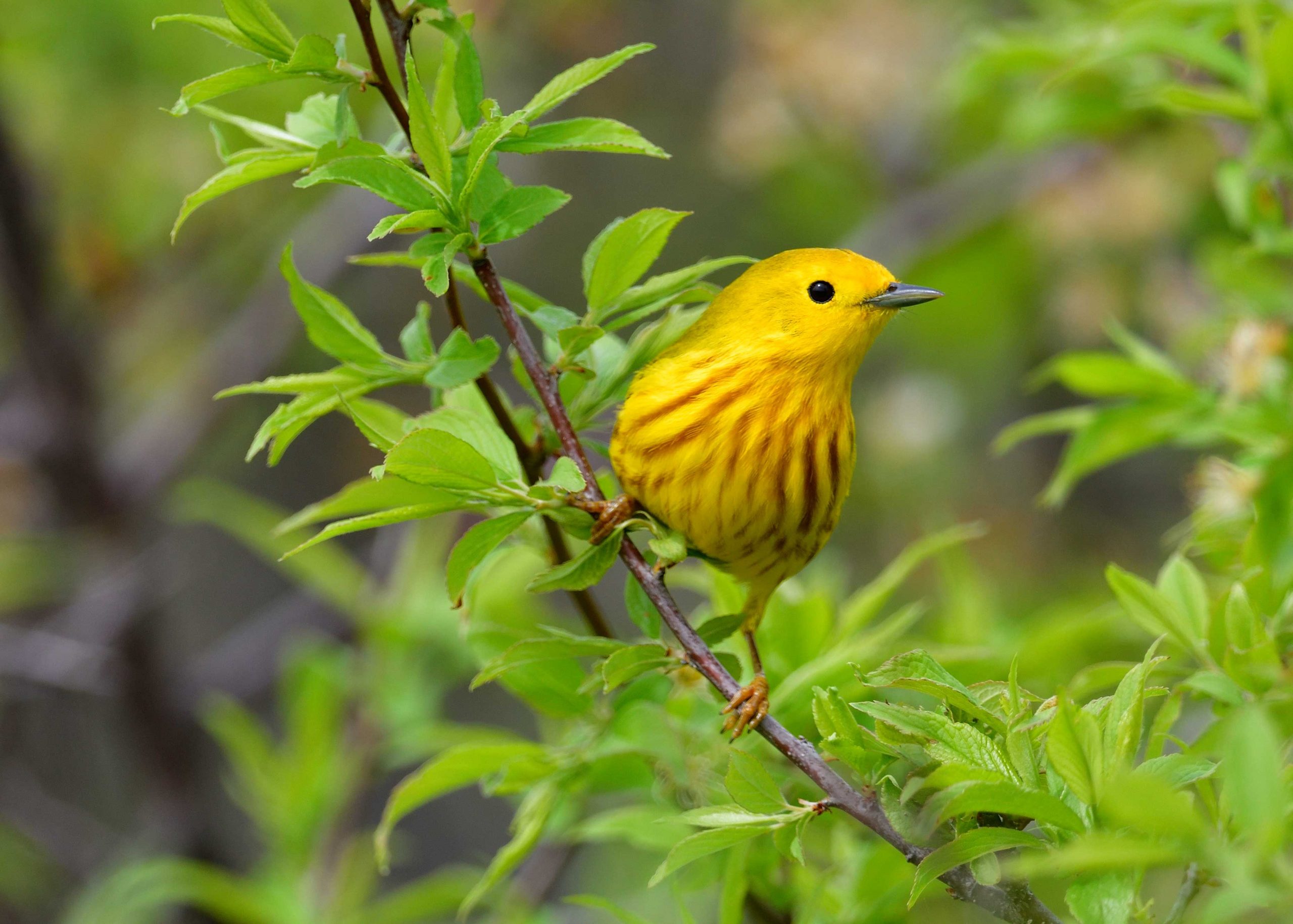
Credit: magazine.outdoornebraska.gov
Interesting Species To Know
Migratory birds travel long distances between places to find food or warmer weather. They use the Earth’s magnetic field and the sun to guide them.
Many species have amazing journeys. Let’s learn about three special migratory birds and their unique travels.
Arctic Tern
The Arctic Tern flies farther than any other bird. It travels from the North Pole to the South Pole each year.
This bird’s round trip can be over 40,000 miles. It spends summer in the Arctic and winter in Antarctica.
- Small bird with grey and white feathers
- Sharp, red beak and feet
- Famous for the longest migration on Earth
Bar-tailed Godwit
The Bar-tailed Godwit is known for its nonstop long flights. It can fly over 7,000 miles without stopping.
This bird breeds in the Arctic and flies to New Zealand or Australia to spend the winter.
- Medium-sized shorebird with a long, slightly curved bill
- Brown and white feathers in breeding season
- Holds the record for the longest nonstop flight
Swallow
Swallows are small birds that migrate to find insects to eat. They travel from Europe to Africa every year.
They are fast flyers and use open fields and water to rest during migration.
- Small with blue and orange feathers
- Pointed wings and forked tail
- Known for graceful, quick flights
Frequently Asked Questions
What Defines A Migratory Bird?
Migratory birds are species that travel seasonally between breeding and non-breeding areas. These journeys cover thousands of miles. Migration is driven by food availability, climate, and breeding needs. Birds use natural cues like the sun, stars, and Earth’s magnetic field to navigate.
Why Do Birds Migrate?
Birds migrate to access food, suitable breeding grounds, and optimal climates. Seasonal changes in temperature and food availability trigger migrations. Migration ensures survival and reproductive success. Birds can avoid harsh weather conditions by moving to more hospitable environments.
How Do Birds Navigate During Migration?
Birds navigate using the sun, stars, and Earth’s magnetic field. They also rely on landmarks and environmental cues. Some species have an innate sense of direction. These navigation methods help them travel vast distances accurately and safely.
What Challenges Do Migratory Birds Face?
Migratory birds face habitat loss, climate change, and hunting. Urbanization reduces their resting and feeding areas. Climate change affects migration timing and routes. Human activities pose threats to their survival. Conservation efforts aim to protect these crucial habitats.
Conclusion
Migratory birds travel long distances every year. They move to find food and better weather. These birds help keep nature balanced. Watching them teaches us about nature’s rhythms. Protecting their routes is important for their survival. Every bird’s journey is a story of strength.
We can learn a lot by observing these travelers. They remind us how connected the world is. Understanding migratory birds deepens our respect for wildlife. Their flights show the beauty of nature’s cycle.