Have you ever wondered how flowers manage to attract birds for pollination? It’s not just luck—bird-pollinated flowers have unique adaptations that make them stand out and catch the attention of their feathered visitors.
These special features help flowers survive, reproduce, and thrive in nature. If you want to discover the fascinating ways these flowers have evolved to work perfectly with birds, keep reading. Understanding these adaptations will change the way you see flowers and the natural world around you.
Flower Shape And Structure
Bird pollinated flowers have special shapes to attract birds. These shapes help birds reach nectar easily.
The flower’s form also helps spread pollen on the birds. This way, plants can reproduce better.
Tubular And Bell-shaped Designs
Tubular flowers have long, narrow tubes. Birds with long beaks can reach the nectar inside.
Bell-shaped flowers hang down and often curve. This shape fits the bird’s beak and head well.
- Tubular shapes guide birds to nectar deep inside
- Bell shapes protect nectar from rain
- Both shapes help pollen stick to birds
Sturdy Support For Bird Landings
Bird pollinated flowers often have strong stems or branches. These supports hold the bird’s weight during feeding.
Some flowers have wide petals or platforms for birds to stand on. This makes it easier for birds to stay still.
- Strong stems prevent flowers from breaking
- Wide petals offer a landing spot
- Stable flowers help birds feed longer
Color Adaptations
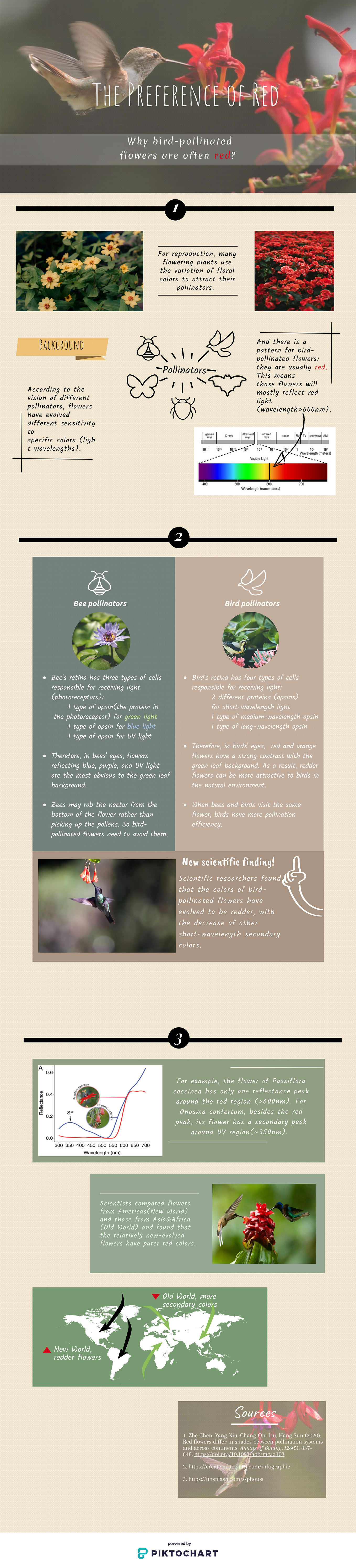
Bird pollinated flowers have special color features. These colors attract birds for pollination. Birds see colors differently than insects.
Colors play a key role in guiding birds to flowers. Some colors stand out to birds but not to insects. This helps flowers avoid unwanted visitors.
Bright Reds And Oranges
Many bird pollinated flowers show bright reds and oranges. These colors catch the eyes of birds quickly. Birds like hummingbirds are drawn to these shades.
- Bright reds signal nectar to birds.
- Oranges stand out in green environments.
- These colors are less visible to bees.
- Birds use color to find food fast.
Colors Visible To Birds But Not Insects
Birds can see colors like red and orange well. Some insects cannot see these colors. This difference helps flowers attract birds only.
| Color | Visibility to Birds | Visibility to Insects |
| Red | High | Low |
| Orange | High | Low |
| Yellow | High | High |
| Blue | Medium | High |
Nectar Production
Bird pollinated flowers have special ways to attract birds. One key way is through nectar production. Nectar is a sweet liquid made by flowers.
Birds visit these flowers to feed on nectar. The flowers must produce enough nectar to keep the birds coming back for pollination.
High Nectar Volume
Flowers that rely on birds produce large amounts of nectar. This high volume attracts birds who need a lot of energy. The nectar is stored deep in the flower to match the bird’s feeding habits.
- Produces more nectar than insect-pollinated flowers
- Stores nectar in deep floral tubes
- Refills nectar quickly after birds feed
- Ensures a steady food supply for birds
Energy-rich Nectar Composition
The nectar of bird-pollinated flowers contains high sugar levels. This sugar provides energy needed for birds’ fast metabolism. Different sugars are mixed to suit bird preferences.
| Sugar Type | Role in Nectar |
|---|---|
| Sucrose | Provides quick energy and sweet taste |
| Glucose | Easy to digest and fast energy source |
| Fructose | Helps keep nectar liquid and sweet |
Credit: medium.com
Scent Characteristics
Bird pollinated flowers often have unique scent traits. Many of these flowers produce little to no fragrance. This helps attract their main pollinators, the birds.
Birds rely more on sight than smell to find flowers. Because of this, flowers adapt by focusing on visual signs. Bright colors and shapes guide birds to the nectar.
Mild Or No Fragrance
Most bird pollinated flowers have mild or no scent. This is because birds have a weak sense of smell. Flowers do not waste energy making strong fragrances that birds cannot detect.
Focus On Visual Cues Over Scent
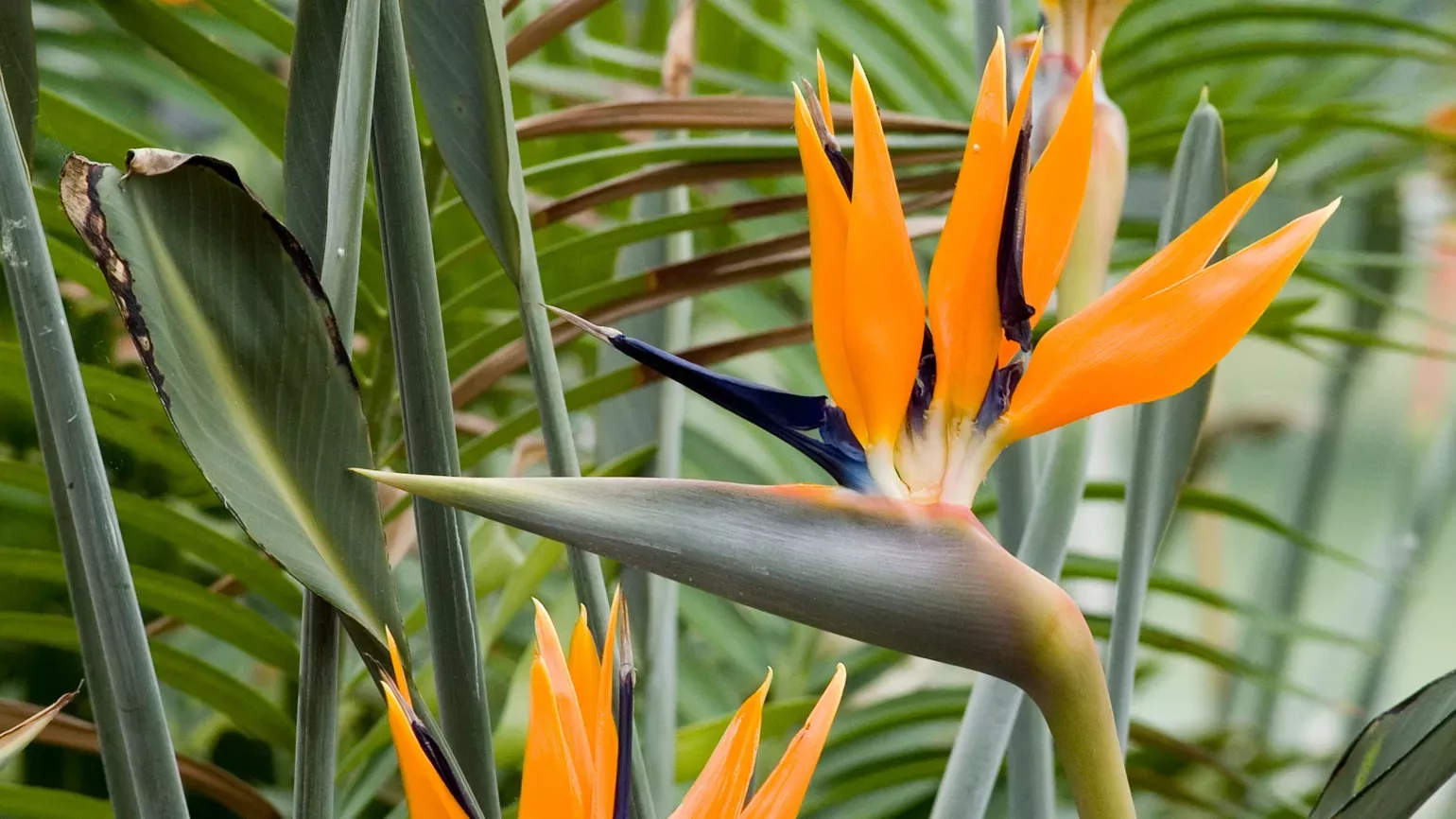
These flowers use colors and shapes to attract birds. Bright reds, oranges, and yellows are common colors. Flowers may also have tubular shapes that fit bird beaks.
- Strong colors like red or orange
- Large, open shapes for easy access
- Sturdy petals to support bird perching
- Visible nectar guides on petals
- High nectar production to reward birds
Flower Timing And Position
Bird-pollinated flowers show special traits to attract birds. Their timing and position help birds find and feed easily.
These adaptations increase the chance of pollination by matching birds’ habits and movements.
Daytime Blooming Patterns
Many bird-pollinated flowers open when birds are most active. These flowers bloom during the day to match bird feeding times.
- Flowers open early morning to catch the first birds.
- Some stay open all day for constant bird visits.
- Others bloom at midday when bird activity peaks.
- Timing prevents flowers from wasting energy at night.
Strategic Flower Placement
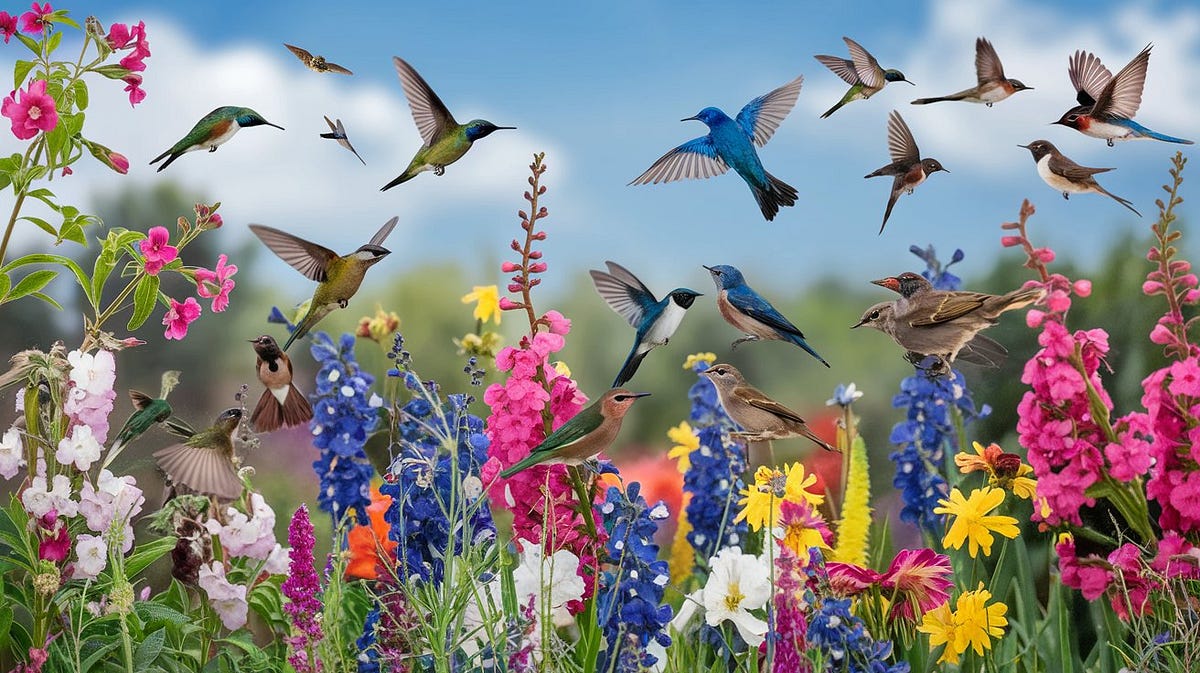
Flowers position themselves where birds can easily see and reach them. This makes pollination easier and faster.
| Placement Type | Benefit |
|---|---|
| High on branches | Visible to flying birds |
| Grouped in clusters | Attracts more birds at once |
| Near feeding paths | Easy access for regular bird visits |
| Bright colors facing outwards | Better visibility |
Credit: medium.com
Stamen And Pistil Adaptations
Bird-pollinated flowers show special changes in their stamen and pistil. These changes help the flower spread pollen effectively by birds.
These adaptations make sure that pollen sticks to the bird and moves to the next flower. Let’s look at two main types of changes.
Protruding Reproductive Parts
In bird-pollinated flowers, the stamen and pistil often stick out far from the flower. This helps birds touch these parts easily while feeding on nectar.
- The stamens are long and strong to hold pollen outside the flower.
- The pistil is also long to catch pollen from birds.
- These parts are placed where bird’s head or beak can touch them.
- Bright colors near these parts attract birds and guide them.
Efficient Pollen Transfer
Bird-pollinated flowers have special ways to keep pollen on the bird. This helps pollen move to other flowers easily.
| Adaptation | Purpose |
| Sticky pollen grains | Attach firmly to bird feathers or beak |
| Positioned stamens | Make pollen fall on specific bird body parts |
| Strong pistil surface | Catch pollen from visiting birds |
| Flower shape | Guide birds for proper contact with pollen |
Bird Attraction Strategies
Bird pollinated flowers have special ways to attract birds. These flowers use colors and shapes that appeal to birds.
Two key strategies are the use of perches and flower clustering. These help birds find and visit the flowers easily.
Use Of Perches
Many bird-pollinated flowers grow near strong perches. Birds rest on these perches while feeding on nectar. This makes it easier for them to visit flowers and pollinate.
- Perches are often branches or stems near flowers.
- They give birds a safe place to land and watch for predators.
- Perches help birds save energy during feeding.
Flower Clustering
Bird-pollinated flowers often grow in groups or clusters. This shows birds many flowers at once. Clustering increases the chance a bird will visit several flowers quickly.
| Benefit | Explanation |
| Easy to find | Clusters are more visible to birds from far away. |
| Efficient feeding | Birds get more nectar with less flying. |
| More pollination | Clusters help spread pollen to many flowers. |
Credit: www.kew.org
Frequently Asked Questions
What Are The Key Adaptations Of Bird-pollinated Flowers?
Bird-pollinated flowers are brightly colored, often red or orange, to attract birds. They produce abundant nectar and have sturdy structures to support bird visits. Their pollen is sticky and placed where birds can easily pick it up during feeding.
How Do Flower Shapes Adapt To Bird Pollination?
Bird-pollinated flowers often have tubular or funnel shapes. These shapes fit bird beaks, facilitating easy access to nectar. This design ensures efficient pollen transfer as birds feed, enhancing pollination success.
Why Do Bird-pollinated Flowers Produce More Nectar?
Bird-pollinated flowers produce more nectar to attract and reward birds. Nectar serves as a high-energy food source, encouraging frequent visits. This adaptation increases the chances of effective pollen transfer between flowers.
How Do Bird-pollinated Flowers Protect Pollen?
These flowers produce sticky or heavy pollen that adheres to bird feathers. This ensures pollen sticks during visits and is transferred to other flowers. It reduces pollen loss and maximizes pollination efficiency.
Conclusion
Bird-pollinated flowers showcase amazing adaptations. Bright colors attract birds easily. Tubular shapes match birds’ beaks perfectly. Sweet nectar rewards their visits. Strong stems support their weight. These traits ensure effective pollination. Birds and flowers benefit mutually. Nature’s design is truly fascinating.
Such adaptations highlight nature’s brilliance. Observing these flowers enriches our understanding. Enhancing appreciation for nature’s intricate web. Encourage exploration and learning. Discover more wonders in your garden. Enjoy the beauty and complexity around. Nature’s creativity never ceases to amaze. These flowers are a testament to evolution.
Keep exploring the natural world. There’s always more to learn.