Have you ever looked into your bird bath and noticed tiny worms wriggling around? It can be unsettling and make you wonder if they’re harmful to your feathered visitors.
You might ask yourself, “What are these tiny worms, and should I be worried? ” Understanding what these little creatures are and why they appear can help you keep your bird bath clean and safe. Keep reading to uncover the truth about these tiny worms and learn simple steps you can take to protect your birds and enjoy a pest-free bird bath.
Identifying The Tiny Worms
Sometimes you may spot tiny worms in your bird bath. These small creatures can be surprising. Knowing what they are helps you decide what to do.
Bird baths often hold standing water. This water creates a home for different tiny worms. These worms come in different types and shapes.
Common Types Found In Bird Baths
Many tiny worms live in bird baths. Some common ones include mosquito larvae, nematodes, and midge larvae. Each has a different role in the water.
- Mosquito larvae:Often called wigglers, they live just under the water surface.
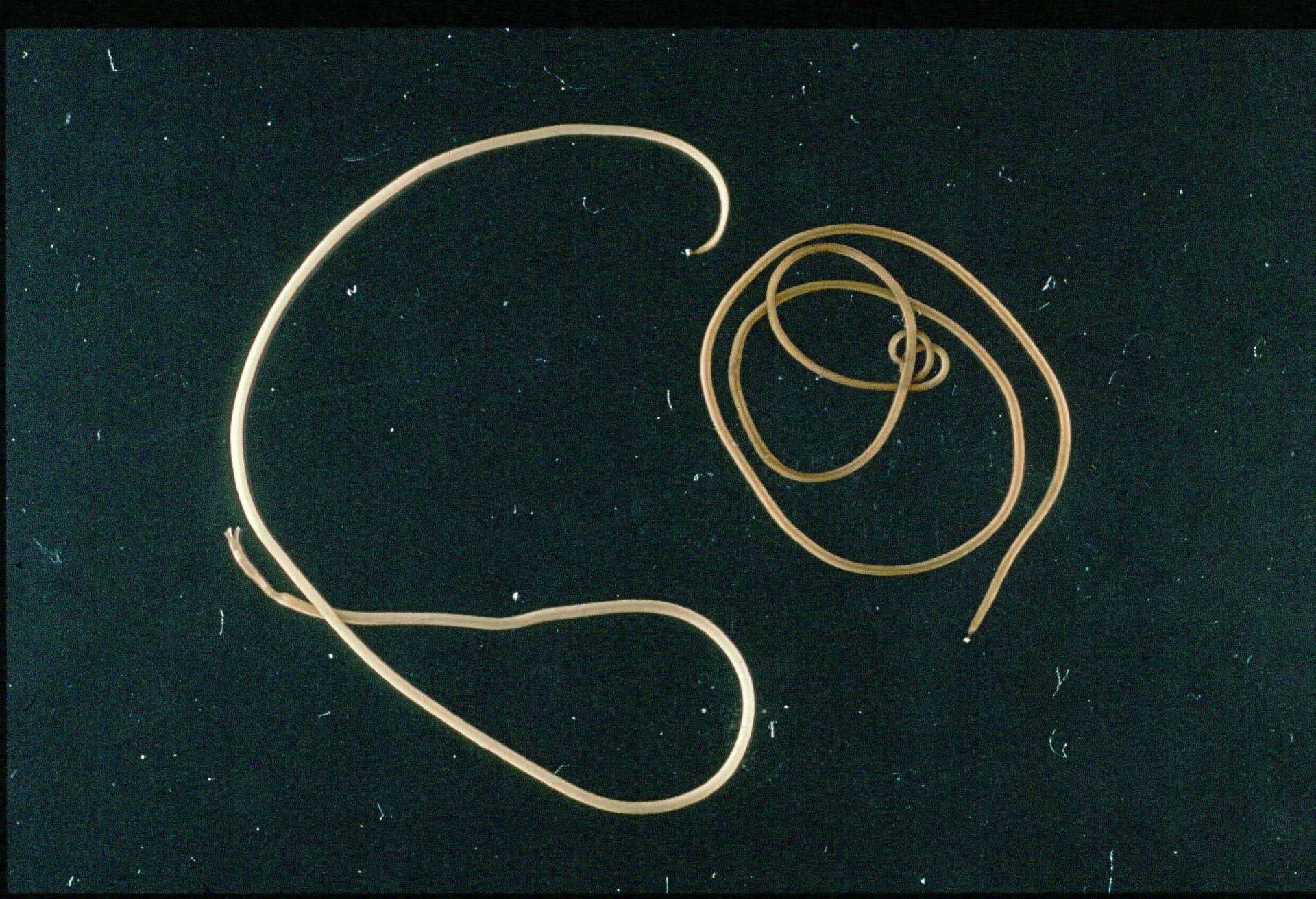
- Nematodes:Small roundworms that may swim or crawl in water.
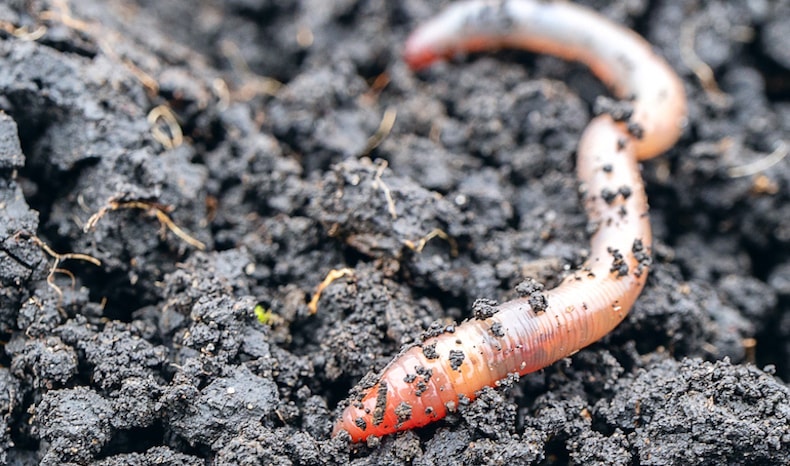
- Midge larvae:Also known as bloodworms, they are red and live at the bottom.
Physical Characteristics
Tiny worms in bird baths vary in size and color. Most are less than one inch long. Their bodies are usually slim and soft.
Some have clear or white bodies, while others are red or brown. Their heads may be tiny or hard to see. Some have small bristles or hairs.
| Type | Color | Size | Body Shape |
|---|---|---|---|
| Mosquito larvae | White to grey | 1/4 to 1/2 inch | Slender, segmented |
| Nematodes | Clear to white | Less than 1/4 inch | Round, smooth |
| Midge larvae | Red | 1/4 to 1/2 inch | Soft, segmented |
Behavior And Movement
Tiny worms move in different ways. Mosquito larvae wiggle their bodies to swim near the water surface. They hang from the surface to breathe.
Nematodes usually crawl slowly or swim in short bursts. Midge larvae wriggle at the bottom or in mud. They move in a snake-like way.
- Mosquito larvae: wiggle and hang near surface
- Nematodes: crawl or swim slowly
- Midge larvae: wriggle on bottom or mud
Credit: www.thompson-morgan.com
Why Worms Appear In Bird Baths
Tiny worms can show up in bird baths and cause concern. These worms are usually harmless but can indicate water conditions.
Understanding why worms appear helps keep bird baths clean and safe for birds.
Environmental Conditions
Worms thrive in warm, still water with organic material. Bird baths often collect leaves, dirt, and bird droppings. These create food and shelter for tiny worms.
Sources Of Contamination
Worms can enter bird baths from several sources. Birds bring insects and larvae on their feathers. Nearby plants drop seeds and debris. Sometimes, rainwater carries worms or eggs from other areas.
- Bird feathers carrying larvae
- Plant debris and seeds
- Rainwater runoff with worm eggs
- Nearby soil or compost contamination
Seasonal Factors
| Season | Effect on Worms |
| Spring | Warm weather boosts worm growth |
| Summer | Dry heat may reduce worms, but still present |
| Fall | Falling leaves increase organic matter |
| Winter | Cold slows worm activity, fewer worms found |
Health Risks To Birds And Humans
Tiny worms in bird baths can pose health risks to both birds and humans. These worms often come from contaminated water or soil.
Understanding these risks helps keep birds safe and prevents illness in people using the same water source.
Potential Diseases And Parasites
Worms in bird baths may carry diseases and parasites that affect birds and humans. Some worms are tiny larvae of larger parasites.
These parasites can cause infections if birds drink or bathe in contaminated water. Humans may get sick if they touch or ingest the water.
- Avian worms can cause digestive problems in birds.
- Some worms carry bacteria harmful to humans.
- Parasites like nematodes may live in the water.
Impact On Bird Health
Birds exposed to tiny worms may suffer from poor health. Worms can block their digestive system and cause weakness.
Sick birds may stop eating and become vulnerable to other diseases. This lowers their chance to survive in the wild.
- Weight loss and lethargy
- Diarrhea and dehydration
- Weakened immune system
- Increased risk of death
Safety Precautions
Keep bird baths clean to reduce worm risks. Change the water regularly and scrub the bath often.
Place bird baths in sunny spots to prevent worm growth. Avoid stagnant water where worms thrive.
- Change water every 2-3 days
- Scrub bird bath weekly
- Use fresh, clean water
- Keep bath in direct sunlight
- Remove debris and algae
Effective Cleaning Techniques
Tiny worms in your bird bath can be a sign of dirty water. Cleaning your bird bath keeps birds healthy and happy. Regular cleaning removes these pests and stops their growth.
Using the right cleaning methods helps keep the bird bath safe. Clean it well without harming birds or plants nearby.
Safe Cleaning Agents
Choose cleaning agents that do not harm birds or other animals. Avoid harsh chemicals like bleach or strong detergents. These can be toxic to birds.
Use natural or mild cleaners instead. Vinegar and baking soda work well to clean and remove slimy buildup.
- White vinegar diluted with water
- Baking soda paste for scrubbing
- Mild soap safe for wildlife
- Warm water for rinsing
Frequency Of Cleaning
Clean your bird bath often to stop worms from growing. Warm weather can cause faster buildup, so clean more in summer.
At least once a week is best. Clean more if you see worms, algae, or dirt.
- Weekly cleaning in warm weather
- Every two weeks in cooler months
- Clean immediately if worms appear
Tools And Equipment
Use simple tools to clean your bird bath well. A soft brush helps remove dirt without scratching the surface. Avoid metal brushes that can damage the bath.
Other helpful tools include a hose or bucket for rinsing and gloves to protect your hands.
- Soft-bristled brush or sponge
- Garden hose or buckets for water
- Rubber gloves for hand protection
- Scraper for tough spots (plastic only)
Preventing Future Infestations
Tiny worms in bird baths can bother birds and make water dirty. Stopping these pests from coming back is important for healthy birds.
Simple care and smart choices help keep your bird bath clean and safe. Here are some tips to prevent future infestations.
Water Maintenance Tips
Change the water in your bird bath often. Stale water invites tiny worms and pests to grow.
- Empty and refill the bird bath every 2-3 days.
- Scrub the basin weekly to remove algae and dirt.
- Use a small fountain or dripper to keep water moving.
- Remove leaves and debris from the water daily.
Design Considerations For Bird Baths
Choose bird bath designs that reduce worm habitats. Shallow basins dry faster and are easier to clean.
| Feature | Benefit |
| Shallow water depth | Prevents standing water where worms thrive |
| Textured surface | Helps birds grip and reduces algae growth |
| Drain holes | Allows easy water drainage and cleaning |
| Material (stone or metal) | Less likely to harbor pests than plastic |
Natural Deterrents
Use natural items to keep worms away. These are safe for birds and the environment.
- Add a few drops of apple cider vinegar to the water to discourage worm growth.
- Place fresh herbs like mint or rosemary near the bird bath to repel pests.
- Introduce mosquito dunks that are safe for birds to reduce larvae.
- Keep nearby plants trimmed to increase sunlight and reduce dampness.
Credit: owlcation.com
Alternative Water Sources For Birds
Birds need clean water to drink and bathe. Sometimes bird baths get tiny worms. These worms come from standing water that is not fresh. Using other water sources helps keep birds safe and healthy.
Alternative water sources can stop worm growth. They also attract more birds to your yard. Here are some easy ideas to try.
Using Drippers And Misters
Drippers and misters add fresh water drops slowly. This stops water from sitting still. Birds like the sound and movement of dripping water. It also keeps water clean and oxygenated.
You can attach drippers to a bird bath or a shallow dish. Misters spray fine water droplets. Both help stop tiny worms from growing by moving the water.
- Drippers release water drop by drop
- Misters spray a gentle mist
- Both keep water fresh longer
- Easy to install and maintain
Creating Moving Water Features
Moving water stops worms and insects from multiplying. Small fountains or pumps make water flow. Birds enjoy bathing in moving water. It also helps keep the water clean.
You can use solar-powered pumps or battery-operated fountains. These options are easy to set up in your garden. Moving water is a natural way to keep water fresh for birds.
- Small fountains create gentle water flow
- Solar pumps save energy
- Moving water prevents worm growth
- Attracts more birds to your yard
Benefits Of Alternatives
Using alternative water sources keeps bird baths clean. It stops tiny worms from appearing. Fresh water helps birds stay healthy and hydrated. It also reduces the need to clean the bath often.
Birds like moving water. Alternatives create a safer, more inviting place for birds. These choices help you enjoy watching more birds visit your yard.
- Reduces worms and insects in water
- Keeps water clean longer
- Attracts more birds with fresh water
- Less work cleaning bird baths

Credit: www.reddit.com
Frequently Asked Questions
What Are The Tiny Worms In My Bird Bath?
The tiny worms are likely mosquito larvae. They thrive in stagnant water and appear as small wriggling worms. These larvae can grow into mosquitoes if not removed promptly.
Are These Tiny Worms Harmful To Birds?
No, the tiny worms in bird baths are generally not harmful to birds. However, mosquito larvae can spread diseases if mosquitoes mature. Regular cleaning keeps birds safe and water fresh.
How Can I Get Rid Of Worms In My Bird Bath?
Empty and scrub your bird bath weekly to prevent larvae. Use fresh water and consider adding mosquito dunks, safe for birds, to eliminate larvae effectively.
Why Do Worms Keep Appearing In My Bird Bath?
Worms reappear due to stagnant water and warm temperatures. Standing water creates a perfect breeding ground for mosquito larvae. Regular maintenance disrupts their life cycle.
Conclusion
Tiny worms in bird baths are common and usually harmless. They often come from mosquito larvae or similar small creatures. Regular cleaning keeps your bird bath healthy and inviting. Use a brush and mild soap. Rinse thoroughly to remove any residue.
This simple routine helps prevent worms from returning. Observing birds enjoy a clean bath is rewarding. Plus, it ensures their health and happiness. So, check and clean your bird bath regularly. Nature and your feathered friends will thank you. Keep your bird bath a safe haven.
Enjoy the beauty it brings to your garden.