
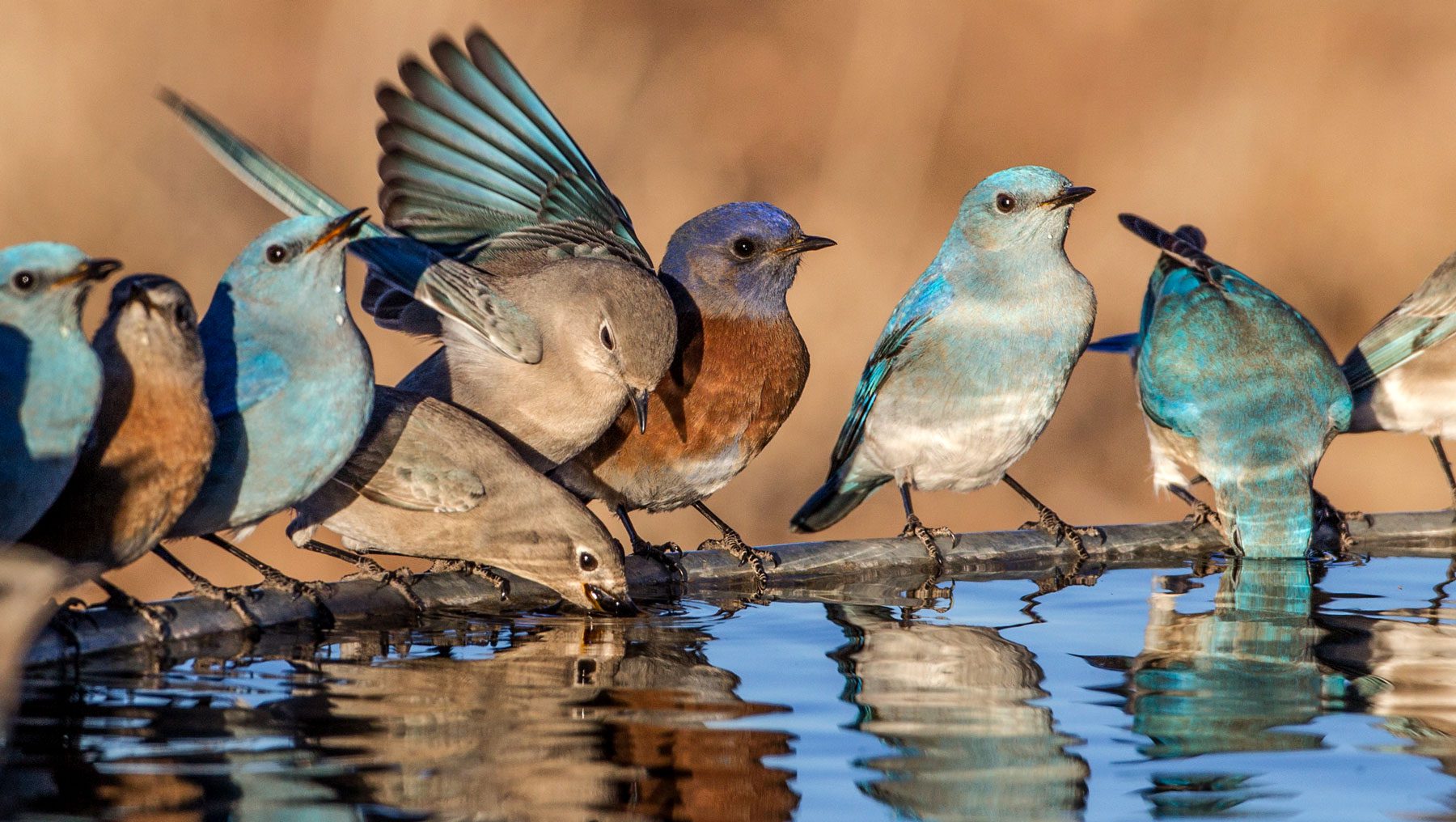
Have you ever wondered what truly attracts birds to your garden or backyard? If you want to see more colorful feathers fluttering around, you need to know what catches their attention the most.
By understanding what birds love, you can create a space that feels like a natural haven for them. Imagine stepping outside and watching a variety of birds visit your home every day. Keep reading, and you’ll discover simple yet powerful ways to make your outdoor space irresistible to birds.
Your garden will never look the same again!
Best Foods To Attract Birds
Birds visit feeders for tasty and nutritious food. Offering the right foods helps attract many bird species.
Different birds prefer different kinds of food. Knowing what they like can bring more birds to your yard.
Seeds That Birds Love
Many birds enjoy seeds. Some seeds attract more birds than others. Black oil sunflower seeds are very popular.
- Black oil sunflower seeds are high in fat and easy to crack.
- Nyjer seeds attract small finches like goldfinches and siskins.
- Milo seeds are good for doves and pigeons.
- Millet is loved by sparrows and juncos.
Fruits And Nuts
Fruits and nuts offer energy and nutrients. Many birds eat berries, apples, and peanuts.
| Fruit or Nut | Birds Attracted |
| Blueberries | Thrushes, robins |
| Apple slices | Orioles, woodpeckers |
| Peanuts (unsalted) | Woodpeckers, jays, chickadees |
| Raisins | Mockingbirds, waxwings |
Suet And Mealworms
Suet is a high-energy food made from animal fat. It helps birds in cold weather. Mealworms are live or dried insects that many birds enjoy.
Suet attracts woodpeckers, nuthatches, and chickadees. Mealworms are loved by bluebirds and wrens.
- Use suet blocks in a suet feeder.
- Offer live mealworms in a shallow dish.
- Dried mealworms last longer and are easy to store.
Ideal Bird Feeders
Bird feeders attract many bird species to your garden. They offer food and a place to rest. Choosing the right feeder helps birds visit often.
Feeders come in many types. Their placement and care affect how well they work. Good feeders keep birds safe and healthy.
Types Of Feeders
Different feeders suit different kinds of birds. Some hold seeds, others offer nectar or suet. Pick feeders that fit local birds’ needs.
- Tube Feeders: Hold small seeds and attract finches and chickadees.
- Hopper Feeders: Store large amounts of seed for many birds at once.
- Saucer Feeders: Open design for easy access, good for ground-feeding birds.
- Nectar Feeders: Designed for hummingbirds to drink sweet liquid.
- Suet Feeders: Hold fat cakes that woodpeckers and nuthatches enjoy.
Placement Tips
Place feeders where birds feel safe. Keep them near trees or bushes for quick shelter. Avoid spots near busy roads or noisy areas.
- Mount feeders 5 to 6 feet above the ground to protect from predators.
- Keep feeders away from windows to prevent bird collisions.
- Place feeders in shady areas to keep food fresh longer.
- Space multiple feeders apart to reduce bird fights.
- Ensure feeders are easy to reach for refilling and cleaning.
Cleaning And Maintenance
Clean feeders regularly to stop mold and disease. Dirty feeders can harm birds and reduce visits. Use mild soap and water for cleaning.
| Cleaning Task | Frequency |
| Wash feeder with soap and water | Every 2 weeks |
| Disinfect with bleach solution | Monthly |
| Remove old or wet seed | Weekly |
| Check feeder for damage | Monthly |
Creating Bird-friendly Habitats
Birds need safe places to eat, drink, and rest. Creating habitats helps birds live and thrive near you.
Simple changes in your garden or yard can attract many bird species. Focus on plants, water, and shelter.
Native Plants And Flowers
Native plants provide food and shelter that local birds recognize. They offer seeds, nectar, and insects for birds.
Choose a variety of native plants that bloom at different times. This gives birds food all year long.
- Plant shrubs with berries for fruit-eating birds
- Use wildflowers to attract insects for insect-eating birds
- Include seed-producing grasses for seed eaters
Water Sources
Birds need clean water to drink and bathe. A fresh water source draws birds to your space.
Use birdbaths, shallow dishes, or small ponds. Keep water clean and fresh to keep birds safe.
- Place water near plants for easy access
- Change water every few days to avoid mosquitoes
- Add stones or sticks for birds to perch on
Shelter And Nesting Spots
Birds need safe places to hide from predators and bad weather. Shelter helps them feel secure.
Provide natural cover like bushes and trees. You can also add birdhouses or nesting boxes for extra help.
- Keep dense shrubs or hedges for hiding spots
- Place nesting boxes in quiet, sheltered areas
- Leave dead trees or branches for natural nests

Credit: www.allaboutbirds.org
Using Colors And Sounds
Birds use their senses to find food and safe places. Colors and sounds can help attract them.
Knowing which colors and sounds birds like makes it easier to invite them to your garden.
Colors That Attract Birds
Birds see colors clearly and use them to find flowers and fruits. Bright colors catch their attention.
Red, yellow, and orange are the most attractive colors for many bird species.
- Red often attracts hummingbirds and cardinals.
- Yellow draws finches and orioles.
- Orange appeals to orioles and some warblers.
- Blue and purple can attract bluebirds and jays.
Bird Calls And Music
Birds listen to sounds to find others and safe places. Playing bird calls can invite them near.
Soft music with natural tones may also attract birds, but loud noises can scare them away.
- Use recordings of local bird calls to attract native species.
- Keep volume low to avoid frightening birds.
- Natural sounds like water or wind help create a welcoming space.
Seasonal Tips For Birdwatching
Birdwatching changes with the seasons. Different birds visit at different times. Knowing what attracts birds helps you enjoy watching them more.
Seasonal tips can guide you to create the best bird-friendly spots. Each season calls for new strategies to welcome birds to your yard.
Spring And Summer Strategies
Spring and summer bring many birds looking for food and places to nest. Offering fresh water and native plants helps attract them. Flowers and shrubs with seeds and berries are popular.
Bright feeders with nectar or fruit can attract hummingbirds and orioles. Keep feeders clean and filled. Adding nesting boxes gives birds safe homes during breeding season.
- Provide fresh water daily
- Plant native flowering plants and shrubs
- Use nectar feeders for hummingbirds
- Place nesting boxes in quiet areas
- Keep feeders clean and full
Fall And Winter Adjustments
In fall and winter, birds need high-energy foods to stay warm. Offer seeds like sunflower and safflower. Suet feeders supply fat that helps birds survive cold days.
Keep water from freezing by using heated birdbaths. Add evergreen trees or shrubs to provide shelter from wind and predators. Remove leaf litter to prevent mold and pests.
- Fill feeders with high-fat seeds and suet
- Use heated birdbaths to provide fresh water
- Plant evergreens for shelter
- Clear leaf litter to reduce pests
- Place feeders where birds feel safe

Credit: www.birdsandblooms.com
Avoiding Common Mistakes
Attracting birds to your yard is fun and rewarding. You must avoid common mistakes to keep birds safe and happy.
Simple actions can prevent harm and keep birds coming back to your feeders and garden.
Unsafe Foods And Plants
Some foods and plants can hurt birds. Avoid feeding birds these items to keep them healthy.
- Do not offer chocolate, avocado, or caffeine.
- Avoid plants like rhododendrons and foxglove near feeders.
- Never give birds salty, sugary, or spoiled food.
- Keep pets' food away from bird feeding areas.
Predator Prevention
Birds need safe spaces to feed. Protect them from predators like cats and hawks.
| Predator | How to Protect Birds |
| Domestic Cats | Keep cats indoors or away from feeders |
| Hawks and Raptors | Place feeders near shrubs or trees for quick escape |
| Squirrels and Raccoons | Use baffles on poles and feeders |
Keeping Feeders Clean
Dirty feeders spread disease among birds. Clean feeders often to keep birds healthy.
- Wash feeders with warm soapy water every two weeks.
- Rinse well to remove soap residue.
- Remove moldy or old food daily.
- Dry feeders completely before refilling.

Credit: www.reddit.com
Frequently Asked Questions
What Food Types Attract Birds The Most?
Birds are attracted to seeds, nuts, fruits, and suet. Different species prefer specific foods, such as sunflower seeds for finches and peanuts for woodpeckers. Providing a variety of foods increases bird visits and diversity in your garden or feeding area.
How Does Bird Feeder Placement Affect Attraction?
Placing feeders near trees or shrubs offers shelter and safety. Birds feel secure when they can quickly escape predators. Avoid placing feeders too close to windows to prevent collisions. Proper placement encourages more frequent visits and longer stays.
What Colors Attract The Most Birds?
Bright colors like red, orange, and yellow attract hummingbirds and orioles. Blue and purple can also appeal to certain species. Using colorful feeders and decorations increases visibility and draws birds from a distance, enhancing your birdwatching experience.
Do Water Sources Attract More Birds?
Yes, fresh water from birdbaths or small ponds attracts many bird species. Water is essential for drinking and bathing, especially in dry seasons. Regularly cleaning and refilling water sources keeps birds healthy and encourages repeated visits.
Conclusion
Birds love vibrant colors and sweet scents. Simple feeders filled with seeds attract them. Water sources like birdbaths draw thirsty birds. Dense shrubs offer shelter and safety. Providing nesting materials invites them to stay. Keep environments natural and pesticide-free. Birds flock to safe, welcoming spaces.
Try these tips to enjoy their beauty and songs. Watch as your garden becomes a lively bird haven. Enjoy the vibrant activity and colors. Encourage a thriving bird community in your backyard. Nature's wonders await you right outside your door.


