Have you ever watched a bird swoop and snap at tiny insects flying through the air? It’s a fascinating sight that shows incredible skill and speed.
But which birds are the real experts at catching insects while flying? If you’re curious about these amazing aerial hunters and want to know how they do it, you’re in the right place. Keep reading, and you’ll discover the secret champions of the sky that keep the insect population in check—all while performing breathtaking midair acrobatics.
Your next backyard birdwatching experience will never be the same!
Birds That Hunt Insects Midair
Many birds catch insects while flying. This skill helps them find food quickly and stay active.
These birds use sharp eyesight and fast flight to catch their prey in the air.
Swallows
Swallows are small birds known for their graceful flight. They catch flying insects using their wide mouths.
They fly low over fields and water to find bugs. Their agility helps them catch many insects at once.
Swifts
Swifts spend most of their time in the air. They catch insects while flying very fast.
Their long wings and small bodies make them excellent hunters of airborne bugs.
Flycatchers
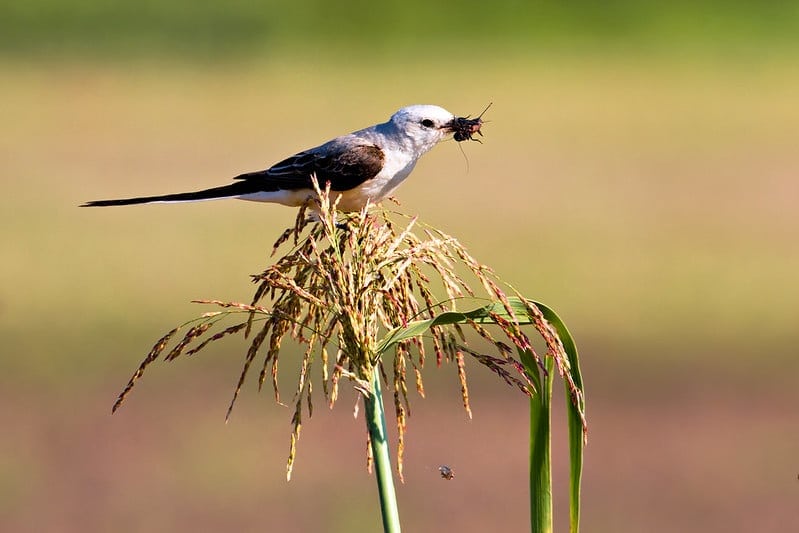
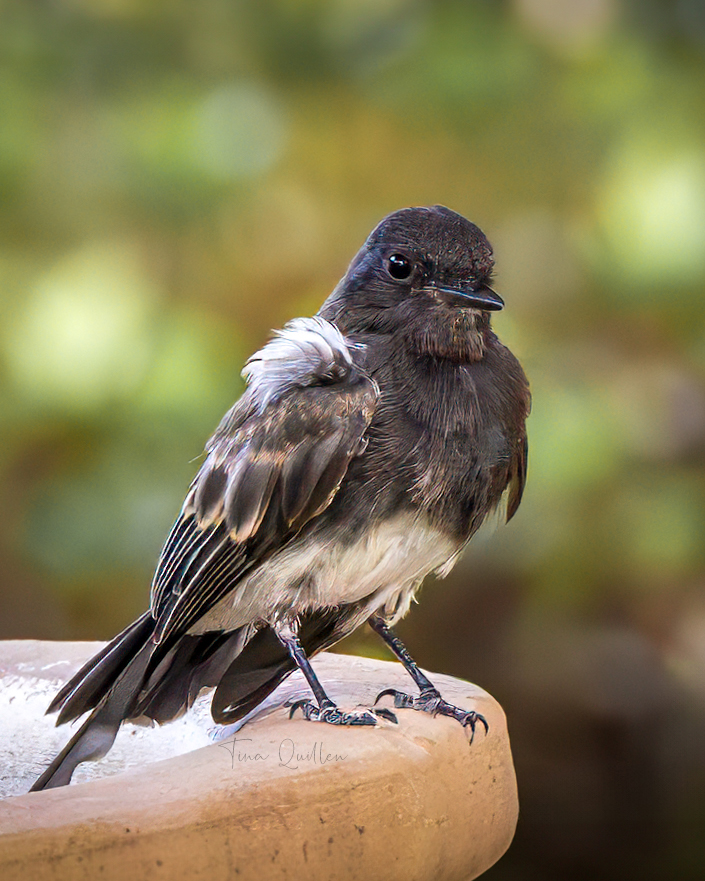
Flycatchers wait on branches and then fly out to catch insects midair. They use quick, sharp movements.
They often return to the same spot after catching their prey to eat or feed their young.
Hummingbirds
Hummingbirds catch tiny insects while hovering near flowers. They use their fast wings to stay still.
Insects provide protein that helps hummingbirds stay strong and healthy.
Nighthawks
Nighthawks hunt insects at dusk and dawn. They fly in open areas and snap up bugs in the air.
Their camouflage helps them stay hidden while waiting for insects to appear.
Swifts: Masters Of Aerial Hunting
Swifts are birds that catch insects while flying. They spend most of their time in the air. Their skill in flight helps them find food easily.
These birds use special body features and smart hunting ways. They can catch many insects in midair without landing.
Physical Adaptations For Flight
Swifts have bodies made for fast and long flights. Their wings are long and curved. This shape helps them glide and turn quickly.
- Strong chest muscles power their wings
- Small, lightweight bodies reduce air resistance
- Short legs help in clinging, not walking
- Wide mouths catch insects easily while flying
Hunting Techniques And Behavior
Swifts hunt insects by flying at high speeds. They catch bugs in the air using their wide beaks. Their eyes help spot small prey quickly.
| Hunting Method | Description |
| Continuous Flight | Swifts stay flying for hours while searching for insects. |
| Aerial Chasing | They chase insects in the air with fast and agile moves. |
| Group Hunting | Sometimes swifts hunt in flocks to catch more insects. |
| Sunlight Use | They hunt more when sunlight makes insects active. |
Swallows: Agile Insect Catchers
Swallows are small birds known for their quick and smooth flight. They catch insects while flying in the air. Their agility helps them hunt with great skill.
These birds use their speed and sharp movements to grab insects midair. They are important for controlling insect populations.
Flight Patterns And Speed
Swallows have fast and graceful flight. They often fly low over fields and water. Their wing shape lets them change direction quickly.
- Fly at speeds up to 30 miles per hour
- Perform sharp turns and quick dives
- Use gliding to save energy while hunting
- Often fly in groups called flocks
Diet And Prey Preferences
Swallows mainly eat flying insects. They catch many types of bugs during flight. Their diet helps reduce pests in farms and gardens.
| Insect Type | Description |
| Flies | Common and easy to catch |
| Mosquitoes | Small and abundant near water |
| Beetles | Often caught during quick dives |
| Moths | Active mainly at dusk and dawn |
Credit: x.com
Flycatchers: Patient And Precise
Flycatchers are birds known for catching insects in midair. They wait quietly and watch for their prey.
These birds use sharp eyesight and quick movements to catch flying insects. Their hunting style is both patient and precise.
Perching And Swooping Methods
Flycatchers often sit still on a branch or wire. They watch for insects flying nearby.
- They stay quiet and alert while perching.
- Once they spot an insect, they swoop out swiftly.
- They catch the insect in midair with their wide, open beak.
- Then, they return to their perch to eat or rest.
Favorite Hunting Grounds
Flycatchers like areas where insects are easy to find. They choose spots with plenty of flying bugs.
| Hunting Ground | Reason |
| Open fields | Many flying insects |
| Forest edges | Good perching spots and insect variety |
| Near water | High insect activity |
| Gardens | Plenty of flies and moths |
Nightjars: Stealthy Nocturnal Hunters
Nightjars are birds that catch insects while flying at night. They have special skills that help them hunt in the dark. These birds are very quiet and hard to see.
They use their wide mouths to scoop up flying insects in midair. Nightjars fly slowly and silently to surprise their prey.
Nighttime Insect Hunting
Nightjars hunt mostly at night when many insects are active. They catch moths, beetles, and other flying bugs using their sharp eyesight and hearing.
- Fly low and slow over fields or water
- Use wide mouths to catch insects on the wing
- Rely on keen eyes to spot prey in dim light
- Use silent flight to avoid scaring insects away
Camouflage And Silent Flight
Nightjars have feathers that look like tree bark or leaves. This helps them hide during the day. Their feathers are soft and fringed to reduce noise when they fly.
| Feature | Benefit |
| Camouflaged plumage | Blends with tree bark and ground |
| Soft, fringed feathers | Quiet flight to sneak up on insects |
| Wide mouth and bristles | Catch insects easily in flight |
Other Notable Insect Hunters
Birds that catch insects in midair use quick movements and sharp eyesight. They play a key role in controlling insect populations.
Besides the well-known insect catchers, some other birds also hunt insects by flying and catching them on the wing.
Hummingbirds And Their Feeding Style
Hummingbirds mostly sip nectar but also catch small insects midair for protein. They hover and dart quickly to grab tiny bugs.
- Hover in front of flowers to feed on nectar
- Snap up small flying insects and spiders
- Use their long, thin bills and tongues
- Catch insects in midair during flight
Kestrels And Occasional Insect Prey
Kestrels mostly hunt small mammals but will also catch insects when they are easy to find. They hunt by hovering and then swooping down.
| Hunting Method | Insect Types |
| Hovering and watching from above | Grasshoppers, beetles |
| Swift swoops to catch prey | Dragonflies, moths |
| Occasional insect hunting | When small mammals are scarce |
Flight Adaptations For Catching Insects
Many birds catch insects while flying. They have special body features for this task. These features help them fly fast and catch small insects in midair.
Understanding these flight adaptations shows how birds succeed in catching insects. These adaptations include wing shape and size, and eye coordination with fast reflexes.
Wing Shape And Size
Birds that catch insects in midair have pointed and narrow wings. These wings allow quick and agile flying. Smaller wings help with fast turns and sudden stops.
Long, slim wings reduce air resistance. This helps birds reach high speeds to catch fast insects. Wing size balances speed and control during flight.
- Pointed wings improve speed and agility
- Smaller wings allow sharp turns
- Long wings reduce air drag
- Wing size balances speed with control
Eye Coordination And Reflexes
Birds use sharp eyesight to spot tiny insects from a distance. Their eyes quickly focus on moving prey while flying. This helps them react fast to insect movements.
Fast reflexes allow birds to change direction quickly. They can catch insects even during sudden flight changes. Good eye coordination and reflexes are key to success.
- Sharp eyesight spots small insects
- Fast eye focus tracks moving prey
- Quick reflexes enable sudden flight changes
- Coordination helps catch insects midair

Credit: www.sacramentoaudubon.org
Environmental Factors Influencing Hunting
Birds that catch insects in midair depend on many environmental factors. These factors affect their hunting success and food availability.
Understanding these factors helps explain why some birds hunt better in certain places and times.
Insect Availability And Seasons
Insect numbers change with the seasons. Birds catch more insects when they are common and active.
Warm months bring many flying insects. Cold seasons reduce insect activity and numbers.
- Spring and summer have more flying insects
- Insect activity drops in fall and winter
- Rain and temperature affect insect flight
Habitat Types And Hunting Success
Birds need the right habitats to find insects in the air. Open areas and edges of forests are good places.
Dense forests or urban areas can limit hunting chances. Some birds adapt well to different habitats.
- Open fields allow birds to spot and catch insects easily
- Wetlands attract many flying insects and hunters
- Edges of forests provide a mix of open space and cover
- Urban areas may reduce insect numbers but some birds adapt
How To Spot These Birds In Action
Birds that catch insects in midair are a joy to watch. They swoop, dive, and flutter with great skill. Spotting them takes some patience and the right conditions.
Knowing when and where to look helps. This guide shares the best times and tips for birdwatchers to find these agile hunters.
Best Times For Observation
Insect-catching birds are most active during certain times of the day and year. Watching at these times increases your chances to see them in action.
- Early morning, just after sunrise, when insects start flying
- Late afternoon, before sunset, when birds hunt before roosting
- Warm days in spring and summer, when insect populations grow
- After light rain, as insects become more active
Tips For Birdwatchers
Use these simple tips to spot midair insect hunters more easily and enjoy your birdwatching experience.
| Tip | Description |
| Choose the Right Spot | Look near open fields, water, or forest edges where insects gather. |
| Use Binoculars | Binoculars help you see quick movements clearly from a distance. |
| Stay Still and Quiet | Sudden moves or noise can scare the birds away. |
| Wear Neutral Colors | Bright colors may frighten the birds, so choose earth tones. |
| Keep Notes | Write down when and where you spot these birds to learn patterns. |

Credit: www.sacramentoaudubon.org
Frequently Asked Questions
What Bird Catches Insects In Midair The Most?
The common swift is known for catching insects midair skillfully. They spend most of their life flying and hunting on the wing.
How Do Birds Catch Insects While Flying?
Birds use excellent eyesight and agile flight to snatch insects in midair. They often swoop or hover to catch prey.
Which Birds Specialize In Midair Insect Hunting?
Swallows, swifts, and flycatchers are top midair insect hunters. These birds have adapted flight skills and sharp vision for catching insects.
Why Do Birds Catch Insects In Midair?
Catching insects in midair provides birds with a rich protein source. It supports their energy needs, especially during breeding and migration seasons.
Conclusion
Birds that catch insects in midair show amazing skills. They fly swiftly, snatching bugs with precision. Swallows and flycatchers are experts at this. Their speed and agility help them survive. These birds play a vital role in controlling insect populations.
Watching them hunt can be fascinating. Nature’s aerial acrobats. Their presence reflects a healthy ecosystem. Observing these birds offers insight into nature’s balance. Next time you see a bird darting through the sky, appreciate its aerial prowess. It’s not just a bird.
It’s a master hunter in flight. A true marvel of nature.