Have you ever wondered which bird enjoys both juicy fruit and wriggling earthworms? If you’re curious about the unique eating habits of certain birds, you’re about to discover some surprising facts.
Knowing what these birds eat can help you attract them to your garden or simply satisfy your curiosity about nature. Keep reading, and you’ll learn exactly which birds have this interesting diet and why it matters to you.
Omnivorous Birds At A Glance
Many birds eat both plants and animals. These omnivorous birds have varied diets. They eat fruit, seeds, insects, and even earthworms.
Eating a mix of foods helps birds survive in different places. It also gives them energy and nutrients they need.
Common Omnivorous Birds
Some birds are well known for eating fruit and earthworms. These birds can adapt to many habitats. Their diets change with the seasons and food availability.
- American Robin
- European Starling
- Common Blackbird
- Blue Jay
- Thrushes
Why Eat Both Fruit And Earthworms?
Fruit provides sugars and vitamins. Earthworms offer protein and minerals. Together, they give a balanced diet.
Birds that eat both can find food in many places. They can pick fruit from trees or dig for earthworms in the soil.
Diet Variety In Omnivorous Birds
| Food Type | Benefits |
| Fruit | Energy, vitamins, antioxidants |
| Earthworms | Protein, minerals, fats |
| Insects | Protein, fat, easy to catch |
| Seeds | Energy, fiber |
How Omnivorous Birds Find Their Food
These birds use different methods to find fruit and earthworms. They watch for ripe fruit on trees. They also listen for worms moving underground.
- Pick fruit with their beaks
- Dig soil with feet or beak for earthworms
- Hunt insects on leaves or the ground
- Store food for later eating

Credit: www.earthofbirds.com
Common Fruit-eating Birds
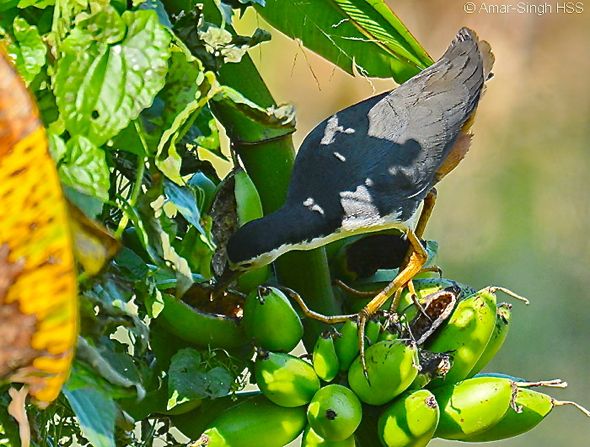
Many birds enjoy eating fruit and earthworms as part of their diet. These foods provide energy and nutrients they need to thrive.
Different birds live in different climates. Their fruit choices vary depending on where they live.
Tropical Fruit Lovers
Tropical birds eat a wide variety of fruits. They also eat earthworms and insects to get protein.
- Toucans: They eat mangoes, papayas, and figs. They also look for earthworms in the soil.
- Parrots: These birds enjoy bananas, guavas, and berries. They dig for earthworms during rainy days.
- Fruit Doves: They eat berries and small tropical fruits. They often feed on earthworms found under leaves.
Temperate Zone Fruit Eaters
Birds in temperate zones eat fruits from trees and shrubs. They also consume earthworms, especially in spring.
| Bird | Common Fruits Eaten | Earthworm Eating Habit |
| American Robin | Cherries, berries, apples | Feeds on earthworms on lawns |
| Eastern Bluebird | Mulberries, elderberries | Hunts earthworms after rain |
| Gray Catbird | Blackberries, raspberries | Forages for earthworms in leaf litter |
Birds That Consume Earthworms
Many birds eat earthworms as part of their diet. These birds find earthworms in soil and leaf litter. Earthworms provide important nutrients and energy.
Some birds also eat fruit along with earthworms. This mix gives them a balanced diet. Birds use different ways to find and catch earthworms.
Ground Foragers
Ground foragers are birds that search on the ground for food. They look for earthworms under leaves and soil. These birds walk or hop while searching.
Examples of ground foragers include robins and thrushes. They use their sharp eyes to spot earthworms moving. They also eat fruits found on the ground.
- American Robin
- Song Thrush
- Wood Thrush
- European Blackbird
Worm Hunting Techniques
Birds use different techniques to catch earthworms. Some listen for worms moving underground. Others feel vibrations in the soil with their feet.
Many birds use their beaks to pull earthworms from the ground. They may dig small holes or flip leaves. This helps them reach hidden worms.
- Listening for worm movement
- Feeling soil vibrations
- Using beak to pull worms out
- Digging or flipping leaves
Surprising Birds That Eat Both
Some birds eat a mix of fruit and earthworms. This shows their ability to find food in many places. These birds are different from those that eat only seeds or insects.
Eating both fruit and worms helps birds get a balanced diet. They get energy from fruit and protein from earthworms. This makes them strong and healthy.
Adaptable Feeding Habits
Birds with adaptable feeding habits can eat many types of food. They change their diet based on what is available. This helps them survive in different places and seasons.
These birds look for fruit when it is ripe and switch to earthworms or insects when fruit is scarce. This flexibility keeps them from starving during hard times.
- They eat fruit for sugar and energy
- They eat earthworms for protein and nutrients
- They adjust their diet depending on food availability
Examples Of Omnivorous Species
Many bird species eat both fruit and earthworms. These birds live in forests, gardens, and fields. They are good at finding different foods around them.
Some common omnivorous birds include thrushes, robins, and starlings. These birds eat berries, apples, and worms. Their diet helps them thrive in many environments.
- American Robin:Eats earthworms and berries
- European Starling:Eats fruit and insects
- Song Thrush:Eats snails, worms, and fruit
Benefits Of An Omnivorous Diet
Birds that eat both fruit and earthworms have a flexible diet. This helps them get different nutrients they need to stay healthy.
Eating both plants and animals gives birds more chances to find food. It also helps them survive in many environments.
Nutritional Advantages
An omnivorous diet provides a mix of vitamins, minerals, and proteins. Fruits give energy and vitamins, while earthworms supply important proteins and minerals.
This balanced nutrition helps birds build strong muscles and keep their feathers healthy. It also supports their immune system.
- Fruits offer carbohydrates and vitamin C
- Earthworms provide protein and iron
- Combined diet supports overall health
Seasonal Food Availability
Birds that eat both fruit and earthworms can adjust their diet by season. They eat more fruit when it is ripe and switch to earthworms when fruit is scarce.
This flexibility helps birds keep a steady food supply all year. It reduces the risk of hunger during tough seasons.
- Fruit is abundant in spring and summer
- Earthworms are easier to find in wet seasons
- Diet change helps birds survive winter

Credit: www.saws.org
Habitats Supporting Omnivorous Birds
Many birds eat both fruit and earthworms. These birds live in places where food is easy to find. Their habitats offer both plants and soil animals.
Knowing where these birds live helps us understand their diet and behavior. Two common habitats are woodlands and urban areas.
Woodlands And Forests
Woodlands and forests provide many fruits and rich soil full of earthworms. Trees and bushes offer shelter and food.
- Fruit trees like cherries and berries grow in forests.
- Leaf litter and soft soil attract earthworms.
- Birds find both fruits and worms in one place.
- Dense trees protect birds from predators.
Urban And Suburban Areas
Urban parks and gardens also support omnivorous birds. Fruit bushes and lawns with worms are common.
| Habitat | Fruits Available | Soil Food |
| City Parks | Apples, berries | Earthworms, insects |
| Suburban Gardens | Plums, grapes | Earthworms, grubs |
| Green Spaces | Mulberries, figs | Earthworms, larvae |
How To Attract Fruit And Earthworm Eating Birds
Birds that eat fruit and earthworms bring life to your garden. They help spread seeds and control pests naturally.
To attract these birds, you need to create a welcoming environment. This means growing food they like and making the soil good for worms.
Planting Fruit-bearing Trees
Fruit-eating birds look for trees with ripe fruits. Planting the right trees gives them a steady food source.
- Choose native fruit trees that grow well in your area.
- Plant a variety of trees to offer different fruits throughout the year.
- Include berry bushes and small fruit plants near the trees.
- Allow some fruits to drop naturally; birds enjoy picking from the ground.
- Avoid using pesticides to keep the fruits safe for birds.
Creating Worm-friendly Environments
Earthworms are a main food source for many birds. Healthy soil with plenty of worms attracts these birds.
| Action | Benefit for Worms |
| Use compost to enrich soil | Provides food and moisture |
| Keep soil moist but not waterlogged | Creates a good living environment |
| Avoid chemicals and pesticides | Prevents harm to worms |
| Add leaf litter and mulch | Offers shelter and food |
| Turn soil gently when planting | Does not disturb worm tunnels |
Credit: besgroup.org
Frequently Asked Questions
What Bird Species Eat Both Fruit And Earthworms?
Many birds like American robins, thrushes, and starlings eat both fruit and earthworms. These birds adapt their diet based on food availability and season changes, helping them get balanced nutrition for survival.
Why Do Some Birds Eat Fruit And Earthworms Together?
Birds consume fruit for energy and earthworms for protein. This combination helps meet their nutritional needs, supporting growth, reproduction, and overall health throughout the year.
How Do Birds Find Earthworms In The Soil?
Birds locate earthworms by sight and sound. They detect movement or vibrations in the soil, then use their beaks to dig and pull the worms out efficiently.
Can Fruit-eating Birds Survive Without Earthworms?
Yes, many fruit-eating birds can survive without earthworms temporarily. However, earthworms provide essential protein that supports their health, especially during breeding seasons.
Conclusion
Birds that enjoy fruit and earthworms bring balance to nature. These birds, like robins and thrushes, play vital roles. They help control insect populations and spread seeds. This makes them important for ecosystems. Their diets show how diverse and adaptable birds can be.
Observing these birds enriches our understanding of nature. It also highlights the intricate connections in the environment. Understanding their habits can inspire us to protect their habitats. A healthy bird population benefits the entire ecosystem. By appreciating these creatures, we gain more respect for the natural world.