
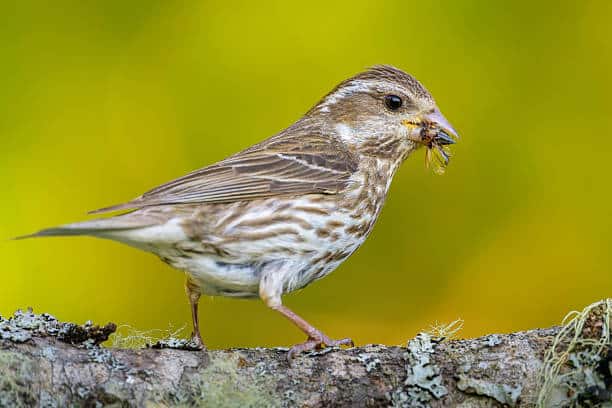
Have you ever wondered which birds help keep your garden free of pesky insects? Knowing what bird eats insects can change the way you see these feathered friends.
Imagine having natural pest control right outside your window, saving you from using chemicals. You’ll discover the top insect-eating birds and how they benefit your outdoor space. Keep reading to learn how attracting these birds can make your environment healthier and more enjoyable.
Birds That Feed On Insects
Many birds eat insects as their main food. Insects give birds protein and energy. These birds help control insect populations in nature.
Birds that feed on insects live in many places. They catch insects in the air, on plants, or on the ground. Here are some common insect-eating birds.
Swallows
Swallows catch insects while flying. They have long wings that help them move fast. They eat flies, beetles, and mosquitoes.
Swallows often live near water. They build mud nests under bridges or in barns.
Woodpeckers
Woodpeckers find insects under tree bark. They use their strong beaks to peck wood. They eat ants, beetle larvae, and termites.
Woodpeckers also help trees by removing harmful insects. They live in forests and parks.
Flycatchers
Flycatchers catch insects in the air. They sit on branches and watch for prey. Their diet includes flies, moths, and wasps.
These birds live in woodlands and gardens. They have sharp eyes and quick reflexes.
Warblers
Warblers eat small insects and spiders. They search leaves and branches for food. These birds are small and often colorful.
Warblers live in forests and shrubs. They migrate long distances each year.
Nuthatches
Nuthatches climb trees headfirst to find insects. They eat beetles, caterpillars, and ants. Their strong feet help them grip bark.
They live in woodlands and build nests in tree holes.
Common Insect-eating Birds
Many birds eat insects to get protein and energy. Insect-eating birds help control pest populations.
These birds use different hunting styles to catch insects. Some catch flying bugs, and others find insects on trees.
Swallows And Their Hunting Techniques
Swallows are fast flyers that catch insects while flying. They have long wings and tails to help them turn quickly.
They often fly low over water or fields where many insects live. Swallows eat flies, mosquitoes, and beetles.
Flycatchers: Masters Of Aerial Insect Hunting
Flycatchers sit on branches and watch for flying insects. When they see one, they quickly fly out to catch it.
They can catch insects in mid-air and return to their perch to eat. Flycatchers eat flies, moths, and small beetles.
Warblers And Their Feeding Habits
Warblers are small birds that search for insects in leaves and branches. They pick insects from the surface or inside bark.
These birds eat caterpillars, ants, and spiders. Warblers move quickly through trees to find food.
Woodpeckers And Insect Foraging
Woodpeckers use their strong beaks to peck at tree bark. They find insects hiding under the bark or inside wood.
They eat ants, beetle larvae, and other insects. Woodpeckers also use their long tongues to reach deep into holes.
Specialized Insect Hunters
Many birds eat insects to get protein and energy. Some birds are experts at catching certain bugs.
These birds have special skills and features to find and eat insects easily. They play a key role in nature.
Nighthawks And Nightjars
Nighthawks and nightjars hunt insects at dusk and night. They catch moths, beetles, and flying ants while flying.
They have big mouths and silent flight. This helps them catch insects without scaring them away.
- Feed mostly on flying insects
- Use wide mouths to catch prey mid-air
- Active during low light hours
Bee-eaters And Their Diet
Bee-eaters eat mostly bees, wasps, and other flying insects. They catch insects in the air with quick flights.
They remove stingers by hitting insects on branches before eating. This protects them from getting hurt.
- Strong flyers with bright feathers
- Eat stinging insects safely
- Often hunt in open fields and near water
Wrens And Their Insect Preferences
Wrens eat insects like spiders, caterpillars, and beetles. They search in bushes and tree bark for hidden bugs.
These small birds use their sharp beaks to catch insects on leaves and branches. They help control garden pests.
- Feed mostly on small insects and spiders
- Hunt close to the ground or in shrubs
- Use quick movements to catch prey

Credit: chicagobirdalliance.org
Benefits Of Insect-eating Birds
Birds that eat insects play an important role in nature. They help keep insect populations under control. This benefits plants, animals, and people.
These birds are found in many places. They live in forests, gardens, and farms. Their diet helps balance the ecosystem naturally.
Natural Pest Control
Insect-eating birds reduce harmful bugs. They catch and eat many insects that damage plants.
- They eat mosquitoes, flies, and caterpillars.
- They lower the need for chemical pesticides.
- They help keep crops and gardens healthy.
Impact On Ecosystems
These birds support the food chain by feeding on insects. They are food for larger animals too. Their presence shows a healthy environment.
| Role | Effect |
| Insect Predator | Controls insect population |
| Prey for Others | Feeds larger animals |
| Seed Disperser | Helps plant growth indirectly |
Gardening And Agriculture Advantages
Farmers and gardeners benefit from these birds. They keep pests away without harming plants.
- Reduce crop damage by eating harmful insects
- Support organic farming by lowering pesticide use
- Improve plant growth and yield
- Promote biodiversity in agricultural areas
Attracting Insect-eating Birds
Birds that eat insects help keep gardens healthy. They reduce pests naturally. Attracting these birds means offering food and shelter.
You can create a safe place for insect-eating birds. This guide shows how to draw them with plants, feeders, and nest boxes.
Creating Bird-friendly Habitats
Birds need water, shelter, and food to stay in your yard. Plant trees and shrubs to give them places to hide and rest. Keep water sources like birdbaths or small ponds clean and fresh.
- Leave some leaf litter for insects
- Use natural mulch to protect insect habitats
- Avoid using pesticides that harm birds and bugs
- Provide dense shrubs for nesting and cover
Plants That Draw Insect-eaters
Certain plants attract insects, which bring insect-eating birds to your yard. Choose native plants that support local bugs. Flowering plants also draw pollinators and other insects birds like to eat.
| Plant | Type of Insects Attracted | Birds Attracted |
| Milkweed | Butterflies, caterpillars | Warblers, Orioles |
| Goldenrod | Beetles, flies | Finches, Sparrows |
| Sunflower | Bees, aphids | Chickadees, Woodpeckers |
| Joe-Pye Weed | Moths, butterflies | Thrushes, Tanagers |
Using Bird Feeders And Nest Boxes
Feeders and nest boxes help attract insect-eating birds. Use suet feeders, as many insect eaters like suet. Place nest boxes in quiet areas to encourage breeding.
- Fill suet feeders with insect-based suet cakes
- Install nest boxes with the right hole size for local birds
- Keep feeders clean to prevent diseases
- Put nest boxes away from predators and noise

Credit: www.istockphoto.com

Credit: www.britannica.com
Frequently Asked Questions
What Birds Mainly Eat Insects?
Many birds such as swallows, warblers, and woodpeckers primarily eat insects. These birds rely on insects for protein and energy, especially during breeding seasons and migration.
Why Do Birds Eat Insects?
Birds eat insects for essential nutrients like protein, fats, and vitamins. Insects provide a rich and easily digestible food source that supports growth and reproduction.
Which Birds Control Insect Populations Naturally?
Birds like bluebirds, chickadees, and flycatchers naturally control insect populations. They help reduce pests in gardens and farms, promoting healthier ecosystems and crop yields.
When Do Birds Eat More Insects?
Birds consume more insects during spring and summer when insects are abundant. This increase supports feeding their young and replenishing energy after migration.
Conclusion
Birds that eat insects play a vital role in nature. They help control pest populations naturally. This benefits both gardens and farms. Common insect-eating birds include robins, sparrows, and swallows. These birds feast on bugs like beetles, flies, and caterpillars.
Encouraging them in your area can be beneficial. Plant native trees and shrubs to attract them. Provide water and nesting spots. This creates a welcoming environment. Enjoy watching these birds while they maintain a balanced ecosystem. Their presence enriches both nature and your surroundings.



