Have you ever wondered which bird has such a varied diet that it can eat lizards, fruits, and insects all in one day? Imagine spotting a bird that’s not just a picky eater but a true survivor, adapting to whatever nature offers.
If you want to learn about this fascinating bird and how it thrives on such a mix, you’re in the right place. Keep reading, and you’ll discover surprising facts that might change the way you see birds forever.

Credit: www.shutterstock.com
Birds That Eat Lizards
Some birds include lizards in their diet along with fruits and insects. These birds use sharp eyesight and quick movements to catch their prey.
Eating lizards helps birds get extra protein and energy. They live in places where lizards are common and easy to find.
Common Species
Many bird species eat lizards. These birds are often found in warm climates and forests.
- Roadrunners: Fast runners that catch lizards on the ground.
- Kookaburras: Known for their loud call and hunting skills.
- Shrikes: Small birds that impale prey on thorns.
- Rollers: Colorful birds that hunt from perches.
- Flycatchers: Catch insects and sometimes lizards in midair.
Hunting Techniques
Birds use different ways to catch lizards. They watch carefully and strike quickly.
- Perch and Wait: Birds sit still and watch for movement.
- Chase and Catch: Some birds run fast to catch lizards on the ground.
- Fly and Snatch: Birds can catch small lizards while flying.
- Impaling: Shrikes stab lizards on sharp objects to eat later.
Habitat Preferences
Birds that eat lizards live in warm and dry areas. These habitats have many lizards and insects.
| Habitat | Description | Common Birds |
|---|---|---|
| Deserts | Hot and dry with sparse plants | Roadrunners, Shrikes |
| Forests | Dense trees with rich wildlife | Kookaburras, Rollers |
| Grasslands | Open areas with tall grasses | Flycatchers, Shrikes |
Credit: besgroup.org
Fruit-eating Birds
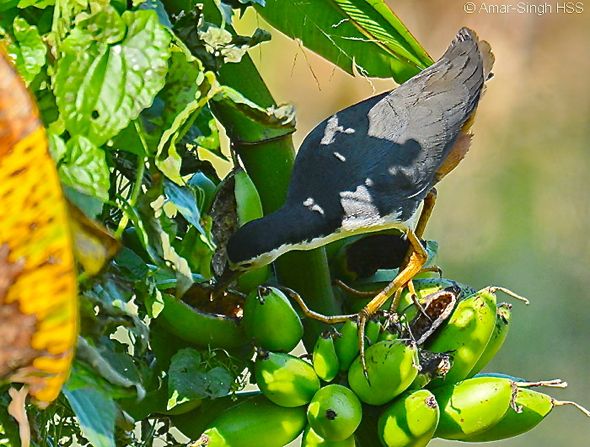
Many birds eat a mix of lizards, fruits, and insects. Some birds prefer fruits as their main food. These fruit-eating birds help plants grow by spreading seeds.
They often switch food based on what is available. Fruits give them energy, while insects and lizards provide protein.
Popular Fruit Lovers
Birds that love fruits include toucans, hornbills, and some parrots. These birds have strong beaks to eat many kinds of fruits. They also eat insects and small lizards for extra nutrition.
- Toucans use their large beaks to reach fruit.
- Hornbills eat fruits and small animals like lizards.
- Parrots enjoy soft fruits and hunt insects.
Role In Seed Dispersal
Fruit-eating birds help plants spread seeds far from the parent tree. They eat fruits and fly to new places. The seeds pass through their bodies and grow into new plants.
This process helps forests stay healthy. Many plants depend on these birds to spread their seeds. Without them, some trees would not grow well.
- Birds eat fruit and carry seeds in their guts.
- They fly long distances before dropping seeds.
- Seeds grow in new areas, creating more plants.
Seasonal Diet Changes
Fruit-eating birds change their diet with the seasons. They eat more fruits when they are ripe. When fruits are scarce, they eat more insects and lizards.
This change helps them get enough food all year. Eating insects and lizards gives protein during fruit shortages. This flexible diet helps birds survive in many environments.
- Spring and summer: eat mostly fruits.
- Fall and winter: eat more insects and lizards.
- Diet changes keep birds strong and healthy.
Insectivorous Birds
Many birds eat insects as a main part of their diet. These insectivorous birds also eat fruits and sometimes small lizards. Their diet helps keep nature balanced.
They live in different places like forests, fields, and gardens. They use special ways to find and catch their food.
Top Insect Hunters
Some birds are excellent at catching insects. They can catch flying bugs or find hidden insects on plants and trees.
- Woodpeckers: They peck tree bark to find insects inside.
- Swallows: They catch flying insects while flying fast.
- Flycatchers: They sit on branches and quickly snap up insects in the air.
- Wrens: They search leaves and bark for hidden bugs.
- Warblers: They pick insects from leaves and flowers.
Foraging Methods
Birds use different methods to find food. Some catch insects on the wing, others pick them from plants or dig in the ground.
| Method | Description |
| Hawking | Catching insects in flight by quick sprints or flights. |
| Gleaning | Picking insects from leaves, branches, or bark. |
| Probing | Using beak to search inside bark or soil for insects. |
| Ground Foraging | Looking for insects on or under the ground surface. |
Impact On Ecosystem
Insectivorous birds control insect populations. This helps protect plants and crops from damage.
They also help spread seeds from the fruits they eat. This supports forest growth.
Birds serve as food for larger animals, keeping the food chain strong.
Birds With Mixed Diets
Some birds eat different kinds of food every day. They do not rely on just one source. Their diet can include fruits, insects, and even small animals like lizards.
These birds are called omnivores. Eating a mixed diet helps them survive in many places and seasons.
Adaptable Feeders
Birds with mixed diets can change what they eat based on what is available. They eat fruits when they are ripe and insects or lizards when fruits are scarce.
- They catch insects for protein and energy.
- They eat fruits for vitamins and sugars.
- They hunt small lizards for extra nutrients.
Benefits Of Dietary Variety
Eating many types of food helps birds stay healthy. They get all the nutrients they need. This variety also protects them from food shortages.
| Benefit | Description |
| Nutrition | More vitamins and minerals from different foods |
| Energy | Protein from insects and lizards helps muscle growth |
| Survival | Can find food in many environments |
| Flexibility | Change diet when one food source is low |
Examples Of Omnivorous Birds
Many birds eat both plants and animals. Some well-known examples include:
- Cuckoos, which eat insects, small lizards, and fruits.
- Thrushes, who enjoy berries and worms.
- Mockingbirds, known for eating insects and soft fruits.
- Kingbirds, which catch flying insects and eat fruits.
Identifying Bird Diets In The Wild
Birds eat many types of food like lizards, fruits, and insects. Watching what birds eat helps us understand their habits. It also shows their role in nature.
Different birds prefer different foods. Some birds catch insects, while others eat fruits or small animals like lizards. Identifying their diet takes careful observation.
Observational Tips
Watch birds quietly to see what they eat. Be patient and stay still so birds feel safe. Early morning or late afternoon is a good time to watch.
Look for how birds move and what they pick up. Some birds catch insects on the wing. Others search on the ground for lizards or fruit.
- Choose a spot with good bird activity
- Wear neutral colors to avoid scaring birds
- Stay quiet and move slowly
- Note the time and weather conditions
Signs And Evidence
Bird droppings can show what birds ate. Seeds and insect parts are common in droppings. Look near feeding spots for dropped food pieces.
Nests may also hold clues. Some birds bring insects or lizards to feed their young. Check safely from a distance to avoid disturbing them.
- Look for seed shells or fruit pits
- Find insect wings or legs near resting spots
- Spot lizard scales or tails dropped by birds
- Observe what parents feed their chicks
Using Binoculars And Cameras
Binoculars help see small details from far away. They make it easier to watch birds without scaring them. Use steady hands or a tripod for clear views.
Cameras with zoom lenses can capture bird feeding moments. Photos let you study what the bird eats later. Try to photograph birds eating insects, fruits, or lizards.
- Use binoculars with at least 8x magnification
- Choose a camera with a telephoto lens
- Practice focusing quickly on moving birds
- Keep quiet to avoid scaring birds away
Feeding Habits And Behavior
Some birds eat a mix of lizards, fruits, and insects. Their diet helps them get many nutrients. These birds live in places where they can find all these foods.
They use different ways to find and catch their food. Their behavior changes with the seasons and time of day. Understanding their feeding helps us learn about their role in nature.
Daily Feeding Patterns
These birds usually eat in the early morning and late afternoon. They rest during the hottest part of the day. Their meals include insects, small lizards, and ripe fruits.
They search for insects and lizards on trees and rocks. Fruits are often eaten from bushes or low branches. The feeding times help them avoid predators and heat.
Social Feeding
Some birds feed alone, but many join small groups. Group feeding helps find food faster and watch for danger. They share good feeding spots with others.
Social feeding also helps young birds learn what to eat. Adults show them how to catch insects and find fruits. This behavior increases their chance of survival.
- Groups look for lizards and insects together
- Birds call each other to good fruit spots
- Young birds follow adults during feeding time
Nesting And Diet
During nesting, birds need more protein for their chicks. They catch more insects and small lizards. Fruits are also given but less often than animals.
Parents bring food back to the nest many times a day. The diet supports fast growth and strong feathers. Nest location often has plenty of insects and fruit nearby.
- High protein food like insects and lizards feed chicks
- Fruits provide vitamins for the growing birds
- Nests are built near good food sources
Impact Of Diet On Bird Health
Birds that eat lizards, fruits, and insects have a mixed diet. This diet affects their health in many ways. Understanding these effects helps us protect these birds.
The balance of foods like proteins from lizards and insects and vitamins from fruits is important. It supports strong bones, feathers, and energy levels.
Nutritional Needs
Birds need proteins, vitamins, and minerals to stay healthy. Lizards and insects provide protein and fat. Fruits give vitamins and fiber. A varied diet helps birds grow and stay active.
- Proteins from insects and lizards build muscles and repair tissues.
- Vitamins from fruits support the immune system.
- Minerals keep bones strong and help metabolism.
- Fiber from fruits aids digestion.
Diet-related Diseases
Improper diet can cause diseases in birds. Too much or too little of certain foods harms their health. For example, lack of protein can weaken muscles. Too many fruits may cause digestive problems.
| Diet Issue | Possible Disease | Effect on Bird |
| Protein Deficiency | Muscle Weakness | Low energy and poor flight |
| Excess Fruits | Digestive Upset | Diarrhea and nutrient loss |
| Insect Overload | Parasitic Infection | Illness and feather damage |
Conservation Considerations
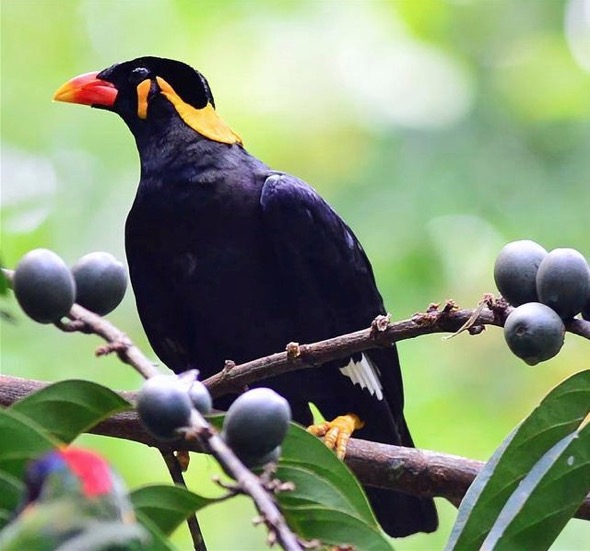
Protecting bird diets helps conservation efforts. Loss of habitat reduces food sources. Conservationists focus on preserving areas with insects, lizards, and fruit plants.
Here are key actions to support birds with mixed diets:
- Protect forests and shrublands where food grows
- Control pesticide use to keep insects safe
- Plant native fruit trees and shrubs
- Monitor bird health to detect diet issues early
Credit: besgroup.org
Frequently Asked Questions
What Bird Species Eat Lizards, Fruits, And Insects?
Birds like shrikes, flycatchers, and some thrushes eat lizards, fruits, and insects. They have a diverse diet to adapt to different environments.
Why Do Some Birds Eat Both Fruits And Insects?
Eating fruits and insects provides essential nutrients and energy. It helps birds survive seasonal changes and maintain a balanced diet.
How Do Birds Catch Lizards As Prey?
Birds catch lizards by keen eyesight and quick reflexes. They often ambush or chase lizards on the ground or in trees.
Which Habitats Support Birds That Eat Lizards And Insects?
Forests, deserts, and scrublands support such birds. These habitats offer abundant insects, fruits, and small reptiles for their diet.
Conclusion
Birds that eat lizards, fruits, and insects offer amazing ecological benefits. They help control pest populations and disperse seeds. Their varied diet ensures a balanced ecosystem. Observing these birds can be fascinating and educational. It shows nature’s intricate connections. Discovering these birds in your local area can be exciting.
They bring life and activity to different habitats. Encourage bird-friendly environments to support their diverse needs. Plant native trees and shrubs. Provide fresh water sources. Enjoy watching these birds contribute to nature’s cycle. A beautiful reminder of how connected everything is in the wild.