Have you ever wondered which bird loves to eat worms the most? If you’ve seen birds pecking at the ground after a rain, you might be curious about their favorite snack.
Knowing what bird eats worms can surprise you and help you understand nature better. You’ll discover the common birds that feast on worms and why these slimy creatures are so important to their diet. Keep reading, and you’ll see birds in a whole new light!
Common Worm-eating Birds
Many birds eat worms as a key part of their diet. Worms provide protein and moisture. These birds often search the ground for worms after rain.
Here are some common birds that feed on worms. Each has unique habits and habitats. Learning about them helps us understand nature better.
American Robins
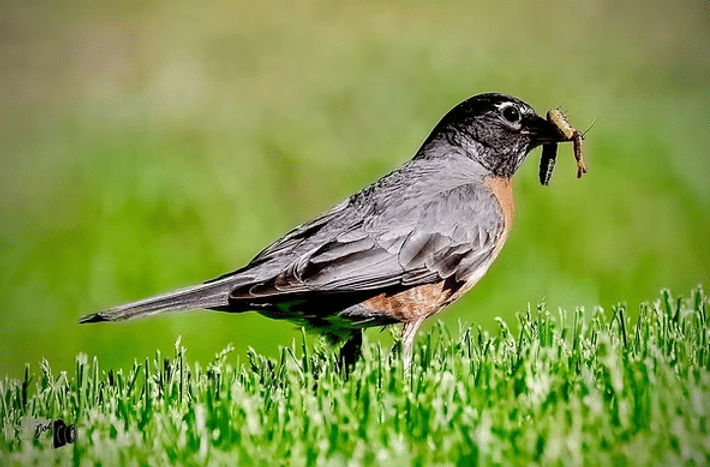
American Robins are well known for eating earthworms. They use their sharp eyes to spot worms on lawns. They pull the worms from the soil with quick, strong pecks.
Robins eat worms mostly during spring and summer. They need the extra protein for raising their young.
European Blackbirds
European Blackbirds also eat worms. They search in leaf litter and soft soil. These birds are often seen hopping on the ground looking for food.
- They eat worms to get energy.
- They prefer moist soil areas.
- Worms help them stay healthy in spring.
Starlings
Starlings are strong birds that eat many worms daily. They find worms in gardens, fields, and parks. Starlings often feed in groups to find more food.
| Starling Worm Feeding Habits | Details |
| Time of Day | Early morning and late afternoon |
| Preferred Soil | Soft and moist |
| Group Size | Often 5 to 20 birds |
| Worm Type | Earthworms and nightcrawlers |
Wrens
Wrens are small birds that eat worms and insects. They search in bushes and under leaves. Wrens use quick movements to catch worms on the ground.
- Wrens eat small worms and larvae.
- They forage near shrubs and fallen branches.
- Wrens help control worm and insect populations.

Credit: www.shutterstock.com
Hunting Techniques
Birds that eat worms use smart hunting methods. They find worms hidden underground or in leaves.
These techniques help birds catch worms quickly and safely. Each method suits different environments and worm types.
Foraging On The Ground
Birds walk or hop on soil to spot worm signs. They look for fresh soil piles or damp spots where worms appear.
- Scan the ground for small holes or wet soil
- Use sharp eyesight to see worm movements
- Quickly grab worms before they hide
Probing Soil And Leaf Litter
Birds use their beaks to probe deep into soil and leaf piles. This helps them reach worms hidden from view.
| Technique | Description |
| Shallow Probing | Light pokes to find surface worms |
| Deep Probing | Forceful beak thrusts to reach deeper worms |
| Leaf Litter Sifting | Moving leaves aside to expose worms |
Listening For Movement
Some birds listen carefully for worm movement underground. They tilt their heads and focus on faint sounds.
Birds detect these sounds by:
- Stopping other movements to hear better
- Using sensitive ear structures
- Waiting patiently before striking
Habitats Favoring Worm-eating Birds
Many birds that eat worms live in places where they can find soft soil. Worms like moist ground that is easy to dig. Birds look for these areas to find food.
These birds often live near humans and in wild areas. Different habitats provide good hunting grounds for worm-eating birds.
Gardens And Lawns
Gardens and lawns are common places for worm-eating birds. Soft, watered soil makes it easy for birds to find worms. Birds like robins, blackbirds, and thrushes often visit these areas.
People watering their gardens create perfect worm habitats. The birds come to hunt early in the morning or after rain.
Woodlands And Forests
Woodlands and forests offer rich soil and leaf litter. This environment helps worms stay safe and moist. Birds like woodpeckers and jays search here for worms and insects.
The thick ground cover in forests hides many worms. Birds use their sharp beaks to dig through leaves and soil to find food.
Wetlands And Marshes
Wetlands and marshes have soft, wet ground that worms love. Birds such as herons and some shorebirds eat worms found in these places. These habitats are rich in worms because of the moist soil.
The wet conditions make it easy for birds to find and catch worms. These areas are important feeding spots for many bird species.

Credit: www.shutterstock.com
Seasonal Feeding Patterns
Many birds eat worms as a key part of their diet. Their feeding habits change with the seasons. This helps them survive all year long.
Birds find worms easier to catch in some seasons. They adjust their hunting and eating habits based on weather and worm availability.
Spring And Summer Activity
In spring and summer, birds eat more worms. The soil is soft and warm, so worms come near the surface. This makes worms easy to find.
Birds also feed their young with worms. Worms provide important protein for baby birds. Many birds spend more time hunting worms in these months.
- Soft soil helps birds find worms easily
- Worms are a rich protein source for chicks
- Birds hunt worms more during warmer months
Winter Adaptations
In winter, worms go deep into the cold ground. Birds find worms less often. They change their diet to survive cold weather.
Some birds eat seeds, berries, or insects instead. They also look for worms after rain or warm days. This helps them get worms when possible.
- Worms hide deep in frozen soil
- Birds eat seeds and berries in winter
- Birds hunt worms after rain or warm days
Benefits Of Worm-eating Birds
Birds that eat worms play an important role in nature. They help keep the environment healthy and balanced.
These birds support gardens, farms, and wild areas by eating worms and other soil creatures. Their actions bring many benefits.
Natural Pest Control
Worm-eating birds reduce the number of pests naturally. They eat worms and insects that can harm plants. This helps farmers and gardeners avoid using many chemicals.
- Decrease harmful insect populations
- Lower the need for pesticides
- Protect crops and flowers
- Support organic farming methods
Soil Aeration Assistance
When birds hunt for worms, they scratch the soil surface. This activity helps air reach deeper into the ground. Good soil aeration supports plant roots and soil health.
| Benefit | Effect |
| Birds scratch soil | Improves air flow |
| Air reaches roots | Helps plant growth |
| Worms move freely | Enhances nutrient cycling |
Ecosystem Balance
Worm-eating birds keep the ecosystem in balance. They control worm and insect populations. This helps other animals and plants live well together.
- Maintain healthy food chains
- Support biodiversity
- Help prevent overpopulation of soil creatures
- Encourage natural habitats
Attracting Worm-eating Birds To Your Yard
Many birds eat worms as a main food source. Attracting these birds helps your yard stay lively. Birds also help control pests naturally.
Creating the right environment invites worm-eating birds to visit and stay. You can enjoy watching them and support local wildlife.
Creating Bird-friendly Habitats
Birds need safe places to live, rest, and find food. Plant native trees and shrubs for shelter. Leave leaf litter and mulch to keep worms healthy.
- Plant native bushes and trees for cover
- Keep garden soil moist but not waterlogged
- Leave natural ground cover like leaves and mulch
- Provide places for birds to perch and nest
Providing Water Sources
Birds need fresh water for drinking and bathing. A birdbath or shallow water dish attracts them. Keep the water clean and refill often.
| Water Feature | Benefits |
| Birdbath | Easy access for birds to drink and bathe |
| Shallow dish | Good for small birds to drink |
| Dripper or fountain | Running water attracts more birds |
Avoiding Pesticides
Pesticides kill worms and harm birds. Use natural ways to control pests. Avoid chemicals to keep your yard safe for birds and worms.
Natural pest control tips:
- Encourage ladybugs and spiders
- Use neem oil or insecticidal soap
- Plant pest-repellent herbs like mint
- Handpick pests from plants

Credit: www.gettyimages.co.uk
Frequently Asked Questions
What Types Of Birds Eat Worms Regularly?
Many birds like robins, thrushes, and starlings eat worms regularly. Worms provide them with essential protein and nutrients. These birds often forage on lawns and gardens where worms are abundant.
How Do Birds Find Worms Underground?
Birds use their keen eyesight and sense of vibration to locate worms underground. They detect movements caused by worms near the soil surface. Some birds also listen for sounds made by worms.
Why Do Birds Prefer Worms As Food?
Worms are soft, nutritious, and easy to digest, making them ideal food. They supply birds with protein, vitamins, and minerals needed for energy. Worms are also abundant and easy to catch.
When Do Birds Mostly Eat Worms During The Day?
Birds primarily eat worms in the early morning and after rain. Worms come closer to the soil surface when it's moist, making them accessible. These times offer the best feeding opportunities for birds.
Conclusion
Birds that eat worms play a key role in nature. They help control worm populations and maintain balance in ecosystems. Many common birds like robins and thrushes love worms. Watching them hunt is fascinating. It connects us to nature's wonders.
Understanding these birds broadens our appreciation for wildlife. Next time you see a bird with a worm, remember their important job. They remind us of the cycle of life. Let's appreciate these creatures and their simple, yet vital, contributions. Nature's rhythm depends on each tiny player, including birds that eat worms.