Have you ever stopped to listen closely to the birds around you and wondered which one sings the most beautiful song? The sound of a bird’s melody can brighten your day, calm your mind, and even inspire your creativity.
But with so many birds singing in nature, how do you know which one truly has the most enchanting voice? You’ll discover the bird whose song stands out above all others—and why it might just become your new favorite sound.
Get ready to tune in and uncover the magic behind the most beautiful bird song you’ve ever heard.

Credit: owlcation.com
Birdsong And Its Appeal
Bird songs fill the air with music. They bring calm and joy to people.
Many wonder what makes a bird’s song beautiful and why it sounds so special.
Why Bird Songs Captivate Us
Bird songs catch our attention because they are clear and lively. Their sounds often remind us of nature’s peace.
- They have clear and varied tones.
- Birds sing to mark their space or find mates.
- The songs change with seasons and times of day.
- Listening to birds can reduce stress and boost mood.
Elements That Make A Song Beautiful
Many parts come together to make a bird’s song sound lovely. These parts include rhythm, pitch, and melody.
| Element | Description |
| Rhythm | The pattern of sounds and silences in the song. |
| Pitch | How high or low the notes are. |
| Melody | The tune formed by a series of notes. |
| Variety | Different sounds keep the song interesting. |
| Clarity | Clear notes are easy to hear and enjoy. |
Top Contenders For Most Beautiful Birdsong
Many birds sing beautiful songs that catch our attention. Their melodies are often complex and soothing.
Here are some of the top birds known for their stunning songs and unique sounds.
Nightingale’s Rich Melody
The nightingale is famous for its rich and powerful song. It sings many different notes with great emotion.
Its song can last for several minutes and is heard mostly at night. People find it very calming and beautiful.
Song Thrush’s Repetitive Tunes
The song thrush repeats short musical phrases two or three times. This makes its song easy to recognize.
Its clear and loud voice carries well through forests and gardens. Many enjoy its simple but sweet tunes.
Lyrebird’s Impressive Mimicry
The lyrebird can copy sounds from its environment. It mimics other birds, animals, and even human noises.
Its song is complex and varied. This skill makes the lyrebird’s singing both amazing and unique.
Canary’s Clear And Sweet Notes
Canaries produce clear, bright, and sweet notes. Their song is light and easy to enjoy.
They have been kept as pets for their singing for centuries. Their melodies are simple but very pleasant.
Factors Influencing Birdsong Beauty
Birdsongs can sound very different depending on many factors. These factors help us understand what makes a bird’s song beautiful.
Scientists study these aspects to learn why some birds have more pleasant songs than others. Let’s explore the main factors.
Pitch And Tone Variations
Pitch means how high or low a bird sings. Tone is the quality of the sound, like soft or harsh.
Birds with a wide range of pitch and clear tones often have more beautiful songs. Changing pitch keeps the song interesting.
- High pitches can sound sweet and delicate
- Low pitches add depth and richness
- Clear tones make songs easier to enjoy
Complexity And Repertoire Size
Complexity means how many different sounds a bird uses. Repertoire size is how many songs it knows.
Birds with large repertoires and complex songs tend to be more attractive to listeners. Their songs can change and surprise.
- Many song types show skill and health
- Complex songs keep listeners interested
- Repertoire size shows learning ability
Cultural And Regional Differences
Birds in different places sing different songs. These changes happen over time in bird groups.
Local culture affects birdsong beauty. Some songs may sound better to birds and people from certain regions.
- Birds learn songs from parents and neighbors
- Regional songs can have unique patterns
- Cultural differences show how birds adapt

Credit: www.youtube.com
Birdsong In Different Habitats
Birdsong varies a lot depending on where birds live. Different habitats shape the sounds birds make. These songs help birds find mates and mark their homes.
We will look at three main habitats. Each has unique bird voices. These habitats are forests, cities, and wetlands or coasts.
Forest-dwelling Singers
Forests hold many birds with rich and clear songs. Trees help carry their sounds far and wide. Some birds sing complex melodies to stand out.
- Nightingales produce sweet, varied tunes at night.
- Wood Thrushes create flute-like sounds during the day.
- Blackbirds use loud, ringing calls to defend their area.
Urban Birdsong
City birds face noise from cars and people. They often sing louder and at higher pitches. This helps their songs cut through the noise.
| Bird Species | Song Feature | Reason |
| House Sparrow | Simple chirps | Easier to hear in traffic noise |
| European Blackbird | Louder and faster songs | Compete with city sounds |
| Rock Pigeon | Soft cooing | Communication in close spaces |
Wetland And Coastal Voices
Wetlands and coasts have birds with loud and clear calls. These sounds travel well over water and open spaces. Birds use calls to warn others or attract mates.
Here are some common wetland singers:
- Marsh Wrens with bubbly, complex songs.
- Red-winged Blackbirds known for their sharp calls.
- Seagulls that use loud, piercing cries.
How Birds Learn Their Songs
Bird songs are some of the most beautiful sounds in nature. Birds do not just sing randomly. They learn their songs in special ways.
Some parts of bird songs come from their genes. Other parts come from listening and practicing. This mix helps birds make unique songs.
Genetic Vs. Learned Components
Birds inherit some song patterns from their parents. These are built into their brains and bodies. This is the genetic part of their song.
But birds also learn new sounds by listening. They copy songs from other birds around them. This learned part changes with each bird.
- Genetic parts guide basic song structure
- Learned parts add variety and style
- Different species have different mixes of both
Role Of Practice And Imitation
Young birds listen carefully to adult birds singing. They try to copy the sounds they hear. This imitation is important for learning songs.
Birds practice their songs many times. Practice helps them get the notes right. It also helps them improve the melody and rhythm.
- Listening to adults starts the learning process
- Repeating songs helps birds improve
- Practice allows birds to perfect their unique song
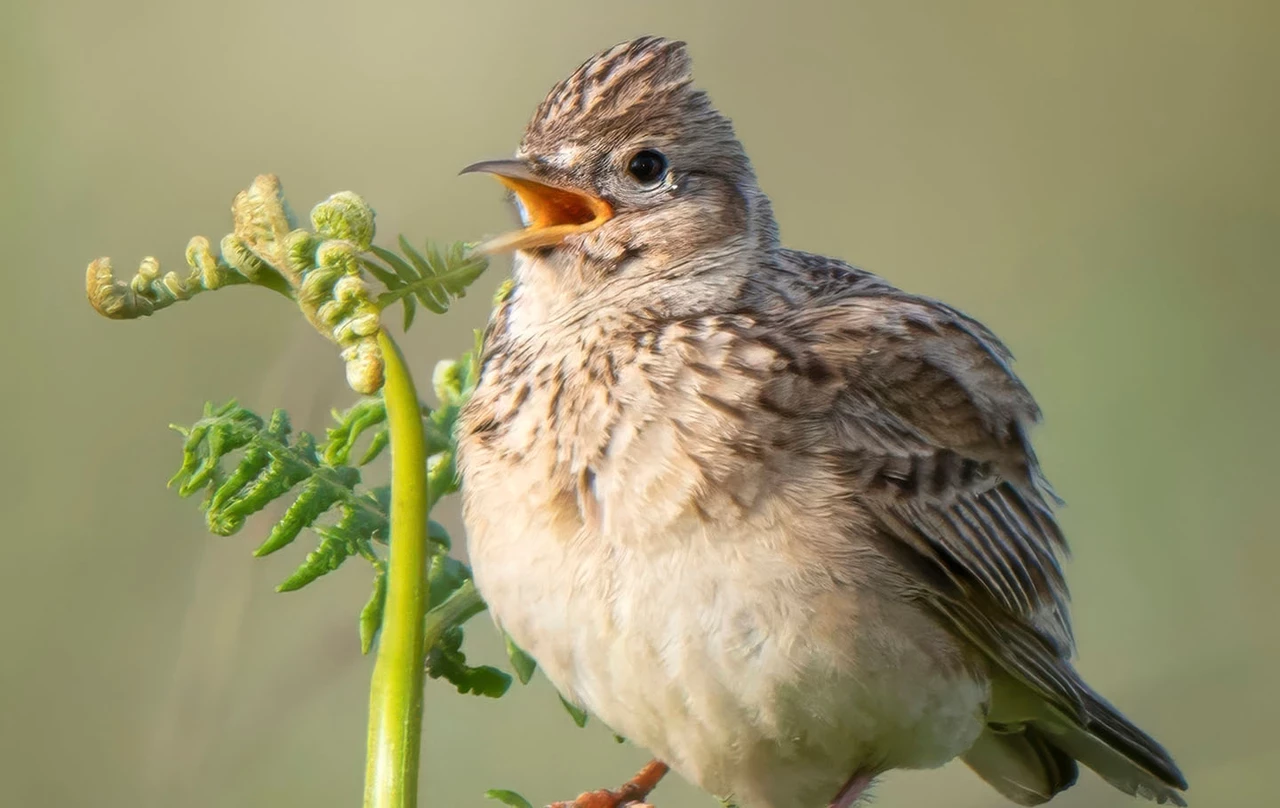
Credit: www.royalparks.org.uk
Impact Of Birdsong On Humans
Birdsong is one of nature’s most beautiful sounds. It connects people to the outdoors and brings calm feelings.
Many people find joy and peace when they hear birds sing. This sound can improve mood and reduce stress.
Birdsong In Music And Art
Birdsong has inspired many musicians and artists for centuries. They use bird sounds to create music and art that feels alive.
Composers often include bird calls in their work. Painters and poets also capture the beauty of birdsong in their creations.
- Classical music uses bird songs as themes
- Visual artists paint birds in natural settings
- Writers describe birdsong to set peaceful moods
Therapeutic Benefits
Birdsong can help people feel relaxed and less anxious. It is often used in therapy for mental health.
Listening to birds can lower blood pressure and improve sleep. Many use bird sounds in meditation and healing practices.
- Reduces stress and promotes calm
- Improves focus and mental clarity
- Supports emotional healing and relaxation
Conservation Awareness
Birdsong reminds people of nature’s beauty and the need to protect it. Hearing birds helps raise awareness about wildlife conservation.
Many efforts to save birds focus on preserving their habitats. Protecting birds also supports clean air and healthy ecosystems.
- Birdsong encourages habitat protection
- Raises awareness of endangered species
- Promotes actions to support nature
Frequently Asked Questions
What Bird Is Known For The Most Beautiful Song?
The nightingale is widely recognized for its beautiful, melodious song. Its complex and varied tunes captivate listeners worldwide. Nightingales sing both day and night, making them famous for their enchanting vocal performance.
How Do Birds Develop Beautiful Songs?
Birds develop beautiful songs through learning and practice. Young birds listen to adults and mimic their tunes. Genetics also influence song quality. Environmental factors help shape the complexity and style of each bird’s song.
Why Is Bird Song Important In Nature?
Bird songs help with communication, territory defense, and attracting mates. They signal health and vitality to potential partners. Songs also warn rivals and establish dominance, playing a crucial role in bird survival and reproduction.
Which Bird Has The Widest Song Range?
The lyrebird is known for its wide song range and mimicry skills. It can imitate other birds, animals, and even human sounds. This ability makes the lyrebird’s song unique and highly impressive in the avian world.
Conclusion
Bird songs fill our world with unique beauty. Each bird’s song holds a special charm. Nightingales, with their melodic tunes, often top the list. Their songs inspire poets and nature lovers alike. Other birds also have enchanting calls. The haunting call of the wood thrush.
The cheerful song of the canary. Each bird adds its own magic to nature’s symphony. Listening to birds can bring peace and joy. Next time you hear a bird, take a moment to listen. Appreciate the beauty they bring. Their songs remind us of nature’s wonder.
A simple pleasure to cherish.