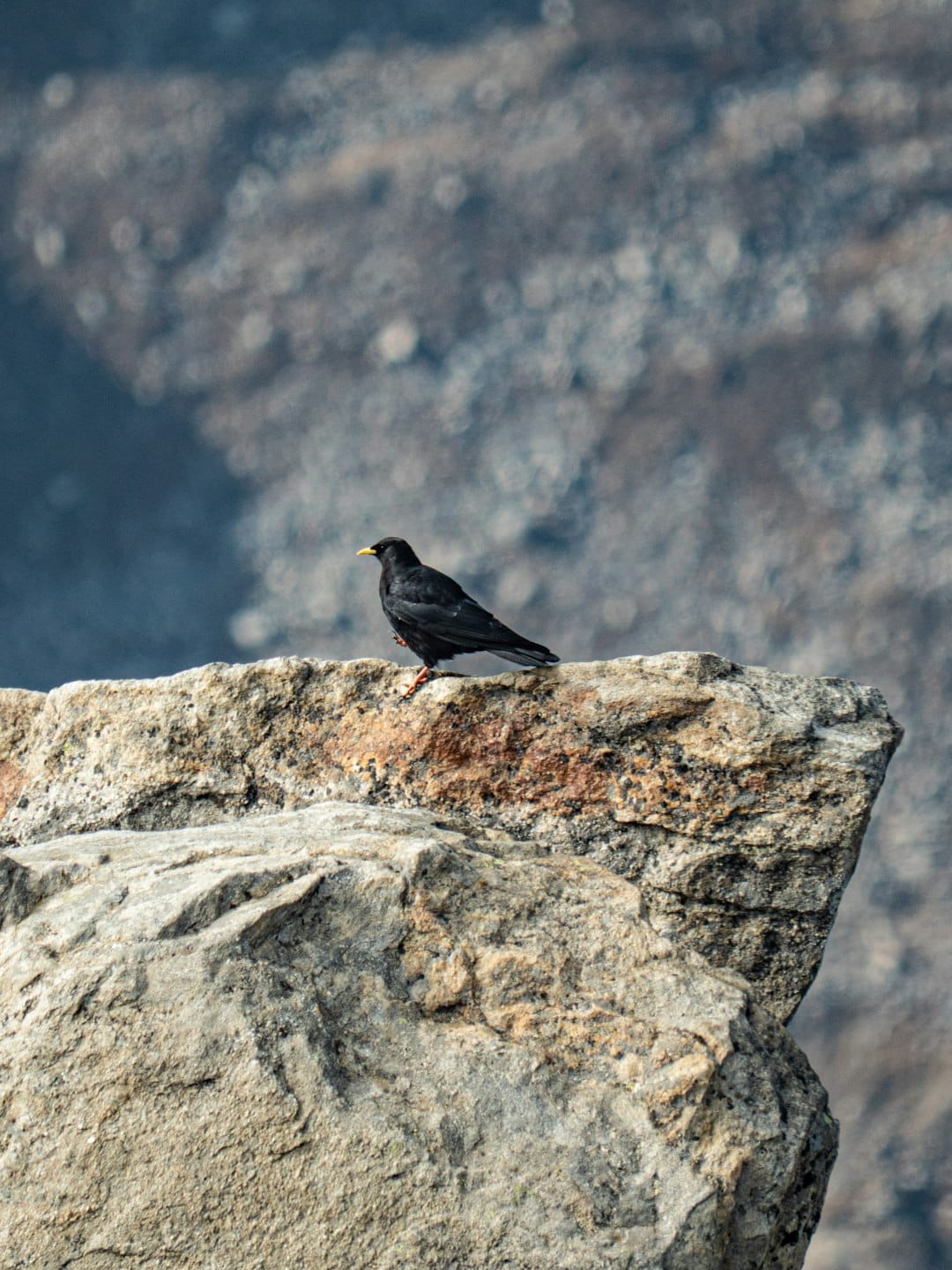
Have you ever looked up while visiting Stone Mountain and wondered about the bird soaring high above? That graceful silhouette against the sky isn’t just any bird—it’s a special part of the mountain’s story.
Knowing which bird you’re watching can deepen your connection to this natural landmark and make your visit even more memorable. Keep reading, and you’ll discover the fascinating bird often seen flying above Stone Mountain, along with some surprising facts that will change the way you see the sky.
Bird Species Around Stone Mountain
Stone Mountain is home to many bird species. The area has a mix of raptors and other birds. Bird watchers often see different birds flying above the mountain.
This post looks at common raptors, migratory birds, and resident birds of prey. Each group plays a role in the local ecosystem.
Common Raptors In The Area
The Stone Mountain area hosts several raptors. These birds hunt small animals and keep the environment balanced. Bald eagles and red-tailed hawks are often seen soaring high.
- Bald Eagle
- Red-tailed Hawk
- Cooper’s Hawk
- American Kestrel
- Osprey
Migratory Birds Passing Through
Many birds use Stone Mountain as a stop during migration. These birds travel long distances to find food and rest. Warblers and thrushes are common visitors in spring and fall.
| Bird Species | Migration Season | Notes |
| Yellow-rumped Warbler | Spring, Fall | Bright yellow patches on wings |
| Swainson’s Thrush | Spring, Fall | Known for its flute-like song |
| Ruby-throated Hummingbird | Spring, Fall | Small with bright red throat |
Resident Birds Of Prey
Some birds of prey live near Stone Mountain year-round. They build nests and hunt in the forests. Barred owls and great horned owls are common night hunters.
Common resident birds of prey include:
- Barred Owl
- Great Horned Owl
- Red-shouldered Hawk
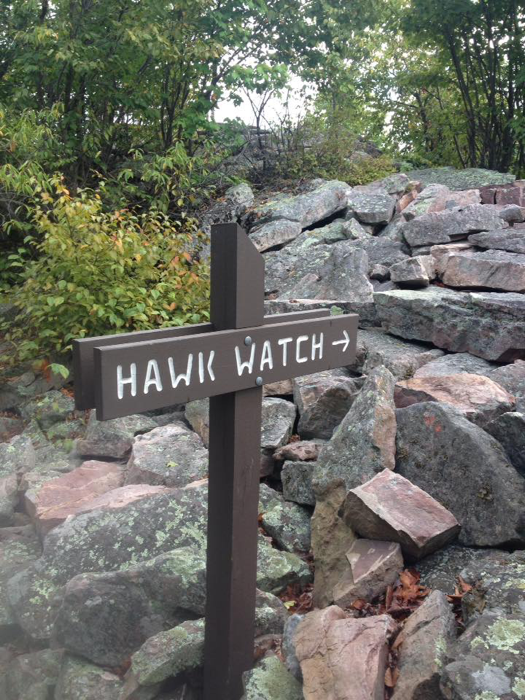
Credit: www.shaverscreek.org
Characteristics Of The Frequent Flyer
The bird often seen flying above Stone Mountain is known for its striking features and behaviors. It stands out in the sky with its unique flight and sounds.
Understanding its characteristics helps bird watchers identify it easily during visits to Stone Mountain.
Physical Appearance
This bird has a medium size with broad wings. Its feathers are mostly dark with some lighter patches on the wings and tail. It has a sharp, hooked beak perfect for catching prey.
- Body length: about 18 to 24 inches
- Wingspan: roughly 4 to 5 feet
- Color: dark brown to black with white markings
- Beak: curved and strong
- Eyes: sharp and yellowish
Flight Patterns
The bird soars high using thermal air currents. It circles slowly before diving fast to catch food. This flight style saves energy during long flights.
| Flight Behavior | Description |
| Soaring | Uses rising warm air to stay aloft |
| Gliding | Moves smoothly with wings spread wide |
| Diving | Quickly drops toward prey on the ground |
| Flapping | Strong wing beats for short bursts |
Distinctive Calls
This bird has a sharp, clear call that echoes across the mountain. Its sounds warn others or mark territory. The calls change with the bird’s mood or situation.
- High-pitched whistles when flying
- Harsh caws when threatened
- Soft trills during courtship
- Repeated calls to communicate with mates
Best Times For Birdwatching
Birdwatching above Stone Mountain is a popular activity for nature lovers. Knowing the best times helps you spot more birds. Weather, season, and daily patterns affect bird activity.
This guide explains when to watch birds flying over Stone Mountain. It covers seasonal changes, daily peaks, and weather effects on bird sightings.
Seasonal Variations
Bird species change with the seasons at Stone Mountain. Spring and fall bring many migratory birds. Summer shows more local birds active during the day. Winter has fewer birds, but some species stay year-round.
- Spring: Look for warblers and hawks migrating north.
- Summer: Watch for nesting birds like blue jays and cardinals.
- Fall: See hawks and other birds migrating south.
- Winter: Spot chickadees and woodpeckers that remain.
Daily Activity Peaks
Birds are most active at certain times during the day. Early morning and late afternoon are the best times to watch. Birds feed, fly, and sing more during these hours.
| Time of Day | Bird Activity Level |
| Sunrise to 9 AM | High |
| 9 AM to 3 PM | Medium |
| 3 PM to Sunset | High |
| Night | Low |
Weather Influence
Weather changes can affect birdwatching above Stone Mountain. Birds avoid flying in strong wind or heavy rain. Clear, calm days bring the best sightings.
- Clear skies help birds see and find food easily.
- Light winds make flying easier and safer for birds.
- Rain or storms reduce bird activity and visibility.
- Cool temperatures in spring and fall increase bird movement.
Photography Tips For Capturing The Birds
Stone Mountain is a great place to see many birds flying above its rocky cliffs. One common bird seen here is the Turkey Vulture. These birds glide gracefully in the sky and offer good photo chances.
Taking good photos of birds requires some practice and the right tools. This guide shares tips to help you capture amazing shots of birds flying over Stone Mountain.
Equipment Recommendations
Using the right camera and lenses can make bird photography easier. A camera with fast autofocus helps catch birds in motion. A telephoto lens lets you zoom in from far away without disturbing the birds.
- DSLR or mirrorless camera with fast autofocus
- Telephoto lens (200mm or longer)
- Tripod or monopod for stability
- Extra batteries and memory cards
- Lens hood to reduce glare
Ideal Angles And Settings
Shooting birds in flight requires quick adjustments. Use a fast shutter speed to freeze the bird’s movement. Shooting from below with the sky as a background highlights the bird’s shape.
- Shutter speed: 1/1000 second or faster
- Aperture: f/5.6 to f/8 for good focus depth
- ISO: Adjust for light but keep noise low
- Use continuous autofocus mode
- Try side or backlighting for interesting effects
Safety And Ethical Practices
Always respect nature while photographing birds. Keep a safe distance to avoid scaring them. Do not disturb nests or resting spots. Use binoculars to watch without getting too close.
- Stay on marked trails and paths
- Keep noise levels low
- Do not use flash near birds
- Do not feed or touch wildlife
- Leave no trash behind
Conservation And Protection Efforts
The bird often seen flying above Stone Mountain is the Turkey Vulture. It plays a key role in the local ecosystem. Protecting this bird and its habitat is important for wildlife balance.
Conservation efforts focus on preserving the natural environment and reducing threats to these birds. Many groups work to keep Stone Mountain safe for all wildlife.
Local Wildlife Initiatives
Several programs help protect Turkey Vultures and other animals at Stone Mountain. These include habitat restoration and monitoring bird populations.
- Habitat cleanup projects
- Bird population tracking
- Educational workshops for locals
- Protection of nesting areas
How Visitors Can Help
Visitors play a big role in conservation. By following park rules, they help keep the environment safe for birds and other wildlife.
- Stay on marked trails to avoid disturbing nests.
- Do not feed or approach wild birds.
- Pick up all trash and recycle when possible.
- Report any injured or sick animals to park staff.
Impact Of Human Activity
Human actions can harm Turkey Vultures and their habitats. Pollution and habitat loss are the biggest threats.
| Human Activity | Effect on Birds |
| Littering | Pollutes food and water sources |
| Off-trail hiking | Disturbs nesting sites |
| Vehicle traffic | Causes noise and air pollution |
| Building development | Reduces natural habitat |
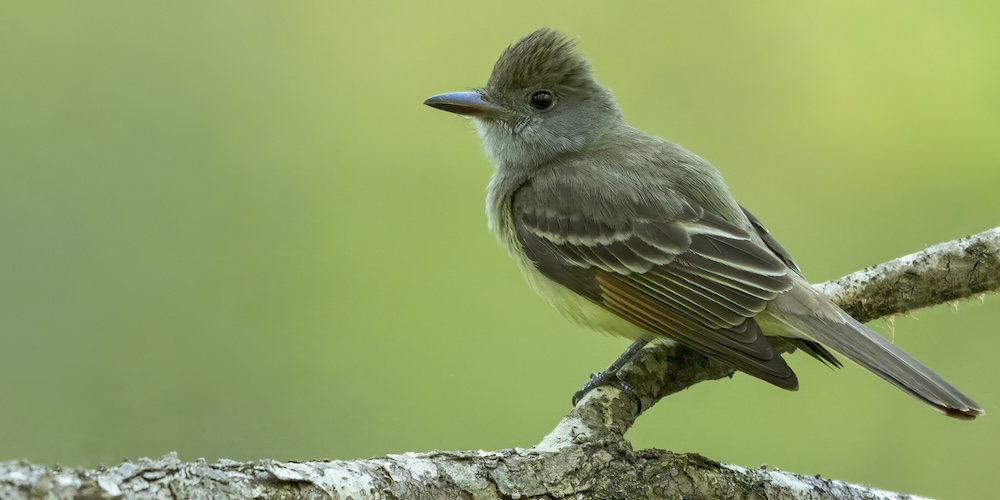
Credit: fatbirder.com
Credit: fatbirder.com
Frequently Asked Questions
What Bird Is Commonly Seen Flying Over Stone Mountain?
The Turkey Vulture is often seen soaring above Stone Mountain. It uses thermal currents to glide effortlessly in the sky. This bird plays a vital role in the ecosystem as a scavenger.
Why Do Turkey Vultures Fly Above Stone Mountain?
Turkey Vultures fly above Stone Mountain to search for food and use warm air currents. The mountain’s updrafts help them conserve energy while scanning large areas.
How Can I Identify A Bird Flying Over Stone Mountain?
Look for a large bird with a bald red head and dark wings. Turkey Vultures have a distinctive V-shaped flight pattern and often tilt side to side.
When Is The Best Time To See These Birds At Stone Mountain?
Early morning and late afternoon are ideal times to spot Turkey Vultures. They are most active during these hours when thermal currents are strongest.
Conclusion
Birdwatchers love Stone Mountain for its diverse avian life. Hawks often soar gracefully above, searching for prey. Their presence adds thrill to hikes and picnics. Observing these birds connects us to nature’s beauty. Nature lovers find peace watching them glide effortlessly.
Birdwatching here offers a unique experience. Stone Mountain holds surprises for everyone. Enjoy the serenity and discover these majestic creatures. Visit and explore the wonders of Stone Mountain. A perfect spot for nature enthusiasts. So next time, look up and spot a hawk.
Feel the excitement and beauty of the moment.