Have you ever wondered what bird inspired the colorful, cheerful character known as the Fruit Loop Bird? If you’ve seen those bright cereal boxes or commercials, you might be curious about the real-life bird behind the fun mascot.
Understanding this can change how you see your breakfast and even spark your interest in nature. Keep reading, and you’ll discover surprising facts about this bird that you never expected. Your next conversation about breakfast won’t be the same!

Credit: www.ebay.ca
Origins Of The Fruit Loop Bird
The Fruit Loop Bird is a colorful bird known for its bright feathers. It is often seen in stories and cartoons.
This bird's design comes from a popular cereal called Fruit Loops. The cereal has many colors, just like the bird.
Creation Inspired By Cereal
The Fruit Loop Bird was created to match the colors of Fruit Loops cereal. The bird’s feathers look like the cereal loops.
It first appeared as a mascot to help sell the cereal. The bird’s bright colors made it easy to remember.
Cultural Impact And Popularity
Over time, the Fruit Loop Bird became popular in many cartoons and products. Kids liked the fun and colorful bird.
The bird’s image spread beyond cereal boxes. It became a symbol of fun and bright colors for many brands.
Design Elements Of The Bird
The Fruit Loop Bird has feathers in red, blue, green, yellow, and orange. These colors match the cereal loops exactly.
- Bright and cheerful colors
- Simple and friendly bird shape
- Large eyes to show personality
Distinctive Colors And Patterns
The Fruit Loop Bird is known for its bright and unique colors. Its feathers show a mix of many vivid shades.
These colors make the Fruit Loop Bird look like a flying rainbow. This bird’s patterns are fun and eye-catching.
Bright Plumage Traits
The Fruit Loop Bird’s feathers feature a mix of red, blue, yellow, green, and orange. Its body is covered with spots and stripes that change colors slightly in the light.
- Red feathers around the head and neck
- Blue and green stripes on the wings
- Yellow spots on the chest
- Orange tail feathers with a subtle shine
Comparison With Real Birds
Real birds have colors that are often less bright than the Fruit Loop Bird. Some birds share similar colors but not the same patterns.
| Bird | Colors | Patterns |
| Rainbow Lorikeet | Blue, green, red, yellow | Bright patches, smooth color blends |
| Gouldian Finch | Red, yellow, green, purple | Solid colors with some mixing |
| Scarlet Macaw | Red, blue, yellow | Bold blocks of color |
| Fruit Loop Bird | Bright red, blue, yellow, green, orange | Spots, stripes, color shifts in light |
Bird Species That Inspire The Design
The Fruit Loop bird design draws from many colorful bird species. These birds show bright colors and unique patterns. They inspire the playful look of the Fruit Loop bird.
We look at three groups of birds to see where the design ideas come from. Each group has birds with striking colors and shapes.
Tropical Birds
Tropical birds live in warm, lush places. They have bright feathers that stand out in the green forests. The Fruit Loop bird borrows its lively colors from these birds.
- Toucans with their large colorful beaks
- Birds of paradise with bright, flashy feathers
- Honeycreepers with vibrant blues and greens
Exotic Parrots
Parrots are known for their bright feathers and clever nature. Exotic parrots have many colors that mix well. The Fruit Loop bird’s design uses these color blends to look fun and lively.
| Parrot Species | Main Colors |
| Macaw | Red, Blue, Yellow |
| African Grey | Grey, Red |
| Amazon Parrot | Green, Yellow, Blue |
Other Colorful Birds
Many other birds add to the design inspiration. Their colors and shapes bring extra joy and variety. The Fruit Loop bird captures this spirit with bright spots and fun patterns.
- Kingfishers with bright blue feathers
- Goldfinches with yellow and black wings
- Mandarins with orange and green colors
Role In Popular Culture
The Fruit Loop Bird, also known as Toucan Sam, is a colorful mascot for a popular cereal brand. It has become a well-known figure in pop culture.
Many people recognize the bird from its bright colors and cheerful personality. It has been part of advertising and media for decades.
Mascot Status
Toucan Sam acts as the face of the Fruit Loops cereal. The bird is used to attract children and families to the product.
- Represents the cereal’s fruity flavors
- Appears on cereal boxes worldwide
- Used in commercials and promotions
- Known for the catchphrase, "Follow my nose!"
Appearances In Media
The Fruit Loop Bird has appeared in many TV ads and cartoons. It also shows up in online games and social media content.
| Media Type | Example | Year |
| TV Commercial | Breakfast Cereal Ad | 1963 |
| Animated Series | Fruit Loops Adventures | 1990s |
| Mobile Game | Fruit Loop Fun | 2015 |
| Social Media | Interactive Posts | 2020s |
Symbolism Behind The Colors
The Fruit Loop Bird is known for its bright, multicolored feathers. Each color has a special meaning that adds to the bird’s charm. Understanding these colors helps us see why this bird stands out.
This article explores the psychology of the colors and their marketing appeal. These colors influence how people feel and react to the Fruit Loop Bird.
Psychology Of Colors
Colors affect emotions and thoughts. The Fruit Loop Bird’s colors can make people feel happy and energetic. Here is what some colors represent:
- Red:Excitement and passion
- Yellow:Happiness and warmth
- Green:Calmness and nature
- Blue:Trust and peace
- Orange:Creativity and fun
- Purple:Imagination and luxury
Marketing Appeal
Bright colors attract attention in ads and products. The Fruit Loop Bird uses its colors to stand out in marketing. Each color helps send a clear message to the audience.
| Color | Marketing Use | Effect on Audience |
| Red | Call to action buttons | Creates urgency |
| Yellow | Highlight deals | Draws positive feelings |
| Green | Eco-friendly branding | Builds trust |
| Blue | Corporate logos | Promotes calmness |
| Orange | Fun product packaging | Boosts creativity |
| Purple | Luxury products | Suggests quality |

Credit: www.shutterstock.com
Fun Facts About The Fruit Loop Bird
The Fruit Loop Bird is a colorful and lively character found in some popular media. It is known for its bright feathers and playful nature. Many people are curious about what makes this bird unique and interesting.
In this post, we will explore some fun facts about the Fruit Loop Bird. You will learn about its appearance, behavior, and why it is loved by fans.
Bright And Colorful Feathers
The Fruit Loop Bird has feathers that look like the colors of fruit loops cereal. Its feathers include red, yellow, green, blue, and purple shades. This makes the bird easy to spot and fun to watch.
Diet And Favorite Foods
This bird loves eating fruits, especially those with bright colors. It prefers berries, apples, and tropical fruits. Its diet helps keep its feathers vibrant and healthy.
- Berries like strawberries and blueberries
- Apples and pears
- Tropical fruits such as mango and papaya
- Occasionally seeds and nuts
Habitat And Behavior
The Fruit Loop Bird lives in warm, forested areas with many fruit trees. It is very social and often seen flying in small groups. The bird is active during the day and enjoys singing cheerful tunes.
| Habitat | Warm forests and fruit orchards |
| Activity | Daytime, very social |
| Group Size | Small flocks of 5 to 10 birds |
| Sounds | Cheerful and melodic songs |
Why It’s Called The Fruit Loop Bird
The bird earned its name because its feathers look like the colorful cereal called Fruit Loops. Fans of the bird love the bright, fun colors. The name also fits its fruity diet and lively behavior.
Credit: angrybirds.fandom.com
Frequently Asked Questions
What Bird Is The Fruit Loop Bird Mascot?
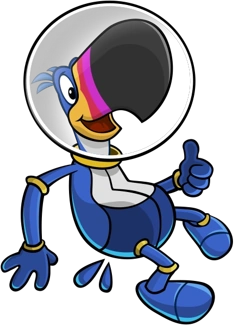
The Fruit Loop Bird mascot is Toucan Sam. He is a colorful toucan representing Froot Loops cereal. Toucan Sam is famous for his bright beak and playful personality.
Why Is Toucan Sam Called The Fruit Loop Bird?
Toucan Sam is called the Fruit Loop Bird because he promotes Froot Loops cereal. His colorful appearance matches the cereal's vibrant fruit flavors and loops shape, making him a perfect mascot.
How Did Toucan Sam Become The Fruit Loop Bird?
Toucan Sam was created in 1963 by Kellogg’s. He was designed to attract children to Froot Loops. His cheerful voice and colorful design made him memorable and iconic.
What Makes Toucan Sam Unique Among Cereal Mascots?
Toucan Sam stands out due to his distinctive colorful beak and catchy catchphrase. His ability to "follow his nose" adds charm. He represents fun and fruity flavors that appeal to kids.
Conclusion
The Fruit Loop bird is Toucan Sam. He's bright and colorful. Toucans are known for their large beaks and vibrant feathers. Kids and adults love Toucan Sam for his fun character. This bird has become a cereal icon. His image makes breakfast time exciting.
Many enjoy learning about toucans through him. They are native to tropical rainforests. These birds are important to nature's balance. Their beauty and charm capture hearts worldwide. Now you know more about the Fruit Loop bird. Enjoy your next bowl of cereal with this knowledge in mind!