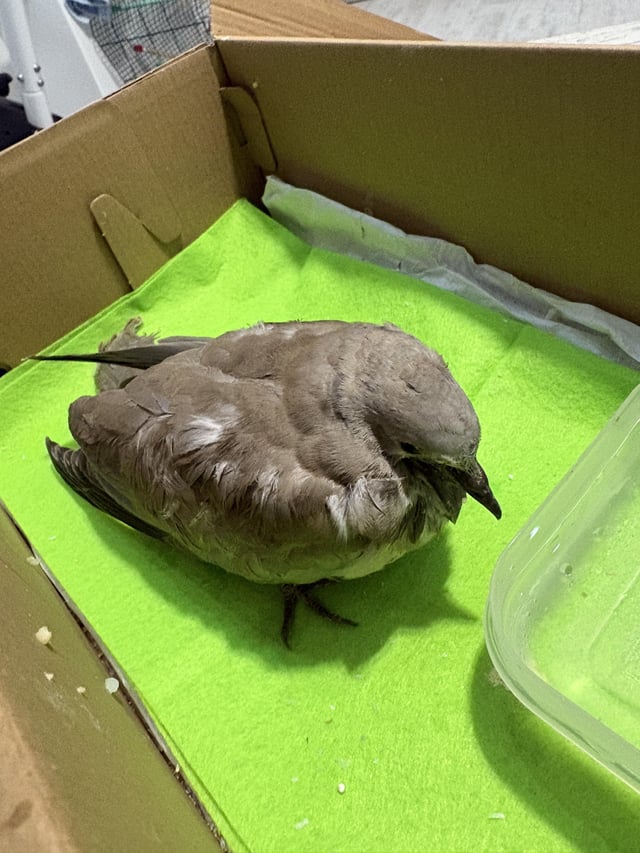
What Bird is This 2026 Guide Identify Birds Easily
Have you ever spotted a bird and wondered, “What bird is this?” That sudden curiosity pulls you in, making you want to know everything about that feathered visitor.
Whether it’s in your backyard, at the park, or on a hike, identifying birds can be exciting and rewarding. You’ll discover simple tips and tricks that make bird identification easy and fun. By the end, you’ll feel confident recognizing the birds around you—and maybe even impress your friends with your new knowledge.
Ready to unlock the secrets behind those mysterious birds? Let’s dive in!

Credit: www.reddit.com
Key Features To Spot
Bird watching can be fun and easy if you know what to look for. Identifying birds starts with noticing their key features. This helps you tell one bird from another.
Look closely at a bird’s size, shape, colors, beak, feet, and how it flies. These clues make spotting the right bird easier.
Size And Shape
Size is one of the first things to notice. Birds can be tiny like a hummingbird or large like an eagle. Shape also tells you a lot. Some birds have round bodies, others are slim.
Pay attention to the bird’s head, tail, and wings. Long tails or short wings can help you identify the species.
- Compare the bird’s size to a common object, like a sparrow or crow
- Notice if the body is plump, slim, or elongated
- Look at the tail shape: forked, rounded, or pointed
- Observe wing length and shape: broad or narrow
Color Patterns
Colors are very helpful to identify birds. Some birds have bright colors, while others are dull. Look for unique color patches or stripes.
Color patterns can appear on the wings, chest, or head. Notice if the bird has spots, bars, or bands of color.
- Check for bright colors like red, blue, or yellow
- Look for stripes or spots on wings and chest
- Notice if the bird has a colored crown or eye ring
- Watch for color changes in males and females
Beak And Feet
The beak shows what kind of food the bird eats. Some beaks are sharp and pointed, others are thick and strong. Feet also tell you about the bird’s habits.
Look at the shape and size of the feet. Birds that swim have webbed feet. Birds that climb have strong claws.
- Note if the beak is long, short, thin, or thick
- Sharp beaks are for catching insects or fish
- Thick beaks help crack seeds or nuts
- Webbed feet help birds swim easily
- Strong claws help birds climb trees
Flight Style
How a bird flies is a good way to identify it. Some birds flap their wings quickly. Others glide or soar for long times. Watch the wing beats and flight path.
Look for steady or fast wing flaps. Notice if the bird makes sudden turns or flies straight. Flight height can also help you spot the bird.
- Fast wing beats show active flyers like sparrows
- Soaring birds glide with wings spread wide
- Hovering means the bird stays still in the air
- Watch if the bird flies low or high above trees

Credit: www.reddit.com
Listening To Bird Calls
Bird calls are short sounds birds use to talk. They help birds find food or warn about danger.
Listening to these calls can help you know what bird is nearby. Each bird has its own unique sounds.
Common Bird Sounds
Many birds have simple calls you can learn. Chirps, whistles, and trills are common sounds.
- Chirping: Short, sharp notes often used to keep in touch.
- Whistling: Clear, high-pitched tones that can vary in pattern.
- Trilling: Rapid, vibrating sounds that last a few seconds.
- Cawing: Loud, harsh calls typical of crows and ravens.
Birds use different sounds for different reasons. Some sounds mean danger, others mean greeting.
Using Apps For Identification
Smartphone apps can help identify birds by their calls. You just record the sound, and the app shows matches.
These apps have libraries of bird sounds from many species. They make learning bird calls easier and faster.
- Record the bird call clearly without much background noise.
- Use the app’s search or recognition tool to find the bird.
- Compare the app’s suggestions with your local bird guides.
Using Habitats To Narrow Choices
Identifying a bird can be easier if you know its habitat. Birds live in different places based on their needs.
By focusing on where you see a bird, you can limit which species it might be. This helps you guess the bird’s name faster.
Woodlands And Forests
Woodlands and forests have many trees and plants. Birds here like places with lots of cover to hide and find food.
Common birds in this habitat include woodpeckers, owls, and songbirds. Look for birds that perch on tree trunks or sing from branches.
- Woodpeckers tap on tree bark for insects
- Owls prefer dense trees for nesting
- Songbirds often build nests in thick bushes
Wetlands And Lakes
Wetlands and lakes have water, plants, and mud. Birds here feed on fish, insects, and plants near water.
Look for ducks, herons, and kingfishers. These birds often stand near the water’s edge or swim on the surface.
- Ducks float and dive for food
- Herons stand still to catch fish
- Kingfishers dive quickly into water
Urban Areas
Urban areas have buildings, parks, and streets. Birds here adapt to human activity and food sources.
Pigeons, sparrows, and crows are common. These birds often feed on scraps and nest in buildings or trees.
- Pigeons gather in groups on ledges
- Sparrows are small and quick in parks
- Crows are large and smart in cities
Seasonal And Migratory Clues
Birds travel to different places during the year. Watching when and where they appear helps identify them.
Seasonal and migratory clues show which birds visit in certain months and why they move.
Spring And Summer Visitors
Many birds arrive in spring to breed and raise young. They enjoy warmer weather and longer days.
Look for colorful birds and singing males. They use songs to find mates and mark territory.
- Warblers come to feed on insects.
- Swallows build nests under eaves.
- Orioles show bright orange and black colors.
- Hummingbirds visit flowers for nectar.
Fall And Winter Species
Some birds leave in fall, while others arrive from colder places. They look for food and shelter.
Winter birds often have dull colors to stay hidden. They eat seeds, berries, and leftover insects.
- Juncos come from the north to find food.
- Woodpeckers search tree bark for insects.
- Chickadees stay all winter, flapping wings to keep warm.
- Snow buntings appear in open fields and snowy areas.
Tools And Resources
Identifying birds can be fun and easier with the right tools. There are many resources to help you learn about birds.
This guide covers field guides, mobile apps, and online communities for bird identification.
Field Guides
Field guides are books with pictures and descriptions of birds. They help you recognize birds by size, color, and shape.
You can carry them outside to compare birds you see with the images in the guide.
- Often organized by bird families or habitats
- Include maps showing where birds live
- Provide tips on bird behavior and sounds
Mobile Identification Apps
Mobile apps help you identify birds using your phone. Many apps let you enter colors, size, and location to find matches.
Some apps can even listen to bird songs and suggest possible matches.
- Easy to use in the field
- Often include photos and sounds
- Allow you to save your bird sightings
Online Communities
Online communities connect bird watchers from around the world. You can share photos and ask for help with bird IDs.
Members often share tips and interesting facts about birds they find.
- Forums and social media groups
- Photo sharing and identification help
- Opportunities to join bird watching events

Credit: www.reddit.com
Tips For Quick Identification
Bird watching can be fun and exciting. Learning to identify birds fast makes it better.
Use simple tips to spot birds quickly. These help you notice details and remember them well.
Stay Still And Observe
Birds are often shy and fly away if you move too much. Stay still to watch them closely.
Look at the bird’s size, shape, and colors. Notice how it moves and what sounds it makes.
- Stand or sit quietly
- Watch the bird without sudden moves
- Focus on key features like beak and tail
Take Notes Or Photos
Writing down what you see helps you remember the bird’s details later. Photos are useful too.
Notes should include colors, size, and any special marks. Photos give a clear view for review.
- Use a small notebook or phone app
- Take quick photos without scaring the bird
- Record the place and time of sighting
Practice Regularly
The more you watch birds, the better you get at spotting them fast. Practice helps you learn details.
Try identifying birds in different places and seasons. Each time you practice, your skills improve.
- Go bird watching often
- Use field guides to check your guesses
- Join local bird watching groups for experience
Frequently Asked Questions
What Are Common Ways To Identify A Bird?
Look at size, color, shape, and behavior. Note the bird’s song and habitat for clues. Use a bird guide or app for help.
How To Identify Birds By Their Calls?
Listen carefully to pitch, rhythm, and repetition. Different species have unique sounds. Recording calls helps for later comparison with databases.
Which Features Help Distinguish Similar Bird Species?
Focus on wing patterns, beak shape, and tail length. Also, observe flight style and feeding habits to differentiate species.
Can Habitat Indicate What Bird Species It Is?
Yes, many birds prefer specific environments. Forest, wetlands, or urban areas can narrow down possible species significantly.
Conclusion
Identifying birds can be a rewarding adventure. Each bird tells a story. Their colors, songs, and behaviors reveal much. Start by observing common birds in your area. Use a guidebook or app for help. Patience is key. Over time, your skills will grow.
Soon, you’ll recognize many bird species with ease. Enjoy the beauty and wonder they bring. Birdwatching can connect you to nature. It offers peace and joy. Keep exploring and learning. Nature has many secrets to share. Happy birdwatching!