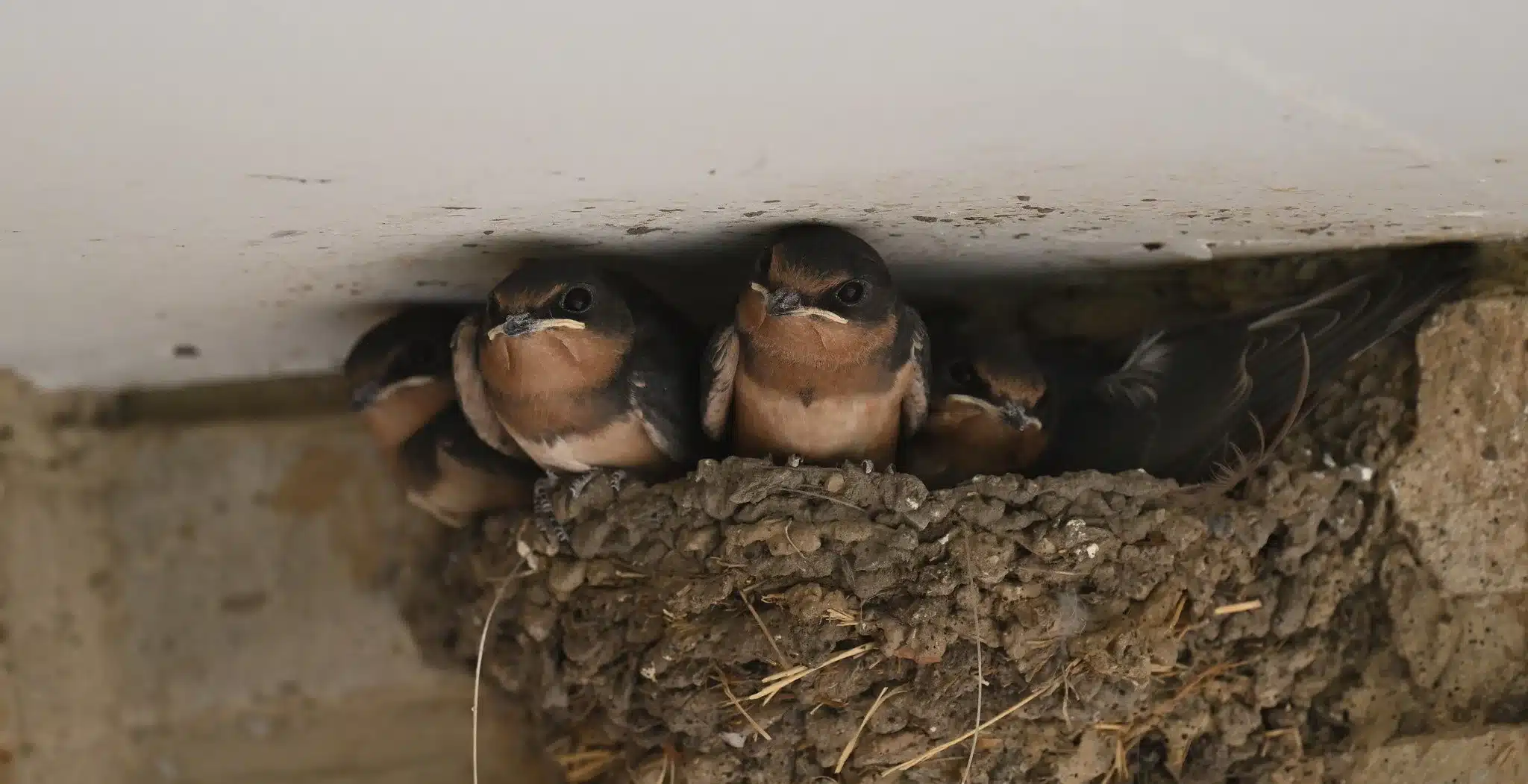
Have you ever spotted a tiny home made entirely of mud hanging from a tree or a building? It’s a fascinating sight that might make you wonder, “What bird makes a nest out of mud?” You’re about to discover the clever architects behind these unique nests.
Understanding their building skills will surprise you and change the way you see birds forever. Keep reading, and you’ll learn not just the name of this bird, but also why it chooses mud as its building block. This knowledge might even help you spot their nests in your own backyard!
Mud Nest Builders
Some birds build their nests using mud. These mud nests protect their eggs and chicks from predators and weather.
Mud nest builders use natural materials like mud mixed with grass or saliva. This makes their nests strong and long-lasting.
Bird Species That Use Mud
Several bird species are known for building nests with mud. These include swallows, cliff swallows, and some types of wrens.
- Barn Swallow: Builds cup-shaped nests on buildings or cliffs.
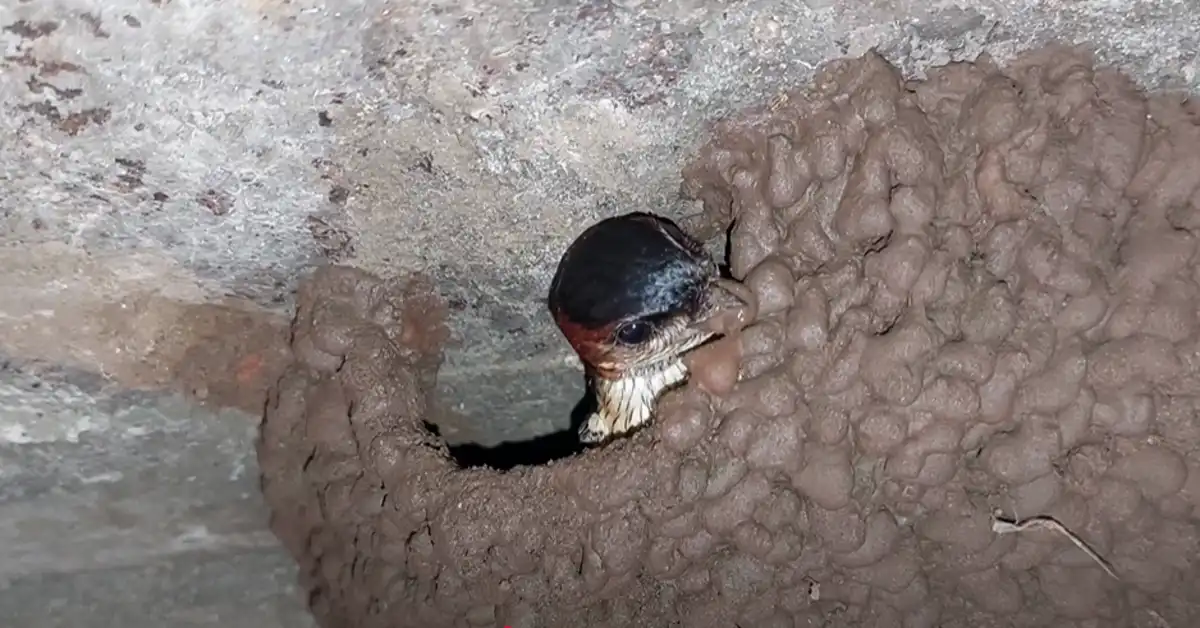
- Cliff Swallow: Creates gourd-shaped mud nests in colonies.
- Common House Wren: Uses mud to strengthen nests in tree holes.
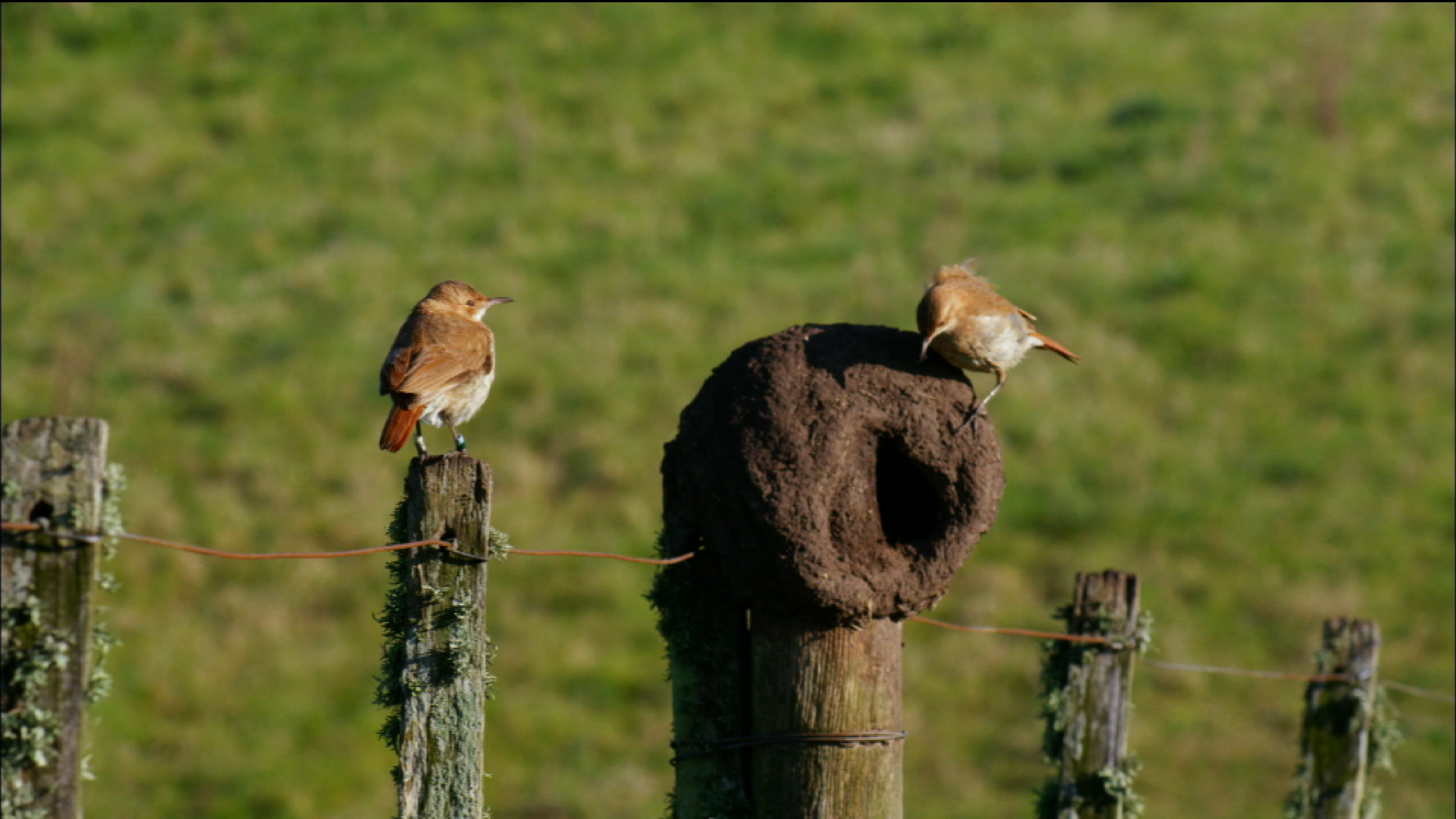
- Rufous Hornero: Known for oven-like mud nests on trees or posts.
Habitat Preferences
Mud nest builders prefer habitats near water or mud sources. They often live close to rivers, lakes, or wetlands.
| Bird Species | Preferred Habitat | Nesting Site |
| Barn Swallow | Open fields, farms | Under eaves, bridges |
| Cliff Swallow | Cliffs, riverbanks | Cliff faces, buildings |
| Common House Wren | Woodlands, gardens | Tree holes, nest boxes |
| Rufous Hornero | Grasslands, savannas | Tree branches, posts |
Nest Construction Techniques
Birds that build nests from mud show amazing skill and patience. They use mud to create strong homes for their eggs and chicks. These nests protect the birds from weather and predators.
This article explains how these birds collect materials and shape their nests. Learn about their careful building process and what makes their nests so sturdy.
Material Collection
Birds that build with mud gather soft, wet mud from riverbanks or puddles. They also collect small sticks, grass, and leaves to mix with the mud. This mix helps the nest hold its shape and stay strong.
- Wet mud from calm water sources
- Tiny sticks for added structure
- Grass and leaves to bind the materials
- Sometimes saliva to stick materials together
Shaping And Building Process
After collecting materials, the bird starts building by molding the mud with its beak. They often build on tree branches, walls, or cliffs. The mud dries quickly and hardens to form a solid shell.
| Building Stage | Details |
| Foundation | Attach mud base to a secure surface |
| Wall Formation | Layer mud and add grass for strength |
| Shaping | Mold the nest into a cup or gourd shape |
| Drying | Allow mud to harden in the sun |
| Finishing | Add soft lining inside for eggs |
Adaptations For Mud Nesting
Some birds build their nests out of mud. They use special traits and behaviors to do this well. These adaptations help them create strong and safe homes.
Mud nests protect eggs and chicks from weather and predators. Birds that use mud have unique ways to gather and shape this material.
Physical Traits
Birds that build mud nests have strong beaks. Their beaks help them collect and carry mud easily. Some birds have rough feet to hold onto walls while building.
Many mud-nesting birds have sticky saliva. This saliva helps the mud stick together and dry in place. Their feathers also resist getting too wet while working with mud.
- Strong, pointed beaks for gathering mud
- Sticky saliva to hold mud in place
- Rough feet to grip building surfaces
- Water-resistant feathers to stay dry
Behavioral Strategies
Birds choose safe and sturdy places to build mud nests. They often build under eaves or on cliffs. This protects the nest from rain and predators.
These birds gather mud from wet areas. They mix it with grass or other materials to make the nest stronger. They build in layers, letting each dry before adding more mud.
- Select sheltered locations for nest safety
- Collect mud from nearby wet places
- Mix mud with grass or twigs for strength
- Build nests layer by layer, letting mud dry

Credit: ca.news.yahoo.com
Benefits Of Mud Nests
Some birds build their nests using mud. These mud nests offer many benefits for the birds and their eggs. Mud nests are strong and safe homes.
Birds like swallows use mud to create their nests. These nests help protect the birds from dangers and bad weather.
Protection From Predators
Mud nests protect birds from predators. The hard mud walls make it hard for animals to reach the eggs or chicks inside.
Birds build their nests in places that are hard to reach. The mud sticks well and creates a strong barrier against enemies.
- Hard to break or open
- Built on high walls or cliffs
- Camouflages with surroundings
Weather Resistance
Mud nests protect birds from rain, wind, and heat. The thick mud walls keep the inside dry and cool.
The mud hardens after drying. This makes the nest strong against storms and hot sun. The nest lasts for many seasons.
- Keeps rain out
- Blocks strong winds
- Insulates from heat and cold
Famous Mud Nest Builders
Some birds build their nests using mud. They use mud to create strong homes. These nests protect their eggs and chicks.
Below are some well-known birds that make nests from mud. Each bird has a unique way to build and use mud for nesting.
The Cliff Swallow
The Cliff Swallow builds gourd-shaped nests from mud. They collect mud pellets from wet areas. These birds often build their nests in large colonies on cliffs or buildings.
- Use mud mixed with grass and feathers
- Build nests in groups for safety
- Attach nests under bridges or ledges
The Barn Swallow
The Barn Swallow also uses mud to build nests. They mix mud with straw and line the inside with soft materials. Their nests are cup-shaped and usually found in barns or under eaves.
| Feature | Description |
| Nest Shape | Cup-shaped |
| Materials | Mud, straw, feathers |
| Location | Barns, eaves, man-made structures |
The Rufous Hornero
The Rufous Hornero is famous for its oven-like mud nests. They build thick walls and a chimney entrance. These nests look like small clay ovens and protect the birds well.
- Made entirely of mud and clay
- Strong and weather-resistant
- Built on trees or poles
- Used for many years
Challenges In Mud Nesting
Birds that build nests from mud face many challenges. These challenges affect their ability to create safe homes for their young.
Understanding these challenges helps us protect these birds and their habitats better.
Environmental Threats
Environmental changes can harm mud-nesting birds. Floods can wash away nests. Droughts dry the mud, making it hard to build.
- Heavy rains can destroy nests quickly.
- Strong winds may break fragile mud structures.
- Pollution can contaminate the mud and water supply.
- Loss of natural mud sources limits building materials.
Human Impact
Human activities often disturb mud-nesting birds. Urban growth reduces their natural habitats. Construction can remove mud banks.
| Human Activity | Impact on Mud Nesting |
| Building development | Loss of mud sources and nesting sites |
| Pollution | Harm to birds and their environment |
| Deforestation | Changes in local climate and mud availability |
| Recreational activities | Disturbance during nesting season |
Observing Mud Nests Safely
Many birds build nests from mud. These nests are fascinating to watch. Observing them safely helps protect the birds and their homes.
It is important to enjoy these sights without causing stress to the birds. Learning when and how to watch is key to safe observation.
Best Times To Watch
Birds that make mud nests are usually active during certain times. Early morning and late afternoon are the best times to observe without disturbing them.
- Visit during calm weather to avoid startling birds
- Watch from a distance with binoculars or a camera zoom
- Stay quiet to not scare the birds away
- Avoid visiting nests during heavy rain or strong winds
Respecting Wildlife
Respect the birds and their environment. Do not touch or move mud nests. Keep pets and children away from nesting sites.
| Do | Don’t |
| Observe quietly from a distance | Touch or handle nests |
| Use binoculars to get a closer look | Make loud noises near nests |
| Leave no trash behind | Disturb birds during nesting season |
Credit: www.earthofbirds.com
Credit: www.pbslearningmedia.org
Frequently Asked Questions
What Bird Builds Nests Using Mud?
The most common bird that builds mud nests is the barn swallow. They use mud pellets to form cup-shaped nests on walls or under eaves. These nests are sturdy and protect their eggs and young from predators and weather.
Why Do Some Birds Use Mud For Nests?
Birds use mud because it provides a strong, durable structure. Mud nests resist wind and rain better than nests made of twigs or leaves. Mud also helps regulate temperature inside the nest, keeping eggs and chicks safe and comfortable.
Where Do Mud-nesting Birds Usually Build Nests?
Mud-nesting birds often build nests on man-made structures like barns, bridges, and buildings. They prefer sheltered spots such as under eaves or ledges. These locations protect nests from rain, predators, and direct sunlight.
How Do Birds Collect Mud For Nest Building?
Birds gather mud by scooping it up with their beaks from wet soil or riverbanks. They mix it with saliva to improve stickiness. Then, they carry small mud pellets back to the nest site to build or repair their nests.
Conclusion
Mud nests are truly fascinating. Birds like swallows and martins craft them. Their hard work and skill amaze us. These nests provide safety and warmth. Watching these birds is a joy. Their dedication inspires admiration. Nature always finds a way.
It’s a reminder of life’s beauty and resilience. Remember to appreciate these natural architects. They teach us about survival and creativity. Next time you see a mud nest, pause. Reflect on the wonders of nature. Birdwatching can offer peace and learning.
Discover the beauty in small things. Nature’s marvels await us all.