Have you ever been woken up by a strange squeaking noise outside your window at night? You’re not alone.
Many people wonder, “What bird makes that squeaking sound when everything else is quiet? ” Understanding these nighttime calls can help you connect with nature in a whole new way. You’ll discover which birds are behind those mysterious squeaks and why they make these sounds after dark.
Keep reading—you might be surprised by what you learn!

Credit: extension.msstate.edu
Common Night Birds With Squeaking Calls
Many birds make sounds at night to communicate or mark their territory. Some birds have a unique squeaking noise that can be heard in the dark. These sounds help identify which bird you might be hearing outside.
This guide covers common night birds known for their squeaking calls. Learning their sounds can make nighttime more interesting and less mysterious.
Owls And Their Unique Sounds
Owls are famous night birds with many different calls. Some owls make a soft squeaking or high-pitched sound. These noises help owls find each other and warn others to stay away.
The squeaking sound can be short or long. It often sounds like a small whistle or a gentle “kree” noise. Different owl species have different squeaks.
- Eastern Screech Owl: makes a soft, high-pitched trill or squeak
- Barred Owl: sometimes gives a squeaky, rising call
- Western Screech Owl: known for a sharp, short squeak
Nightjars And Their Vocalizations
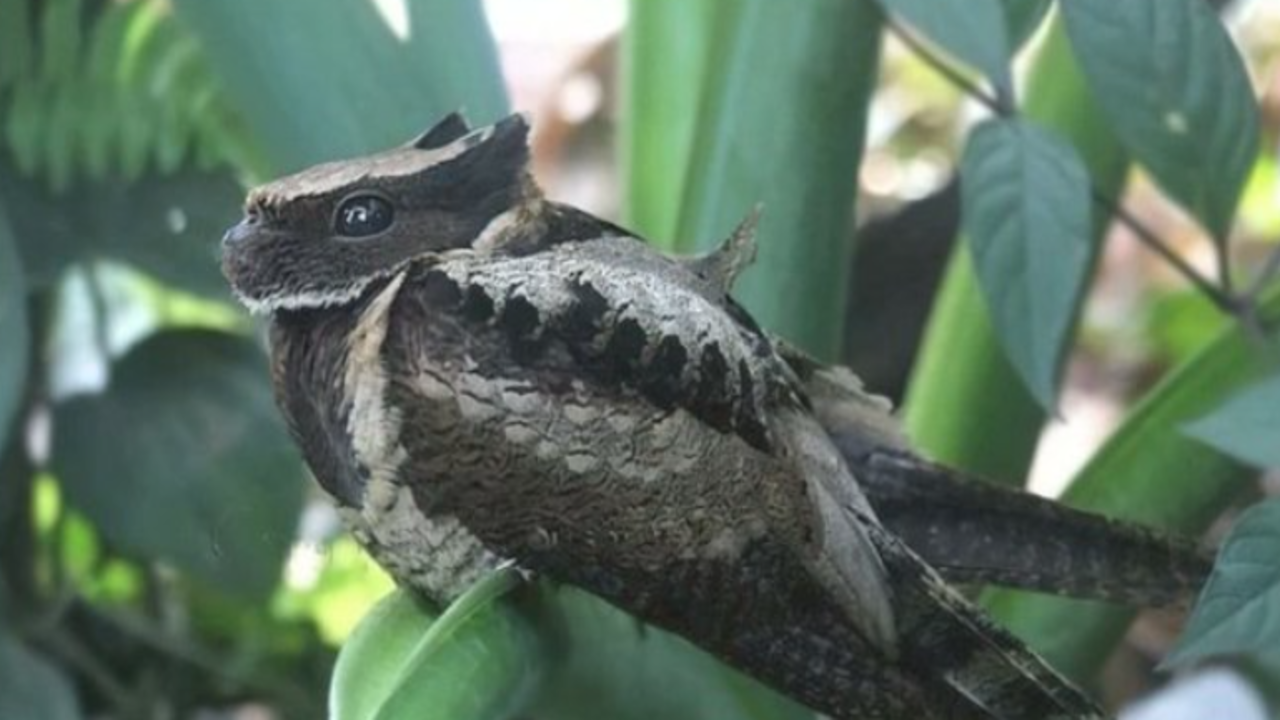
Nightjars are birds that fly at night and use calls to find mates. Their calls include clicks, chirps, and squeaking noises. These sounds can be quick or repeated many times.
Their squeaking calls often sound mechanical or like small peeps. Nightjars rely on these noises to stay in touch while flying in the dark.
- Common Nighthawk: makes a sharp, repetitive “peent” sound
- Chuck-will’s-widow: known for low, rising squeaks and chuckles
- Whip-poor-will: calls include short squeaks and whistles
Nighthawks And Their Calls
Nighthawks are related to nightjars and active during dusk and night. Their calls include a variety of sounds such as squeaks, whistles, and buzzes. These help the birds communicate during flight.
The squeaking noises are often short and sharp. Nighthawks use these sounds to warn other birds or attract mates.
- Common Nighthawk: sharp “peent” sounds with occasional squeaks
- Least Nighthawk: soft squeaking calls mixed with chirps
- Antillean Nighthawk: high-pitched squeaks during flight
Reasons Behind Nighttime Squeaking
Many birds make squeaking noises at night. These sounds may seem strange or eerie.
Birds use these sounds for different reasons. Understanding why helps us learn about their behavior.
Communication Among Birds
Birds use squeaking to talk to each other at night. This helps them stay connected in the dark.
These sounds can warn about danger or share information about food. It keeps the group safe and informed.
Territorial Claims
Birds squeak to mark their territory at night. This warns other birds to stay away.
Nighttime calls help birds keep control over their space even when it is dark outside.
- Protect nesting area
- Keep rivals away
- Maintain food source
Mating And Courtship Calls
Some birds make squeaking noises to attract mates at night. These sounds show they are ready to breed.
Night calls help birds find partners and start courtship rituals in quiet surroundings.
Identifying Night Squeaking Birds
Birds that make squeaking noises at night can be tricky to identify. These sounds vary by species and environment.
Listening carefully and knowing what to look for helps find out which bird is making the noise.
Distinctive Features To Look For
Look at the bird’s size and shape. Notice its color and markings if you see it near the sound.
Watch how the bird moves and where it rests at night. Some birds prefer trees, others near water.
- Small birds often have high-pitched squeaks
- Large birds may produce deeper, slower sounds
- Look for eye rings, wing bars, or tail patterns
- Check if the bird is alone or in a group
Using Sound Recognition Apps
Sound apps can help identify night birds by their calls. Record the squeaking noise clearly for best results.
These apps compare your recording with a large database of bird sounds. They suggest possible matches quickly.
- Use quiet surroundings to get clean recordings
- Try multiple recordings to catch different calls
- Check app suggestions against bird guides
- Note time and location for better accuracy
Local Bird Species To Consider
Different areas have unique birds that squeak at night. Knowing local species narrows down the options.
Some common night squeaking birds include owls, nightjars, and some small songbirds active after dark.
- Eastern Screech Owl: small with a high-pitched trill
- Common Nighthawk: sharp, nasal squeaks in flight
- Whip-poor-will: repetitive call that sounds like “whip-poor-will”
- American Woodcock: soft peent and nasal squeaks
Credit: timesofindia.indiatimes.com
Impact Of Night Calls On Humans
Many birds make squeaking noises at night. These sounds can affect people living nearby. Night calls are often loud and sharp.
Understanding how these sounds impact humans helps us live better with nature. This article looks at sleep, culture, and peaceful coexistence.
Effects On Sleep And Comfort
Night bird calls can disturb sleep and reduce comfort. Some people find these sounds annoying or stressful.
- Interrupted sleep can cause tiredness during the day.
- Loud noises may increase heart rate and stress levels.
- Some people may feel unsafe due to unusual night sounds.
- Others may find the noises soothing or natural.
Cultural Interpretations
Night bird sounds have many meanings in different cultures. Some see them as warnings or signs.
| Culture | Interpretation |
| Native American | Messages from spirits |
| European Folklore | Omen of change |
| Asian Traditions | Symbol of patience |
| African Beliefs | Protection and guidance |
How To Coexist Peacefully
Living with night bird calls is possible with simple steps. Respecting wildlife helps keep peace.
- Use white noise machines to mask bird sounds at night.
- Close windows or use earplugs to reduce noise.
- Plant trees away from bedrooms to lower sound levels.
- Learn about local birds to appreciate their role in nature.
Tips For Birdwatching At Night
Birds that make squeaking noises at night can be hard to spot. Listening closely helps you find them. Night birdwatching needs special care and tools.
This guide gives tips on the best times to listen, what equipment to use, and how to stay safe.
Best Times To Listen
Birds that squeak at night are often most active during certain hours. Try to listen at these times for the best chance to hear them.
- Just after sunset, when the sky is still light
- Late evening, around 9 to 11 pm
- Early morning before sunrise
- On warm, calm nights without strong winds
Equipment Recommendations
Using the right equipment makes night birdwatching easier and more fun. Some tools help you see and hear better in the dark.
| Equipment | Purpose |
|---|---|
| Flashlight or Headlamp | To see paths and birds safely |
| Binoculars with Night Vision | To spot birds without disturbing them |
| Audio Recorder | To capture bird sounds for later study |
| Bird Guide App | To identify birds by their calls |
Safety Precautions
Night birdwatching can be risky if you are not prepared. Follow these safety tips to enjoy your time outdoors safely.
- Go with a friend or group, never alone
- Wear bright or reflective clothing to be seen
- Carry a fully charged phone for emergencies
- Know the area to avoid getting lost
- Watch out for wildlife and avoid disturbing them
Credit: abcbirds.org
Frequently Asked Questions
What Bird Makes Squeaking Sounds At Night?
The Eastern Screech Owl often makes squeaking noises at night. These small owls use high-pitched calls to communicate and mark territory. Their sounds can resemble soft squeaks or trills, making them unique nocturnal birds in many regions.
Why Do Some Birds Squeak Instead Of Sing?
Birds squeak to communicate alarm or establish territory. Squeaking is usually a softer, high-pitched call different from melodic songs. It helps birds warn others about predators or maintain contact in low-light conditions, especially at night.
Are Squeaking Night Birds Harmful To Humans?
No, birds that squeak at night are harmless to humans. Their calls are natural communication sounds. They do not pose any threat and generally avoid human contact, focusing on hunting insects or small prey during nighttime.
How Can I Identify A Squeaking Bird At Night?
Listen for high-pitched, repetitive squeaks or trills in your area. Use a flashlight or night-vision tool to spot small owls or nightjars. Bird identification apps can also help recognize specific squeaking calls in your region.
Conclusion
Birds can make the night come alive with sounds. Owls often squeak as they hunt. Listening to these sounds can be a fun nighttime activity. Identify the squeaking birds around your home. Use a bird guide or app to help.
Understanding these creatures adds to our appreciation of nature. Next time you hear a squeak, think of the bird behind it. It’s a reminder of the diverse wildlife we share our world with. Keep listening, learning, and enjoying the night sounds.
Nature always has something new to offer.