Have you ever heard a strange bird sound outside and wondered, “What bird noise is this?” That curious chirp or call can spark your interest and make you want to know more.
Understanding bird noises doesn’t just satisfy your curiosity—it connects you to nature in a whole new way. You’ll discover how to identify those mysterious sounds and unlock the secrets behind them. Get ready to become the go-to person for bird calls in your neighborhood! Keep reading, and soon you’ll be recognizing those bird noises like a pro.
Credit: apps.apple.com
Common Bird Sounds
Birds make many sounds to communicate. These sounds help them find mates, warn of danger, and mark territory.
Learning to identify bird noises can make outdoor time more fun. Each species has unique sounds to recognize.
Songs Vs Calls
Bird songs are longer and more complex. They usually attract mates or defend territory.
Bird calls are short sounds. They warn others or keep the flock together.
- Songs are musical and repeated
- Calls are brief and simple
- Songs mostly made by males
- Calls made by all birds
Typical Bird Sounds By Species
Different birds have distinct sounds. Knowing them helps identify species by ear.
| Bird Species | Common Sound | Purpose |
| American Robin | Cheerful whistling | Song to attract mates |
| Northern Cardinal | Clear whistles | Territory defense |
| Blue Jay | Loud jeer calls | Alarm and communication |
| Mourning Dove | Soft cooing | Mate attraction |
| Chickadee | “Chick-a-dee” call | Flock coordination |
Tools For Identifying Bird Sounds
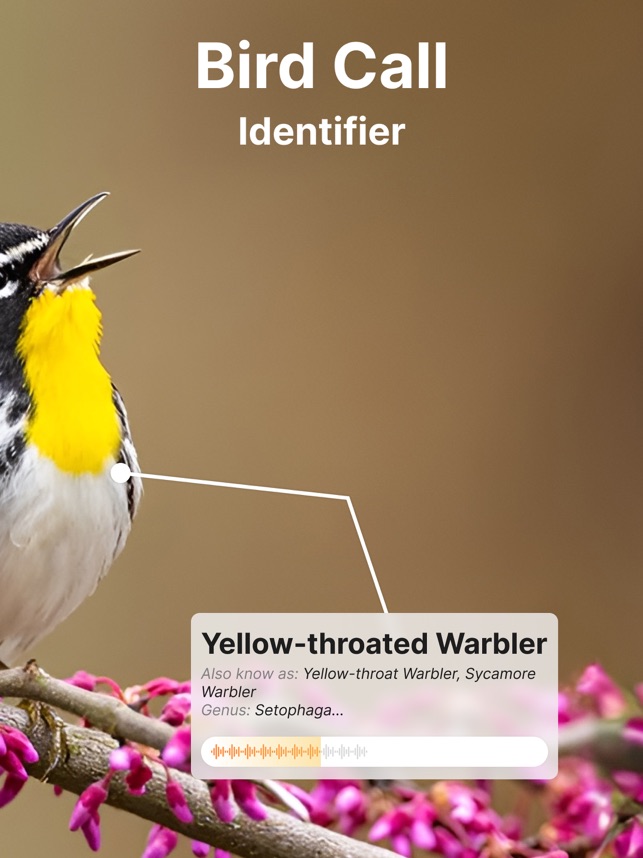
Bird sounds can be tricky to recognize. Using tools helps you identify different bird noises more easily.
These tools include apps, sound libraries, and guides with audio clips. They make learning bird sounds fun and simple.
Mobile Apps
Mobile apps let you record bird sounds and compare them to a database. Many apps also show pictures and facts about birds.
You can use apps while you are outside. They often work offline and are easy to carry.
- Record bird calls using your phone
- Get instant matches from a sound database
- Learn bird names and habits
- Save your favorite bird sounds
Online Sound Libraries
Online sound libraries have many bird calls and songs. You can listen and compare sounds to identify birds.
These websites often have search tools by bird name, location, or sound type. They help you find the right bird sound fast.
- Access large collections of bird sounds
- Use search filters for easy browsing
- Hear sounds in high quality
- Learn from expert recordings
Field Guides With Audio
Field guides with audio combine pictures and sound clips. You can see the bird and hear its call at the same time.
These guides come as books or digital files. They are good for learning in nature or at home.
- Includes clear bird photos
- Offers audio of bird calls and songs
- Easy to use in the field or indoors
- Helps connect sounds to bird appearance
Techniques To Recognize Bird Noises
Bird noises can tell us a lot about different species. Learning to recognize these sounds helps with bird watching and study.
Using simple techniques improves your ability to identify bird calls. Listen closely and pay attention to details.
Listening For Patterns
Bird calls often follow patterns in rhythm and pitch. Recognizing these patterns makes identification easier.
- Notice if the sound repeats regularly
- Listen for changes in tone or speed
- Try to hear if the call has a rising or falling pitch
- Focus on unique sounds that stand out
Noting Habitat And Time
Bird sounds depend on where and when you hear them. Habitat and time of day give clues about the bird species.
| Habitat | Common Bird Calls | Time of Day |
| Forest | Songbirds, woodpeckers | Morning and evening |
| Wetlands | Ducks, herons | Daytime |
| Urban Areas | Pigeons, sparrows | All day |
| Grasslands | Meadowlarks, hawks | Morning |
Recording For Analysis
Recording bird sounds helps you study them later. Use a phone or recorder to capture clear audio.
Tips for good recordings:
- Choose a quiet spot away from noise
- Record during active bird times, like dawn
- Hold the recorder steady and close to the bird
- Note the date, time, and place of recording
Tips For Beginners
Bird sounds can be tricky to understand at first. Listening closely helps you learn bird calls. This guide gives simple tips for beginners.
Using a few methods makes it easier to identify bird noises. Try these ideas to enjoy birdwatching more.
Starting With Common Birds
Begin by learning the sounds of birds you see often. Common birds have simple calls that repeat. This helps your ear get used to bird noises.
- Listen to robins and sparrows in your area.
- Use apps or websites with bird sound recordings.
- Practice matching sounds to the birds you spot outside.
Using Visual Clues
Watching birds while listening helps connect sounds to species. Look for colors, shapes, and behaviors. These clues make bird noises easier to identify.
| Visual Clue | Why It Helps |
| Color patterns | Different birds have unique colors |
| Size and shape | Size can narrow down species |
| Flight style | Movement shows bird type |
| Habitat | Birds prefer certain places |
Joining Birdwatching Groups
Joining groups helps you learn from others. Groups share tips and organize outings. This support speeds up your learning.
- Find local birdwatching clubs online or in your area.
- Attend meetings or bird walks to practice listening.
- Ask questions about sounds you do not recognize.
- Share your own observations to get feedback.
Challenges In Bird Sound Identification
Bird sound identification can be tricky for many reasons. Bird calls often sound alike, making it hard to tell them apart.
Environmental sounds and changes in bird calls over time add more difficulty to identifying bird noises correctly.
Similar Calls Among Species
Many bird species have calls that sound very similar. This can confuse even experienced bird watchers.
Some birds use similar patterns in their songs to communicate, which makes it harder to distinguish them.
- Different species may have almost identical calls
- Young birds sometimes mimic calls of other species
- Some calls only differ in small details like pitch or length
Environmental Noise Interference
Background noise from wind, water, or traffic can hide bird sounds. This makes listening and recording difficult.
Other animals and human sounds also add to the noise, making it hard to hear birds clearly.
- Wind rustling leaves
- Running water or rain
- Cars, planes, and city sounds
- Insects and other animals
Seasonal Variations In Calls
Bird calls can change with the seasons. Some birds sing more in spring and summer.
During different seasons, birds may use different calls for mating, warning, or feeding.
- Spring calls for attracting mates
- Fall calls for warning or territory
- Winter calls for group communication

Credit: www.youtube.com
Credit: apps.apple.com
Frequently Asked Questions
What Bird Makes A Distinctive Chirping Noise?
Many small birds, like sparrows and finches, produce chirping sounds. These noises help them communicate and mark territory. Identifying the exact bird depends on the pitch and rhythm of the chirp.
How To Identify Bird Calls By Sound Alone?
Focus on the pitch, rhythm, and repetition of the call. Use apps or online guides for comparison. Listening carefully helps distinguish species by their unique vocal patterns.
Why Do Birds Sing Different Songs At Dawn?
Birds sing at dawn to claim territory and attract mates. Morning songs are often louder and more complex. This behavior is called the dawn chorus.
Can Bird Noises Indicate Their Behavior Or Mood?
Yes, bird sounds reflect moods like alarm, mating, or feeding. Sharp calls may signal danger, while soft coos show calmness. Understanding sounds helps interpret bird behavior.
Conclusion
Identifying bird sounds can be both fun and educational. It connects you with nature. You learn to appreciate the melody in your surroundings. Each bird has a unique call. Recognizing these sounds can enhance your outdoor adventures. It deepens your understanding of local wildlife.
Spend time listening. Your ears can be your guide in the wild. The world of birds is vast and vibrant. Stay curious, and let the birds’ songs tell their stories. Enjoy the beautiful symphony that nature offers every day. It’s a journey worth embarking on.