We know you want to invite beautiful bluebirds to your backyard. Choosing the right bird seed is key. What bird seed attracts bluebirds? There are many options, but which seed will attract these stunning birds?
You will now discover simple tips. These will help you welcome bluebirds with open wings. Keep reading. Soon your yard will be filled with these cheerful visitors.
Bluebird Feeding Habits
Bluebirds eat different foods by season. Their habits change based on what is available.
Know what bluebirds eat. This helps you choose the best seed to attract them.
What Bluebirds Naturally Eat
Bluebirds mainly eat small fruits and insects. They catch bugs on the ground or in low plants.
Fruits and berries become more important in colder months. Insects are hard to find then.
-
Insects like grasshoppers, beetles, and caterpillars.
-
Spiders and other small bugs.
-
Small fruits like elderberries, dogwood, and mulberries.
Seasonal Feeding Patterns
Bluebirds eat mostly insects in spring and summer. This gives them protein for raising chicks.
They switch to more seeds and berries in fall and winter. This helps them survive cold weather.
Credit: feedtheball.com
Best Bird Seeds for Bluebirds
Bluebirds prefer certain seeds. These give them energy and nutrition. The right seeds attract them fast.
Choose the best seeds. Your feeder will be a bluebird favorite. They like food that is easy to eat.
- The National Audubon Society notes: “Unlike many backyard birds, bluebirds are not equipped to crack hard shells. They are soft-billed birds, so hulled sunflower chips and softened fruits are far more appealing and easier to digest than whole seeds.”
Millet Varieties
Millet is a small, round seed bluebirds like. They find it easy to eat and pick up.
White proso millet is the best type. It has no hulls, which bluebirds avoid.
-
White proso millet is best.
-
Red millet is not as popular.
-
Millet is good for ground feeding.
Sunflower Seeds
Bluebirds enjoy sunflower seeds. They like the smaller types. These seeds offer good fats.
Black oil sunflower seeds are ideal. They have thin shells bluebirds can crack easily.
-
Black oil sunflower seeds attract many birds.
-
Striped sunflower seeds have thicker shells.
-
Sunflower seeds help make healthy feathers.
Cracked Corn Options
Cracked corn is another favorite for bluebirds. It is easy to eat. It fills them up quickly.
Use clean, fresh cracked corn. Old or moldy corn makes birds sick.
-
Cracked corn is good for ground feeding.
-
Bluebirds like soft, fresh corn pieces.
-
Mix cracked corn with other seeds for variety.
Seed Mixes That Work
Bluebirds like seeds that are easy to eat. They need good food. The right mix attracts them to your feeder.
Many bird lovers make blends. They buy special mixes for bluebirds. These mixes meet bluebirds’ diet needs.
Homemade Blends
Making your own mix lets you control the food. Bluebirds like natural seeds. They must be easy to digest.
A good mix includes simple seeds. These keep bluebirds coming back to your yard.
-
Millet: Small and easy to eat.
-
Cracked corn: Gives energy.
-
Sunflower chips: Soft and nutritious.
-
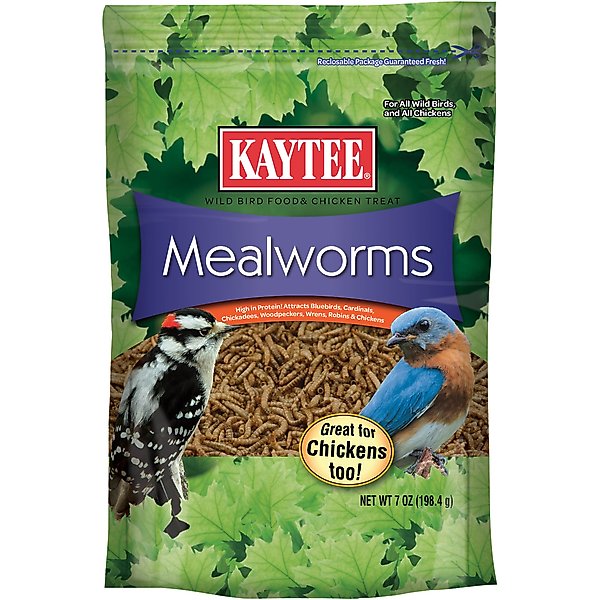
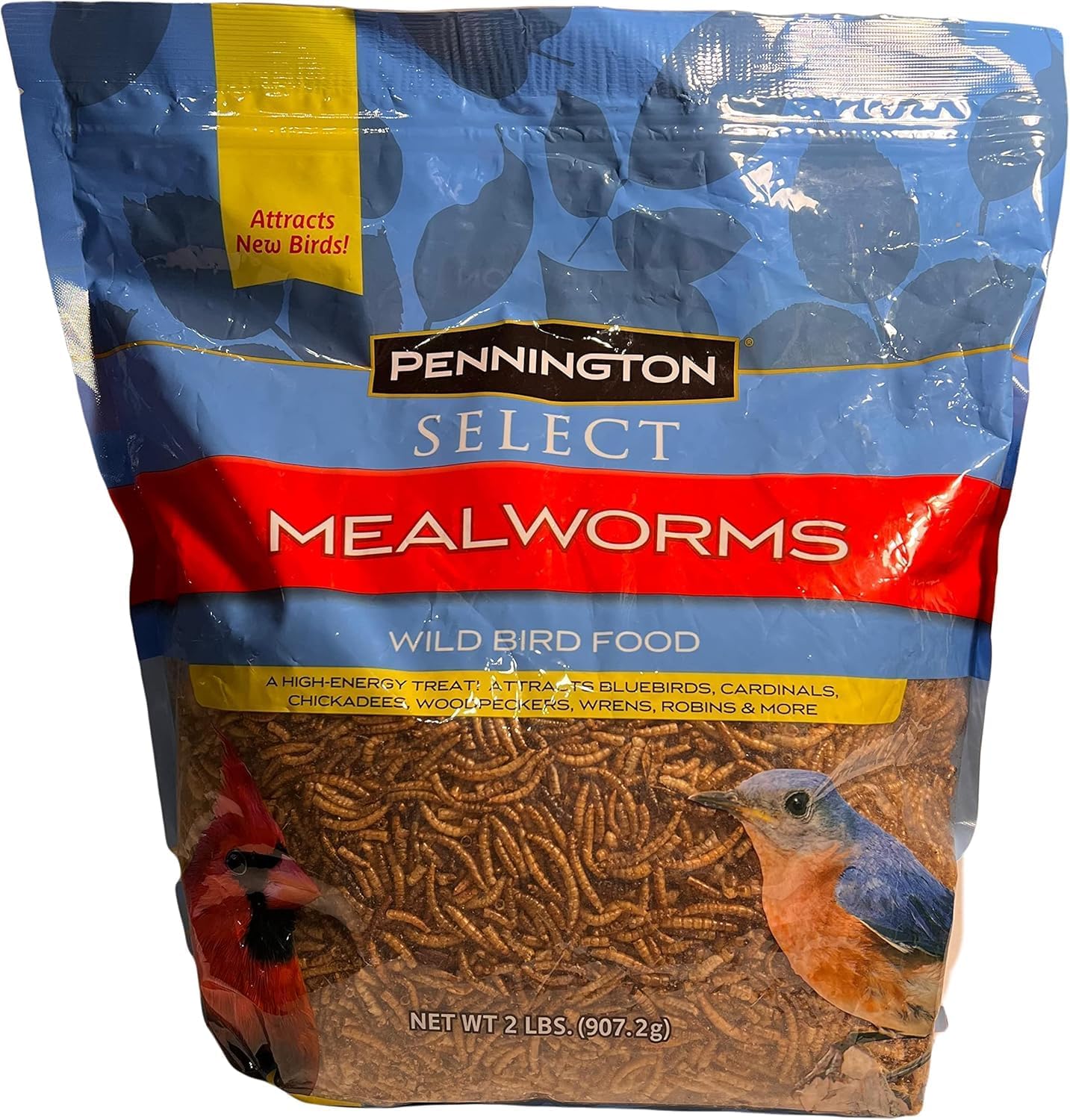
Mealworms: A protein-rich treat.
Commercial Bluebird Mixes
Commercial mixes aim to attract bluebirds. They blend food bluebirds prefer.
Look for mixes with soft sunflower chips. Check for dried mealworms. These make the mix very appealing.
-
Soft sunflower chips are easy to eat.
-
Dried mealworms add protein.
-
Small seeds like millet and cracked corn.
-
Avoid fillers like oats or wheat.
Feeding Tips to Attract Bluebirds
Bluebirds are beautiful to watch. Feeding them the right seeds brings them to your yard.
Know how to pick feeders. Place them well. Keep seeds fresh. This helps you get results.
Choosing The Right Feeder
Bluebirds like simple, easy-to-use feeders. Tray feeders and platform feeders work best. They let bluebirds perch and eat easily.
-
Use open platform feeders. Do not use cages.
-
Choose feeders with wide perches for bluebirds.
-
Avoid feeders for small seed like nyjer.
-
Clean feeders often to prevent disease.
- The Cornell Lab of Ornithology advises on bluebird behavior: “Bluebirds are primarily ground feeders or perch-and-swoop predators. They are not adept at clinging to small perches like finches. A flat, open platform or tray feeder mimics their natural foraging behavior and makes them feel safest.“
Optimal Feeder Placement
Put feeders in quiet areas. Have some cover nearby. Bluebirds must feel safe while they eat. Avoid noisy spots.
Maintaining Fresh Seeds
Fresh seeds keep bluebirds healthy. They keep them visiting your feeder. Check seeds often. Replace wet or old seeds.
-
Store seeds in a cool, dry place.
-
Use seeds within a month of opening.
-
Remove moldy or clumped seeds right away.
-
Clean feeders every two weeks with mild soap and water.
Avoiding Seeds That Discourage Bluebirds
Bluebirds prefer certain seeds. Some seeds attract other birds instead. This may scare bluebirds away.
Choose the right seeds. You will enjoy watching bluebirds. Avoid seeds that unwanted birds like most.
Common Seed Mistakes
Many people use mixed seeds. These often have seeds bluebirds do not eat. Some seeds attract sparrows and pigeons.
-
Avoid seed mixes with millet and cracked corn.
-
Skip seeds like thistle or safflower. Bluebirds rarely eat these.
-
Use mealworms or plain white millet instead.
-
Offer natural foods like berries for better results.
Keeping Away Unwanted Birds
Seeds that attract starlings and sparrows scare bluebirds off. Use a feeder and seed that limits these visitors.
Credit: hillsidewealth.ca
Additional Attractants for Bluebirds
Bluebirds like more than just the right seed. Other features bring them closer to your yard.
Water and safe nesting spots help. These increase your chance of seeing bluebirds often.
- The North American Bluebird Society recommends: “When the goal is to consistently attract and sustain a breeding pair, live or dried mealworms are unmatched. They provide the high protein and fat content essential for nesting females and fast-growing nestlings.”
Water is Life for Bluebirds
Fresh water is a daily need. Bluebirds drink it and take baths. Clean water is a big draw for them.
Use shallow dishes or birdbaths. They work the best. Change the water every day. This simple step keeps it safe.
-
Use very shallow containers.
-
Put the water near their food.
-
Refill water to keep it fresh.
-
Clean the dishes to stop algae.
We all love a cool drink. Bluebirds are no different.
Safe Spots to Raise Chicks
Bluebirds need a safe place to nest. A nest box near a feeder helps them stay. They need a quiet, secure home.
Place the box about 5 feet high. Turn the entrance away from strong wind. This protects the young birds.
-
Use nest boxes made for bluebirds.
-
Clean the box after nesting season.
-
Mount boxes on poles, not on trees.
-
Space the boxes 100 to 300 feet apart.
Give them a safe nursery.

Credit: www.amazon.com
Frequently Asked Questions
What Bluebirds Really Like to Eat
People often ask about their favorite food. Bluebirds are not big seed eaters. They hunt for insects mostly.
What is the best food?
Mealworms are their favorite treat. They are full of protein. Bluebirds love the taste. They also enjoy fruits like raisins and berries.
Do they eat sunflower seeds?
No, bluebirds skip sunflower seeds. They prefer insects and soft fruits. Offer them mealworms and berries instead.
Will suet bring them in?
Suet will bring bluebirds to you. This is very true in the winter months. They like suet with berries or mealworms mixed in.
How do I set up a feeder?
Pick a clear spot you can easily see. Use a feeder for fruits and mealworms. Make sure cleaning it is easy for you. Place it near a tree for quick cover.
Conclusion
Bluebirds prefer simple, real foods. Mealworms and suet work the best. Offer these items to bring them near. Keep the feeder clean and full always.
Watching bluebirds is a true joy. They add bright color to any day. Give them that fresh water nearby too. These small steps easily attract these birds. Enjoy the peaceful moments you create.