If you want to fill your yard with colorful, cheerful birds, choosing the right bird seed is the first step. Different birds are attracted to different seeds, and knowing which seed to use can turn your outdoor space into a lively bird haven.
Imagine watching your favorite feathered visitors up close, enjoying their songs and colors—all because you picked the perfect seed. You’ll discover exactly what bird seed attracts what birds, making it easier than ever to invite nature’s beauty right to your doorstep.
Keep reading, and soon your yard will be buzzing with life!
Popular Bird Seeds
Bird feeding attracts many species by offering the right seeds. Different seeds appeal to different birds. Knowing which seed attracts which bird helps create a lively backyard.
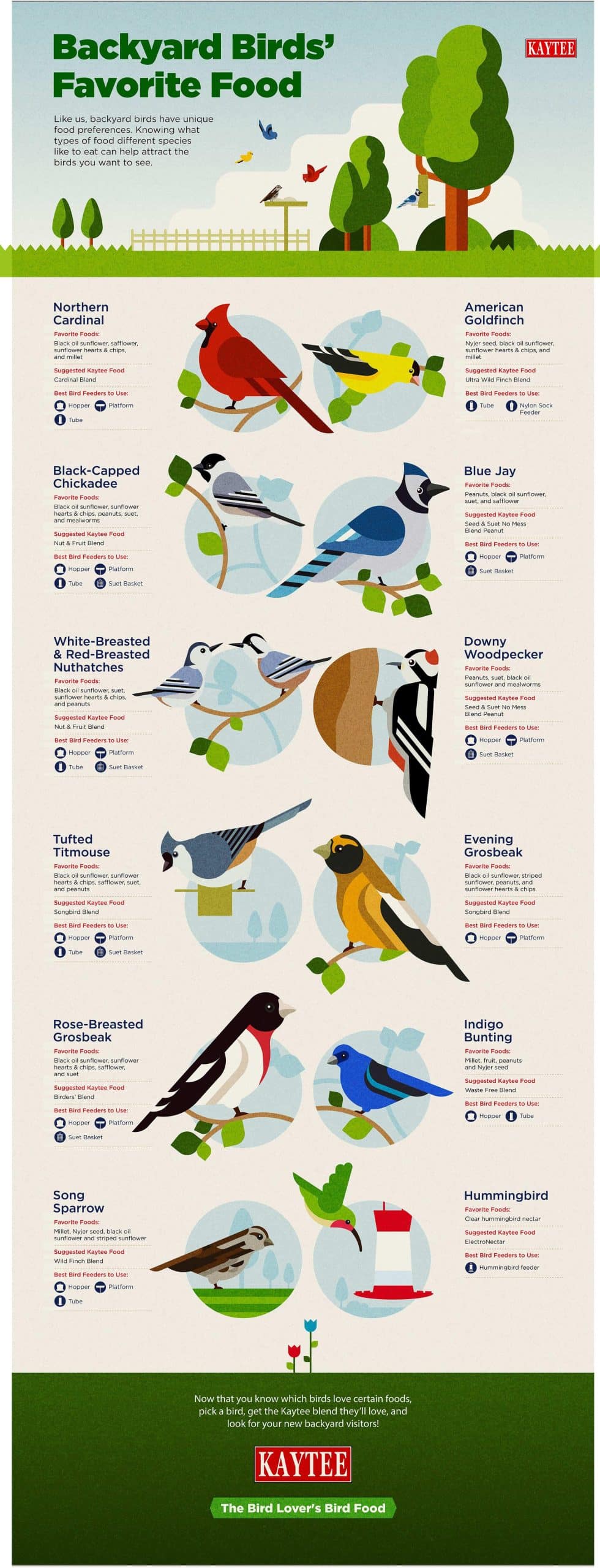
Below are popular bird seeds and the birds they attract. Use this guide to choose seeds that bring your favorite birds close.
Black Oil Sunflower Seeds
Black oil sunflower seeds are rich in fat and easy to crack. These seeds attract many birds because of their high energy content. They appeal to cardinals, chickadees, finches, and woodpeckers.
Nyjer Seeds
Nyjer seeds are tiny and high in oil. They attract small birds with thin beaks. Finches, such as goldfinches and siskins, love nyjer seeds. Use a special feeder to hold these tiny seeds.
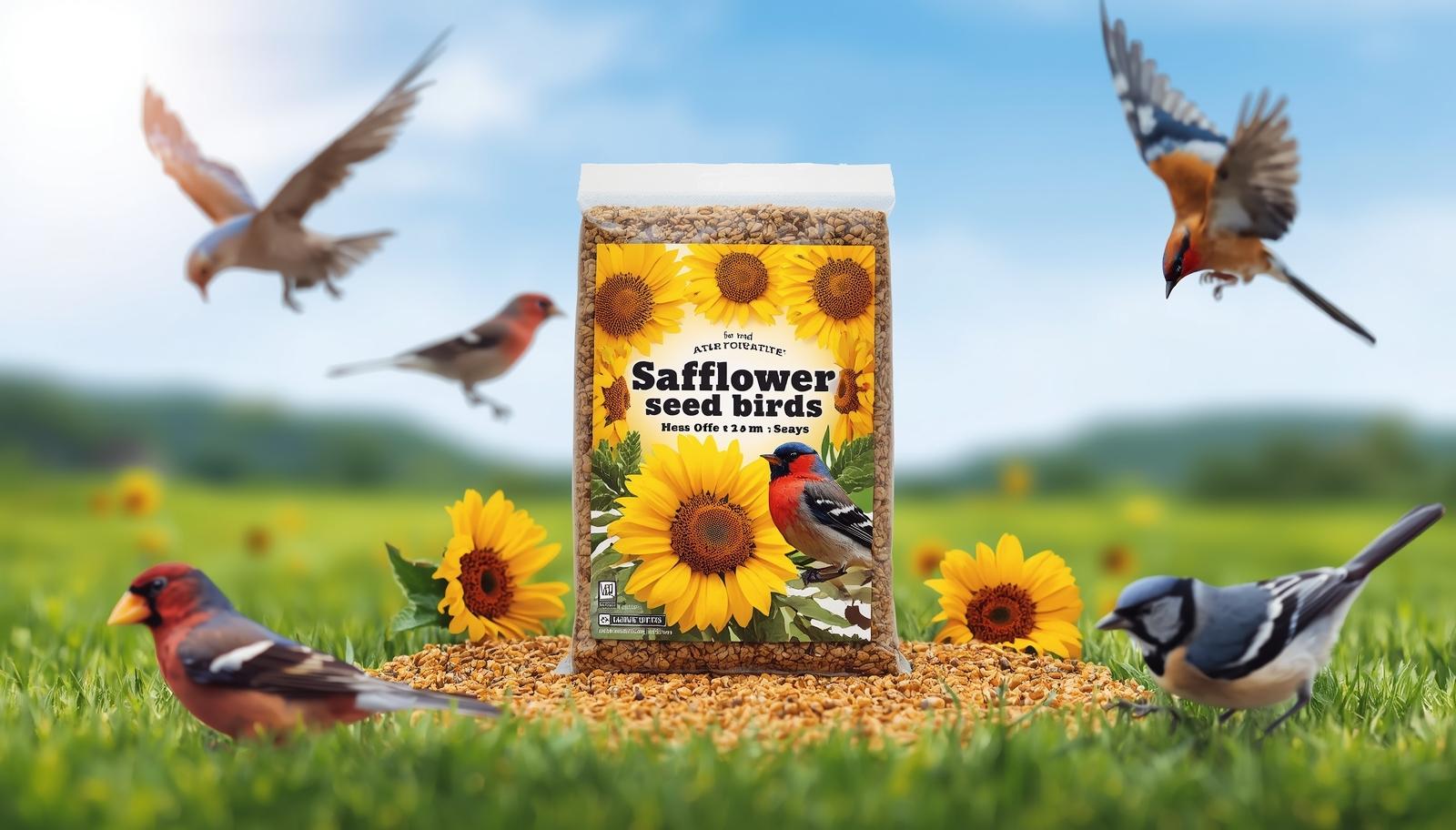
Safflower Seeds
Safflower seeds have a tough shell and a bitter taste. They attract cardinals, grosbeaks, and doves. Squirrels and blackbirds tend to avoid these seeds, making them good for selective feeding.
Millet
Millet is a favorite for ground-feeding birds. It attracts sparrows, juncos, doves, and towhees. White proso millet is the most common type used in bird feeding.
Cracked Corn
Cracked corn is easy to eat and fills hungry birds quickly. It attracts larger birds like ducks, quail, and pigeons. It also draws squirrels and other wildlife.
Peanuts
Peanuts provide a high protein snack for many birds. Jays, woodpeckers, titmice, and nuthatches enjoy peanuts. Use shelled or unshelled peanuts in feeders made for larger seeds.
| Seed Type | Birds Attracted | Notes |
| Black Oil Sunflower | Cardinals, Chickadees, Finches, Woodpeckers | High energy, easy to crack |
| Nyjer | Goldfinches, Siskins, Redpolls | Requires special feeder |
| Safflower | Cardinals, Grosbeaks, Doves | Repels squirrels and blackbirds |
| Millet | Sparrows, Juncos, Doves, Towhees | Best for ground feeders |
| Cracked Corn | Ducks, Quail, Pigeons | Attracts larger birds and wildlife |
| Peanuts | Jays, Woodpeckers, Titmice, Nuthatches | High protein source |
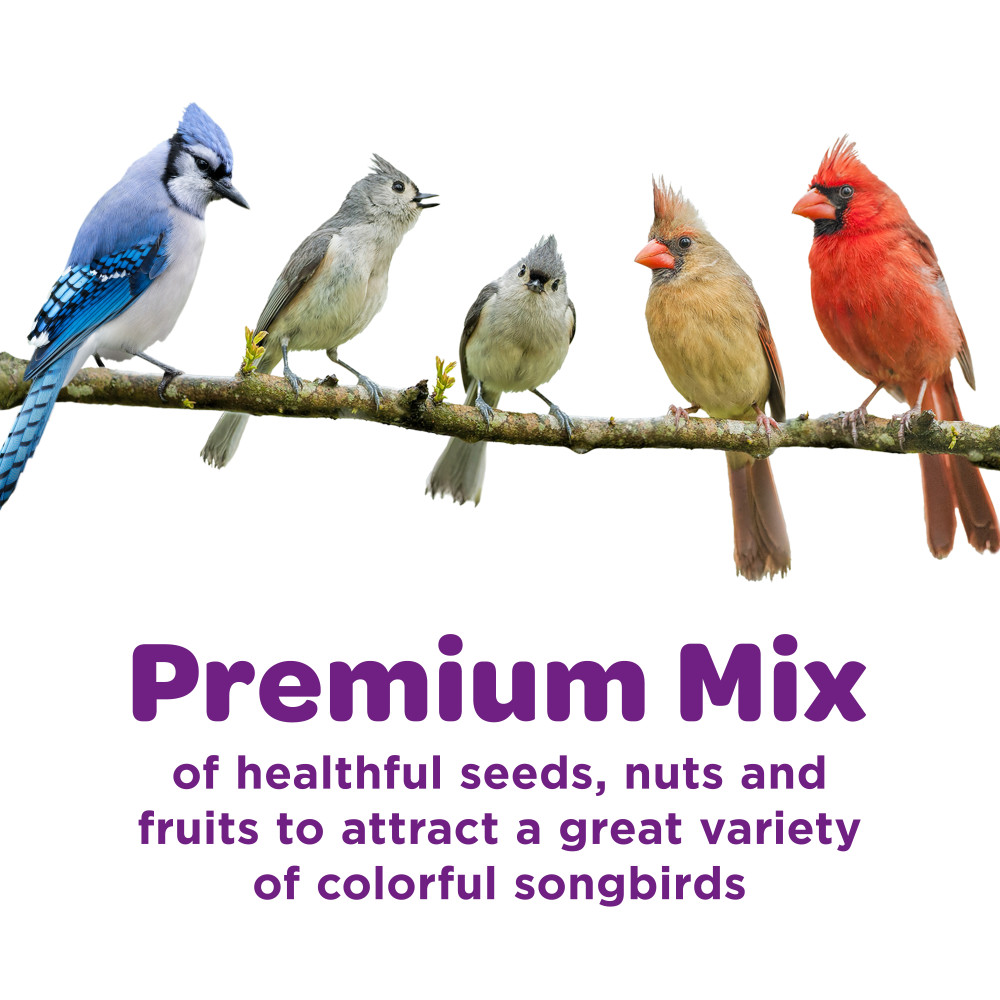
Credit: www.kaytee.com
Birds And Their Favorite Seeds
Birds love different seeds based on their size and taste preferences. Offering the right seed helps attract specific birds to your feeder.
Understanding which seed appeals to each bird species can make your birdwatching more enjoyable. Here are some common bird and seed pairings.
Finches And Nyjer
Finches prefer tiny seeds like Nyjer. These seeds are thin and black, perfect for their small beaks. Nyjer seed is high in oil and energy.
Use a special feeder with small holes to keep Nyjer seeds from spilling. Finches enjoy feeding in groups on Nyjer.
Cardinals And Sunflower
Cardinals love sunflower seeds, especially black oil sunflower seeds. These seeds are large and easy for cardinals to crack open.
Sunflower seeds provide lots of fat and protein. Cardinals visit feeders that offer sunflower seeds often.
Sparrows And Millet
Sparrows like small, round seeds called millet. White proso millet is their favorite. It is easy to eat and digest.
Scatter millet on the ground or in platform feeders. Sparrows feed in flocks and enjoy eating millet together.
Woodpeckers And Peanuts
Woodpeckers enjoy peanuts because they are rich in protein and fats. Offer shelled or unshelled peanuts in mesh feeders.
Peanuts are a favorite for larger woodpecker species. They use their strong beaks to crack open the shells.
Doves And Cracked Corn
Doves like cracked corn. It is easy for them to peck and digest. Cracked corn attracts ground-feeding birds.
Scatter cracked corn on the ground or in low feeders. Doves often feed in groups near corn.
Chickadees And Safflower
Chickadees prefer safflower seeds. These seeds are tough and bitter to squirrels but tasty to chickadees.
Safflower seeds help keep unwanted animals away. Chickadees use their sharp beaks to open these seeds easily.
Choosing The Right Feeder
Choosing the right bird feeder helps attract the birds you want to see. Different feeders work best for certain seeds and birds.
Using the proper feeder type makes feeding easier and keeps birds safe. It also reduces seed waste and mess.
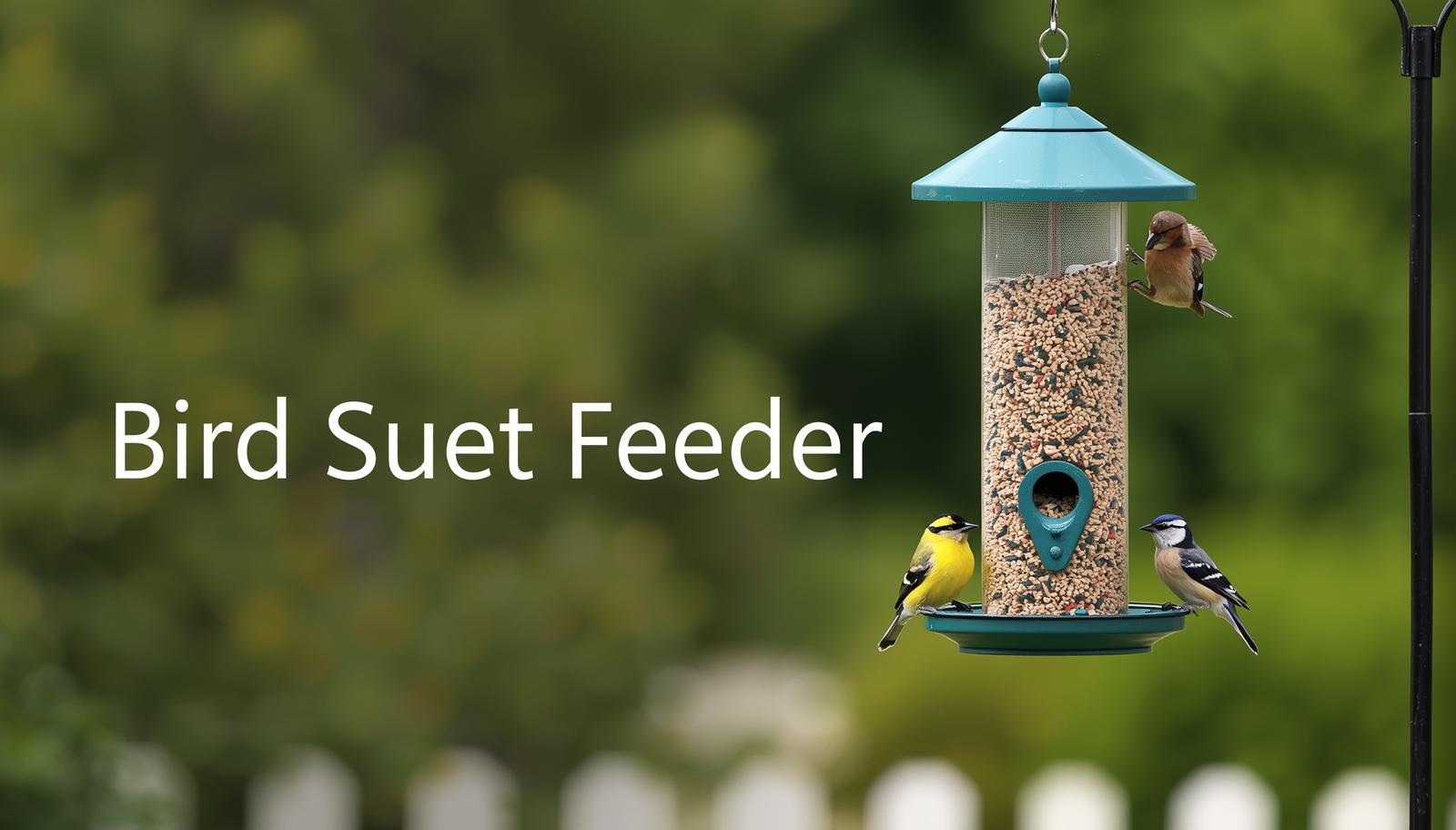
Tube Feeders
Tube feeders are long and narrow with small ports for birds to feed from. They usually hold small seeds like sunflower or millet.
These feeders attract small birds like finches, chickadees, and titmice. Tube feeders keep seed dry and clean.
Platform Feeders
Platform feeders are flat and open. They hold many seed types and allow birds to feed freely.
Birds like cardinals, jays, and doves enjoy platform feeders. These feeders also attract ground-feeding birds.
- Use mixed seed or cracked corn
- Place on stands or hang from branches
- Clean often to prevent mold
Hopper Feeders
Hopper feeders have a container that holds seed and drops it to a tray below. They protect seed from rain.
These feeders attract a variety of birds like sparrows, grosbeaks, and woodpeckers. They work well with mixed seed blends.
- Hold large seed amounts
- Easy to refill
- Good for many bird species
Thistle Feeders
Thistle feeders are small and have mesh sides for tiny seeds. They are made just for nyjer or thistle seed.
Goldfinches, siskins, and redpolls like thistle feeders. These birds have thin beaks to get seed through mesh.
- Use only nyjer seed
- Keep seed dry to prevent clumping
- Place in sheltered areas
Peanut Feeders
Peanut feeders hold whole or shelled peanuts. They have perches for birds to cling while feeding.
Woodpeckers, nuthatches, and titmice enjoy peanut feeders. Peanuts offer high energy for birds in cold weather.
- Use fresh, unsalted peanuts
- Check feeders often for mold
- Place where larger birds can feed safely
Seasonal Feeding Tips
Birds need different foods during each season. Feeding them the right seeds helps them stay healthy.
Knowing what seed to use at each time can attract many types of birds to your yard.
Winter Feeding
Winter is a hard time for birds. They need high-energy foods to keep warm.
Black oil sunflower seeds are great. They have lots of fat and are easy to eat.
- Black oil sunflower seeds attract cardinals, chickadees, and finches
- Suet cakes bring woodpeckers and nuthatches
- Peanuts in shell attract jays and titmice
- Nyjer seed is good for finches like goldfinches
Spring And Summer Choices
Birds eat more insects in warm months. Seeds help when bugs are less available.
Offer millet and cracked corn. These seeds attract sparrows and doves.
- White proso millet is good for sparrows and juncos
- Cracked corn attracts doves and pigeons
- Sunflower seeds still attract many birds
- Fruit feeders bring orioles and tanagers
Fall Feeding Strategies
Birds prepare for migration in fall. They eat more to build fat stores.
Offer mixed seeds with sunflower and safflower. These help many species.
- Sunflower seeds attract cardinals and grosbeaks
- Safflower seeds bring cardinals and doves
- Mixed seeds offer variety for many birds
- Suet helps woodpeckers and chickadees
Seed Storage And Freshness
Bird seed attracts different birds depending on the seed type. Keeping the seed fresh helps keep birds coming back.
Proper seed storage stops mold and pests. Fresh seed tastes better to birds and lasts longer.
Proper Storage Techniques
Store bird seed in a cool, dry place. Moisture can cause seeds to spoil quickly.
Use airtight containers to keep out bugs and air. Keep the seed away from direct sunlight.
- Use plastic or metal containers with tight lids
- Keep containers off the ground to avoid pests
- Store in a shaded area to prevent heat damage
Signs Of Spoiled Seed
Check seed for mold or a bad smell. Spoiled seed can harm birds.
Look for clumps or wet spots. Seeds should be dry and loose.
- Mold or fuzzy growth on seeds
- Unpleasant, sour, or musty smell
- Seeds stuck together or damp
- Insect or rodent damage
Buying In Bulk Vs Small Bags
Buying in bulk saves money but needs good storage. Large amounts can spoil if not stored well.
Small bags stay fresh longer but cost more per unit. They are easier to handle and store.
| Buying Option | Advantages | Disadvantages |
|---|---|---|
| Bulk | Lower cost per pound, less packaging waste | Needs proper storage, risk of spoilage |
| Small Bags | Easy to store, stays fresh longer | Higher cost per pound, more waste |

Credit: www.yahoo.com
Avoiding Pests And Wasting Seed
Choosing the right bird seed helps attract the birds you want. It also stops pests from eating your seed.
Saving seed means less waste and less money spent. Proper care keeps your bird feeders clean and full.
Deterring Squirrels
Squirrels love bird seed and can eat a lot fast. Use feeders that are hard for squirrels to reach.
Try using seed types squirrels dislike, like safflower seeds. You can also add squirrel baffles to poles.
- Use metal or weight-sensitive feeders
- Choose safflower or nyjer seed
- Install squirrel baffles on feeder poles
- Keep feeders away from trees or fences
Managing Mold And Moisture
Wet seed grows mold quickly. Mold can harm birds and spoil your seed supply.
Keep feeders dry by placing them under cover or using feeders with roofs. Clean feeders often to stop mold.
- Place feeders in shaded or covered spots
- Use feeders with drainage holes
- Clean feeders every two weeks
- Remove wet or clumped seed immediately
Reducing Seed Spillage
Seed that falls to the ground attracts pests and wastes food. Use feeders designed to hold seed tightly.
Check feeders often and refill carefully. Place seed trays or mats below feeders to catch spills for easy cleanup.
- Use tube feeders with small openings
- Fill feeders without overfilling
- Place seed trays or mats under feeders
- Clean spilled seed from the ground regularly

Credit: m.youtube.com
Frequently Asked Questions
What Bird Seed Attracts The Most Birds?
Black oil sunflower seeds attract the widest variety of birds. They are favored for their thin shells and high oil content. This seed appeals to finches, chickadees, cardinals, and many more. It’s an excellent choice to attract diverse bird species in your yard.
Which Seeds Attract Finches Specifically?
Nyjer (thistle) seeds are the top choice for attracting finches. These tiny seeds are high in oil and easy for finches to eat. Goldfinches, purple finches, and house finches love Nyjer, making it the best seed to bring these birds to your feeder.
What Seeds Do Cardinals Prefer?
Cardinals prefer sunflower seeds, especially black oil sunflower seeds. They also enjoy safflower seeds, which are less attractive to squirrels. Using these seeds in your feeder will increase the chances of cardinals visiting your yard regularly.
Can Millet Attract Ground-feeding Birds?
Yes, white proso millet is ideal for ground feeders. Birds like sparrows, doves, and juncos prefer millet. Spread it on the ground or use a platform feeder to attract these species. Millet is a great option for bird lovers who want variety.
Conclusion
Choosing the right bird seed makes a big difference. Different seeds attract different birds. Sunflower seeds bring cardinals and finches. Millet attracts sparrows and juncos. Thistle seeds are favorites for goldfinches. Keep your bird feeders clean. Fresh seeds keep birds coming back.
Mix seeds for a variety of birds. Watch the birds and enjoy nature. Feeding birds is fun and relaxing. Happy bird watching!