Choosing the right bird seed can feel confusing. With so many options on the market, how do you know what your feathered visitors really want?
Picking the perfect seed not only attracts more birds but also keeps them healthy and happy. If you’ve ever wondered, “What bird seed should I buy? ” you’re in the right place. Keep reading, and you’ll discover simple tips to make the best choice for your backyard friends.
Credit: owenhouse.com
Types Of Bird Seed
Choosing the right bird seed helps attract different birds to your yard. Birds prefer specific seeds based on taste and nutrition. Understanding seed types makes feeding easier and more effective.
This guide covers common seed varieties, their nutritional benefits, and the choice between seed mixes and single seeds.
Common Seed Varieties
There are many types of bird seeds. Each type attracts certain bird species. Here are some popular seeds you can use.
- Black Oil Sunflower:Attracts many birds. Easy to crack and high in oil.
- Nyjer (Thistle):Small seeds loved by finches and siskins.
- Safflower:Has a tough shell. Cardinals and grosbeaks like it.
- Milo (Sorghum):Good for ground-feeding birds like doves.
- Millet:Popular with sparrows and juncos. Often found in mixes.
Nutritional Benefits
Bird seeds provide fats, proteins, and carbohydrates. These nutrients keep birds healthy and active. Different seeds have different benefits.
| Seed Type | Main Nutrients | Birds Attracted |
| Black Oil Sunflower | High fat, protein | Cardinals, Chickadees, Finches |
| Nyjer (Thistle) | Rich in oil | Goldfinches, Siskins |
| Safflower | Protein, fiber | Cardinals, Grosbeaks |
| Milo (Sorghum) | Carbohydrates | Doves, Pigeons |
| Millet | Carbohydrates, fiber | Sparrows, Juncos |
Seed Mixes Vs. Single Seeds
Seed mixes contain many seed types. Single seeds focus on one kind. Both have pros and cons to consider.
- Seed Mixes:Offer variety to attract many birds. Sometimes contain filler seeds birds avoid.
- Single Seeds:Target specific birds. Often fresher and less waste.
Seeds For Different Bird Species
Choosing the right bird seed helps keep birds healthy and happy. Different birds eat different types of seeds.
Knowing what seed fits each bird species makes feeding easier and more effective.
Seeds For Finches And Canaries
Finches and canaries prefer small, light seeds. These seeds are easy for their small beaks to handle.
Common seeds for these birds include millet and canary seed. They provide good nutrition and taste.
- White millet
- Canary seed
- Nyjer (thistle) seed
- Hemp seed
Seeds For Parrots And Parakeets
Parrots and parakeets need a mix of seeds. They enjoy larger seeds and nuts for variety.
A good seed mix includes sunflower seeds, safflower, and millet. These provide energy and nutrients.
- Sunflower seeds (hulled or unhulled)
- Safflower seeds
- Millet
- Oats and corn kernels
Seeds For Wild Backyard Birds
Wild birds like a variety of seeds. Different species prefer different types of seeds in your yard.
Black oil sunflower seeds attract many wild birds. Mixed seeds can bring more species to your feeder.
- Black oil sunflower seeds
- Cracked corn
- Peanuts (unsalted)
- Millet
- Safflower seeds
Choosing Quality Bird Seed
Choosing the right bird seed is important for feeding wild birds. Good seed helps keep birds healthy and happy.
Not all bird seeds are the same. Some seeds have better nutrition and are safer for birds.
Checking Freshness And Cleanliness
Fresh bird seed attracts more birds. Old seed can lose nutrients and taste bad.
Check the seed for dust, mold, or bugs. Clean seed is safer and more appealing to birds.
- Look for bright, whole seeds
- Avoid dusty or clumpy seed
- Smell the seed for freshness
- Buy seed from stores with high turnover
Avoiding Fillers And Harmful Additives
Fillers are cheap ingredients that birds do not eat. They waste space and money.
Some seeds have harmful chemicals or preservatives. These can hurt birds or cause illness.
- Read labels to avoid fillers like red millet or wheat
- Choose seed blends with mostly sunflower or safflower seeds
- Pick brands without artificial colors or preservatives
Organic And Non-gmo Options
Organic seed is grown without synthetic pesticides. This keeps birds safer from chemicals.
Non-GMO seed means the plants were not genetically modified. Some people prefer natural seed.
- Look for USDA Organic labels
- Check for Non-GMO Project Verified seals
- Organic and Non-GMO seeds may cost more but can be healthier
Specialty Seeds And Treats
Choosing the right bird seed helps keep birds healthy and happy. Specialty seeds and treats offer extra benefits for wild and pet birds.
This guide covers high-protein seeds, vitamin-enriched seeds, and seasonal treats. Each type supports birds in different ways.
High-protein Seeds
High-protein seeds give birds energy to stay active. These seeds help birds build strong muscles and feathers.
Common high-protein seeds include sunflower seeds and safflower seeds. These seeds attract many bird species.
- Black oil sunflower seeds
- Safflower seeds
- Millet
- Peanuts (unsalted and shelled)
Vitamin-enriched Seeds
Vitamin-enriched seeds provide essential nutrients for birds’ health. These seeds help birds fight diseases and stay strong.
Some seeds are coated with vitamins or mixed with dried fruits and nuts. These blends offer a balanced diet for birds.
- Seed mixes with added vitamins
- Dried fruits and nut blends
- Fortified sunflower kernels
Seasonal And Foraging Treats
Seasonal treats match birds’ natural diets during certain times of the year. Foraging treats encourage birds to search for food.
These treats include dried berries, nuts, and suet cakes. They help birds build fat for cold weather or raise young.
- Dried berries (cranberries, blueberries)
- Mixed nuts (almonds, walnuts)
- Suet cakes with seeds and insects
- Mealworms for protein boost
Storing Bird Seed
Proper storage helps keep bird seed fresh and safe for your birds. Good storage prevents waste and protects seed quality.
Learning how to store bird seed correctly can save money and keep birds healthy.
Proper Storage Techniques
Store bird seed in a cool, dry place away from direct sunlight. Use airtight containers to keep moisture and pests out. Clear plastic or metal bins with tight lids work well.
- Keep seed off the ground to avoid dampness
- Use containers that seal tightly
- Label containers with purchase date
- Store different seed types separately
- Check containers regularly for damage or leaks
Shelf Life And Expiration
Bird seed does not last forever. Most seeds stay fresh for about six months if stored well. Whole seeds last longer than cracked or mixed seed blends.
| Seed Type | Typical Shelf Life | Storage Tip |
| Black Oil Sunflower | 6-12 months | Keep dry and cool |
| Millet | 4-6 months | Use airtight container |
| Nyjer (Thistle) | 6-9 months | Store in sealed container |
| Mixed Seed Blends | 3-6 months | Check for spoilage often |
Preventing Mold And Contamination
Mold grows when seed gets wet. To stop mold, keep seed dry and clean. Avoid using seed that smells bad or looks dusty.
- Store seed in a dry place
- Use clean scoops or tools to handle seed
- Check seed regularly for signs of mold or insects
- Discard any seed that looks discolored or smells musty
- Do not mix old seed with fresh seed

Credit: www.amazon.ca
Buying Tips And Trusted Brands
Choosing the right bird seed helps keep wild birds healthy and happy. You should know what types of seeds attract the birds in your area.
It is important to buy quality seed from trusted brands. This ensures the seed is fresh and free from harmful ingredients.
Where To Buy Quality Seed
You can find bird seed at garden centers, pet stores, and online shops. Look for places that store seed properly to keep it fresh.
Check the packaging date if available. Avoid seed that looks dusty or has many broken pieces.
- Local garden centers often sell fresh seed
- Pet stores carry many seed blends
- Online shops offer wide choices and reviews
- Farm supply stores usually stock bulk seed
Top Brands For Bird Seed
Some brands are known for high-quality bird seed. They use clean, fresh ingredients and avoid fillers.
- Kaytee: Good seed blends for many birds
- Wagner’s: Offers fresh and natural seed
- Lyric: Trusted brand with a variety of mixes
- Pennington: Known for quality and nutrition
Check customer reviews to see which brands work best in your area.
Budget-friendly Choices
You do not have to spend a lot to feed birds well. Some seeds are affordable and still attract many birds.
- Black oil sunflower seeds attract most wild birds
- Millet is cheap and liked by small birds
- Safflower seeds resist squirrels and are affordable
- Buy seed in bulk to save money
Mix your own seed blends to control cost and type of seed.
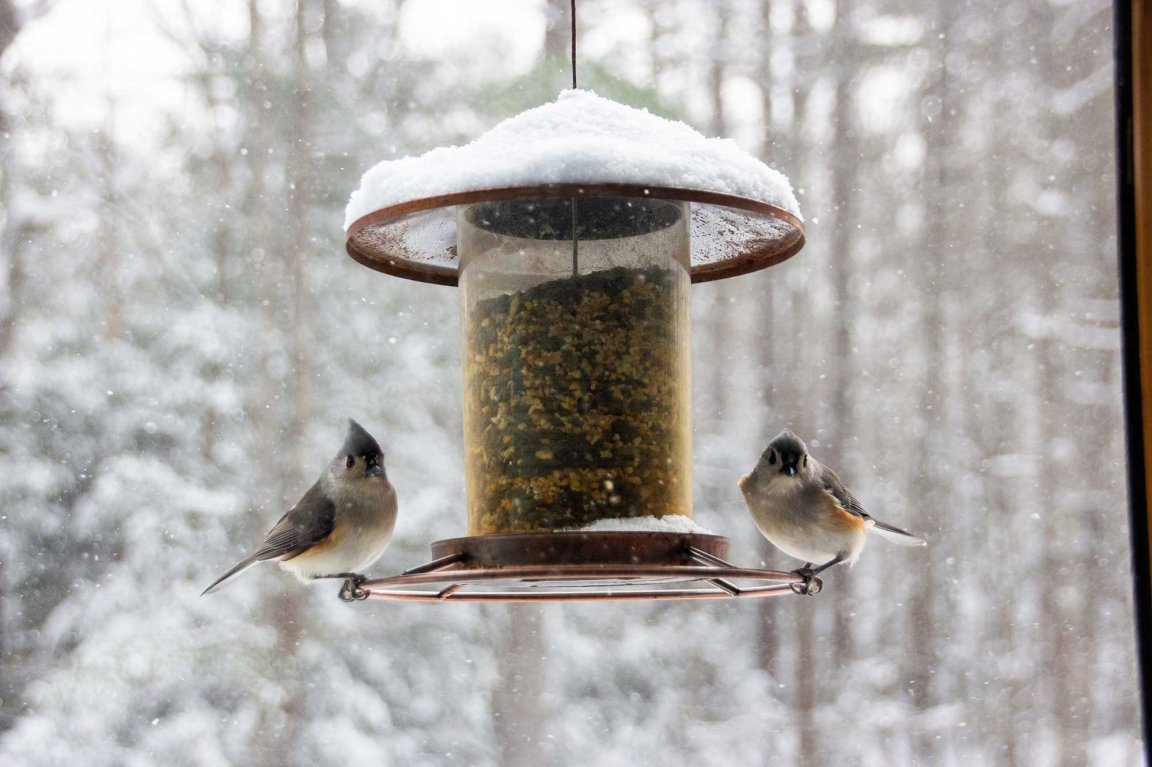
Credit: www.outdoorlife.com
Frequently Asked Questions
What Bird Seed Attracts The Most Birds?
Black oil sunflower seeds attract the most bird species. They have a thin shell and high oil content, making them easy to eat and nutritious. Many common backyard birds, like finches, chickadees, and cardinals, prefer these seeds.
Should I Buy Mixed Bird Seed Or Single Type?
Single-type seeds like sunflower or nyjer attract specific birds better. Mixed seeds can attract a variety but may contain fillers. Choose based on the birds you want to attract and avoid mixes with cheap fillers like milo or wheat.
How To Choose Bird Seed For Winter Feeding?
Choose high-energy seeds like sunflower or safflower for winter. These seeds provide essential fats and nutrients to help birds stay warm. Avoid seeds that spoil quickly or attract unwanted pests during cold weather.
Can I Feed Birds With Cracked Corn Or Millet?
Yes, but cracked corn and millet attract ground-feeding birds like doves and sparrows. These seeds are less preferred by many common songbirds. Use them to diversify feeding but combine with sunflower seeds for variety.
Conclusion
Choosing the right bird seed brings joy to your backyard. Different seeds attract different birds. Sunflower seeds are popular among many species. Millet suits smaller birds like sparrows. Mixed seeds cover a wider range. Keep your feeder clean to ensure bird health.
Always buy fresh, quality seeds. This helps attract more birds. Store seeds in a dry place to avoid spoilage. Experiment with different seeds to see what works best. Enjoy watching your feathered friends thrive with the right seeds. Happy birdwatching!