When winter arrives, feeding the birds in your yard becomes more important than ever. But how do you know what bird seed to use in winter to keep your feathered friends happy and healthy?
Choosing the right seed can make all the difference in attracting a variety of birds and helping them survive the cold months. If you want to see more colorful visitors at your feeder and support local wildlife during winter, keep reading.
You’ll discover the best seeds to use and tips to make your bird feeding successful all season long.
Benefits Of Feeding Birds In Winter
Winter is a tough time for birds. Food is harder to find, and cold weather uses more energy. Feeding birds helps them survive the harsh months.
Providing food supports local bird populations. It also brings wildlife closer for us to enjoy. Watching birds can brighten cold winter days.
Supports Bird Health And Survival
Birds need extra energy to stay warm in winter. Feeding them helps keep their body temperature up. It reduces the risk of starvation.
Encourages Bird Diversity
Feeding birds attracts many species. Different birds visit feeders for different seeds. This variety supports a healthy ecosystem.
- Finches prefer nyjer and thistle seeds
- Sparrows enjoy millet
- Woodpeckers like suet and peanuts
- Cardinals choose sunflower seeds
Promotes Environmental Awareness
Feeding birds helps people connect with nature. It teaches about bird needs and habitats. This awareness can lead to more care for the environment.
| Benefit | Description |
| Health Support | Provides energy to survive cold |
| Species Variety | Attracts many types of birds |
| Education | Increases knowledge about birds |
| Enjoyment | Offers chances to watch wildlife |

Credit: www.yahoo.com
Key Nutrients For Winter Bird Health
Birds need special nutrients to stay healthy during cold winter months. Choosing the right bird seed helps them get energy and stay warm.
Winter bird seed must provide protein, fat, and vitamins to support their health and activity.
Protein For Muscle And Feather Maintenance
Protein helps birds keep their muscles strong and feathers in good condition. Seeds like sunflower and millet have high protein content.
Fat For Energy And Warmth
Fat is the main energy source for birds in winter. It helps keep their body temperature stable in cold weather. Black oil sunflower seeds are rich in fat.
Vitamins And Minerals For Immune Support
Birds need vitamins like A and E to stay healthy and fight diseases. Minerals such as calcium support strong bones. Seeds with shells provide important minerals.
Moisture And Digestive Health
Winter bird seed should be dry but allow some moisture to help digestion. Seeds like cracked corn and oats aid in this process.
- Sunflower seeds – rich in protein and fat
- Millet – easy to digest and high in protein
- Black oil sunflower – excellent fat source
- Cracked corn – provides energy and fiber
- Safflower seeds – good for immune support
| Nutrient | Benefit | Seed Source |
| Protein | Muscle and feather health | Sunflower, millet |
| Fat | Energy and warmth | Black oil sunflower |
| Vitamins A & E | Immune support | Safflower, sunflower |
| Calcium | Strong bones | Seeds with shells |
| Fiber | Digestive health | Cracked corn, oats |
Best Seeds For Winter Bird Feeding
Feeding birds in winter helps them survive cold days. Choosing the right seeds attracts many bird types.
Different seeds offer various nutrients and appeal to different birds. Pick seeds that stay fresh and provide energy.
Black Oil Sunflower Seeds
Black oil sunflower seeds are the top choice for winter bird feeding. Birds love their thin shells and high oil content.
These seeds attract many birds like cardinals, chickadees, and finches. They provide energy to help birds stay warm.
Nyjer (thistle) Seeds
Nyjer seeds are tiny and rich in oil. They are perfect for small birds like finches and siskins.
Use special feeders with small holes to keep seeds from spilling. Nyjer seeds stay fresh and do not attract squirrels.
Safflower Seeds
Safflower seeds have a thick shell that many birds like. They are less likely to attract squirrels and blackbirds.
Cardinals, chickadees, and doves eat safflower seeds. They provide good fat and protein for cold winter days.
Millet
Millet is a small, round seed that many ground-feeding birds enjoy. It is a favorite for sparrows and juncos.
White proso millet is best for winter feeding. It is easy for birds to eat and provides quick energy.
Cracked Corn
Cracked corn is a good seed for larger birds like pigeons and doves. It offers carbohydrates for energy.
Keep cracked corn dry to prevent mold. It also attracts deer and squirrels, so use feeders that limit access.

Credit: www.newsobserver.com
Choosing Seed Mixes For Cold Weather
Winter brings challenges for feeding wild birds. Cold weather affects which seeds stay fresh and nutritious.
Choosing the right seed mix helps birds survive cold days. It also attracts different bird species to your feeder.
Understanding Bird Needs In Winter
Birds need more energy in winter to keep warm. Seeds high in fat and protein work best for cold months.
Best Seeds To Include In Winter Mixes
- Black oil sunflower seeds – high fat and easy to crack
- Millet – good for small birds like sparrows and juncos
- Safflower seeds – less attractive to squirrels and some larger birds
- Peanuts – provide protein but must be unsalted
- Cracked corn – useful for ground-feeding birds
Seeds To Avoid In Winter
Some seeds do not store well in cold or attract unwanted pests. Avoid mixes with fillers like wheat or oats.
| Seed Type | Winter Suitability |
| Black oil sunflower | Excellent |
| Milo (sorghum) | Poor |
| Millet | Good |
| Wheat | Poor |
| Safflower | Good |
Tips For Storing Seed Mixes In Winter
Store seeds in a cool, dry place to prevent mold and spoilage.
Use airtight containers to keep seeds fresh and safe from pests.
Buy small amounts often to avoid long storage times.
Tips For Feeding Birds Safely In Winter
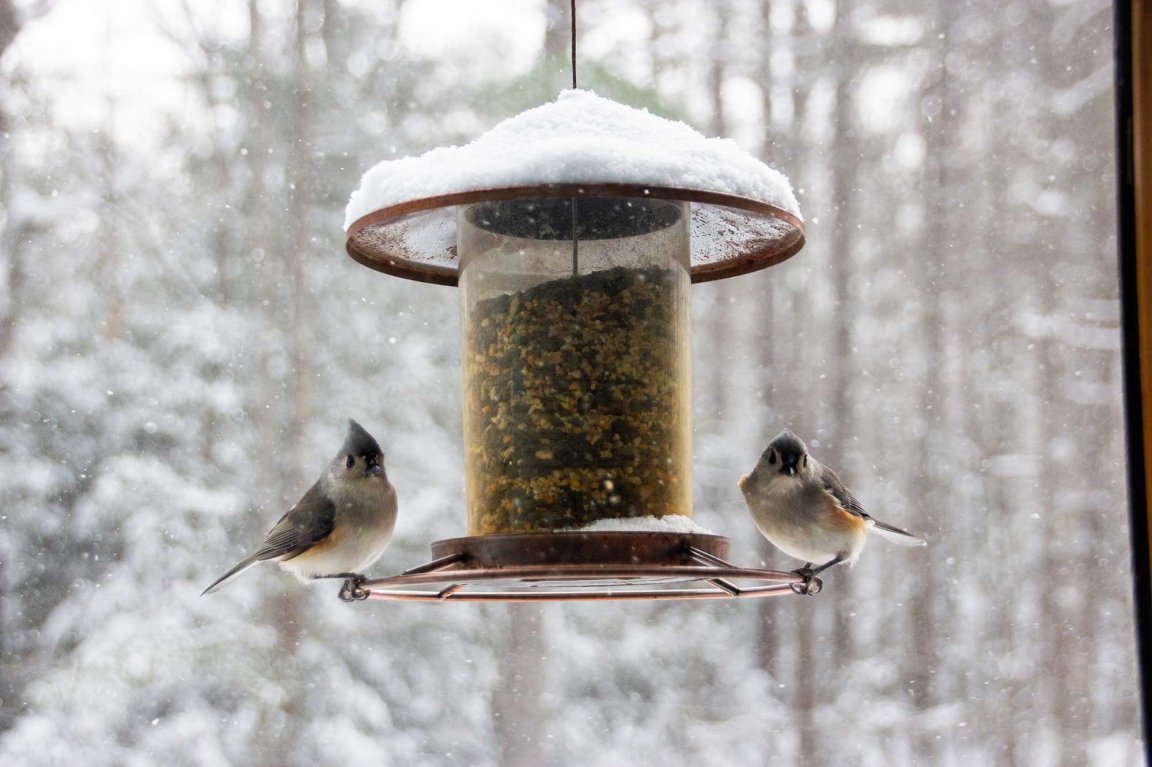
Feeding birds in winter helps them survive the cold months. Choosing the right bird seed and care keeps birds healthy and safe.
Use safe feeding tips to support birds through harsh weather. Proper care protects birds from illness and danger.
Proper Feeder Placement
Place feeders where birds feel safe from predators. Keep feeders near trees or shrubs for shelter.
Make sure feeders are easy to reach but away from windows. This reduces bird collisions and injuries.
Keeping Feeders Clean
Clean feeders regularly to stop disease spread. Remove old seeds and wash feeders with warm water.
Dry feeders fully before refilling. Clean feeders at least once a week during winter.
Providing Fresh Water
Birds need fresh water even in cold weather. Use heated birdbaths or change water often to prevent freezing.
Keep water clean to avoid bacteria. Place water near feeders for easy bird access.
Avoiding Moldy Seeds
Moldy seeds can harm birds’ health. Store seeds in a dry, cool place to prevent mold growth.
Check seeds before putting them in feeders. Throw away seeds that look discolored or smell bad.
Seasonal Feeding Considerations
Feeding birds in winter needs special care. Cold weather changes what birds eat.
Choosing the right bird seed helps birds stay healthy and warm during winter months.
Energy Needs In Cold Weather
Birds need more energy in winter to keep warm. Seeds high in fat give them this energy.
- Black oil sunflower seeds are high in fat and easy to eat.
- Peanuts provide energy but must be unsalted and chopped.
- Safflower seeds are good for small birds and resistant to squirrels.
Seed Moisture And Mold Prevention
Wet seed can grow mold quickly in winter. Mold is harmful to birds.
Choose dry seeds and keep feeders clean and dry to avoid mold growth.
Seed Type Preferences By Bird Species
| Bird Species | Preferred Seed |
| Chickadees | Black oil sunflower |
| Cardinals | Safflower, sunflower |
| Finches | Nyjer (thistle) seed |
| Woodpeckers | Peanuts, sunflower |
| Nuthatches | Sunflower, peanuts |
Avoiding Seed Waste And Spoilage
Birds eat slower in winter. Seed can sit too long and spoil.
Tips to reduce waste:
- Fill feeders with small amounts of seed daily.
- Use feeders that protect seed from rain and snow.
- Store seed in a cool, dry place.

Credit: www.birdfeederco.com
Frequently Asked Questions
What Bird Seed Attracts The Most Birds In Winter?
Black oil sunflower seeds attract the most birds in winter. They have a thin shell and high oil content, perfect for energy. Many common winter birds like cardinals, chickadees, and finches prefer them. Their nutritional value helps birds survive cold weather.
Which Seeds Are Best For Feeding Small Winter Birds?
Nyjer seeds are ideal for small winter birds like finches and siskins. These tiny seeds offer high energy and are easy to eat. Nyjer feeders help attract a variety of small birds during winter months. They support birds’ energy needs in cold weather.
Are Mixed Bird Seed Blends Good For Winter Feeding?
Mixed seed blends can be good if they contain high-energy seeds. Look for blends with sunflower seeds, millet, and cracked corn. Avoid fillers like red millet or oats that birds often discard. Proper blends attract diverse species and provide balanced nutrition during winter.
How Often Should I Refill Bird Feeders In Winter?
Refill bird feeders every 2-3 days in winter to keep seeds fresh. Cold weather increases bird feeding frequency for energy. Frequent refills help prevent seeds from freezing or molding. Consistent food supply supports birds’ survival in harsh winter conditions.
Conclusion
Choosing the right bird seed helps birds thrive in winter. High-fat seeds like sunflower and peanuts provide essential energy. Suet is also a great choice for cold days. Birds need extra calories to stay warm. Clean feeders regularly to keep them safe and healthy.
Fresh water is crucial too. Keep it available, even in freezing temperatures. Watching birds brings joy and helps them survive the chill. With the right seed, you create a winter haven for feathered friends. Enjoy the beauty and activity that winter birds bring to your garden.