If you feed birds, you want to make sure the seeds you offer stay just right. Have you ever wondered which bird seed won’t sprout into unwanted plants around your yard?
Choosing the right seed can save you time and keep your garden neat. You’ll discover exactly what bird seed will not germinate and why it matters for your outdoor space. Keep reading to find out how to feed your feathered friends without growing a surprise garden!
Credit: www.gardenhealth.com
Types Of Bird Seed
Bird seeds vary in type and purpose. Some seeds sprout easily, while others do not. Knowing which seeds will not germinate helps you feed birds without growing unwanted plants.
This guide looks at common bird seed types and explains why some do not germinate.
Common Bird Seed Varieties
Many bird seeds come from grasses and plants that produce edible seeds. Some popular types include sunflower, millet, safflower, and nyjer seeds. Each seed type has a unique shell and size.
- Sunflower Seeds:Large and popular, often black oil sunflower seeds.
- Millet:Small, round seeds usually white or red.
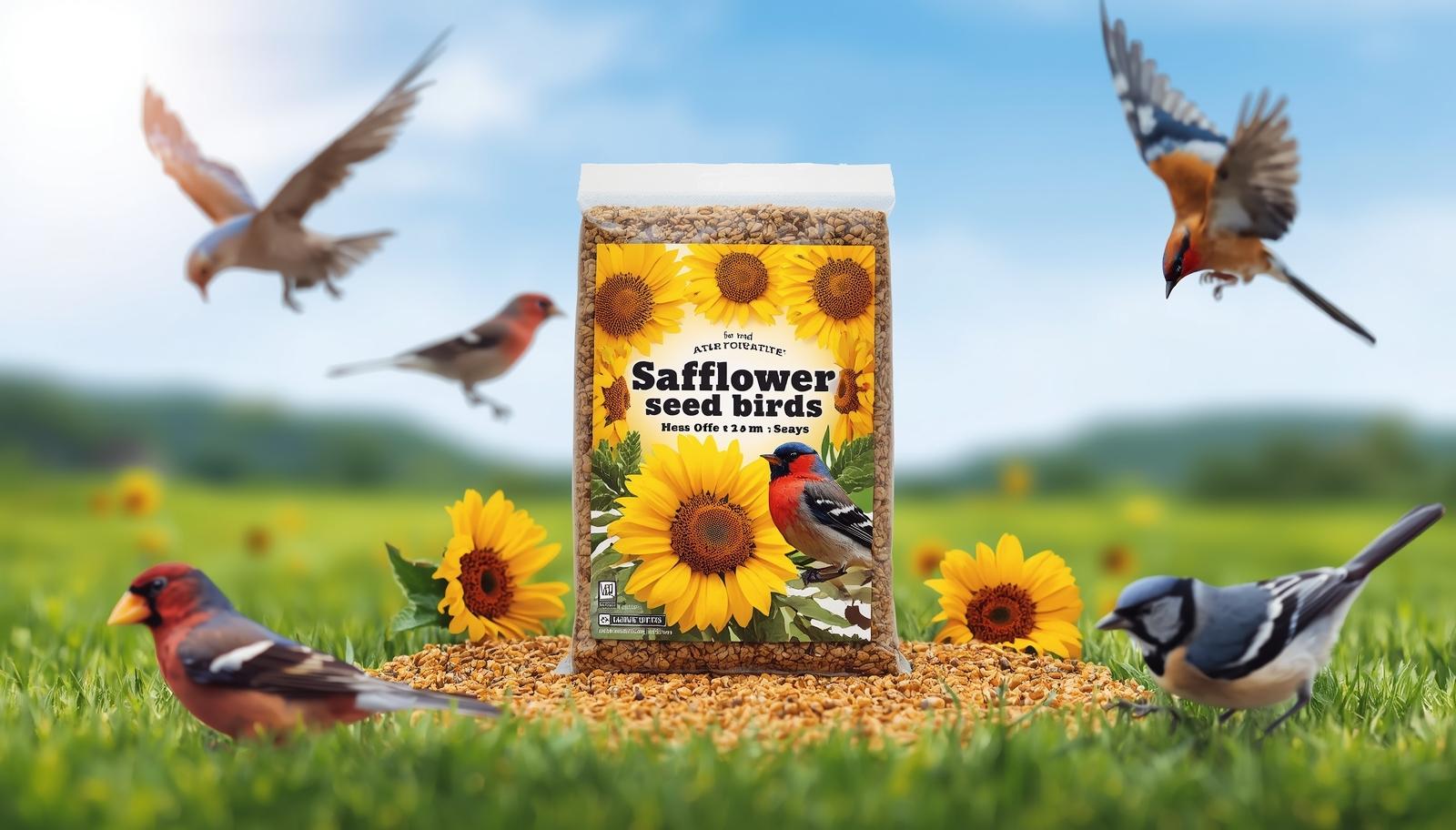
- Safflower:Medium size with a hard shell.
- Nyjer (Thistle):Very small and thin seeds.
- Cracked Corn:Broken pieces of corn kernel.
Seed Composition And Germination
Bird seeds often undergo processing to stop germination. This keeps feeders clean and prevents unwanted plants. Seeds with hard shells or heat treatment usually do not sprout.
| Seed Type | Germinates? | Reason |
|---|---|---|
| Black Oil Sunflower | No | Heat treated to kill embryo |
| Millet | Yes | Usually raw and untreated |
| Safflower | No | Hard shell prevents sprouting |
| Nyjer | No | Heat sterilized seed |
| Cracked Corn | Yes | Raw pieces can sprout |

Credit: www.amazon.co.uk
Seeds That Typically Don’t Germinate
Not all bird seeds can grow into plants. Some seeds are treated or processed, which stops them from sprouting. Knowing which seeds won’t germinate helps when choosing bird food or planting seeds.
This guide explains common types of seeds that usually do not grow, including processed and roasted seeds, heat-treated seeds, and the difference between hulled and unhulled seeds.
Processed And Roasted Seeds
Processed and roasted seeds are heated to make them safe and tasty for birds. This heat kills the seed’s ability to grow. These seeds will not sprout if planted in soil.
Examples of these seeds include sunflower seeds and peanuts that are roasted before packaging. They are good for feeding birds but useless for growing plants.
- Roasted sunflower seeds
- Roasted peanuts
- Processed millet and safflower seeds
Heat-treated Seeds
Heat-treated seeds are exposed to high temperatures to kill pests and bacteria. This process also stops the seed from germinating. These seeds are safe for birds but will not grow.
Heat treatment is common in commercial bird seed mixes to prevent mold or disease. It is important to know these seeds cannot be used for planting.
- Seeds sterilized by heat
- Seeds used in packaged bird feed
- Seeds treated to prevent spoilage
Hulled Vs. Unhulled Seeds
Hulled seeds have their outer shell removed. This shell protects the seed. Without it, the seed often cannot grow. Unhulled seeds still have their shell and can sprout.
Bird seed mixes usually use hulled seeds because birds eat them easily. If you want seeds to grow, choose unhulled seeds with the shell intact.
- Hulled seeds: no shell, no germination
- Unhulled seeds: shell intact, can germinate
- Birds prefer hulled seeds for easy eating
Why Some Seeds Fail To Germinate
Not all bird seeds will grow into plants. Some seeds do not sprout because of various reasons. Understanding these reasons helps in choosing the right seeds.
Seeds need the right conditions to start growing. If conditions are wrong, seeds may never germinate.
Seed Treatment Methods
Some seeds have hard shells that stop water from entering. These seeds need special treatment to sprout. Treatments can help soften the seed coat.
Common treatments include soaking seeds in water or scarification. Scarification means scratching or nicking the seed surface.
- Soaking seeds in warm water for several hours
- Using sandpaper or a knife to scratch the seed coat
- Cold stratification by chilling seeds for weeks
Storage Conditions Impact
Seeds need good storage to stay healthy. Too much heat or moisture can kill seeds before planting. Proper storage keeps seeds alive longer.
Store seeds in a cool, dry place. Avoid places with high humidity or direct sunlight. Use airtight containers to protect seeds.
- Keep seeds in a sealed container
- Store in a cool, dark place
- Avoid damp or humid environments
Seed Age And Viability
Old seeds lose their ability to sprout. Each seed has a shelf life that varies by type. Using fresh seeds improves germination chances.
Check the seed packet for the harvest or expiration date. Plant seeds soon after buying for best results.
- Use seeds within one to two years
- Older seeds may need extra care to sprout
- Test seed viability by soaking before planting
Credit: www.gardenhealth.com
Choosing Non-germinating Seeds For Bird Feeders
Bird feeders need seeds that stay fresh and safe for birds. Some seeds can sprout and spoil quickly. Non-germinating seeds avoid this problem.
Choosing the right seeds helps keep your feeder clean. It also ensures birds get the right nutrition without waste.
Benefits Of Non-germinating Seeds
Non-germinating seeds do not sprout after being placed in feeders. This means less mess and fewer health risks for birds.
- Reduce mold and bacteria growth
- Keep feeders cleaner longer
- Prevent seeds from sprouting and wasting
- Provide safe food for wild birds
- Require less frequent refilling
Popular Non-germinating Seed Options
Some seeds are naturally less likely to sprout. These seeds are popular choices for bird feeders and bird lovers.
| Seed Type | Characteristics | Birds Attracted |
| Black Oil Sunflower | High oil, no sprouting | Cardinals, Chickadees, Finches |
| Safflower Seed | Hard shell, non-germinating | Cardinals, Grosbeaks |
| Nyjer (Thistle) | Small, no sprouting | Finches, Goldfinches |
| Peanuts (Shelled) | Non-germinating if dry | Woodpeckers, Nuthatches |
| Milo (Sorghum) | Hard seed, low sprouting | Doves, Sparrows |
Preventing Seed Sprouting In Feeders
Bird seed can sometimes sprout inside feeders. This happens when seeds get wet and warm. Sprouted seeds spoil quickly and may attract mold.
Choosing the right seeds and storing them well helps stop sprouting. This keeps bird feeders clean and safe for birds.
Proper Storage Tips
Store bird seed in a dry and cool place. Moisture causes seeds to start growing. Use airtight containers to keep out humidity and pests.
Check seed bags for holes or tears before storing. Keep seeds off the ground to avoid dampness. Rotate old seed out to use fresh supplies first.
- Use airtight plastic or metal containers
- Store seeds in a cool, dry area
- Keep seeds off damp floors or soil
- Inspect bags for damage before storage
- Use older seeds before new ones
Using Seed Mixes To Reduce Germination
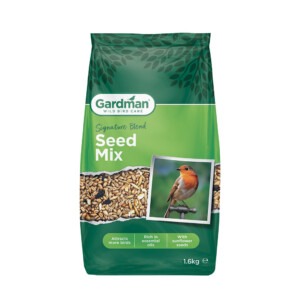
Some seeds are less likely to sprout than others. Mix these seeds to lower germination risk. Common non-germinating seeds include sunflower chips and safflower.
Seed mixes with cracked or hulled seeds dry faster. Dry seeds do not sprout easily inside feeders. This mix also provides a variety of food for birds.
- Use hulled sunflower seeds or chips
- Add safflower seeds to the mix
- Include cracked corn or millet
- Avoid whole grains that sprout easily
- Choose blends labeled as no-sprout or no-germinate
Impact Of Germination On Birds And Feeders
Some bird seeds can start to sprout or germinate if left in feeders too long. This can change how birds eat the seeds. Germination also affects the cleanliness and safety of feeders.
Choosing bird seed that will not germinate helps keep birds healthy. It also makes cleaning feeders easier and safer.
Effect On Bird Health
Seeds that start to germinate can spoil quickly. Spoiled seeds may grow mold or bacteria. Birds eating bad seeds can get sick.
Seeds that do not germinate stay fresh longer. These seeds help birds get the right nutrition. They reduce the risk of bird illness.
- Non-germinating seeds reduce mold growth
- Fresher seeds provide better nutrition
- Lower risk of bird diseases
Feeder Cleanliness And Maintenance
Germinating seeds leave damp residue in feeders. This makes feeders dirty and slippery. Dirt and moisture can attract pests and harmful bacteria.
Seeds that do not sprout keep feeders cleaner. Clean feeders need less frequent washing. This saves time and protects birds from germs.
- Non-germinating seeds prevent moisture buildup
- Feeders stay dry and clean longer
- Less chance of pest infestations
- Easier to maintain feeders
Frequently Asked Questions
What Bird Seeds Do Not Sprout Or Germinate?
Seeds like black oil sunflower, safflower, and nyjer typically do not germinate. These are often heat-treated or sterilized to prevent sprouting in feeders.
Why Do Some Bird Seeds Fail To Germinate?
Bird seeds may fail to germinate due to heat treatment, drying, or processing to extend shelf life and prevent sprouting.
Can I Use Non-germinating Seeds For Planting?
No, non-germinating seeds are often treated and won't grow. Use untreated seeds specifically sold for planting.
How To Identify Bird Seed That Won’t Sprout?
Look for heat-treated or sterilized labels. Seeds without a natural seed coat are less likely to germinate.
Conclusion
Selecting the right bird seed prevents unwanted germination. Sterilized seeds are ideal choices. They provide nutrition without the sprouting hassle. Choose pre-cooked or baked seeds for best results. Sunflower hearts, safflower seeds, and cracked corn work well too. Birds enjoy them, and gardens stay sprout-free.
Regularly check your bird feeder for freshness. Fresh seeds attract more birds. Avoid cheap mixes that contain fillers. Fillers germinate easily and create a mess. Keep your garden clean and beautiful with the right seeds. Happy birdwatching!