Are you curious about which birds are drawn to glossy buckthorn berries in your garden or local park? Knowing which bird species enjoy these shiny berries can help you attract colorful visitors and bring more life to your outdoor space.
You’ll discover the birds that love glossy buckthorn berries and why these berries are important to their diet. Keep reading to find out how you can create a bird-friendly environment that benefits both you and your feathered friends.

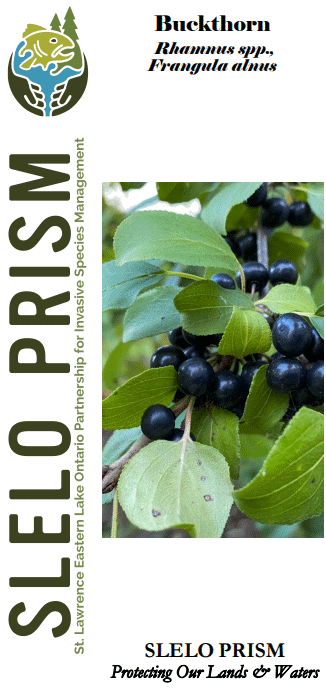
Credit: www.sleloinvasives.org
Glossy Buckthorn Berries And Birds
Glossy buckthorn berries are small, dark, and shiny fruits. Many bird species eat these berries during different seasons. These berries provide food that supports bird survival.
Birds like thrushes, waxwings, and robins often feed on glossy buckthorn berries. The relationship between these berries and birds helps spread seeds and keeps birds healthy.
Nutritional Value Of Berries
Glossy buckthorn berries have nutrients that birds need. They contain sugars and some vitamins. These nutrients give birds energy for flying and staying warm.
- High sugar content for quick energy
- Vitamins like vitamin C for immune support
- Small amounts of minerals for health
- Water content that helps hydration
Berry Availability And Season
Glossy buckthorn berries ripen in late summer and fall. Birds depend on these berries mostly in colder months when other food is scarce. The berries stay on bushes well into winter.
| Season | Berry Availability | Bird Activity |
| Late Summer | Berries begin to ripen | Birds start feeding |
| Fall | Peak berry abundance | High bird consumption |
| Winter | Berries remain on bushes | Birds rely on berries for food |

Credit: paulroeddingphotography.com
Common Bird Species Feeding On Glossy Buckthorn
Glossy buckthorn is a shrub that produces dark berries. Many birds eat these berries during fall and winter. This food source helps birds survive when other fruits are scarce.
Here are some common bird species that feed on glossy buckthorn berries. Each bird benefits from the berries in different ways.
American Robin
The American Robin is one of the most common birds that eat glossy buckthorn berries. They enjoy the dark berries because they provide energy and nutrients.
- Robins eat the berries mostly in late fall.
- They swallow the berries whole.
- Glossy buckthorn berries help robins stay healthy in winter.
Gray Catbird
Gray catbirds also feed on glossy buckthorn berries. These birds are known for their loud calls and love to eat fruits and insects.
| Feeding Time | Preference |
| Fall to Winter | Glossy buckthorn berries |
| Spring to Summer | Insects and small fruits |
Northern Mockingbird
Northern mockingbirds eat a variety of fruits, including glossy buckthorn berries. They are active birds that thrive in many habitats.
Key facts about Northern Mockingbirds eating glossy buckthorn berries:
- They eat berries mostly in late fall.
- The berries help them build fat for cold months.
- They spread seeds by dropping berries in new places.
Less Common Feathered Visitors
Glossy buckthorn berries attract many birds beyond the usual visitors. Some less common feathered species also enjoy these berries. These birds help spread the seeds and keep ecosystems balanced.
Learning about these birds can help you identify them in your yard or local park. Here are three less common birds that like glossy buckthorn berries.
Cedar Waxwing
Cedar Waxwings have a sleek look with smooth feathers and bright red tips on their wings. They eat berries, including glossy buckthorn, especially in winter. These birds often gather in flocks to feast together.
Eastern Towhee
Eastern Towhees are ground feeders with a striking black and white pattern. They eat seeds and berries like those from glossy buckthorn bushes. These birds like dense shrubs where they can hide and find food.
- Black upper parts and white belly
- Red eyes and rust-colored sides
- Feeds on the ground in thick brush
- Enjoys small fruits and seeds
Hermit Thrush
Hermit Thrushes are shy birds with brown backs and spotted chests. They eat many kinds of berries, including glossy buckthorn. Their clear, flute-like song is often heard in forests where they live.
| Bird Species | Favorite Food | Habitat |
| Cedar Waxwing | Glossy buckthorn berries and other fruits | Open woodlands and fruiting trees |
| Eastern Towhee | Seeds and glossy buckthorn berries | Thick shrubs and brushy areas |
| Hermit Thrush | Glossy buckthorn berries and insects | Woodlands and forest edges |
Bird Behavior Around Buckthorn Berries
Glossy buckthorn berries attract many bird species. These berries provide food during fall and winter. Birds often rely on them when other fruits are scarce.
Understanding how birds interact with buckthorn berries helps us learn about their feeding and migration habits. This knowledge supports bird conservation efforts.
Feeding Patterns
Birds eat glossy buckthorn berries in different ways. Some species eat many berries quickly. Others pick berries slowly and feed in small amounts.
- American robins eat large quantities at once.
- Gray catbirds nibble on berries throughout the day.
- European starlings gather berries and store them.
- Thrushes often eat berries early in the morning.
Impact On Migration
Glossy buckthorn berries affect bird migration routes. Birds use these berries as a food source during long trips. This helps them travel farther and survive cold weather.
| Bird Species | Migration Distance (miles) | Reliance on Buckthorn Berries |
| American Robin | 1,200 | High |
| Gray Catbird | 800 | Medium |
| European Starling | 1,500 | High |
| Hermit Thrush | 2,000 | Low |
Ecological Impact Of Buckthorn Berries On Bird Populations
Glossy buckthorn is a shrub that produces berries eaten by many bird species. These berries can affect bird populations in different ways. Understanding this helps us see how birds and plants interact in nature.
Birds use glossy buckthorn berries as a food source, especially in late fall and winter. This plant can change the environment and bird behaviors, sometimes in good or bad ways.
Positive Effects
Glossy buckthorn berries provide food when other fruits are scarce. Birds such as thrushes, robins, and cedar waxwings eat these berries to survive cold months. This helps birds maintain energy and health.
The berries also help some bird species spread their seeds. When birds eat the berries and move to new places, they drop seeds that grow new plants. This helps birds find new habitats and food sources.
- Food source in winter and late fall
- Supports bird survival during scarce food times
- Aids seed dispersal for habitat growth
- Attracts a variety of bird species
Potential Risks
Glossy buckthorn is an invasive plant. It grows quickly and can crowd out native plants. This reduces food variety and shelter for birds that depend on native species.
Birds eating buckthorn berries may spread the invasive plant to new areas. This harms local ecosystems and native bird populations. Some birds may rely too much on buckthorn, which can reduce their diet quality.
- Outcompetes native plants and food sources
- Reduces habitat diversity for birds
- Spreads invasive species through seed dispersal
- May lower bird diet quality over time
Alternatives To Glossy Buckthorn For Birds
Glossy buckthorn berries provide food for many bird species. Some birds prefer native plants that offer safer and more natural options. Native berry-producing plants give birds the nutrition they need without harming local ecosystems.
Finding seasonal food sources helps birds survive year-round. Different plants produce berries at various times, so birds can always find food. This guide shows native plants and seasonal choices that support birdlife.
Native Berry-producing Plants
Native plants attract birds with their berries. These plants are safer and better for local wildlife. Here are some common native berry-producing plants that birds enjoy:
- Serviceberry (Amelanchier spp.)
- Winterberry (Ilex verticillata)
- Chokecherry (Prunus virginiana)
- American cranberrybush (Viburnum trilobum)
- Elderberry (Sambucus canadensis)
Seasonal Food Sources
Birds need food in all seasons. Different plants produce berries at different times. This table shows which native plants provide berries in each season to help birds stay fed throughout the year.
| Plant | Spring | Summer | Fall | Winter |
| Serviceberry | Yes | No | No | No |
| Winterberry | No | No | Yes | Yes |
| Chokecherry | No | Yes | Yes | No |
| American cranberrybush | No | Yes | Yes | No |
| Elderberry | No | Yes | No | No |

Credit: www.onthewingphotography.com
Frequently Asked Questions
Which Birds Commonly Eat Glossy Buckthorn Berries?
Birds like American robins, cedar waxwings, and gray catbirds frequently eat glossy buckthorn berries. These berries provide an important food source during fall and winter months.
Why Do Birds Prefer Glossy Buckthorn Berries?
Glossy buckthorn berries are rich in nutrients and easily digestible. Their bright color attracts birds, making them a preferred food choice during scarce winter periods.
Are Glossy Buckthorn Berries Harmful To Birds?
No, glossy buckthorn berries are not toxic to birds. However, they may cause mild digestive upset if consumed in very large quantities.
How Do Birds Help Spread Glossy Buckthorn Seeds?
Birds eat the berries and later excrete the seeds in new locations. This natural seed dispersal helps spread glossy buckthorn plants across various habitats.
Conclusion
Many birds enjoy glossy buckthorn berries in their diet. These berries attract diverse bird species. They provide essential nutrients to help birds thrive. Observing these birds can be a delightful experience. Watching them feast on berries is rewarding. Bird enthusiasts can learn a lot from this.
Glossy buckthorn plays a crucial role in ecosystems. It supports both birds and biodiversity. Understanding this relationship benefits birdwatchers. It enhances the appreciation of nature’s intricate balance. So, next time you spot these berries, watch closely. You might discover your favorite feathered visitors enjoying a feast.
Nature’s wonders never cease to amaze.