Are you an avid bird lover curious about the feathered friends that might visit a mountain bluebird house? Picture this: a vibrant bluebird swooping gracefully into its cozy, perfectly designed home.
But wait, is it only the charming mountain bluebird that will take up residence there? You might be surprised! Understanding which birds might find your bluebird house appealing can transform your backyard into a bustling avian hub. This knowledge not only enhances your bird-watching experience but also helps you create an inviting sanctuary for diverse bird species.
Stick around as we uncover the mystery of who might call your mountain bluebird house their home. You won't want to miss a single detail!
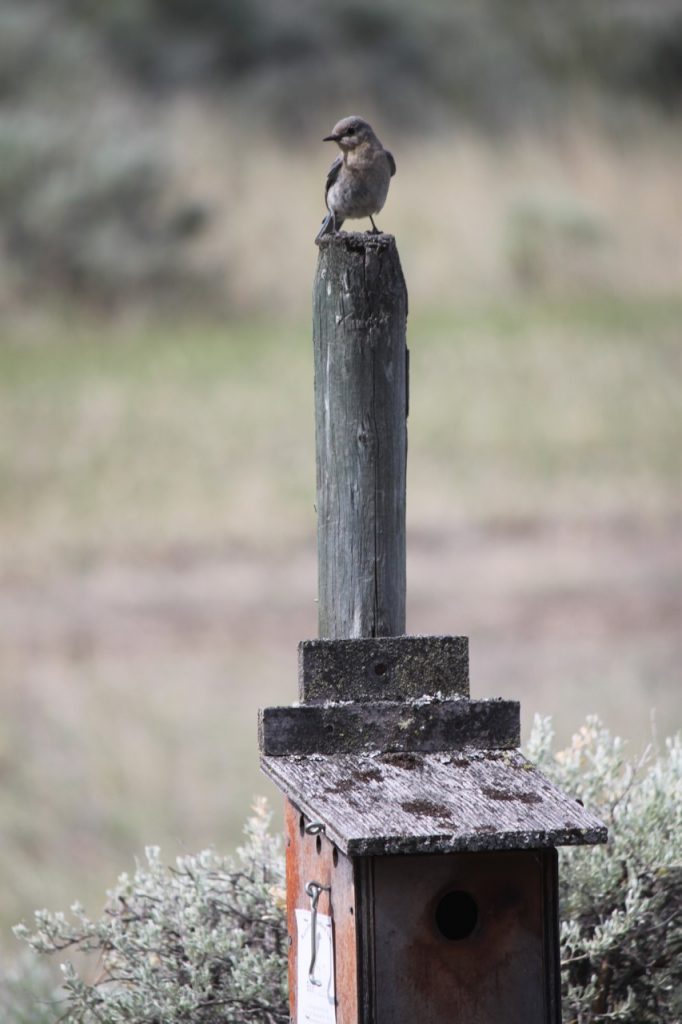
Credit: nestwatch.org
Mountain Bluebird Habitat
The mountain bluebird is a small bird with bright blue feathers. It lives in open areas with few trees. These birds like places where they can easily find insects to eat.
Mountain bluebirds use special houses made for them. These houses help them find safe spots to raise their young. Understanding their habitat helps us place these houses well.
Preferred Locations
Mountain bluebirds like open spaces such as meadows and grasslands. They avoid dense forests and thick bushes. These birds need clear views to spot predators and food.
They often live at high elevations in mountains or hills. These areas have fewer trees and plenty of open land. Mountain bluebirds also use farmland and pastures.
- Open meadows and grasslands
- Mountain slopes and hills
- Pastures and farmland
- Areas with few trees and shrubs
Nesting Habits
Mountain bluebirds nest in cavities or birdhouses. They do not make nests in trees or on the ground. They use empty holes made by other animals or human-made boxes.
The female builds the nest inside the cavity. She uses grass, feathers, and other soft materials. The pair raises their chicks in the safe, enclosed space of the house.
- Use cavities or birdhouses for nests
- Female builds nest with soft materials
- Birdhouses provide safety from predators
- Pairs raise chicks inside the nest cavity

Credit: www.birdwatchingdaily.com
Birds Attracted To Bluebird Houses
Bluebird houses provide safe nesting spots for several bird species. These birds look for quiet places to raise their young. Understanding which birds use these houses helps with proper placement and care.
Mountain Bluebirds, Tree Swallows, and House Sparrows are the most common visitors. Each species has unique habits and needs. Knowing about them helps you attract the right birds.
Mountain Bluebird
Mountain Bluebirds prefer open areas like fields and meadows. They are bright blue and easy to spot. These birds use bluebird houses to nest and raise their young during spring.
- Prefer houses mounted 4 to 6 feet high
- Choose locations with open spaces nearby
- Need a house entrance about 1.5 inches wide
- Like houses facing away from prevailing winds
Tree Swallows
Tree Swallows also use bluebird houses for nesting. They are smaller and have shiny blue-green feathers. These birds can compete with bluebirds for the same houses.
| Characteristic | Mountain Bluebird | Tree Swallow |
|---|---|---|
| Size | 7 inches | 5.5 inches |
| Color | Bright blue | Blue-green |
| Preferred Height | 4-6 feet | 5-10 feet |
| Entrance Hole Diameter | 1.5 inches | 1.5 inches |
House Sparrows
House Sparrows are not native but often use bluebird houses. They can take over nests and push out native birds. It is important to monitor sparrow activity to protect bluebirds.
- Remove nests as soon as sparrows start building
- Use bluebird house designs that sparrows dislike
- Place houses in open areas sparrows avoid
- Keep the area clean and free of food scraps
Design Features Of Bluebird Houses
Mountain bluebirds need special houses to feel safe and comfortable. The design of these houses helps protect them from weather and predators. Good design makes it easier for bluebirds to use the house.
This guide explains important design features. It covers size, entrance hole, placement, and height. These features help you build or choose the best house for mountain bluebirds.
Size And Entrance Hole
The size of the house must fit mountain bluebirds well. A house that is too big or too small will not attract them. The entrance hole should be the right size to keep out bigger birds.
Use a small round hole to protect the birds inside. The floor space should be enough for a bluebird family to nest comfortably.
- Floor size: about 5 inches by 5 inches
- Entrance hole diameter: 1.5 inches
- Depth: 8 to 12 inches inside the box
Placement And Height
Place the bluebird house in an open area where bluebirds can see it easily. Avoid spots with heavy tree cover or dense bushes nearby. This helps bluebirds find the house and stay safe from predators.
Mount the house at the right height to protect it. The height also helps bluebirds feel safe while nesting.
- Height: 4 to 6 feet above ground
- Clear area around the house: at least 10 feet wide
- Face entrance away from prevailing winds
Seasonal Usage Patterns
The mountain bluebird uses special houses throughout the year. Their needs change with the seasons. Understanding these patterns helps support their habitat.
Mountain bluebird houses offer shelter and nesting spots. Birds use them mainly in spring and summer. Other times, these houses may host different visitors.
Breeding Season
Mountain bluebirds use houses mainly in spring and early summer. This is their breeding time. They look for safe places to build nests and raise chicks.
Pairs choose houses in open areas with low trees. They lay eggs inside and feed their young until they can fly. The bluebirds prefer clean, well-placed houses.
- Breeding occurs from March to July
- Bluebirds build nests inside the house
- Parents feed chicks until they leave
- Houses placed in open areas are favored
Off-season Visitors
In fall and winter, mountain bluebird houses may be empty or used by other birds. Some small birds seek shelter inside during cold months.
Species like chickadees or wrens sometimes use these houses to stay warm. The houses provide protection from wind and predators in harsh weather.
- Bluebirds leave after breeding season ends
- Other small birds use houses for shelter
- Houses protect from cold and wind
- Off-season use helps birds survive winter
Tips To Encourage Mountain Bluebird Nesting
Mountain bluebirds often use special houses for nesting. You can help them by setting up the right kind of house. This guide offers tips to attract these birds.
Proper care and protection of the nesting house improve bluebird chances. Small changes make a big difference for their safety and comfort.
Avoiding Predators
Predators like raccoons and snakes can harm bluebird nests. Keep the nesting house safe by placing it in a good spot. Use predator guards to block unwanted visitors.
Mount the house on a tall pole away from trees. This helps prevent cats and squirrels from reaching the nest. Clear tall plants near the house for better visibility.
- Use metal predator guards on poles
- Place houses 5 feet or higher above ground
- Keep the area around the house clear
- Avoid mounting near branches or fences
Maintaining The House
Cleaning the house each year keeps it ready for new bluebirds. Remove old nests after the breeding season. This stops parasites and keeps the house fresh.
Check the house for damage like loose nails or holes. Fix any problems to keep the house safe and dry. Use untreated wood for repairs to avoid harming birds.
- Clean out old nests in late fall or early spring
- Inspect for cracks, holes, or loose parts
- Replace damaged wood with untreated materials
- Keep the entrance hole the right size (about 1.75 inches)

Credit: www.birdwatchingdaily.com
Frequently Asked Questions
What Bird Typically Uses A Mountain Bluebird House?
Mountain Bluebirds mainly use these houses. They prefer open areas with short vegetation. These houses provide safe nesting spots for them.
Can Other Birds Use A Mountain Bluebird House?
Yes, other birds like Tree Swallows and House Wrens may use it. They often compete for the nesting space. Proper placement helps Mountain Bluebirds get priority.
How To Attract Mountain Bluebirds To A Birdhouse?
Place the house 4 to 6 feet high in open fields. Face the entrance away from prevailing winds. Keep the area free of tall trees and shrubs nearby.
What Size Entrance Hole Suits Mountain Bluebird Houses?
A 1. 5-inch diameter hole is ideal. It keeps larger birds out and allows bluebirds easy access. This size ensures safety and comfort for nesting.
Conclusion
Mountain Bluebird houses attract mainly mountain bluebirds. These birds prefer open areas like fields and meadows. Other small birds may also use the house. Nest boxes provide safe places for birds to raise young. Watching bluebirds visit brings joy and helps nature.
Place the house in quiet, open spots for best results. Caring for birdhouses supports local wildlife and biodiversity. A simple birdhouse can make a big difference outdoors. Enjoy seeing these bright birds brighten your yard.