
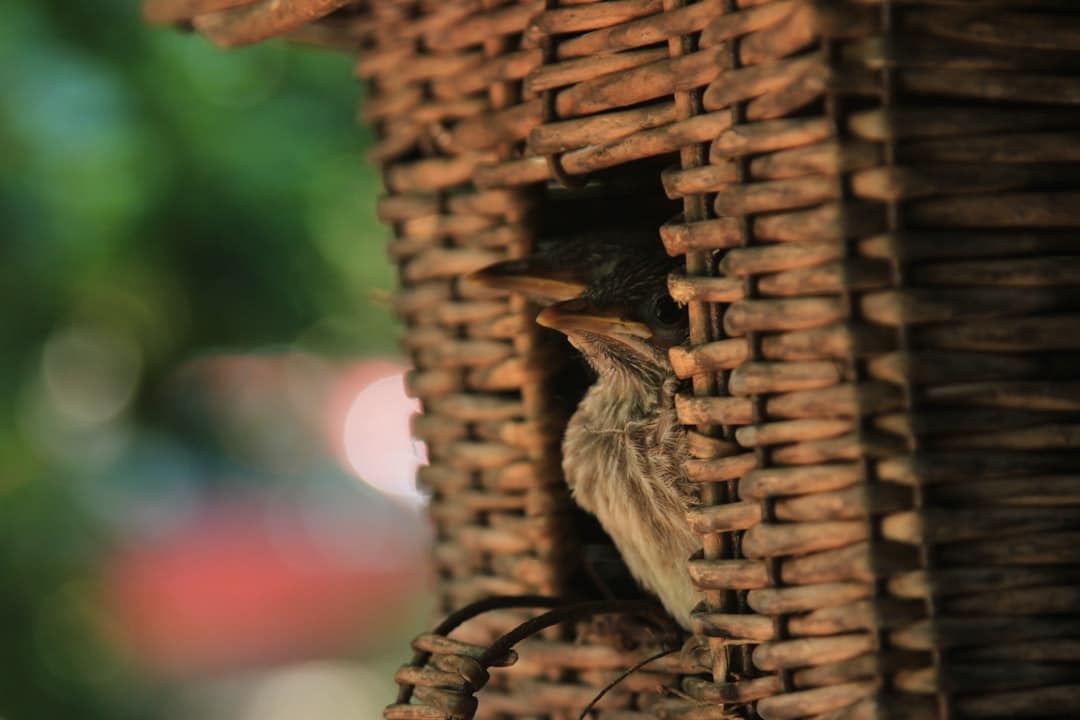
Have you ever wondered which birds might move into the birdhouse in your yard? Knowing what birds use bird houses can help you create the perfect home that attracts the right feathered friends.
Imagine waking up to the cheerful songs of bluebirds, wrens, or chickadees right outside your window. You’ll discover the types of birds that love bird houses, how to make your birdhouse inviting, and the simple steps you can take to enjoy more wildlife in your own backyard.
Keep reading, and soon you’ll be a magnet for beautiful birds!
Popular Birds That Use Bird Houses
Bird houses provide safe places for many small birds to nest. These homes protect birds from predators and harsh weather.
Different birds prefer different types of bird houses. Knowing which birds use bird houses helps you choose the right one.
Bluebirds
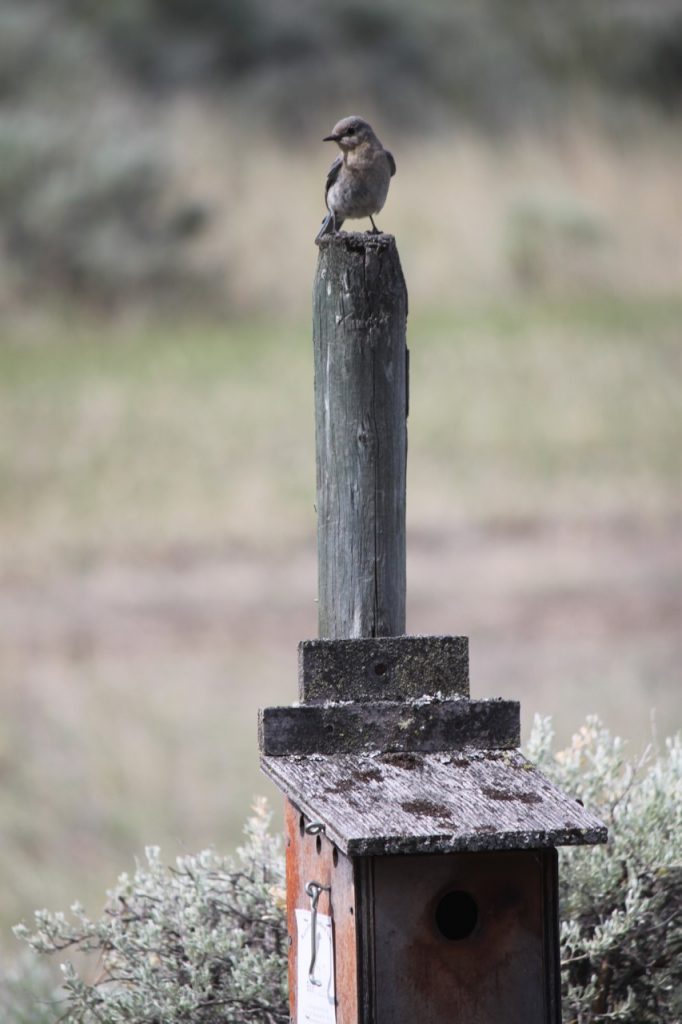
Bluebirds love bird houses made from wood. They prefer houses with a small entrance hole.
These birds are easy to attract by placing houses in open fields or near trees.
Chickadees
Chickadees use bird houses in wooded areas. They like houses that are small and cozy.
They often choose houses with an entrance hole about 1 1/8 inches wide.
Wrens
Wrens are active birds that use bird houses in gardens and forests. They prefer houses with a 1-inch entrance hole.
These birds like houses placed near shrubs or wood piles for extra cover.
Tree Swallows
Tree swallows use bird houses near water and open fields. They need a house with a 1.5-inch entrance hole.
They often build nests with grass and feathers inside the house.
Nuthatches
Nuthatches use bird houses in wooded areas. They like houses with an entrance hole about 1 1/4 inches wide.
These birds often choose homes placed high on trees for safety.

Credit: www.amazon.com
Bird House Preferences
Bird houses provide safe places for many bird species to nest. Different birds prefer different house features.
Understanding these preferences helps you attract the right birds to your garden or yard.
Size And Entrance Hole
The size of the bird house and the entrance hole shape affect which birds will use it. Small birds need smaller entrances to stay safe from predators.
- Chickadees prefer an entrance hole about 1 1/8 inches wide.
- Bluebirds use houses with holes around 1 1/2 inches.
- Wrens like smaller holes near 1 inch.
- Woodpeckers need larger holes, about 2 inches wide.
Placement And Height
Where you put the bird house matters a lot. Some birds like houses high in trees. Others prefer lower spots.
| Bird Species | Height (feet) | Preferred Location |
| Bluebirds | 4-6 | Open fields or meadows |
| Chickadees | 5-15 | Wooded areas |
| Wrens | 3-10 | Thick shrubs or forest edges |
| Woodpeckers | 10-30 | Dead trees or tall trunks |
Material And Design
Bird houses should be made from natural materials that breathe. Wood is the best choice for most birds.
Good design features include:
- Drainage holes to keep the inside dry
- Ventilation openings near the roof
- Sloped roofs to shed rain
- Rough interior walls for chicks to climb
- Easy access panels for cleaning
Seasonal Nesting Patterns
Bird houses provide safe places for many birds throughout the year. Different birds use these homes during different seasons.
Understanding when birds use bird houses helps you support their needs all year long.
Spring Nesting
Spring is the main time for birds to build nests. Many birds look for bird houses to lay eggs and raise chicks.
Species like bluebirds, chickadees, and wrens often choose bird houses in spring. They need safe spots to protect their eggs.
- Bluebirds start nesting in early spring
- Chickadees build cozy nests inside
- Wrens use small bird houses or boxes
Summer Broods
During summer, baby birds grow in the nests. Parents feed and protect their young in bird houses.
Some birds keep using houses for several broods. House sparrows and tree swallows may raise two or more groups in one summer.
- Young birds learn to fly by late summer
- Parents continue feeding chicks for weeks
- Some birds reuse nests for new broods
Fall And Winter Use
In fall and winter, fewer birds use houses for nesting. Some birds use them for shelter from cold weather.
Nuthatches and chickadees may roost in bird houses during cold nights. Empty nests also provide cover for insects and small animals.
- Bird houses offer warmth in cold months
- Some birds shelter to save energy
- Old nests help insects survive winter
Credit: nestwatch.org
Attracting Birds To Your Bird House
Bird houses provide shelter and nesting spots for many bird species. They help birds stay safe and raise their young.
To attract birds, you need to set up your bird house in the right place and keep it clean. This guide will help you do that.
Location Tips
Place your bird house where birds feel safe and comfortable. Avoid busy or noisy areas that scare birds away.
Face the bird house entrance away from strong winds and direct sunlight. Trees or shrubs nearby offer cover and food sources.
- Mount the bird house 5 to 10 feet off the ground
- Choose a quiet spot with little foot traffic
- Ensure good drainage to keep the inside dry
- Place near natural food sources like trees or bushes
Avoiding Predators
Predators like cats, raccoons, and snakes can harm birds in your bird house. Protect your birds by using safe mounting methods.
Use predator guards and place the bird house away from easy climbing paths. Keep the area below clear of branches or objects predators can use.
- Install metal guards around the pole or tree
- Do not place bird houses near fences or low branches
- Keep the area under the bird house clean and open
- Use smooth poles that are hard to climb
Maintenance And Cleaning
Clean your bird house at least once a year to keep birds healthy. Old nests can hold parasites and diseases.
Remove old nesting material and scrub the inside with warm, soapy water. Let it dry fully before using it again.
- Clean in late fall or early winter
- Wear gloves while cleaning
- Check for damage and repair cracks or holes
- Replace the bird house if it is very worn
Common Challenges For Nesting Birds
Nesting birds face many challenges while raising their young. These challenges can affect their safety and success.
Bird houses provide shelter but also bring certain risks. Understanding these helps protect the birds better.
Competition Between Species
Many bird species compete for the same bird houses. This can cause fights and stress for nesting birds.
- Bluebirds may compete with house sparrows for nest space.
- Tree swallows can take over nests built by other birds.
- Squirrels sometimes invade bird houses to use for their homes.
Parasites And Pests
Parasites and pests can harm birds inside bird houses. These include mites, ants, and flies.
| Parasite or Pest | Effect on Birds |
| Mites | Cause irritation and weaken birds |
| Ants | Attack eggs and young chicks |
| Flies | Spread diseases and stress birds |
Weather And Environmental Factors
Weather changes can make bird houses unsafe or uncomfortable. Heavy rain, cold, or heat affect nesting.
Bird houses should:
- Have good drainage to avoid water buildup.
- Provide shade to keep chicks cool in summer.
- Be sturdy to resist strong winds.

Credit: www.amazon.com
Frequently Asked Questions
What Types Of Birds Use Bird Houses Most?
Common birds using bird houses include bluebirds, chickadees, wrens, and swallows. These species prefer cavities for nesting. Bird houses provide safe shelter and protection from predators. Proper design attracts specific bird types, enhancing your garden’s wildlife.
How Do Bird Houses Benefit Cavity-nesting Birds?
Bird houses offer safe nesting sites for cavity-nesting birds lacking natural holes. They protect eggs and chicks from weather and predators. This support helps increase bird populations. Installing bird houses encourages bird diversity in your area.
Which Bird House Size Suits Different Bird Species?
Bird house size varies by species. Bluebirds need 5×5 inch floor space, while chickadees prefer smaller boxes. Entrance hole size also matters for safety. Matching size ensures birds feel secure and helps attract desired species.
Can Bird Houses Attract Birds Year-round?
Most birds use houses during breeding season, mainly spring and summer. Some species may roost in houses during colder months. Year-round use depends on bird type and climate. Proper maintenance keeps houses inviting for multiple seasons.
Conclusion
Bird houses attract many bird species. Sparrows, bluebirds, and wrens are common visitors. Each bird has unique nesting needs. Choose the right house to attract specific birds. Size and entrance hole matter a lot. Clean bird houses regularly for safety.
This helps in preventing diseases. Place bird houses in quiet, safe spots. Away from predators and noise. Watching birds use them is rewarding. It brings nature closer to home. Enjoy their songs and colors every day. Bird houses are simple joys for bird lovers.
A small effort with big rewards.



