If you’ve ever found a baby bird that seems hungry but have no worms on hand, you might be wondering what else you can feed it. You’re not alone in this; many people face the same dilemma.
The good news is that there are several safe and nutritious alternatives to worms that you probably already have at home. Feeding a baby bird can be an incredibly rewarding experience, but it’s crucial to know what foods are suitable to ensure its health and growth.
Stick with us as we explore what you can offer these little creatures when worms aren’t an option. You’ll be surprised at how a few simple items from your kitchen can make a big difference in a baby bird’s life.
Why Worms Are Common For Baby Birds
Baby birds need food that is easy to eat and full of nutrients. Worms are a common food choice for many baby birds in the wild.
Worms are soft and easy to digest. They provide protein, which helps baby birds grow strong and healthy.
High Protein Content In Worms
Protein is important for building muscles and feathers. Worms contain a lot of protein, which makes them perfect for young birds.
Easy To Find In Nature
Worms are common in soil and leaf litter. Birds can easily find them near their nests, especially after rain.
- Worms move slowly, so baby birds can catch them.
- They are soft and do not hurt the baby bird’s mouth.
- Worms are a natural food source for many bird species.
Worms Provide Moisture
Young birds also need water. Worms have a high moisture content, which helps keep baby birds hydrated.
Worms Are Easy To Digest
| Food Type | Ease of Digestion | Protein Level |
| Worms | High | High |
| Seeds | Low | Low |
| Fruits | Medium | Low |
| Insects | Medium | High |
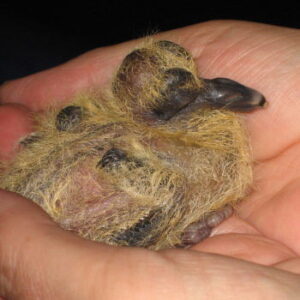
Credit: irishwildlifematters.ie
Risks Of Feeding Only Worms
Feeding baby birds only worms may seem natural. Worms provide protein, but they lack other nutrients.
Relying solely on worms can cause health problems. Birds need a balanced diet to grow strong.
Nutritional Imbalance
Worms have protein but little fat, vitamins, or minerals. Baby birds need these nutrients to develop bones and feathers.
Digestive Issues
Worms alone may upset a baby bird’s stomach. Too many worms can cause diarrhea or constipation.
Increased Risk Of Disease
Worms can carry parasites or bacteria. Feeding only worms increases the chance of infection for baby birds.
Lack Of Energy Sources
Baby birds need fats and carbohydrates for energy. Worms do not provide enough energy for active growth.
Common Nutrient Deficiencies
| Nutrient | Role in Growth | Effect of Deficiency |
| Calcium | Bone and beak development | Weak bones, deformities |
| Fatty Acids | Energy and brain growth | Low energy, poor development |
| Vitamin A | Immune system support | Higher infection risk |
| Carbohydrates | Energy supply | Fatigue, slow growth |
Fruits Suitable For Baby Birds
Feeding baby birds can be tricky. Besides worms, fruits are a healthy choice. Some fruits are soft and easy for baby birds to eat.
It is important to know which fruits to offer and which to avoid. This helps keep baby birds safe and healthy.
Soft Fruits To Offer
Soft fruits provide vitamins and moisture to baby birds. They are easy to chew and digest. You can offer these fruits in small, bite-sized pieces.
- Bananas
- Ripe peaches (without skin)
- Blueberries
- Strawberries
- Melons (such as cantaloupe and watermelon)
- Ripe pears
- Soft grapes (cut in halves or quarters)
Fruits To Avoid
Some fruits can harm baby birds. These fruits contain seeds or chemicals that are toxic or hard to digest. Avoid giving these fruits to baby birds.
| Fruit | Reason to Avoid |
| Apples (with seeds) | Seeds contain cyanide, which is toxic |
| Cherries | Seeds contain toxins harmful to birds |
| Avocado | Contains persin, which is poisonous |
| Rhubarb | Leaves and stems are toxic |
| Grapes (whole with skin) | Skin can be hard to digest; better to peel |
Vegetables That Work Well
Feeding baby birds can be tricky. Besides worms, certain vegetables help provide good nutrition.
Choosing safe vegetables and preparing them right keeps baby birds healthy and growing strong.
Safe Veggies
Some vegetables are gentle and healthy for baby birds. These include soft and easy-to-digest options.
- Peas (fresh or thawed from frozen)
- Shredded carrots
- Cooked sweet potatoes (no seasoning)
- Zucchini slices
- Cucumber pieces
- Spinach leaves (chopped finely)
Preparation Tips
Proper preparation makes vegetables safe and tasty for baby birds. Always clean and soften them.
| Step | Description |
| Wash | Rinse vegetables in clean water to remove dirt and pesticides |
| Peel | Remove skins if tough or hard to chew |
| Cook or Steam | Soften hard vegetables without adding salt or spices |
| Cut | Chop vegetables into small, manageable pieces |
| Serve | Offer fresh or slightly warmed vegetables to baby birds |
Protein Alternatives To Worms
Baby birds need protein to grow strong and healthy. Worms are a common food, but you can feed them other protein sources too. These alternatives can provide the nutrients baby birds require.
Here are some good protein options besides worms that you can safely offer to baby birds.
Cooked Eggs
Cooked eggs are rich in protein and easy to digest for baby birds. You can scramble or boil the eggs before offering small pieces. Make sure the eggs are plain, without salt or seasoning.
Eggs supply essential amino acids that help in the bird’s growth. They are a quick and convenient alternative to worms.
Insect Options
Insects are a natural part of many baby birds’ diets. They provide high protein and nutrients. You can offer insects safely by choosing the right types.
- Crickets: Easy to find and rich in protein
- Mealworms: Soft and suitable for young birds
- Fruit flies: Small and gentle for tiny mouths
- Butterfly larvae: Nutritious and soft-bodied
- Antennae and small beetles: Provide variety in diet
| Insect Type | Benefits |
| Crickets | High protein and easy to digest |
| Mealworms | Soft texture, good for young birds |
| Fruit Flies | Small size, safe for very young birds |
| Butterfly Larvae | Rich in nutrients and soft-bodied |
| Beetles | Varied nutrients and natural diet |

Credit: www.reddit.com
Grains And Seeds For Baby Birds
Baby birds need food that is easy to eat and full of nutrients. Grains and seeds can be a good choice to feed them.
These foods provide energy and help baby birds grow strong. You must know which grains and seeds are safe.
Suitable Seeds
Some seeds are better for baby birds than others. Small and soft seeds are easier for them to eat.
- Millet seeds
- Hulled sunflower seeds
- Canary seeds
- Thistle seeds
- Nyjer seeds
Never give large or hard seeds to baby birds. These can cause choking or injury.
How To Serve Grains
Grains and seeds should be prepared carefully. Soak them in water to soften before feeding.
- Use warm water to soak seeds for 1 to 2 hours
- Drain excess water before feeding
- Mix seeds with soft foods like mashed fruits
- Offer small portions several times a day
- Keep the food fresh and clean
Serving grains this way helps baby birds digest food better. Always watch the bird to ensure it eats safely.
Hydration Needs For Baby Birds
Baby birds need water to stay healthy and grow strong. They get most of their fluids from their food. But extra water can help keep them hydrated.
Providing the right water sources is important. It helps avoid dehydration, which can be dangerous for young birds.
Water Sources
Baby birds usually get water from soft foods like worms or insects. You can also offer small amounts of water safely. Use a dropper or shallow dish.
- Use fresh, clean water only.
- Give water in tiny drops to avoid choking.
- Offer water mixed with soft food like soaked bread crumbs.
- Do not force water; let the bird drink on its own.
Avoiding Dehydration
Watch for signs of dehydration. Baby birds may become weak or quiet. Their skin can look dry or wrinkled.
| Sign | Description |
| Weakness | Less movement and low energy |
| Dry skin | Skin appears tight or wrinkled |
| Sunken eyes | Eyes look dull or hollow |
| Less feeding | Refuses food or water |
Feeding Techniques And Frequency
Feeding a baby bird requires care and attention. You must provide the right food in the right way.
This guide explains how often to feed and how to feed baby birds safely and properly.
How Often To Feed
Baby birds need frequent feedings. Their tiny stomachs empty quickly.
- Newborn birds (hatchlings) need feeding every 15 to 20 minutes from dawn to dusk.
- Older nestlings need feeding every 30 to 45 minutes during daylight.
- As they grow, feeding frequency reduces to every 1 to 2 hours.
- Never feed a baby bird at night unless it is very young and needs warmth.
Proper Feeding Methods
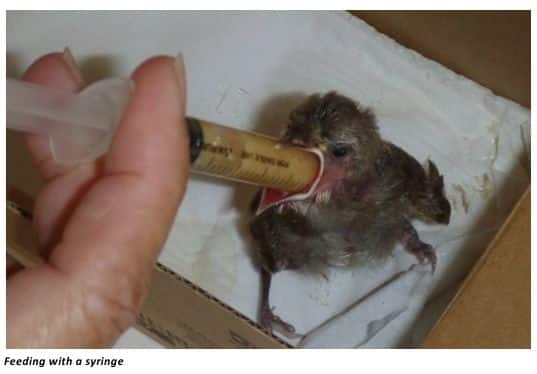
Correct feeding tools and techniques help avoid injury and stress for baby birds.
| Feeding Tool | Use | Notes |
|---|---|---|
| Small tweezers | Pick up tiny food pieces | Gentle grip to avoid harm |
| Dropper or syringe | Feed liquid or mash | Do not force food down throat |
| Soft paintbrush | Offer soft food on tip | Simulates parent bird’s beak |
Feed baby birds small bites that fit easily in their mouths. Do not overfill.
- Warm the food to body temperature before feeding.
- Keep the bird upright to prevent choking.
- Feed slowly to allow swallowing.
- Clean feeding tools after each use.
Foods To Avoid For Safety
Feeding a baby bird the right food is very important for its health. Some foods can harm the bird or cause sickness.
Here are some foods you should never feed a baby bird to keep it safe and healthy.
Milk And Dairy Products
Baby birds cannot digest milk or dairy products. These foods can cause stomach problems and diarrhea.
Do not feed cheese, yogurt, or any milk-based foods to baby birds.
Bread And Processed Foods
Bread and processed human foods lack proper nutrients for baby birds. They can fill the bird’s stomach but cause malnutrition.
Avoid feeding bread, crackers, chips, or fast food to baby birds.
Salt And Seasoned Foods
Salt and spices are harmful to baby birds. They can lead to dehydration and kidney damage.
Never give salty snacks or spicy foods to baby birds.
Avocado
Avocado contains a toxin called persin. This toxin is poisonous to many birds, including baby birds.
Do not feed any part of avocado to baby birds.
Chocolate And Caffeine
Chocolate and caffeine are toxic to birds. These substances can cause heart problems and nervous system issues.
Keep all chocolate, coffee, tea, and energy drinks away from baby birds.
Raw Beans And Potatoes
Raw beans and potatoes contain harmful substances that can poison baby birds.
Cooked beans and potatoes are safer but should still be given with caution and in small amounts.
Onions And Garlic
Onions and garlic can damage a bird’s red blood cells. This can cause anemia and breathing problems.
Do not feed any onion or garlic to baby birds.
When To Seek Wildlife Expert Help
Feeding a baby bird can be tricky. You may wonder what to feed besides worms. Some foods are not safe for birds.
Knowing when to ask a wildlife expert is important. Experts can give the right care to help baby birds survive.
If The Bird Is Injured Or Sick
Do not try to feed a baby bird that looks hurt or sick. Signs include bleeding, broken wings, or weakness.
Injured birds need special care and medicine. A wildlife expert knows how to treat them safely.
If The Baby Bird Is Very Young
Very young birds need specific food and warmth. Feeding them the wrong food can harm them.
Wildlife experts can tell the bird’s age and needs. They can offer the best feeding advice or care.
If You Are Unsure How To Feed Properly
Feeding baby birds requires careful choices. Wrong food or feeding methods can cause harm or illness.
Ask a wildlife expert if you do not know what to feed. They can guide you on safe and healthy options.
If The Bird Is Abandoned Or Nest Is Destroyed
Sometimes baby birds lose their nest or parents. They may need help to survive in the wild.
Wildlife experts can decide if the bird needs care or can be returned to nature safely.

Credit: www.youtube.com
Frequently Asked Questions
What Foods Are Safe For Feeding Baby Birds Besides Worms?
Soft fruits like mashed bananas, cooked rice, and soaked dog kibble are safe alternatives. Avoid salty or processed foods to keep them healthy.
Can I Feed Insects Other Than Worms To Baby Birds?
Yes, small insects like crickets, mealworms, and ants provide good protein. Ensure insects are pesticide-free and appropriately sized for the bird.
How Often Should I Feed A Baby Bird Alternative Foods?
Feed baby birds every 15-20 minutes during daylight hours. Keep portions small to avoid choking and ensure proper digestion.
Are Commercial Baby Bird Formulas Better Than Natural Foods?
Commercial formulas are balanced and convenient, mimicking natural diets well. They are often safer and nutritionally complete compared to homemade options.
Conclusion
Baby birds need more than just worms to grow healthy. Soft fruits, insects, and soaked dog food can help. Always offer fresh, easy-to-eat food in small amounts. Watch the bird’s response to know what works best. Feeding baby birds carefully helps them survive and thrive.
Remember, gentle care makes a big difference. Keep learning and caring for these little creatures. They depend on you for a strong start.