Choosing the right color to paint your bird house isn’t just about making it look nice. It can actually affect which birds decide to move in and how safe they feel.
You want your feathered friends to feel welcome and protected, right? You’ll discover simple tips and surprising facts that help you pick the perfect shade. By the end, your bird house won’t just stand out—it will become a cozy home that birds love.
Keep reading to find out how color can make all the difference!

Credit: underatinroof.com
Best Colors For Bird Houses
Choosing the right color for a bird house can make a big difference. Birds notice colors when they look for homes.
Some colors attract birds, while others may scare them away. Pick colors that help birds feel safe.
Bright Colors That Attract Birds
Bright colors like red, yellow, and blue can catch birds’ attention. These colors are easy to spot from far away.
- Red draws hummingbirds and orioles.
- Yellow attracts goldfinches and warblers.
- Blue can bring bluebirds and jays.
- Bright colors stand out in green trees.
Neutral Shades And Their Impact
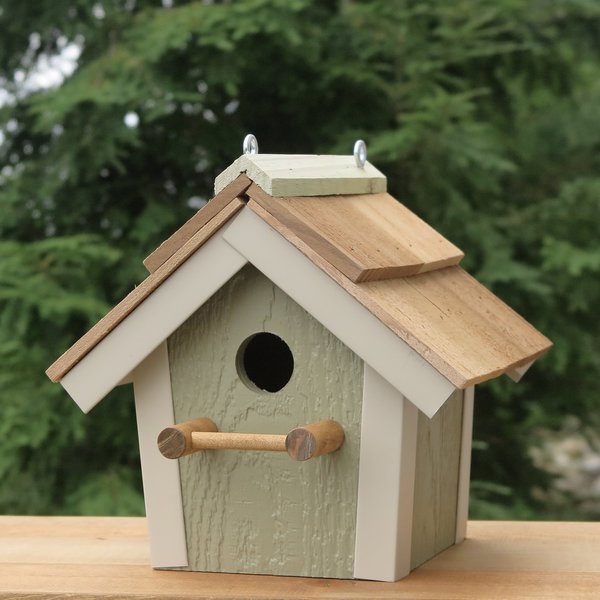
Neutral colors like beige, brown, and soft green blend with nature. These colors make birds feel safe and hidden.
| Color | Effect on Birds |
| Beige | Camouflages well, reduces predator risk |
| Brown | Looks natural, attracts ground nesting birds |
| Soft Green | Mimics leaves, offers good cover |
Avoiding Colors That Repel Birds
Some colors can scare birds away. Bright white and shiny colors may look unnatural or too bright.
Avoid these colors to keep birds comfortable:
- Bright white – can reflect too much light
- Black – absorbs heat and may become too hot
- Neon or very bright synthetic colors – look unnatural
Color Preferences By Bird Species
Birds see colors differently than humans. Choosing the right paint color can help attract specific birds. It is important to pick colors that match their natural preferences.
Painting bird houses in the right colors supports birdwatching and helps birds find safe places to nest. Each species has unique color tastes to consider.
Attracting Bluebirds
Bluebirds like colors that blend with nature. Soft blues, whites, and light grays work best. Bright colors may scare them away.
Painting a bird house in these colors helps bluebirds feel safe. Avoid dark or flashy colors that stand out too much.
Colors For Wrens And Chickadees
Wrens and chickadees prefer natural and earthy tones. Greens, browns, and tan shades attract these small birds. They like bird houses that look like part of their environment.
- Olive green
- Light brown
- Beige
- Dark green
These colors help wrens and chickadees feel hidden from predators. Paint the bird house in one of these shades to increase your chances of attracting them.
Hummingbird-friendly Shades
Hummingbirds are drawn to bright and warm colors. Red is their favorite. Orange and pink also work well. Use these colors to make your bird house stand out.
| Color | Effect on Hummingbirds |
| Red | Strongly attracts |
| Orange | Moderate attraction |
| Pink | Good attraction |
| Yellow | Some attraction |
| Blue | Less attraction |
Choosing Paint Types And Finishes
Painting bird houses protects them from the weather. It also makes them look nice. Picking the right paint and finish is important for the birds’ health and the house’s durability.
Some paints can be harmful to birds. Some finishes last longer in rain and sun. This guide helps you choose safe and strong paint options for your bird house.
Non-toxic Paint Options
Birds are sensitive to chemicals in paint. Choose paints that are safe and non-toxic. Water-based paints are a good choice. They dry fast and have fewer fumes.
- Look for paints labeled “non-toxic” or “child-safe.”
- Use water-based acrylic or latex paints.
- Avoid oil-based paints and spray paints.
- Check that paints have low or no volatile organic compounds (VOCs).
- Always let the paint dry fully before placing the bird house outside.
Matte Vs Glossy Finishes
Paint finishes affect how the bird house looks and lasts. Matte finishes do not shine. Glossy finishes are shiny and smooth. Each has pros and cons for bird houses.
| Finish Type | Look | Durability | Best Use |
| Matte | Flat, no shine | Less durable | Natural look, hides dirt |
| Glossy | Shiny and smooth | More durable | Easy to clean, weather-resistant |
Glossy finishes help water run off the surface. Matte finishes may soak more water. Choose glossy for rainy areas and matte for dry, shaded spots.
Weatherproofing Your Bird House
Protect your bird house from rain, sun, and wind. Weatherproofing keeps the house strong and safe for birds. Use these tips to weatherproof well.
- Apply a waterproof sealant over the paint after it dries.
- Use sealants that are non-toxic and safe for wildlife.
- Check for cracks or gaps and fill them with wood filler.
- Place the bird house in a sheltered spot if possible.
- Repaint and reseal the bird house every year for best protection.
Painting Tips For Longevity
Painting bird houses helps protect them from weather and insects. Using the right paint and techniques makes the paint last longer.
This guide shares simple tips to prepare, paint, and maintain bird houses for long-lasting color and protection.
Preparation And Priming
Clean the bird house to remove dirt and dust. Sand rough areas to make the surface smooth. This helps paint stick better.
Apply a primer to protect the wood and improve paint adhesion. Use a water-based primer safe for outdoor use and birds.
- Remove old paint or dirt before priming
- Use fine sandpaper for smooth surfaces
- Choose a non-toxic, water-based primer
- Let the primer dry fully before painting
Layering And Drying Techniques
Apply paint in thin, even layers. Thin layers dry faster and last longer. Thick layers can crack or peel.
Allow each paint layer to dry completely before adding the next. This prevents bubbling and uneven color.
- Use outdoor, non-toxic paint safe for birds
- Brush in the direction of the wood grain
- Wait at least 2 hours between coats
- Apply 2-3 thin coats for best coverage
Maintaining Painted Bird Houses
Check the bird house regularly for peeling or chipping paint. Repair damaged areas to keep the house protected.
Clean the bird house gently with a soft brush to remove dirt. Avoid harsh chemicals that can harm birds or wood.
- Inspect paint yearly for damage
- Touch up small spots with matching paint
- Clean with mild soap and water if needed
- Keep the bird house in a shaded spot if possible
Additional Design Ideas
Painting bird houses offers many ways to add personality and style. Small design touches can make your bird house unique.
Try different patterns, colors, and natural materials to create a home that birds and people will enjoy.
Adding Patterns And Accents
Patterns add visual interest to bird houses. You can use stripes, dots, or geometric shapes to decorate the surface.
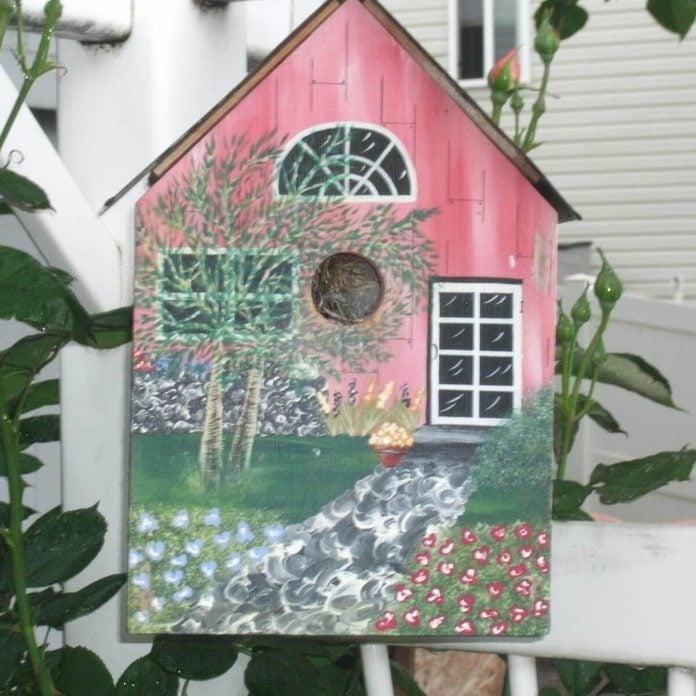
Accents like small wooden shapes or painted flowers make the house stand out. Use colors that contrast well for the best effect.
- Use painter’s tape for clean lines and stripes
- Stencil shapes like leaves or birds on the sides
- Add small painted dots for a playful look
- Attach tiny wooden stars or hearts as accents
Camouflage Vs Standout Designs
Camouflage colors help bird houses blend with the environment. Greens, browns, and grays work well for this.
Standout designs use bright colors like red or blue. These colors catch attention and make the house easy to spot.
- Camouflage helps protect birds from predators
- Standout colors make it easier for you to find the house
- Consider the local environment before choosing colors
- Both styles can attract different bird species
Incorporating Natural Elements
Adding natural materials gives bird houses a rustic and organic look. Use bark, twigs, or moss on the surface.
These elements blend the house into nature and provide extra texture and charm.
- Glue small pieces of bark around the entrance
- Attach twigs horizontally or vertically for a woodsy feel
- Place moss on the roof for a soft, green touch
- Use natural twine to wrap parts of the house
Credit: www.dutchcrafters.com
Credit: www.familyhandyman.com
Frequently Asked Questions
What Colors Are Best For Bird Houses?
Bright colors like red, blue, and yellow attract birds easily. However, muted tones such as green or brown blend well with nature. Earthy shades provide camouflage from predators. It’s essential to consider the local environment and bird species. Some birds prefer specific colors for nesting.
Can I Use Any Paint For Bird Houses?
No, you should use non-toxic, water-based paints. These are safe for birds and the environment. Avoid oil-based or lead-containing paints. Ensure the paint is suitable for outdoor conditions. Proper paint ensures durability and safety for birds. Check for any harmful chemicals before application.
Does The Color Affect Bird House Temperature?
Yes, darker colors can absorb more heat. This can make the bird house too warm. Lighter colors reflect sunlight and keep interiors cooler. Consider your local climate when choosing colors. Proper ventilation can also help regulate temperature. It’s essential for bird comfort and safety.
Do Birds Prefer Certain Colors For Nesting?
Yes, some birds are attracted to specific colors. Bluebirds prefer blue, while robins might choose earthy tones. Research the species you wish to attract. Understanding bird preferences can increase nesting success. Providing a suitable environment boosts the chances of occupancy.
Conclusion
Choosing the right color can help birds feel safe and welcome. Light colors keep bird houses cool in hot weather. Earth tones blend well with nature and protect birds. Avoid bright, shiny paints that may scare birds away. Paint also protects the wood from rain and sun.
A well-painted bird house lasts longer and looks nice. Think about your local climate and bird types. Simple colors often work best for most birds. Happy bird watching starts with a good home choice.