Have you ever wondered what a bird might say to a worm if they could talk? It sounds simple, but this question can open up a world of surprising ideas and meanings.
If you’re curious about nature, communication, or even hidden messages in everyday life, this article is for you. By the time you finish reading, you’ll see things from a fresh perspective—and maybe even understand a little more about the secret language between creatures.
Ready to discover what that bird really said? Keep reading, because the answer might surprise you.
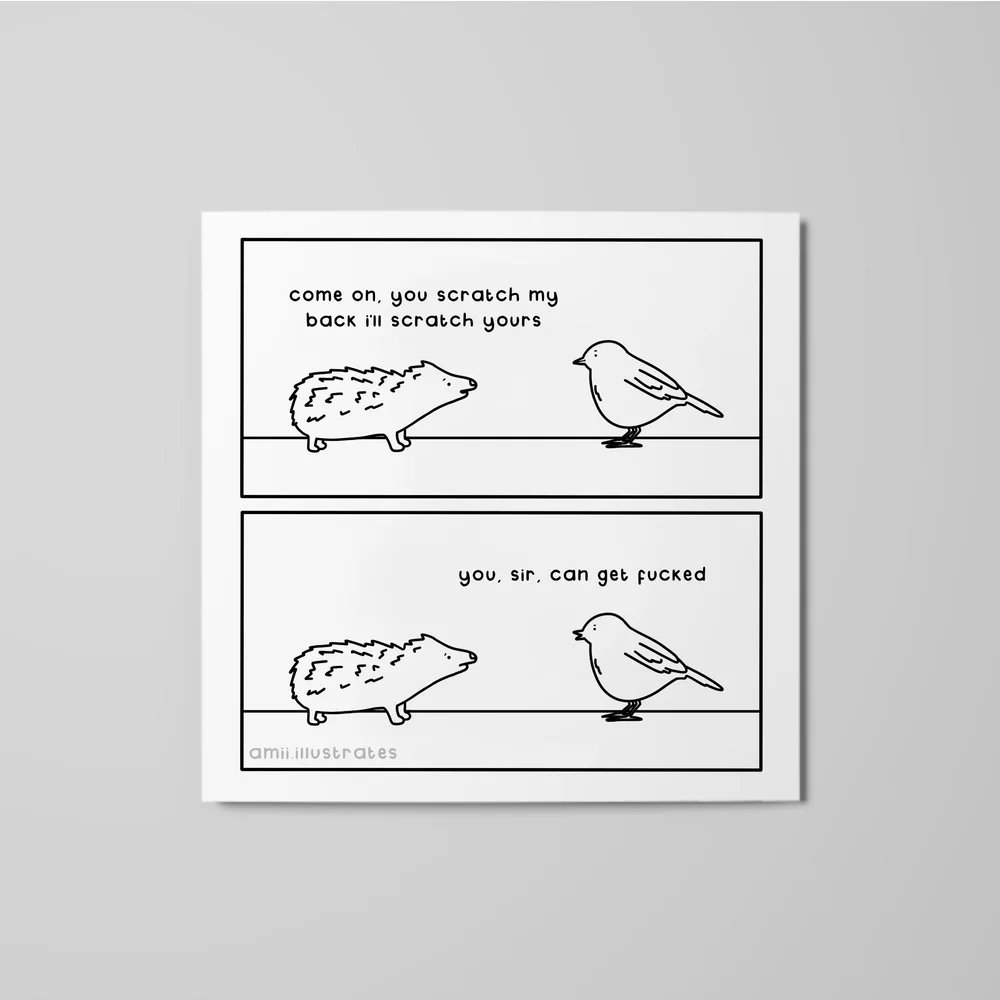
Credit: www.amiiillustrates.com
Bird Communication
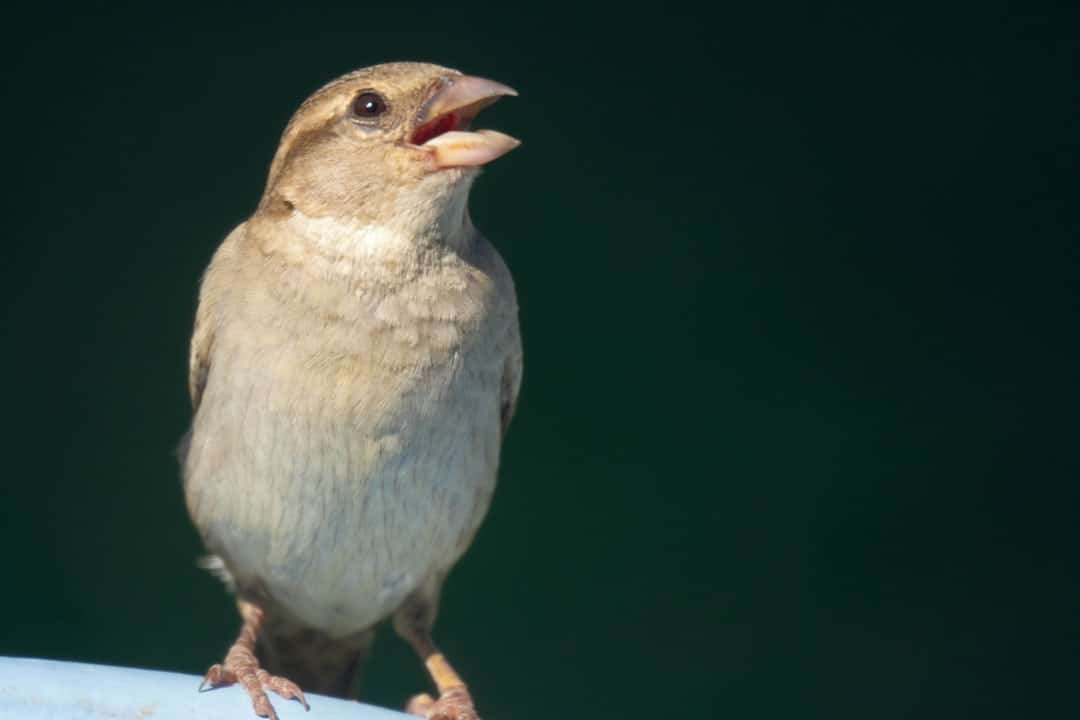
Birds use sounds to talk to each other. These sounds help them find food and stay safe.
Each bird call has a special meaning. Understanding these calls shows how smart birds really are.
Types Of Bird Calls
Bird calls come in many forms. They include songs, alarms, and contact calls.
- Song:A complex sound to attract mates or mark territory.
- Alarm call:A sharp sound warning others about danger.
- Contact call:A short sound to stay in touch with the flock.
- Begging call:Used by chicks to ask for food.
Meaning Behind Bird Sounds
Bird sounds carry messages. They tell others about food, threats, or their mood.
| Sound Type | Purpose | Example |
| Song | Attract mate | Male robin singing in spring |
| Alarm call | Warn danger | Blue jay loud call when predators near |
| Contact call | Keep flock together | Chickadee’s soft "chick-a-dee" call |
| Begging call | Ask for food | Baby birds chirping loudly |

Credit: www.threads.com
Worms In Nature
Worms are small animals that live in soil and water. They play an important part in nature.
These creatures help plants grow and keep the ground healthy. Let’s learn about their role and how they stay safe.
Role Of Worms In Ecosystems
Worms help break down dead plants and animals. This process makes the soil full of nutrients for plants.
- Improve soil by mixing organic material
- Create tunnels that let air and water reach roots
- Support other animals by being food for birds and insects
- Help recycle nutrients in the environment
How Worms Respond To Threats
Worms face dangers like predators, dry soil, and pollution. They have ways to protect themselves.
| Threat | Worm Response |
| Birds or animals | Hide deep in soil |
| Dry or hot conditions | Stay in moist layers underground |
| Pollution or chemicals | Move away if possible or burrow deeper |
Bird And Worm Interaction
Birds and worms have a unique relationship in nature. Birds often hunt worms for food. Worms try to avoid being caught.
This interaction shows how animals survive and adapt. Birds use different methods to catch worms. Worms have ways to protect themselves.
Hunting Techniques Of Birds
Birds use sharp eyesight to spot worms in the soil. They listen for movements underground. Some birds peck the ground quickly to catch worms.
- Watching the ground closely
- Listening for worm movement
- Pecking quickly to grab worms
- Using long beaks to dig into soil
Worm Defense Mechanisms
Worms use several ways to avoid birds. They hide deep in the soil. Some worms stay still to avoid detection.
| Defense Mechanism | Description |
| Burrowing Deep | Worms dig deep to escape birds |
| Staying Still | Worms do not move to avoid being heard |
| Secreting Mucus | Makes worms slippery and hard to catch |
| Timing Activity | Worms come out mostly at night |

Credit: www.caringcardinals.com
Surprising Discoveries
Birds and worms share a unique relationship in nature. Scientists have found surprising ways these creatures interact. Some bird behaviors show unexpected communication with worms.
Studying these interactions helps us learn more about animal behavior. It also shows how animals use signals to survive and find food.
Unusual Bird Behaviors
Some birds use special calls to attract worms. These calls may mimic sounds that worms respond to. Birds also tap the ground to make worms move closer.
Other birds wait patiently and watch for worms to appear. They use sharp eyesight to spot small movements underground. These behaviors help birds catch worms more easily.
- Birds mimic rain sounds to lure worms
- Tapping soil helps worms come to the surface
- Birds watch closely for worm movements
- Some birds use vibrations to communicate
Scientific Studies On Bird-worm Communication
Scientists studied how birds signal worms. They found that certain bird calls cause worms to move. These sounds may mimic natural signals worms use underground.
Researchers also tested how soil vibrations affect worm behavior. Birds create these vibrations by tapping or scratching. Worms react by surfacing, making them easier to catch.
- Bird calls can imitate rain or thunder sounds
- Worms sense vibrations and respond quickly
- Birds use tapping to create soil vibrations
- Communication helps birds find food faster
Lessons From Nature
Nature shows us many ways to communicate. Birds are one of the best examples. Their calls and songs hold important lessons.
By studying birds, we can learn simple ideas to improve how we talk with others every day.
What Birds Teach Us About Communication
Birds use sound, body movement, and color to share messages. They keep signals clear and quick. This helps them survive and work together.
- Use clear sounds to get attention.
- Show feelings with body language.
- Repeat messages to make sure they are heard.
- Adjust signals based on the situation.
- Work as a group for safety and success.
Implications For Human Interaction
Humans can take many ideas from birds. Clear and simple messages help avoid confusion. Watching body language adds meaning to words.
| Bird Communication | Human Communication |
| Short, clear calls | Use simple words and sentences |
| Body movements show mood | Facial expressions and gestures |
| Repeated signals for clarity | Repeat key points in talks |
| Group calls for safety | Team meetings and group talks |
| Adjust signals by context | Change tone based on listener |
Frequently Asked Questions
What Did The Bird Say To The Worm In The Story?
The bird told the worm a playful greeting before eating it. This interaction highlights nature’s food chain in a lighthearted way.
Why Is The Bird And Worm Conversation Important?
It symbolizes the predator-prey relationship and teaches about survival instincts in nature through a simple dialogue.
How Does The Bird’s Message Affect The Worm?
The bird’s message signals the worm’s fate, showing natural cycles and the balance in ecosystems clearly.
Can This Phrase Be Used Metaphorically?
Yes, it can symbolize unexpected challenges or warnings in life, emphasizing awareness and preparation.
Conclusion
The bird and worm tale teaches us about nature's wisdom. Birds need food. Worms avoid predators. This balance keeps nature in harmony. Observing this helps us appreciate life’s cycles. Every creature plays a role. Even the smallest. Nature’s lessons guide us to understand life better.
We learn patience, strategy, and survival. These lessons apply to our daily lives. Respect nature. Learn from it. Remember, each creature has a story. Like the bird and the worm. And each story holds a lesson. Stay curious. Keep exploring.
Nature has much to teach. Embrace its wisdom.