Have you ever wondered if the birds you see every day could pose hidden health risks? While birds bring beauty and joy, they can also carry diseases that affect you and your loved ones.
Knowing which illnesses birds can transmit helps you protect your health without losing your connection to nature. You’ll discover the most common diseases spread by birds and simple steps you can take to stay safe. Keep reading to learn how to enjoy birds safely and keep your home and family healthy.
Common Bird-transmitted Diseases
Birds can carry diseases that pass to humans. These illnesses may spread through droppings, feathers, or close contact.
Knowing these diseases helps people stay safe around birds. Here are some common ones to watch out for.
Psittacosis
Psittacosis is a disease from parrots and other pet birds. It spreads when people breathe in dust from bird droppings.
Symptoms include fever, cough, and muscle pain. It can be serious if not treated with antibiotics.
Histoplasmosis
Histoplasmosis comes from a fungus found in bird droppings. People get it by breathing in spores from soil or dust.
The illness can cause lung problems like cough and tiredness. Most people get better without treatment.
Cryptococcosis
Cryptococcosis is a fungal infection linked to pigeon droppings. It affects the lungs and can spread to the brain.
People with weak immune systems are more at risk. Early treatment is important to avoid serious problems.
Salmonellosis
Salmonellosis is a bacterial infection from bird droppings or contaminated food. It causes stomach pain, diarrhea, and fever.
Good hygiene helps prevent salmonellosis. Washing hands after handling birds or cleaning cages is important.
Avian Influenza
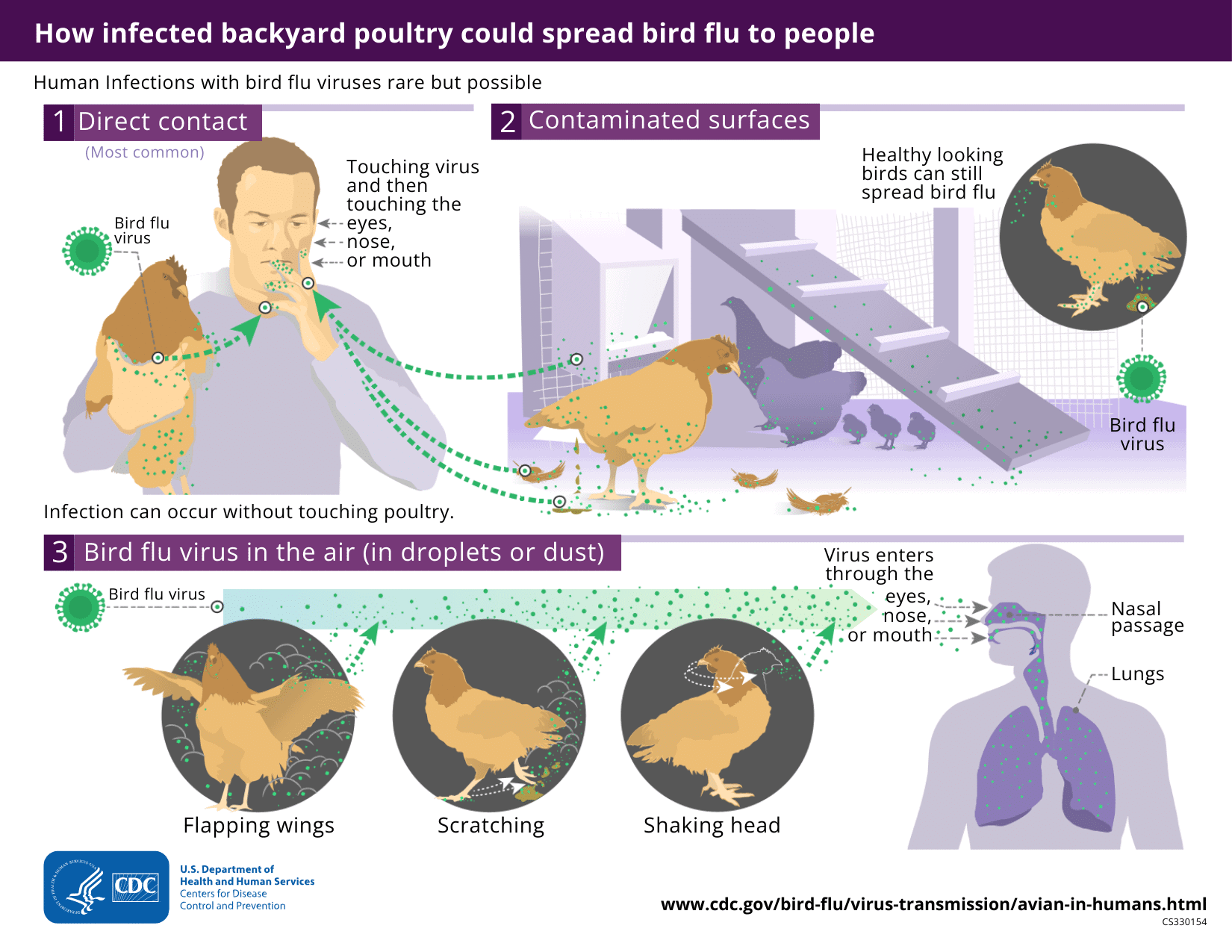
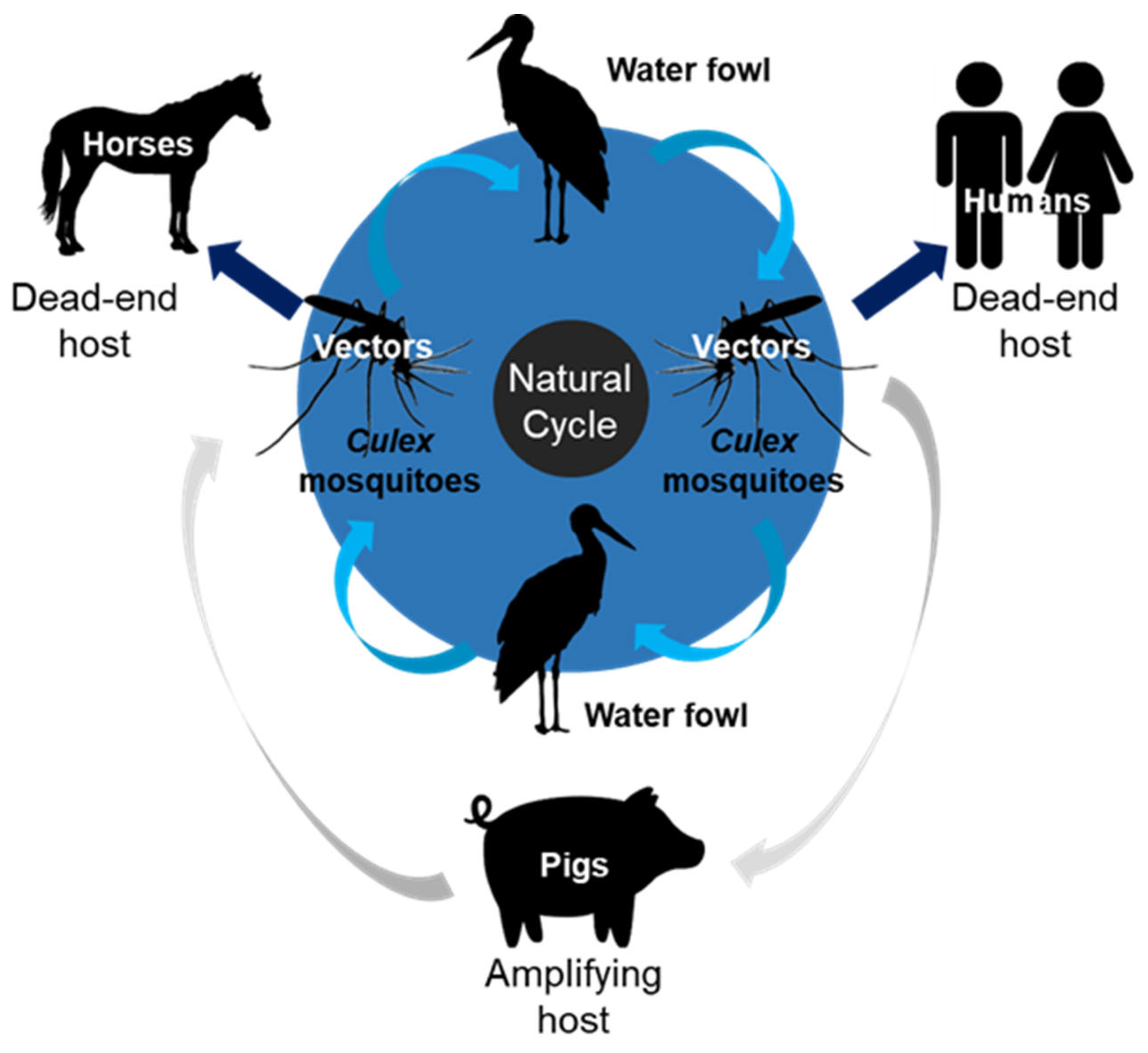
Avian influenza, or bird flu, spreads from infected wild or domestic birds. It can infect humans who have close contact with sick birds.
Symptoms range from mild flu to severe respiratory illness. Avoiding sick birds helps reduce the risk of infection.
Credit: www.mdpi.com
How Birds Spread Diseases
Birds can carry many diseases that spread to humans. These diseases often spread through contact with birds or their environment.
Understanding how birds spread diseases helps us stay safe and protect our health.
Droppings And Dust
Bird droppings contain harmful germs. When dry, droppings can turn into dust that spreads in the air. People may breathe in these dust particles and catch diseases.
- Histoplasmosis can come from dried droppings.
- Salmonella spreads through contact with bird feces.
- Cryptococcosis is linked to bird droppings too.
Feathers And Skin
Feathers and skin can carry bacteria and parasites. Touching birds or their feathers may cause infections. Some parasites on birds bite humans and spread illness.
Direct Contact
Handling birds or their nests can spread diseases. Bird bites or scratches can pass germs directly into the body. People who keep birds as pets or work with them face higher risks.
| Type of Contact | Possible Disease |
| Touching bird droppings | Salmonella |
| Being bitten or scratched | Psittacosis |
| Handling feathers | Parasitic infections |
Airborne Transmission
Birds release germs into the air by coughing or sneezing. Airborne germs can infect people nearby. Some diseases spread this way more easily in crowded or enclosed spaces.
Common airborne diseases from birds:
- Avian influenza
- Psittacosis
- Histoplasmosis
Symptoms Of Bird-related Illnesses In Humans
Birds can carry germs that make people sick. These illnesses show many symptoms. Knowing the signs helps get the right care fast.
Bird-related diseases often affect the lungs, stomach, or brain. Symptoms can be mild or serious. Watch for changes in your body.
Respiratory Issues
Bird diseases can cause breathing problems. You might cough or feel tightness in your chest. Some diseases cause shortness of breath.
Symptoms include wheezing and a runny or stuffy nose. Lung infections from birds can become severe if untreated.
- Cough that lasts more than a week
- Difficulty breathing or shortness of breath
- Chest pain or tightness
- Wheezing sounds when breathing
- Runny or stuffy nose
Flu-like Symptoms
Many bird diseases cause flu-like symptoms. You may feel tired and weak. Fever and chills are common signs.
Other symptoms include headaches and muscle aches. These signs often appear suddenly and can last days.
- High fever and chills
- Body aches and muscle pain
- Headache
- Fatigue and weakness
- Sweating
Gastrointestinal Problems
Bird-related illnesses can cause stomach issues. You might have nausea, vomiting, or diarrhea. These signs can lead to dehydration.
Stomach pain and cramps are also common. These symptoms need medical care if they last more than a day.
- Nausea and vomiting
- Diarrhea
- Stomach pain or cramps
- Loss of appetite
- Dehydration signs like dry mouth
Neurological Effects
Some bird illnesses affect the brain and nerves. Symptoms include confusion or dizziness. You may feel weak or have trouble walking.
Severe cases cause seizures or loss of balance. Seek medical help quickly if these signs happen.
- Confusion or trouble thinking clearly
- Dizziness or loss of balance
- Weakness in limbs
- Seizures
- Headache with stiff neck

Credit: www.tandfonline.com
High-risk Groups For Bird-transmitted Diseases
Birds can carry diseases that spread to humans. Some people face higher risks of catching these diseases.
Knowing who is most at risk helps protect health and prevent infections from birds.
Bird Owners And Handlers
People who keep birds as pets or handle them often can catch diseases. Bird droppings and feathers may carry harmful germs.
- Wear gloves when cleaning cages
- Wash hands after touching birds
- Avoid close contact if birds are sick
Poultry Workers
Workers in poultry farms face risks from bird diseases like avian flu. Close contact with many birds raises their exposure.
| Precaution | Purpose |
| Wear masks and gloves | Prevent germs entering body |
| Clean work areas daily | Remove germs from surfaces |
| Report sick birds | Stop disease spread early |
Immunocompromised Individuals
People with weak immune systems get sick easily. Bird diseases can be more severe for them.
These individuals should avoid:
- Direct contact with wild or pet birds
- Cleaning bird cages or nests
- Exposure to bird droppings
Children And Elderly
Children and elderly people have weaker defenses against infections. They need extra care around birds.
- Keep birds out of children’s play areas
- Supervise hand washing after bird contact
- Limit bird exposure for older adults
Preventing Disease Transmission From Birds
Birds can carry diseases that spread to humans. Taking simple steps helps stop these illnesses.
Learning how to protect yourself reduces health risks when near birds or their droppings.
Proper Hygiene Practices
Wash your hands after touching birds or cleaning cages. Avoid touching your face before washing.
- Use soap and warm water for at least 20 seconds
- Clean bird cages regularly
- Wear gloves when handling bird droppings
- Disinfect surfaces that birds contact often
Safe Bird Handling
Handle birds gently to avoid stress and bites. Use protective gear if needed.
Keep birds away from food and eating areas to prevent contamination.
Regular Veterinary Checkups
Take pet birds to a vet often. Early disease detection protects both birds and people.
| Checkup Item | Purpose |
| Health Screening | Detect infections early |
| Vaccinations | Prevent common bird diseases |
| Parasite Control | Reduce spread of parasites |
| Behavioral Assessment | Spot signs of stress or illness |
Controlling Bird Populations
Limit wild bird numbers near homes to lower disease risk. Use safe methods to keep birds away.
Bird population control tips:
- Seal entry points to buildings
- Remove food sources like open trash
- Use bird spikes on ledges
- Keep outdoor areas clean
When To Seek Medical Attention
Birds can carry diseases that spread to humans. Knowing when to get medical help is very important. Early care can stop serious problems.
If you have been near birds and feel sick, watch your symptoms closely. Some signs mean you should see a doctor quickly.
Recognizing Warning Signs
Look for these signs after contact with birds:
- High fever over 101°F (38.3°C)
- Persistent cough or chest pain
- Difficulty breathing or shortness of breath
- Severe headache or muscle aches
- Fatigue that worsens over time
- Eye irritation or redness
Diagnostic Tests
Doctors use tests to find bird-related illnesses. These tests help confirm the infection type.
| Test | Description | Purpose |
| Blood Test | Checks for antibodies or infection markers | Detects bird disease exposure |
| Chest X-ray | Shows lung condition | Finds pneumonia or lung damage |
| Sputum Culture | Examines mucus from lungs | Identifies bacteria or fungi |
| Skin Test | Checks reaction to bird allergens | Detects hypersensitivity |
Treatment Options
Treatment depends on the disease and symptoms. Doctors may use medicines or other methods.
- Antibiotics for bacterial infections like psittacosis
- Antifungal drugs for fungal diseases such as histoplasmosis
- Rest and fluids to support recovery
- Oxygen therapy if breathing is difficult
- Follow-up visits to monitor health

Credit: m.economictimes.com
Frequently Asked Questions
What Diseases Can Birds Transmit To Humans?
Birds can transmit diseases like psittacosis, histoplasmosis, and avian influenza. These infections spread through droppings, feathers, or direct contact. Proper hygiene and bird care reduce transmission risks.
How Do Humans Get Bird-related Infections?
Humans contract bird diseases by inhaling contaminated dust, direct contact with birds, or exposure to droppings. Avoiding close contact and cleaning bird areas regularly helps prevent infections.
What Are Symptoms Of Bird-transmitted Diseases?
Symptoms vary but often include fever, cough, fatigue, and respiratory issues. Early diagnosis is crucial for effective treatment. Seek medical help if you experience these after bird exposure.
Can Pet Birds Cause Diseases In Humans?
Yes, pet birds can carry bacteria and viruses harmful to humans. Regular vet checkups and proper hygiene minimize health risks from pet birds.
Conclusion
Birds can transmit diseases to humans, posing health risks. It’s crucial to know these risks and take preventive actions. Practicing good hygiene helps reduce exposure. Avoid direct contact with wild birds. Keep pet birds healthy with regular vet visits. Clean bird cages frequently to prevent infections.
Educate yourself on symptoms of bird-related diseases. Seek medical advice if needed. Awareness and caution protect you and your loved ones. Stay informed and safe in your interactions with birds. Your health is a priority. Remember, prevention is key.