
Baby birds need special food to grow strong and healthy. Their diet changes as they grow from hatchlings to fledglings.
Baby birds eat mostly insects, worms, and soft foods that their parents bring. These foods give them protein and energy for fast growth. Some baby birds also eat seeds, fruits, or regurgitated food from their parents. Different bird species have different diets depending on their habitat and needs.
Understanding what baby birds eat helps protect them and support their survival. Feeding the right food keeps baby birds healthy until they can find food on their own. This guide explains the common foods baby birds eat and why these foods matter for their development.
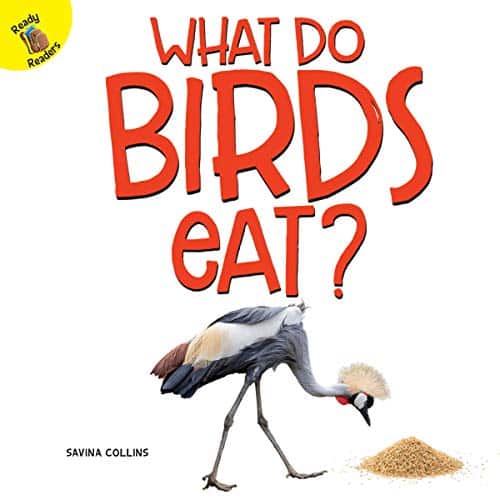
What Do Birds Eat?

This book is ideal for young readers and nature enthusiasts curious about the diverse diets of birds. If you want to introduce children to the fascinating world of birds and their eating habits, What Do Birds Eat? (Plants, Animals, and People) by Ready Readers is a perfect choice. It caters to early learners interested in wildlife, biology, and ecology, offering an engaging and educational experience.
Pros:
- Contains 20 pages of concise, easy-to-understand content suitable for children.
- Explains the varied diets of birds, including plants, animals, and interactions with people.
- Published by a reputable educational publisher, Ready Readers, ensuring quality and accuracy.
- Helps develop early reading skills while fostering an interest in nature and science.
Cons:
- Limited to 20 pages, which may not provide in-depth information for advanced readers.
- Publication date from 2018 means it may not include the latest scientific discoveries.
- Primarily targeted at younger audiences, so adults seeking comprehensive details may find it too basic.
The book offers a clear overview of what birds eat, categorizing their diets into plants, animals, and interactions with humans. This structure helps readers understand the ecological role of birds and how their eating habits impact their environment. The use of simple language and vivid examples makes complex topics accessible to young readers, encouraging curiosity and learning.
Additionally, the compact format with 20 pages allows for a quick yet informative read, ideal for classroom settings or casual learning at home. Readers benefit from gaining foundational knowledge about bird diets, which can spark further interest in wildlife and conservation. Overall, What Do Birds Eat? (Plants, Animals, and People) is a valuable resource for introducing children to the natural world.
Baby’s First Book Of Birds & Colors

The Baby’s First Book of Birds & Colors is perfect for parents and caregivers seeking an engaging and educational introduction to nature and colors for their infants and toddlers. Ideal for little ones just beginning to explore the world, this book combines vibrant illustrations with simple concepts to stimulate early learning and visual recognition.
Pros:
- Features bright and colorful illustrations that capture a child’s attention.
- Compact and lightweight design, measuring just over 7 inches in height and width, making it easy for little hands to hold.
- Durable board book format with 18 sturdy pages suitable for young children.
- Introduces both birds and colors, promoting dual learning opportunities.
- Published by trusted brand Charlesbridge, ensuring quality content and production.
Cons:
- Limited number of pages may offer less content for extended reading sessions.
- Primarily focused on birds and colors, so less variety in animals or themes.
This illustrated edition of the book provides clear and engaging visuals that help young children recognize different bird species alongside vibrant colors. The simplicity of the text allows for easy understanding and encourages verbal interaction between parents and children, fostering early language development. The book’s lightweight and compact size make it an excellent choice for on-the-go reading and can easily fit into diaper bags or small backpacks.
Additionally, the durable construction of the board book ensures it can withstand the rough handling typical of toddlers. The combination of educational content and sturdy design makes it a valuable addition to any child’s early learning collection. By focusing on familiar natural elements like birds and colors, the book supports cognitive development and sensory learning in a fun and accessible way.
Eat!

The Eat! (Baby Faces Board Book) is an ideal choice for parents and caregivers of infants and toddlers who are beginning to explore the world around them. Perfect for little hands, this board book is designed to engage young children with its simple, relatable content and durable construction. Those seeking a compact, sturdy book to introduce their child to basic concepts and facial expressions will find this item especially valuable.
Pros:
- Durable board book format suitable for babies and toddlers
- Compact size (6.0 x 6.0 inches) easy for small hands to hold
- Features relatable baby faces to engage young readers
- Lightweight at approximately 0.25 pounds, making it portable
- Contains 12 pages, perfect for short attention spans
Cons:
- Limited number of pages may restrict content depth
- Published in 2002, may lack some modern design elements
- Not suitable for older children looking for advanced reading material
The Eat! (Baby Faces Board Book) by Cartwheel is thoughtfully crafted to capture the attention of very young children through expressive facial imagery and simple text. Its compact dimensions and lightweight design make it an excellent choice for on-the-go reading sessions and easy handling by tiny fingers. The sturdy board book format ensures longevity despite frequent use by enthusiastic little readers.
This edition, published by Cartwheel Books, offers a concise yet engaging experience with its 12 pages filled with inviting images that encourage early recognition and emotional connection. The book’s durable construction and appealing visuals provide both educational and entertainment benefits, making it an excellent tool for early childhood development and parent-child bonding.
What Do Animals Eat?

Ideal for young readers with a curiosity about the natural world, What Do Animals Eat? (Curious Creatures, 2) is perfect for children who love learning about animals and their diets. This book is especially suited for parents, educators, and caregivers seeking an engaging and educational resource that introduces early learners to basic animal facts in an accessible way.
Pros:
- Compact size with dimensions of 8.84 x 7.1 x 0.69 inches, making it easy for children to handle.
- Contains 24 pages filled with colorful illustrations and simple text to maintain young readers’ interest.
- Published by Schiffer Kids, a trusted manufacturer known for quality educational children’s books.
- Lightweight at just over 2.3 pounds, making it portable for reading on-the-go.
- Offers a clear explanation of various animal diets, promoting early scientific literacy.
Cons:
- Limited page count may result in brief coverage of some animal species.
- Publication date of 2022 means it may lack the latest discoveries or expanded content found in newer editions.
- Primarily aimed at younger children, so older readers might find the information too basic.
What Do Animals Eat? (Curious Creatures, 2) features a thoughtfully designed format that combines vivid illustrations with straightforward explanations, making it highly effective for engaging young minds. The book’s concise layout helps children easily grasp the dietary habits of various animals, enhancing their understanding of the animal kingdom. Its compact dimensions and lightweight design make it an ideal choice for storytime at home, school, or while traveling.
The book’s emphasis on clear, digestible facts encourages curiosity and learning, fostering a love for nature and science from an early age. By exploring the eating habits of different animals, children develop observational skills and gain insight into ecological relationships. This educational tool supports literacy development while cultivating an appreciation for wildlife, making it a valuable addition to any young reader’s collection.
Baby Birds: An Artist Looks Into The Nest

Baby Birds: An Artist Looks into the Nest is ideal for nature enthusiasts, bird watchers, and art lovers who appreciate detailed illustrations and insightful observations of wildlife. This book is perfect for readers who want to explore the intimate world of baby birds through the eyes of an artist, combining scientific curiosity with artistic expression. Whether you’re a student, educator, or simply passionate about birds, this edition offers a unique blend of visual and narrative storytelling.
Pros:
- Published by the reputable HOUGHTON MIFFLIN HARCOURT and Mariner Books, ensuring quality content and production.
- Comprehensive 352 pages filled with detailed illustrations and engaging text.
- Compact dimensions (10.5 x 9.0 x 1.069 inches) make it easy to handle and display.
- First Edition status adds collectible value.
- Weighs approximately 3.6 pounds, indicating substantial material and high-quality print.
- Published in 2016, offering relatively recent insights and artwork.
Cons:
- The weight might be a bit heavy for casual readers seeking a lightweight book.
- Specific focus on baby birds may limit appeal to those interested in broader ornithology topics.
- As an art-focused book, it may lack in-depth scientific data for advanced researchers.
This beautifully crafted book features exquisite artwork that captures the delicate nature of baby birds in their nests. The artist’s keen observation is reflected in every page, providing readers with a vivid visual experience that complements the detailed descriptions. The first edition status adds a layer of uniqueness and value for collectors and enthusiasts alike. The sturdy dimensions and weight ensure durability, making it a great addition to any personal or educational library.
Beyond its artistic merit, Baby Birds: An Artist Looks into the Nest offers insightful reflections on the early stages of avian life. Readers gain a deeper appreciation for the vulnerability and beauty of these young creatures, enhancing their connection to nature. The book’s blend of art and narrative makes it accessible and engaging, appealing to a wide audience interested in wildlife, art, and storytelling.
Monsters

The book What do Dogs Like to Eat?: Monsters is ideal for young readers who are curious about dogs and enjoy imaginative stories. It is perfect for parents, educators, and caregivers looking to introduce children to fun, engaging reading material that combines humor and creativity. This book is especially suited for kids who love animals and playful adventures featuring quirky characters.
Pros:
- Engaging illustrations that capture children’s attention
- Short and easy-to-read format with 20 pages
- Published by smartly done, ensuring quality content
- Encourages imaginative thinking and curiosity about animals
- Suitable for early readers due to simple language and structure
Cons:
- Limited length might not satisfy older or more advanced readers
- Specific theme focused on dogs and monsters may not appeal to all children
- Publication date from 2014 means it may lack some modern design elements
What do Dogs Like to Eat?: Monsters features playful storytelling that combines the familiar world of dogs with imaginative monster characters, creating a unique reading experience for children. The concise 20-page format makes it easy for young readers to stay engaged without feeling overwhelmed, fostering a positive reading habit early on. The book’s creative concept encourages kids to think outside the box while learning about animals in a fun way.
Manufactured by smartly done, this book ensures quality content that is both entertaining and educational. Its simple, clear language supports early literacy development, while the whimsical illustrations add visual appeal, making the reading experience enjoyable and memorable. Overall, it is a delightful choice for anyone looking to spark a child’s love for reading and imagination.
Emily Post’s Table Manners For Kids

Emily Post’s Table Manners for Kids is ideal for parents, educators, and caregivers who want to teach children the importance of polite and respectful behavior at the dining table. This book is perfect for families looking to instill lifelong social skills and confidence in young kids through engaging and easy-to-understand guidance.
Pros:
- Illustrated edition that makes learning fun and accessible for children.
- Provides clear and concise instructions on proper table manners.
- Published by HarperCollins, ensuring quality and reliability.
- Compact size with 96 pages, perfect for young readers to handle.
- Helps build social confidence and etiquette skills early on.
Cons:
- Limited to basic table manners, might not cover all social scenarios.
- Some children may find the traditional approach less engaging without adult guidance.
- Illustrated edition might feel too simple for older kids.
This book features a well-structured layout filled with charming illustrations that capture children’s attention while teaching them essential table manners. The compact dimensions of 9.5 inches by 7.75 inches make it easy for kids to handle and revisit whenever needed. The 96-page content is thoughtfully designed to break down complex etiquette into understandable and practical steps, encouraging positive mealtime behavior in a friendly manner.
Beyond just rules, Emily Post’s Table Manners for Kids helps children develop confidence in social settings by equipping them with the skills to interact respectfully and gracefully. The book’s engaging presentation ensures that these lessons are memorable, fostering good habits that extend beyond the dining table into everyday life. With its reputable HarperCollins publication, it guarantees a trusted source of guidance for nurturing well-mannered children.
¿qué Comen Las Aves?
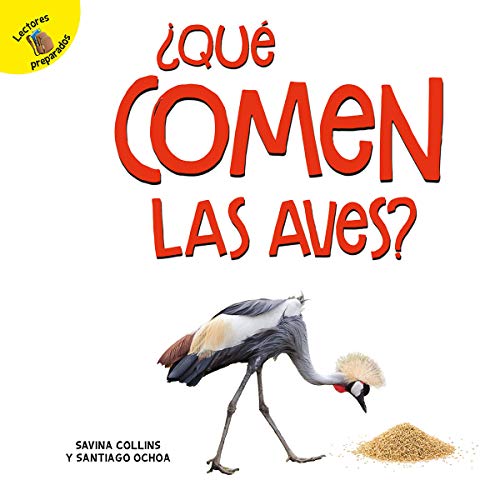
This book is ideal for young learners in grades PK to 2 who are curious about nature, specifically about the diets of birds. It is perfect for early bilingual students or those learning Spanish, as it introduces basic scientific concepts in an accessible and engaging way. Parents and educators looking for a simple, educational resource that combines language learning with natural science will find this edition very useful.
Pros:
- Contains simple and clear Spanish language suitable for early readers.
- Provides educational content about birds’ diets, helping children learn about nature.
- Short length with 16 pages makes it perfect for young attention spans.
- Produced by Ready Readers, ensuring quality and age-appropriate material.
- Encourages bilingual education and cultural awareness.
Cons:
- Limited to only 16 pages, which may not cover the topic in great depth.
- Primarily focused on Spanish speakers or learners, which might limit use for non-Spanish readers.
- As a translation edition, some nuances from the original text might be simplified.
The book “Plantas, animales y personas (Plants, Animals, and People) ¿Qué comen las aves? (What Do Birds Eat?)” offers a concise introduction to the eating habits of birds, tailored specifically for young children. Its use of straightforward Spanish vocabulary helps build language skills while fostering curiosity about the natural world. With vibrant illustrations likely accompanying the text, it captures children’s attention and makes learning fun and interactive.
Additionally, this edition supports bilingual education by bridging scientific concepts with language development. Children not only learn about different types of bird diets but also improve their comprehension of Spanish terms related to plants, animals, and people. The compact size and simple structure make it an excellent resource for classroom reading sessions or at-home learning, encouraging early literacy and environmental awareness simultaneously.
Frequently Asked Questions
What Do Baby Birds Eat In The Wild?
Baby birds in the wild primarily eat insects and small invertebrates. These provide essential proteins for growth. Some species may also consume seeds or fruits. Parent birds typically feed their young by regurgitating pre-digested food. This ensures the chicks receive the necessary nutrients.
Can Baby Birds Eat Fruits And Seeds?
Yes, baby birds can eat fruits and seeds, but only when they’re older. Initially, they require protein-rich diets like insects. As they grow, fruits and seeds become a part of their diet. Parents introduce these foods gradually to ensure proper digestion and nutrient absorption.
How Often Should You Feed A Baby Bird?
Baby birds should be fed every 20 minutes to an hour, depending on their age. Nestlings eat frequently due to their rapid growth and high metabolism. It’s crucial to mimic their natural feeding pattern to ensure healthy development and growth.
What Should You Avoid Feeding Baby Birds?
Avoid feeding baby birds bread, milk, or processed foods. These items lack essential nutrients and can harm their digestive system. It’s best to stick to a natural diet similar to what they would receive in the wild. Consult a professional if unsure.
How Do Parent Birds Feed Their Chicks?
Parent birds feed their chicks by regurgitating pre-digested food directly into their mouths. This method ensures chicks receive the necessary nutrients in an easily digestible form. It also helps maintain the chicks’ hydration levels and supports their rapid growth.
Conclusion
Baby birds need the right food to grow strong and healthy. Most baby birds eat insects, worms, and small animals because these foods have lots of protein. Some baby birds also eat soft fruits or seeds, depending on their species.
Parent birds work hard to find and feed the right food to their chicks. Feeding baby birds the wrong food can harm them or slow their growth. Watching what baby birds eat helps us understand their needs better. It also shows how nature provides for them in different ways.
Whether insects or fruits, the food helps baby birds get energy and build feathers. Knowing what baby birds eat can help people care for them if needed. It also makes birdwatching more interesting and fun. Feeding baby birds is a careful task that supports their life and future.



