Have you ever been startled by a bird chirping late at night and wondered what it means? That sudden sound can feel mysterious or even a little unsettling when everything else is quiet.
But those nighttime bird calls aren’t random—they carry messages you might be missing. You’ll discover why birds sing after dark, what their chirps could be telling you, and how understanding these sounds can connect you more deeply with the world outside your window.
Keep reading, and you might never hear a night bird the same way again.
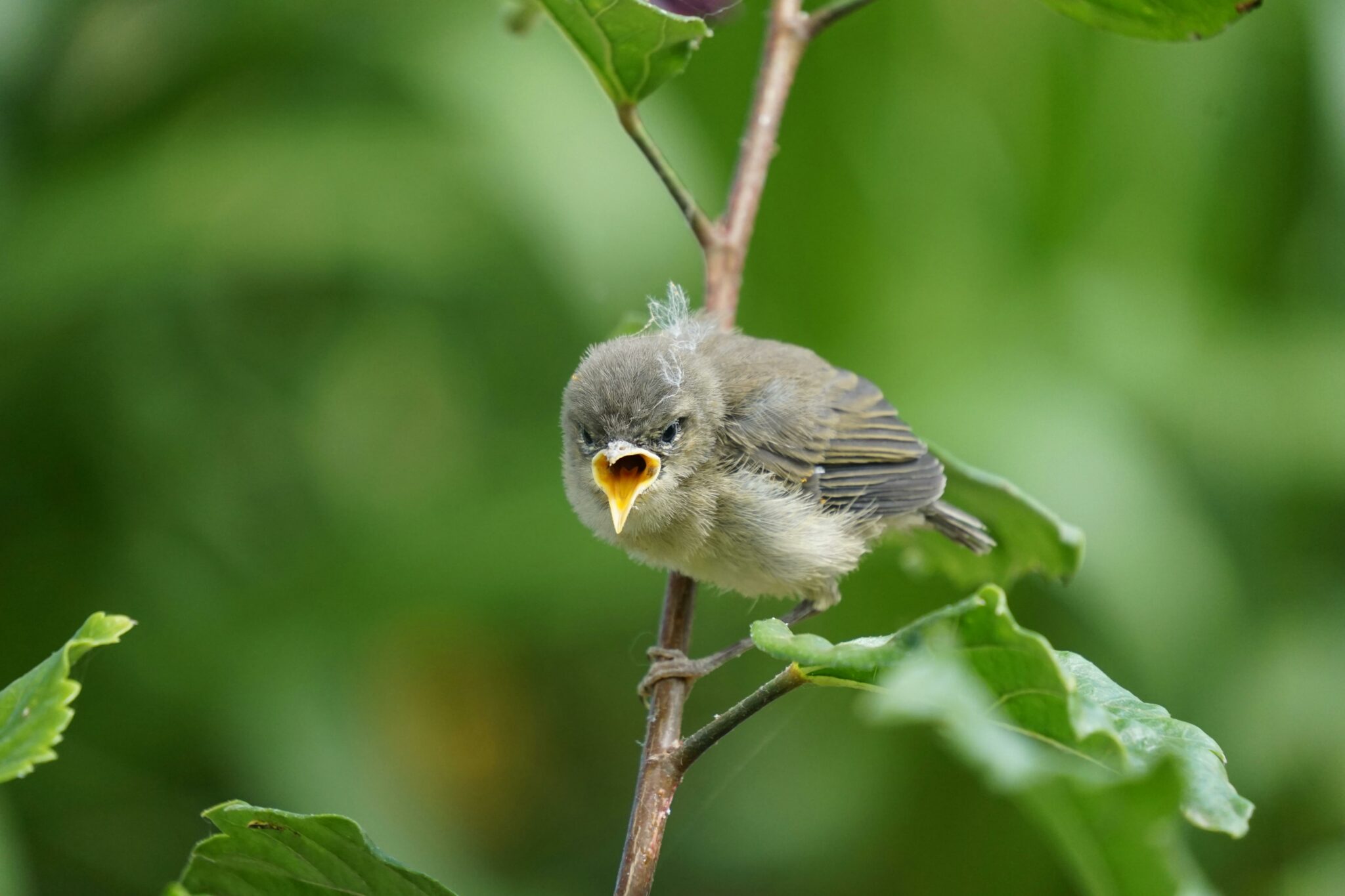
Credit: www.purplegarden.co
Reasons Birds Chirp At Night
Birds chirping at night can seem strange. Many birds are active during the day.
But some birds make sounds at night for important reasons. These sounds help them communicate.
Communication Signals
Birds use chirps to send messages to other birds. At night, these sounds help them stay in touch.
Chirping can warn others about danger or call family members. It keeps the group connected.
Mating Calls
Many birds sing at night to attract mates. Night chirping shows their strength and health.
Male birds often use louder or longer songs to get a female’s attention during the night.
Territorial Behavior
Chirping at night can mark a bird’s territory. This warns other birds to stay away.
Birds protect their space by making noise. This stops fights and keeps them safe.
Response To Environmental Factors
Birds may chirp more at night if there is less noise. Quiet streets make their calls clearer.
Light pollution and weather changes can also affect when birds chirp during the night.
Types Of Birds That Chirp At Night
Birds that chirp at night are not very common. Most birds sing during the day. Some birds use night sounds to communicate.
These night singers include different species. Their calls mean many things, like marking territory or finding mates.
Owls And Nightjars
Owls are famous for their night sounds. They hoot to warn others or find partners. Nightjars make soft chirping or clicking sounds.
Nightjars are active at night and use calls to stay in touch. Both owls and nightjars have special voices for dark hours.
- Owls: hooting calls, deep and low
- Nightjars: soft chirps and clicks
- Both use sounds for communication and hunting
Mockingbirds And Thrushes
Mockingbirds can sing day and night. Their night songs help protect their space. Thrushes often sing soft tunes after dark.
These birds are good mimics. They copy sounds from other birds or noises in their area to confuse rivals.
- Mockingbirds: varied songs, mimic other sounds
- Thrushes: gentle night songs, melodic
- Both use night calls to mark territory
Other Nocturnal Species
Some other birds chirp at night too. Examples include whip-poor-wills and certain sparrows. Their night calls help them stay connected.
These species use chirping for many reasons. It can be to warn danger, attract mates, or guide young birds.
- Whip-poor-wills: repetitive calls at night
- Some sparrows: soft chirps after dark
- Night calls serve different purposes
How Weather Affects Night Chirping
Birds chirp at night for many reasons. Weather plays a big part in this behavior. Different weather conditions can change how often and loudly birds sing at night.
Understanding how weather affects night chirping helps us learn more about bird habits. It also shows how birds react to their environment during the night.
Impact Of Rain And Humidity
Rain usually makes birds quiet. They avoid singing to keep their feathers dry. High humidity can also change bird calls. Moist air may carry sound differently, so birds adjust their chirping.
When rain stops, birds often start chirping again. They use the quiet times to rest and the dry times to communicate or find mates.
- Rain lowers bird chirping at night
- High humidity can change sound travel
- Birds sing more when it is dry
- Quiet during storms for safety
Effect Of Temperature Changes
Temperature affects bird activity at night. Warmer nights can make birds more active and chirp more. Cold nights usually make birds quiet to save energy.
Some birds use chirping to warn others about cold weather. Others sing to find food or mates when the temperature feels right.
- Warm nights increase night chirping
- Cold nights reduce bird sounds
- Birds use chirps to signal weather changes
- Temperature affects food search and mating calls
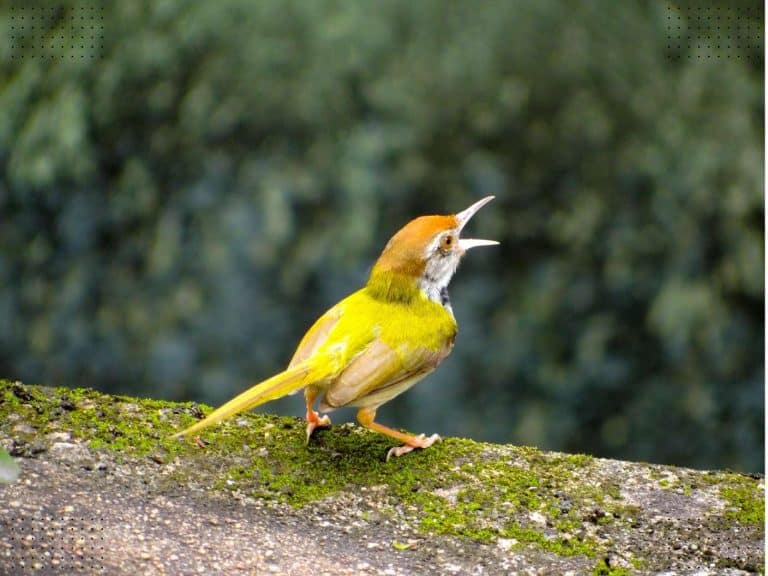
Credit: www.whatspiritual.com
Cultural And Symbolic Meanings
Birds chirping at night often catch people’s attention. Many cultures attach special meanings to this sound.
These night sounds symbolize different things based on traditions and beliefs around the world.
Bird Chirping In Folklore
In many folk stories, birds that sing at night are seen as messengers. They often bring news or warnings.
Some cultures believe night chirping means spirits are near. Others think it signals change or new beginnings.
- In Japanese folklore, night bird songs can mean good luck.
- Native American tales sometimes connect night chirps to guidance from ancestors.
- European stories often link night singing birds to mystery and magic.
Superstitions Around Night Birds
Many superstitions surround birds chirping at night. People often see these sounds as signs or omens.
Some think a bird’s night song warns of danger. Others believe it brings messages of hope or love.
- A night chirping bird may mean a visitor is coming soon.
- Some say it signals a family member will get good news.
- In some places, it is a sign of bad luck or illness.
- Others believe it marks a time for reflection and quiet.
Tips To Identify Night Chirping Birds
Birds that chirp at night can be hard to identify. Listening closely helps you learn their sounds.
Watching where they live and how they act gives more clues about the bird species.
Using Sound Recordings
Recording bird sounds is a good way to study night chirping birds. You can compare your recordings to known bird songs.
- Use a quiet place to capture clear sounds.
- Try to record several different calls or songs.
- Use apps or websites to match your sounds with bird species.
- Note the time and weather when the bird sings.
Observing Habitats And Behavior
Where birds live and how they behave helps identify them. Different birds prefer different places at night.
| Habitat | Common Night Chirping Birds | Behavior Notes |
| Urban Areas | Northern Mockingbird, European Starling | Active around street lights, loud calls |
| Woodlands | Eastern Whip-poor-will, Barred Owl | Quiet during day, calls at night |
| Wetlands | Marsh Wren, Common Snipe | Hidden in reeds, sharp chirps |
)
Credit: www.pulse.ng
Frequently Asked Questions
Why Do Birds Chirp At Night?
Birds chirp at night for various reasons. They might be disoriented by artificial lights. Some species communicate at night to defend territory or attract mates. Urban noise can also confuse their natural schedules.
Is It Normal For Birds To Sing At Night?
Yes, it’s normal for some birds. Nocturnal species like nightingales and mockingbirds sing at night. Urban environments can influence daytime birds to chirp during nighttime. Seasonal changes and breeding periods also affect their nighttime singing behavior.
What Bird Species Are Active At Night?
Certain species are naturally nocturnal. Nightingales, mockingbirds, and nightjars are known for their nighttime activity. Owls and some species of owlet-nightjars are also active after dark, using the nighttime for hunting and communication.
Does A Bird Chirping At Night Mean Danger?
Not necessarily. Nighttime chirping is often routine for some birds. However, sudden or unusual chirping could indicate a predator threat. Birds also react to loud noises or disturbances, so occasional nighttime chirping is not always a sign of danger.
Conclusion
Birds chirping at night can mean many things. Sometimes, it shows they feel safe. Other times, they might be marking their space. Night sounds can also signal changes in weather or season. Listening to these sounds connects us with nature’s rhythms.
Next time you hear a night chirp, remember it tells a story. Nature speaks in many ways, even after dark. Keep your ears open and enjoy the quiet night talks.