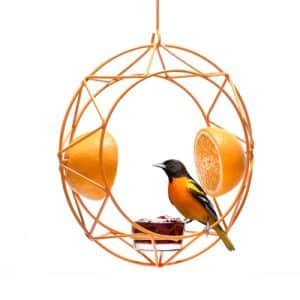
Are you looking to boost your bird’s health with the right nutrition? Vitamin A plays a key role in keeping your feathered friend vibrant and energetic.
But do you know which foods are packed with this essential nutrient? Knowing what foods have vitamin A for birds can make a big difference in their immune system, vision, and overall well-being. Keep reading to discover simple, tasty options that will help your bird thrive every day.
Importance Of Vitamin A For Birds
Vitamin A is essential for birds’ health and well-being. It helps keep their eyes, skin, and feathers strong.
Without enough vitamin A, birds may get sick or have trouble seeing. It also supports their immune system to fight infections.
Role Of Vitamin A In Bird Health
Vitamin A supports good vision and healthy skin in birds. It helps their body heal wounds and stay protected from diseases.
Common Signs Of Vitamin A Deficiency
Birds lacking vitamin A may have swollen eyes or breathing problems. Their feathers can look dull and dry. They may also lose appetite.
- Swollen or red eyes
- Breathing difficulties
- Dull feathers
- Poor appetite
- Frequent infections
Foods Rich In Vitamin A For Birds
Birds get vitamin A from many fruits and vegetables. Dark green and orange foods have the most vitamin A.
| Food | Vitamin A Source |
| Carrots | High in beta-carotene |
| Sweet potatoes | Rich in beta-carotene |
| Spinach | Contains vitamin A |
| Kale | Good vitamin A source |
| Butternut squash | High vitamin A content |
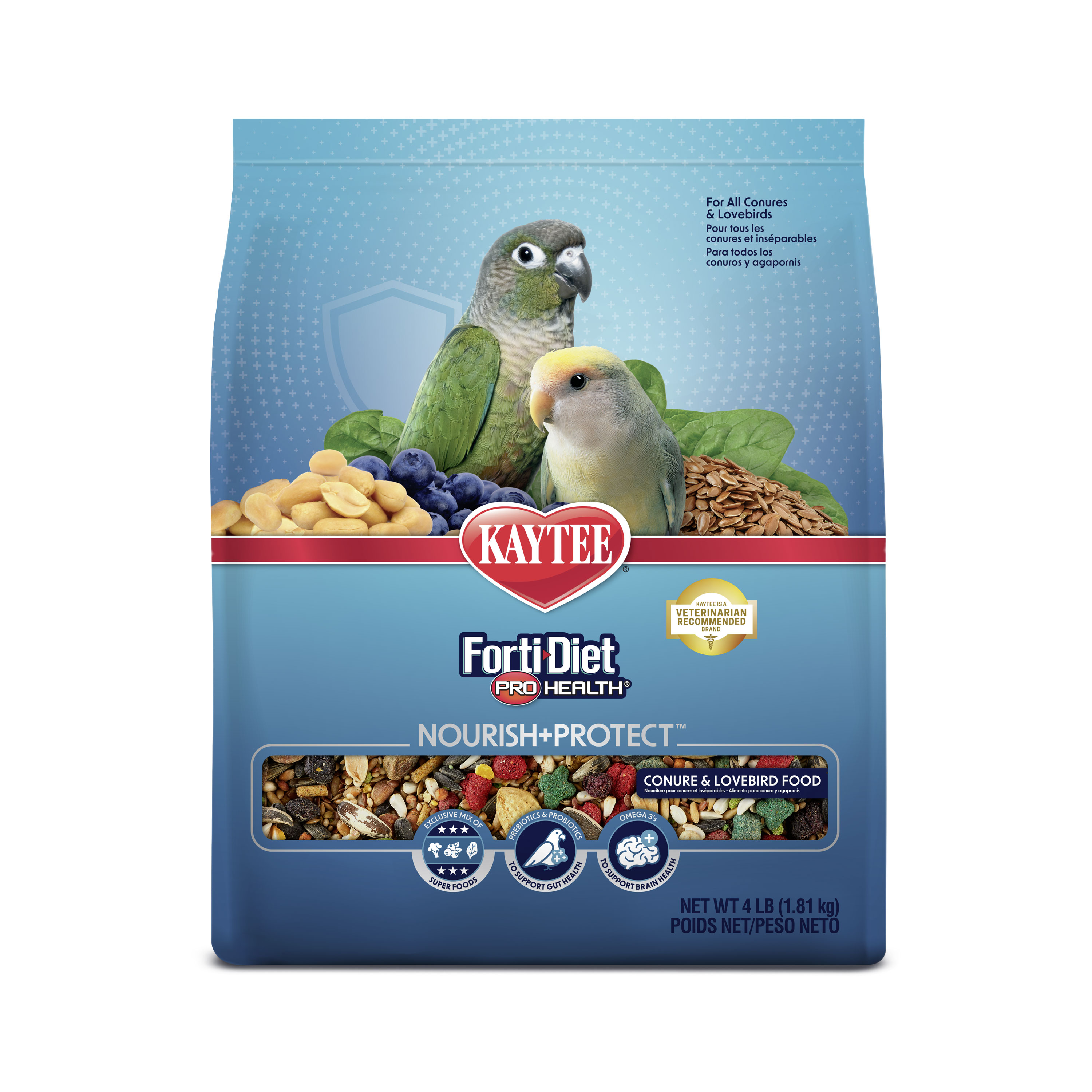
Credit: www.kaytee.com
Signs Of Vitamin A Deficiency In Birds
Vitamin A is important for birds’ health. It helps their eyes, skin, and immune system. Birds need enough vitamin A to stay strong and active.
If birds do not get enough vitamin A, they show signs of illness. Watching these signs helps bird owners act early.
Eye Problems
Birds lacking vitamin A often have eye issues. Their eyes may look swollen or watery. They can also have trouble seeing well.
Respiratory Issues
Vitamin A deficiency can cause breathing problems. Birds may sneeze a lot or have nasal discharge. Their breathing might sound noisy or labored.
Skin And Feather Changes
Birds with low vitamin A may have dry or flaky skin. Their feathers can look dull and break easily. These changes show their health is weak.
Behavioral And Appetite Changes
Vitamin A deficiency affects how birds act. They may eat less and feel tired. Some birds become less active and more quiet than usual.
Common Signs Of Vitamin A Deficiency
- Swollen or watery eyes
- Sneezing and nasal discharge
- Dry, flaky skin
- Dull or broken feathers
- Reduced appetite
- Lethargy or less activity
Fruits Rich In Vitamin A For Birds
Vitamin A is essential for birds’ health. It helps keep their eyes and feathers strong.
Many fruits provide this important nutrient. Feeding birds these fruits supports their immune system.
Papaya
Papaya is a great source of vitamin A for birds. It contains beta-carotene, which birds convert into vitamin A.
Offer ripe papaya in small pieces. It also provides fiber and hydration for your bird.
Mango
Mangoes are sweet and rich in vitamin A. They support birds’ vision and skin health.
- Peel the mango before serving.
- Cut into bite-sized pieces for easy eating.
- Feed fresh mango in moderation.
Cantaloupe
Cantaloupe is another fruit high in vitamin A. It also provides vitamins C and B.
| Fruit | Vitamin A (IU per 100g) | Other Nutrients |
|---|---|---|
| Papaya | 950 | Vitamin C, Fiber |
| Mango | 1082 | Vitamin C, Vitamin E |
| Cantaloupe | 3382 | Vitamin C, Potassium |

Credit: hari.ca
Vegetables High In Vitamin A
Vitamin A is important for birds’ health. It helps their eyes, feathers, and immune system. Many vegetables contain vitamin A that birds can eat safely.
Here are some common vegetables rich in vitamin A that you can offer to your birds. Each vegetable has unique benefits and ways to serve.
Carrots
Carrots are a great source of vitamin A for birds. They contain beta-carotene, which the body converts into vitamin A. Birds enjoy the crunchy texture of raw carrots.
- Serve chopped or grated carrots for easy eating.
- Offer raw or lightly steamed carrots.
- Carrots support healthy feathers and eyesight.
Sweet Potatoes
Sweet potatoes have high amounts of vitamin A. They are soft and sweet, which many birds like. Cook them before feeding to make digestion easier.
| Preparation | Benefit |
| Baked or boiled | Easy to digest |
| Peel before cooking | Remove tough skin |
| Cool before serving | Safe temperature |
Spinach
Spinach is rich in vitamin A and other nutrients. It is best to offer fresh spinach leaves in small amounts. Too much spinach can cause health issues.
Tips for feeding spinach to birds:
- Wash leaves thoroughly
- Chop leaves into small pieces
- Limit to a few leaves per day
Leafy Greens As Vitamin A Sources
Leafy greens are a good source of vitamin A for birds. This vitamin helps keep their eyes and feathers healthy.
Many birds enjoy eating fresh greens. These foods add color and nutrition to their diet.
Kale
Kale is a rich green that contains lots of vitamin A. Birds like its soft leaves and mild taste.
It also has vitamins C and K. This makes it a healthy treat for many bird species.
Collard Greens
Collard greens are thick and full of vitamin A. Birds enjoy nibbling on these leaves.
They are also high in fiber. This helps birds with their digestion and energy.
Dandelion Greens
Dandelion greens have a good amount of vitamin A. They also provide calcium and iron for birds.
Many birds like the slightly bitter taste. These greens can add variety to their meals.

Credit: candcpawsome.com
Seeds And Nuts With Vitamin A Content
Vitamin A is important for birds’ vision and immune health. Many seeds and nuts provide this nutrient naturally.
Feeding birds seeds and nuts rich in vitamin A helps keep them active and healthy.
Sunflower Seeds
Sunflower seeds are a favorite food for many bird species. They contain beta-carotene, a form of vitamin A.
- Provide energy and nutrients
- Support healthy feathers and skin
- Help boost the immune system
Pumpkin Seeds
Pumpkin seeds are another great source of vitamin A for birds. They also contain minerals like zinc and iron.
| Seed Type | Vitamin A Content (IU per 100g) | Key Benefits |
| Sunflower Seeds | 50 | Boosts vision and skin health |
| Pumpkin Seeds | 40 | Supports immune system and energy |
Supplementing Vitamin A In Bird Diets
Vitamin A is important for birds’ health. It helps their eyes, skin, and immune system.
Birds get vitamin A from foods, but sometimes they need extra supplements. This keeps them strong and healthy.
Commercial Vitamin A Supplements
Commercial supplements provide vitamin A in controlled amounts. They are made for different bird species.
These supplements come as powders, liquids, or pellets. They can be mixed into bird food or water.
- Powder supplements mix easily with dry food
- Liquid forms are added to drinking water
- Pellets have balanced vitamins and minerals
- Check the label for correct dosage
Safe Feeding Practices
Feed birds a balanced diet with vitamin A-rich foods. Offer fresh fruits and vegetables like carrots and leafy greens.
Avoid giving too much vitamin A. Over-supplementing can harm birds. Follow feeding instructions carefully.
- Introduce new foods slowly
- Provide clean water daily
- Keep supplements away from moisture
- Watch for signs of vitamin A deficiency or excess
Foods To Avoid For Birds
Birds need healthy food for good health. Some foods can harm them or cause sickness.
Knowing which foods to avoid helps keep your birds safe and happy.
Chocolate And Caffeine
Chocolate and caffeine contain toxins that are very dangerous for birds. Even small amounts can cause serious problems.
Avocado
Avocado has a substance called persin. This can cause breathing trouble and heart failure in birds.
Onions And Garlic
Onions and garlic can damage bird’s red blood cells. This may lead to anemia and weakness.
Foods High In Salt And Sugar
- Salt can cause dehydration and kidney damage.
- Sugar leads to obesity and digestive problems.
- Avoid salty snacks and sweets for your birds.
Alcohol
Alcohol affects the bird’s nervous system. It can cause vomiting, poor coordination, or death.
Raw Beans And Peas
| Food | Risk |
| Raw kidney beans | Contains toxins harmful to birds |
| Raw peas | Hard to digest, may cause stomach upset |
Frequently Asked Questions
What Are The Best Foods Rich In Vitamin A For Birds?
Foods like carrots, sweet potatoes, spinach, and kale are rich in Vitamin A for birds. These vegetables help maintain healthy eyesight and immune function.
Can Birds Get Vitamin A From Fruits?
Yes, birds can get Vitamin A from fruits such as mangoes, papayas, and cantaloupes. These fruits provide essential nutrients that support their overall health.
Why Is Vitamin A Important For Birds?
Vitamin A supports birds’ vision, skin, and immune system. A deficiency can lead to health issues like poor feather condition and respiratory problems.
How Often Should Birds Eat Vitamin A Rich Foods?
Birds should consume Vitamin A rich foods daily or several times a week. Consistent intake ensures they receive enough nutrients for optimal health.
Conclusion
Birds need vitamin A for good health. It supports their vision and skin. Leafy greens like kale are rich in vitamin A. Carrots and sweet potatoes are great choices too. These foods boost their immune system. Offer them in moderation for balanced nutrition.
Keep their diet varied and fresh. This ensures your birds get all necessary nutrients. Watch for signs of deficiency. These include dull feathers and poor vision. Adjust their diet if needed. A healthy diet keeps your birds happy and vibrant.
Your feathered friends will thank you with lively chirps and bright colors.