Are you wondering what fruits are safe and healthy for your feathered friend? Choosing the right fruits can boost your bird’s energy, brighten their feathers, and keep them happy.
But not all fruits are good for every bird, and some can even be harmful. You’ll discover which fruits you should feed your bird to give them the best nutrition and enjoy their company even more. Keep reading to find out the tasty options your bird will love—and the ones to avoid!

Credit: www.reddit.com
Benefits Of Fruits For Birds
Fruits are an important part of a bird’s diet. They provide essential nutrients that help birds stay healthy. Feeding birds the right fruits supports their overall well-being.
Many fruits contain vitamins and minerals that birds need daily. These nutrients help with growth, energy, and immune support. Including fruits in their diet keeps birds active and happy.
Nutritional Value
Fruits offer many nutrients that birds need. These include vitamins A, C, and E, plus minerals like potassium and calcium. These nutrients help birds maintain good health and strong bones.
- Vitamin A helps with vision and skin health.
- Vitamin C boosts the immune system.
- Calcium strengthens bones and beaks.
- Potassium supports muscle function.
Improved Digestion
Fruits contain fiber that aids digestion in birds. Fiber helps move food smoothly through the digestive system. This prevents constipation and keeps the gut healthy.
| Fruit | Fiber Content (g per 100g) |
| Apple | 2.4 |
| Banana | 2.6 |
| Pear | 3.1 |
| Blueberries | 2.4 |
Enhanced Feather Health
Fruits rich in vitamins help birds keep their feathers bright and strong. Vitamin E and antioxidants fight damage and support feather growth. Feeding fruits regularly improves feather condition.
Best fruits for feather health:
- Mangoes
- Oranges
- Strawberries
- Kiwi
Safe Fruits For Birds
Feeding fruits to birds is a healthy way to add variety to their diet. Many fruits provide essential vitamins and hydration.
It is important to choose fruits that are safe for birds to eat. Some fruits can be harmful or toxic to them.
Apples And Pears
Apples and pears are good fruits for birds. They are rich in vitamins and water content.
Always remove the seeds before feeding. Apple and pear seeds contain small amounts of cyanide which can be harmful.
- Wash the fruit to remove pesticides
- Cut into small pieces for easy eating
- Remove seeds and core
Berries
Berries like strawberries, blueberries, and raspberries are safe for birds. They have antioxidants and vitamins.
Berries are soft and easy to eat. They are also low in calories and high in water.
- Rinse berries before serving
- Offer fresh or frozen berries
- Avoid moldy or spoiled berries
Melons
Melons such as watermelon, cantaloupe, and honeydew are safe for birds. They have high water content.
Melons help keep birds hydrated, especially on hot days. Remove seeds before feeding.
- Cut into small, manageable pieces
- Remove all seeds and rind
- Serve fresh melon for best taste
Citrus Fruits
Citrus fruits like oranges, mandarins, and tangerines are safe for many birds in small amounts. They contain vitamin C.
Some birds may not like citrus because of the strong taste. Offer small pieces to see if they enjoy it.
- Peel the fruit and remove seeds
- Cut into small sections
- Do not overfeed citrus fruits
Fruits To Avoid
Feeding your bird the right fruits keeps it healthy and happy. Some fruits can be harmful or cause health problems. Learn which fruits to avoid to keep your bird safe.
Not all fruits are safe for birds. Some contain toxins, dangerous seeds, or too much sugar. It is important to know which fruits to skip.
Toxic Fruits
Some fruits have parts that are poisonous to birds. These can cause serious illness or even death. Avoid feeding any fruit that contains toxic compounds.
Examples of toxic fruits include:
- Avocado – contains persin, which is deadly to many birds
- Rhubarb – leaves and stems are harmful
- Tomatoes – green parts and unripe fruit can be toxic
- Fruit seeds and pits from some fruits (see next section)
Fruits With Pits And Seeds
Many fruits have seeds or pits that can be dangerous. Some seeds contain cyanide, which is toxic to birds. Always remove seeds and pits before feeding.
Common fruits with risky pits or seeds:
- Cherries
- Peaches
- Plums
- Apricots
- Apples (remove seeds)
Even small amounts of these seeds can harm birds. Remove all pits and seeds carefully before offering these fruits.
Overly Sugary Options
Some fruits have very high sugar content. Too much sugar can cause health problems in birds. Avoid feeding fruits that are mostly sugar.
Fruits with high sugar levels include:
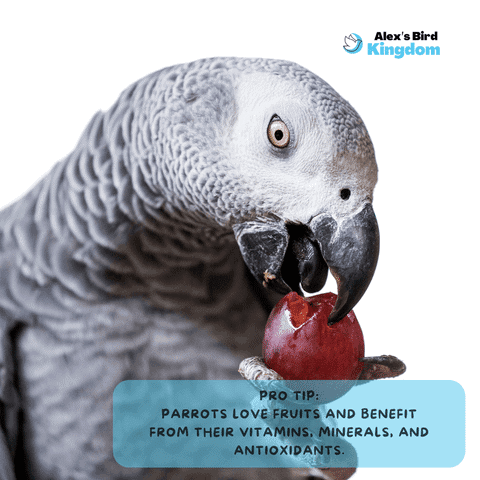
- Grapes
- Bananas
- Figs
- Dates
- Raisins
Offer sugary fruits only in small amounts as treats. Balance with other healthy foods to keep your bird well-nourished.

Credit: abirdtoy.com
Preparing Fruits For Your Bird
Feeding fruits to your bird is a great way to add variety to its diet. Proper preparation ensures the fruit is safe and healthy for your pet.
Learn how to wash, cut, and store fruits before serving them to your feathered friend.
Washing And Cleaning
Always wash fruits thoroughly to remove dirt, pesticides, and bacteria. Use clean, cold water and gently scrub the skin if needed.
- Rinse fruits under running water
- Use a soft brush for firm-skinned fruits
- Do not use soap or chemicals
- Pat dry with a clean towel or paper towel
Cutting And Serving Sizes
Cut fruits into small, bite-sized pieces. This prevents choking and makes it easy for your bird to eat.
| Fruit | Recommended Size |
|---|---|
| Apple | Small cubes or thin slices |
| Banana | Small chunks |
| Grapes | Halved or quartered |
| Berries | Whole, if small |
| Pears | Small cubes |
Storage Tips
Store prepared fruits properly to keep them fresh and safe for your bird.
- Keep cut fruits in airtight containers
- Refrigerate fruits to slow spoilage
- Use fruits within 24 hours
- Remove uneaten fruit to prevent mold
Introducing Fruits To Your Bird’s Diet
Fruits are a healthy treat for many birds. They provide vitamins and natural sugars birds need.
Adding fruits to your bird’s diet takes care and planning. Start slowly to keep your bird safe.
Gradual Introduction
Start by offering small pieces of fruit to your bird. This helps the bird get used to new tastes.
Try one fruit at a time to see if your bird likes it. Small amounts reduce the chance of upset stomach.
- Begin with familiar fruits like apple or banana
- Cut fruits into small, bite-sized pieces
- Offer fruit once a day at first
Monitoring Reactions
Watch your bird carefully after feeding new fruits. Look for changes in behavior or digestion.
If your bird shows signs of illness, stop giving that fruit. Contact a vet if problems continue.
- Check for diarrhea or vomiting
- Notice if your bird avoids the fruit
- Observe energy levels and mood
Balancing With Other Foods
Fruits should be part of a balanced diet. They cannot replace seeds, pellets, or vegetables.
Offer fruits as treats or supplements. Make sure your bird gets all needed nutrients daily.
- Provide a variety of fruits and vegetables
- Include seeds or pellets for protein
- Keep fresh water available at all times
Seasonal Fruit Choices
Feeding your bird fresh fruit is a great way to give them vitamins and taste variety. Different fruits grow in different seasons. This means you can offer your bird new flavors throughout the year.
Choosing fruits that match the season helps keep your bird’s diet fresh and healthy. It also makes feeding time more fun for your feathered friend.
Summer Favorites
Summer brings many sweet and juicy fruits perfect for birds. These fruits are full of water, which helps keep your bird hydrated in hot weather.
Offer fruits that are easy to digest and safe for birds. Always wash fruits well and cut them into small, bite-sized pieces.
- Watermelon – juicy and refreshing
- Blueberries – small and full of antioxidants
- Mango – soft and sweet
- Peach – ripe and fragrant
- Strawberries – colorful and tasty
Winter Options
Winter fruits are often more dense and provide energy. These fruits can help your bird stay warm and healthy in cold months.
Choose fruits that store well and have good nutrients. Some fruits may need to be thawed if frozen.
- Apples – crisp and rich in fiber
- Pears – soft and juicy
- Oranges – full of vitamin C
- Pomegranates – packed with antioxidants
- Kiwis – tangy and vitamin-rich
Year-round Picks
Some fruits are available all year. These fruits are safe and healthy choices anytime you want to feed your bird fresh treats.
Keep these fruits in your bird’s diet to add variety and nutrients every day.
- Bananas – soft and easy to eat
- Grapes – small and sweet
- Carrots (technically a root, but loved by birds)
- Papaya – tropical and rich in enzymes
- Cantaloupe – mild and hydrating
Fruits That Boost Bird Immunity
Feeding birds the right fruits helps keep them healthy. Some fruits have nutrients that strengthen their immune systems.
Birds need a good diet to fight off sickness. Fruits with vitamins and antioxidants are great choices.
Vitamin C Rich Fruits
Vitamin C helps birds fight infections and heal wounds. It supports their immune cells and overall health.
Good fruits with vitamin C include oranges, strawberries, and kiwi. These fruits are tasty and healthy for birds.
- Oranges provide a strong dose of vitamin C
- Strawberries are full of vitamin C and fiber
- Kiwi contains vitamin C and helps digestion
Antioxidant Sources
Antioxidants protect bird cells from damage by harmful molecules. They keep birds strong and healthy.
Blueberries, blackberries, and grapes have many antioxidants. These fruits help birds reduce stress on their bodies.
- Blueberries contain flavonoids that fight free radicals
- Blackberries offer vitamins and antioxidants
- Grapes provide antioxidants and energy
Hydration Benefits
Fruits with high water content keep birds hydrated. Water helps their organs work well and flush toxins.
Watermelon, cucumber, and cantaloupe are good hydration fruits. They cool birds and support their health.
- Watermelon has over 90% water and natural sugars
- Cucumber is refreshing and full of water
- Cantaloupe provides water and vitamins

Credit: www.reddit.com
Common Mistakes When Feeding Fruits
Fruits are a healthy treat for birds, but feeding them wrong can cause problems. Knowing common mistakes helps keep your bird safe and happy.
Giving the right fruits in the right way ensures your bird gets the best nutrition. Avoid these common errors when feeding fruits.
Overfeeding
Giving too many fruits can upset your bird’s stomach. Fruits have natural sugars that may cause health issues if eaten too much.
Offer fruits as a small part of your bird’s diet. Balance fruits with seeds, vegetables, and pellets for good nutrition.
- Limit fruit treats to about 10% of the daily diet
- Watch for signs of weight gain or loose stool
- Remove uneaten fruit quickly to avoid spoilage
Ignoring Allergies
Some birds can be allergic to certain fruits. Allergies cause itching, swelling, or breathing problems.
Introduce new fruits slowly and watch your bird’s reaction. Stop feeding any fruit that causes discomfort.
- Start with small pieces of new fruit
- Check for redness or swelling around the mouth
- Note any changes in behavior or appetite
Using Pesticide-treated Fruits
Fruits treated with pesticides can harm your bird’s health. Birds are sensitive to chemicals that humans tolerate.
Always wash fruits well or choose organic options. This reduces the risk of exposing your bird to toxic substances.
- Rinse fruits under running water for at least 30 seconds
- Peel fruits if possible to remove surface chemicals
- Buy organic fruits when you can
Frequently Asked Questions
What Fruits Are Safe For Most Pet Birds?
Safe fruits for pet birds include apples, bananas, berries, grapes, and melons. Avoid avocado and fruit seeds. Always wash fruits thoroughly to remove pesticides and cut into small, manageable pieces for easy consumption.
How Often Should I Feed Fruits To My Bird?
Feed fruits to your bird 2-3 times a week as treats or supplements. Fruits provide essential vitamins and hydration but should not replace a balanced seed or pellet diet.
Can Birds Eat Citrus Fruits Regularly?
Citrus fruits like oranges and lemons can be given occasionally. They are rich in vitamin C but may cause digestive upset if fed in large amounts. Moderation is key for a healthy diet.
Are Dried Fruits Good For Birds?
Dried fruits like raisins and apricots are nutritious but high in sugar. Offer them sparingly to prevent obesity and dental issues. Always choose unsweetened, preservative-free options for your bird’s health.
Conclusion
Feeding your bird the right fruits is important. It keeps them healthy and happy. Choose fruits like apples, bananas, and berries. These are safe and nutritious. But always wash them well before feeding. Avoid fruits with seeds or pits. They can be harmful.
Variety is key. Offer different fruits for a balanced diet. Watch your bird’s reactions. Adjust their diet if needed. A healthy bird is a joyful companion. So, pay attention to their needs. Happy bird feeding!