Are you ready to attract more colorful birds to your backyard? Choosing the right grains for your bird feeder can make all the difference.
The grains you put out don’t just feed birds—they invite a variety of species to visit your space. But which grains work best? You’ll discover simple, effective options that will have birds flocking to your feeder day after day. Keep reading to find out how to turn your bird feeder into a lively, feathered hotspot.
Best Seeds For Bird Feeders
Feeding birds is a fun way to enjoy nature. Choosing the right seeds helps attract many birds.
Different birds prefer different seeds. Using a mix can bring more bird species to your feeder.
Sunflower Seeds
Sunflower seeds are popular for many birds. They have a high oil content that gives energy.
Black oil sunflower seeds are easier for small birds to crack open. They attract finches, chickadees, and cardinals.
Millet
Millet is a small, round seed that many ground-feeding birds like. It is especially good for sparrows and doves.
White proso millet is the most common type used in bird feeders. It is easy for small birds to eat.
Safflower Seeds
Safflower seeds have a tough shell that some birds enjoy. They are good for cardinals and grosbeaks.
These seeds are less attractive to squirrels and blackbirds, making them useful for selective feeding.
Nyjer Seeds
Nyjer seeds are tiny and rich in oil. They attract finches like goldfinches and redpolls.
Because of their size, nyjer seeds need special feeders with small holes to keep the seeds inside.
Popular Grains For Attracting Birds
Many birds enjoy eating grains. Choosing the right grains helps attract a variety of birds to your feeder.
Grains provide energy and nutrients birds need. Here are some popular grains to put in your bird feeder.
Cracked Corn
Cracked corn is a favorite for many ground-feeding birds. It is easy for birds to eat and digest.
Birds like doves, quails, and sparrows enjoy cracked corn. It also attracts larger birds like jays and turkeys.
- Good for ground feeders
- Affordable and easy to find
- Should be offered in moderation
Oats
Oats are soft grains that many birds like. You can offer rolled oats or whole oats in feeders.
Chickadees, finches, and sparrows enjoy oats. Oats provide good nutrition and energy for birds.
- Easy for small birds to eat
- Can be mixed with other grains
- Keep oats dry to prevent mold
Wheat Berries
Wheat berries are whole wheat kernels. Many birds like to crack and eat them.
Birds such as grosbeaks, juncos, and sparrows enjoy wheat berries. They offer good protein and energy.
- Attracts a wide variety of birds
- Harder grains, so good for strong beaks
- Store in a cool, dry place
Choosing Grains For Different Bird Species
Feeding birds can be fun and helpful. Different birds like different grains. Choosing the right grains attracts many bird types to your feeder.
Knowing which grains suit each bird helps you feed them well. It also keeps the birds healthy and happy in your yard.
Seeds For Finches And Sparrows
Finches and sparrows enjoy small, lightweight seeds. These seeds are easy for them to eat and carry.
Black oil sunflower seeds are a favorite. They have thin shells and lots of nutrition. Nyjer seed is also popular for finches.
- Black oil sunflower seeds
- Nyjer (thistle) seeds
- Millet
- Canary seeds
Grains For Doves And Pigeons
Doves and pigeons prefer larger, heavier grains. They like to feed on the ground or low feeders.
Whole corn, cracked corn, and wheat work well. These grains are easy for doves to peck and digest.
- Whole corn
- Cracked corn
- Wheat
- Safflower seeds
Mixes For Songbirds
Songbirds enjoy a mix of different seeds. A variety gives them choice and balanced nutrition.
Good mixes include sunflower seeds, millet, and cracked corn. Avoid large seeds that some songbirds cannot eat easily.
- Black oil sunflower seeds
- White proso millet
- Cracked corn
- Safflower seeds
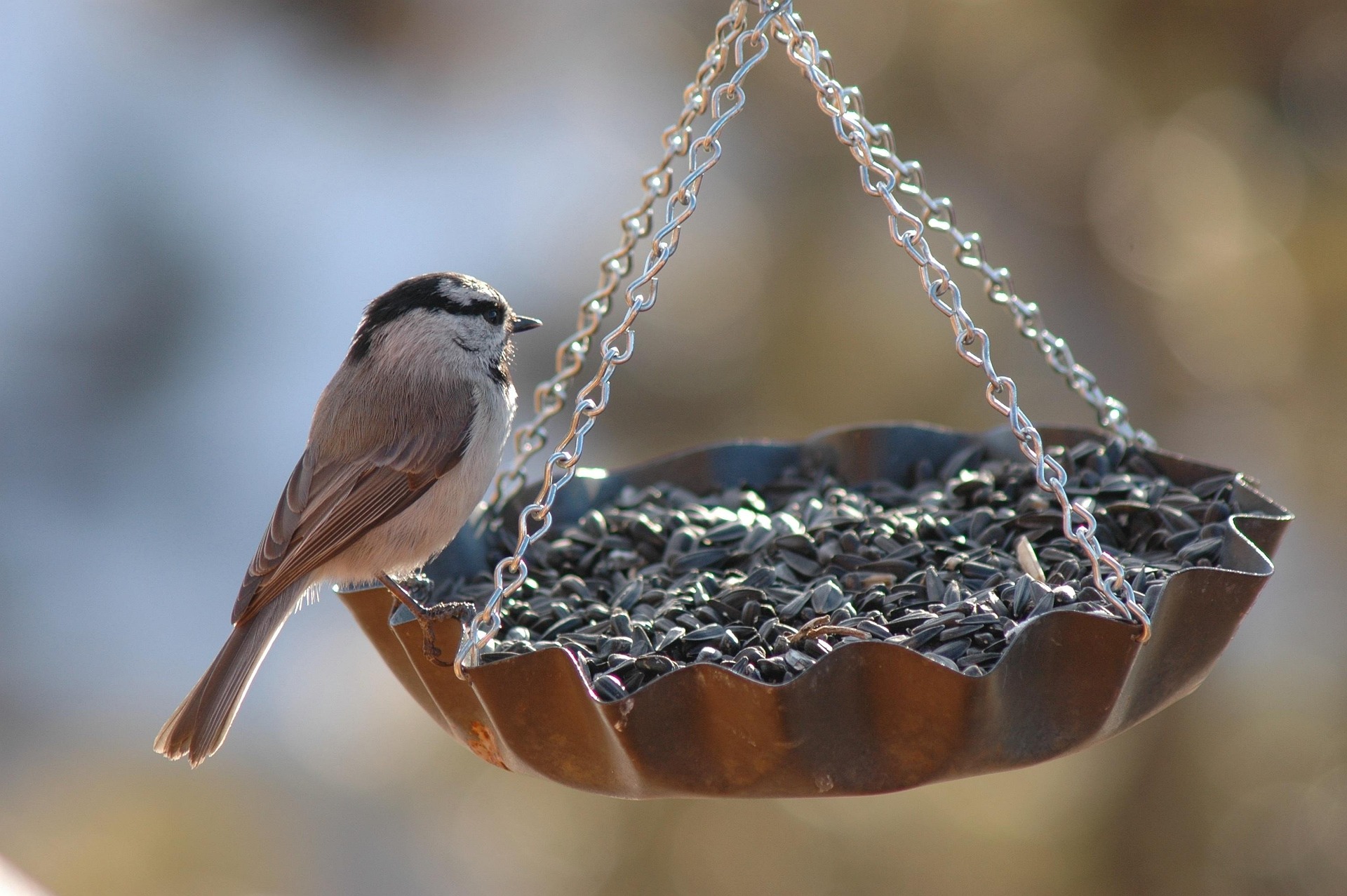
Credit: chirpforbirds.com
Avoiding Harmful Grains And Additives
Choosing the right grains for your bird feeder keeps birds healthy. Some grains and additives can harm wild birds.
Learn which grains to avoid and why salt and preservatives are bad for birds.
Grains To Skip
Some grains are not safe for birds. Avoid feeding these to protect their health.
- Wheat with mold or fungus, as it can cause illness
- Rye and barley, which are hard for many birds to digest
- Corn that is treated with pesticides or old and moldy
- Grains mixed with colored coatings or artificial flavors
Avoiding Salt And Preservatives
Salt and preservatives in bird feed can cause serious health problems. These additives should never be in bird food.
| Additive | Potential Harm |
|---|---|
| Salt | Can cause dehydration and kidney damage |
| Preservatives | May lead to toxic buildup in birds |
| Artificial Colors | Can cause allergic reactions or illness |
| Flavor Enhancers | May upset birds’ natural diet and digestion |
Tips For Filling And Maintaining Feeders
Choosing the right grains for your bird feeder helps attract many types of birds. Proper care of feeders keeps birds healthy and coming back.
Filling and maintaining feeders is easy when you follow some simple tips. Keep your feeder clean and fresh for the best results.
Keeping Feeders Clean
Clean feeders prevent disease and keep birds safe. Use warm water and mild soap to wash feeders regularly.
Rinse feeders well and let them dry before refilling. Avoid strong chemicals that can harm birds.
- Remove old seeds before cleaning
- Scrub all parts, including corners
- Dry completely to stop mold growth
Refilling Frequency
Refill feeders often to provide fresh food. Check feeders daily, especially in busy seasons like winter.
Empty old seeds before adding new grains. This keeps the food tasty and safe for birds to eat.
- Refill small amounts to avoid waste
- Watch for leftover seeds or shells
- Adjust refilling based on bird visits
Preventing Mold And Spoilage
Mold grows quickly in wet or old seeds. Keep feeders dry and remove damp seeds right away.
Store extra grains in a cool, dry place. Use fresh grains to keep birds healthy and happy.
- Do not let water collect inside feeders
- Check feeders after rain or snow
- Discard seeds that look moldy or smell bad
Credit: www.sbfprize.org

Credit: www.wildlifenomads.com
Frequently Asked Questions
What Grains Attract The Most Birds To Feeders?
Black oil sunflower seeds, millet, and cracked corn attract the most birds. These grains are nutrient-rich and easy to eat, appealing to many bird species. Including a mix can attract a wider variety of birds to your feeder.
Can I Use Cooked Grains In Bird Feeders?
Cooked grains are not recommended for bird feeders. They can spoil quickly and cause mold growth, which harms birds. Always use dry, raw grains to ensure bird safety and maintain feeder cleanliness.
Which Grains Are Safe For Small Birds?
Millet, sorghum, and finely cracked corn are safe for small birds. These grains are easy to handle and digest. Avoid large or hard seeds that small birds may struggle to eat.
How Often Should I Refill Grain In Bird Feeders?
Refill bird feeders when the grains run low or every few days. Fresh grains prevent mold and spoilage. Regular refilling keeps birds returning to your feeder consistently.
Conclusion
Choosing the right grains for your bird feeder is crucial. Birds need nutritious grains to thrive. Millet, sunflower seeds, and cracked corn are great options. They attract various bird species to your garden. Keep your feeder clean and dry for healthy birds.
Regularly check and refill grains for active feeders. Different grains attract different birds. Experiment with combinations to see what works. Enjoy watching your feathered friends visit. Their presence brings joy and vitality to your space. A well-stocked feeder helps birds and delights humans.
Happy birdwatching!