Imagine waking up one morning with a simple sneeze or a slight cough. Nothing unusual, right?
But what if these symptoms are the start of something more serious, like bird flu? It’s crucial to understand what happens if you get bird flu, as it can affect not just your health but also those around you. You might be wondering how this could happen and what steps you should take next.
This isn’t just about being informed; it’s about being prepared. Dive into this article to discover the facts and empower yourself with the knowledge to protect your well-being and that of your loved ones. Don’t let uncertainty leave you vulnerable—keep reading to uncover the truth about bird flu.
Bird Flu Basics
Bird flu is a type of virus that spreads among birds. It can sometimes infect people and cause sickness.
Knowing how the virus works helps to understand the risks and how to stay safe.
Virus Types
Bird flu viruses belong to the influenza virus group. They have many types, called subtypes.
These subtypes are named H and N with numbers, like H5N1 or H7N9. Some types are more harmful to humans.
- H5N1 – Highly dangerous to birds and humans
- H7N9 – Causes illness in people
- H5N8 – Mostly affects birds, rare in humans
Transmission Methods
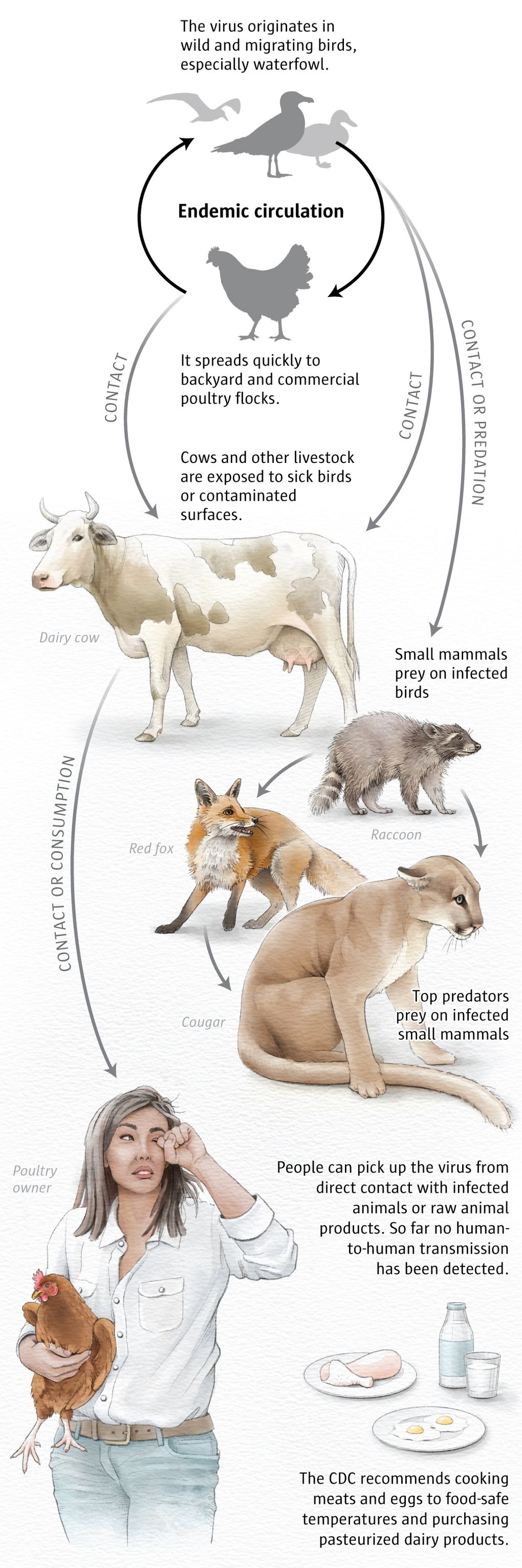
Bird flu spreads mainly through contact with infected birds or their droppings. It can also spread in other ways.
People get infected by touching sick birds, contaminated surfaces, or breathing in the virus from the air.
- Direct contact with infected birds
- Touching bird droppings or secretions
- Breathing virus particles in crowded places
Affected Species
Bird flu mainly affects wild birds and poultry like chickens and ducks. Some mammals can also get infected.
Humans are not the usual host but can catch the virus from birds. Pets and farm animals may also be at risk.
- Wild waterfowl (ducks, geese)
- Domestic poultry (chickens, turkeys)
- Mammals (pigs, cats, humans in rare cases)
Symptoms To Watch
Bird flu is a viral infection that can affect people. Knowing the symptoms helps in early detection and care.
Symptoms vary from mild to severe. Watch closely if you suspect bird flu.
Early Signs
Early signs of bird flu are similar to regular flu. They usually appear within a few days of infection.
Common early symptoms include fever, cough, and sore throat. You may also feel tired and have muscle pain.
- High fever above 38°C (100.4°F)
- Cough and sore throat
- Runny or stuffy nose
- Body aches and fatigue
- Headache
Severe Symptoms
Severe symptoms show if the infection worsens. These need urgent medical help.
Breathing problems and chest pain are serious signs. You may also have diarrhea or confusion.
- Difficulty breathing or shortness of breath
- Chest pain or tightness
- Severe cough with blood
- Extreme fatigue or weakness
- Confusion or dizziness
- Diarrhea or vomiting
Symptom Duration
Symptoms of bird flu can last from a few days to weeks. Mild cases recover faster.
Severe cases may take longer and need hospital care. Some symptoms can remain after recovery.
- Mild symptoms: 5 to 7 days
- Severe symptoms: 2 to 3 weeks or more
- Recovery may take longer with complications
Health Risks
Bird flu is a virus that can spread from birds to people. It can cause serious health problems.
Understanding the health risks helps people stay safe and get the right care.
Complications
Bird flu can lead to many health problems beyond the flu symptoms. It affects the lungs and other organs.
Complications may include pneumonia and breathing difficulties. In some cases, the infection can be life-threatening.
- Severe pneumonia causing breathing failure
- Organ failure, such as kidney or liver problems
- Secondary bacterial infections
- Respiratory distress syndrome
High-risk Groups
Some people are more likely to get very sick from bird flu. These groups need extra care and attention.
Older adults and young children have weaker immune systems. People with other illnesses are also at higher risk.
- Older adults aged 65 and above
- Children under 5 years old
- People with chronic diseases like diabetes or asthma
- Pregnant women
- People with weak immune systems
Potential Outcomes
Bird flu infections can end in different ways. Quick treatment can help prevent serious problems.
Some people recover fully, but others may face long hospital stays or death. Early care improves chances.
- Full recovery with proper medical care
- Long-term lung damage
- Need for intensive care or ventilation
- Death in severe cases

Credit: news.asu.edu
Diagnosis Process
Bird flu, or avian influenza, affects the respiratory system. Early diagnosis helps in proper treatment.
Doctors follow specific steps to confirm if a person has bird flu. These steps check symptoms and test samples.
Medical Testing
Medical testing is important to find the bird flu virus in the body. Tests use samples from the throat or nose.
Common tests include rapid flu tests and lab-based PCR tests. PCR tests are more accurate and detect the virus’s genetic material.
- Throat swab or nasal swab collection
- Rapid antigen tests for quick results
- Polymerase chain reaction (PCR) tests for confirmation
- Blood tests to check immune response
Differential Diagnosis
Bird flu symptoms are like other flu illnesses. Doctors rule out other infections before confirming bird flu.
They check for seasonal flu, common cold, and pneumonia. This helps avoid wrong treatment and ensures the right care.
- Seasonal influenza infection
- Common cold viruses
- Bacterial pneumonia
- Other respiratory infections
When To Seek Help
Seek medical help if you have bird flu symptoms and recent contact with birds or flu patients. Early care prevents complications.
Call a doctor if you have fever, cough, sore throat, or difficulty breathing. Inform them about any bird exposure.
- High fever lasting more than two days
- Persistent cough and sore throat
- Shortness of breath or chest pain
- Close contact with infected birds or people
Treatment Options
Bird flu is a serious illness caused by a virus. People who get bird flu need treatment quickly. This helps reduce symptoms and prevent complications.
Treatment depends on how bad the infection is. Doctors use different ways to help patients recover.
Antiviral Medications
Antiviral drugs can fight the bird flu virus. They stop the virus from growing in the body. These medicines work best if taken early.
Common antiviral medications include oseltamivir and zanamivir. Doctors decide which one to use based on the patient’s condition.
- Start treatment within 48 hours of symptoms
- Follow doctor’s instructions for dosage
- Complete the full course of medication
Supportive Care
Supportive care helps the body fight the infection. It eases symptoms like fever, cough, and breathing problems. This care is important for recovery.
Patients need rest and plenty of fluids. Medicines may be given to reduce fever and pain. Oxygen therapy can help if breathing is hard.
- Rest to help the immune system
- Drink water to stay hydrated
- Use fever reducers like acetaminophen
- Oxygen support if breathing is difficult
Hospitalization Needs
Some bird flu patients need to stay in the hospital. This is true if symptoms are severe or if complications appear. Hospitals provide advanced care.
Hospital care may include breathing machines or intensive monitoring. Doctors watch for problems like pneumonia or organ failure. Early hospital care can save lives.
- Severe breathing problems may require ventilators
- Close monitoring in an intensive care unit (ICU)
- Treatment of complications like pneumonia
- Support for other organs if needed
Credit: www.seattletimes.com
Prevention Measures
Bird flu is a virus that spreads from birds to people. It can make people very sick. Taking steps to avoid it is very important.
Preventing bird flu helps protect you and others. Simple actions can stop the virus from spreading.
Avoiding Exposure
Stay away from places where infected birds live. Wild birds and poultry can carry the virus.
Do not touch sick or dead birds. Avoid bird markets if bird flu is reported there.
- Keep distance from poultry farms
- Do not handle birds without protection
- Wash hands after any contact with birds
Protective Practices
Wear gloves and masks when near birds. This lowers your chance of catching the virus.
Clean and disinfect clothes and tools after use. Avoid touching your face during work with birds.
- Use disposable gloves when handling birds
- Wear a mask to cover nose and mouth
- Wash hands often with soap and water
- Disinfect surfaces that birds touched
Vaccination Status
No bird flu vaccine is widely available for people. Scientists are working to develop one.
Stay updated on vaccines for seasonal flu. These help keep your immune system strong.
- Check with health officials for vaccine news
- Get seasonal flu shots every year
- Follow advice from health authorities
Global Impact
Bird flu is a serious illness that affects both birds and people. It can spread quickly and cause health problems worldwide.
When a person gets bird flu, it raises concerns about how it can affect many countries and communities.
Recent Outbreaks
There have been bird flu outbreaks in many countries recently. These outbreaks often start in birds but can spread to humans.
The outbreaks cause deaths in birds and sometimes in people too. This makes it a global health worry.
- Outbreaks reported in Asia, Europe, and Africa
- Many poultry farms affected
- Human cases reported in some areas
Public Health Response
Health organizations work fast to stop bird flu from spreading. They watch bird and human cases closely.
Actions include testing, isolating sick people, and controlling bird movement to keep the virus in check.
- Monitoring bird and human infections
- Vaccinating poultry in some places
- Educating the public about hygiene
- Preparing hospitals for possible cases
Future Concerns
Bird flu may change and become easier to spread between people. This could cause bigger outbreaks.
Experts watch the virus closely to prevent a global health crisis and to create better treatments and vaccines.
- Risk of the virus mutating
- Potential for human-to-human spread
- Need for global cooperation in response
- Importance of ongoing research and surveillance

Credit: m.economictimes.com
Frequently Asked Questions
What Are The Symptoms Of Bird Flu In Humans?
Bird flu symptoms in humans include fever, cough, sore throat, muscle aches, and eye infections. Severe cases can cause pneumonia and breathing difficulties. Early detection is crucial for effective treatment and preventing complications.
How Does Bird Flu Spread To Humans?
Bird flu spreads to humans mainly through direct contact with infected birds or their droppings. It can also spread via contaminated surfaces. Human-to-human transmission is rare but possible in close contact situations.
Can Bird Flu Be Treated In Humans?
Yes, bird flu can be treated with antiviral medications like oseltamivir. Early treatment improves recovery chances. Supportive care is also essential to manage symptoms and prevent complications.
Is Bird Flu Contagious Between Humans?
Bird flu rarely spreads between humans. Most cases result from bird-to-human contact. However, close and prolonged contact with an infected person may increase transmission risk.
Conclusion
Bird flu can cause serious illness in people. Early medical care helps prevent complications. Avoid contact with sick birds to stay safe. Watch for symptoms like fever and cough. Protect yourself by practicing good hygiene daily. Stay informed through trusted health sources always.
Taking simple steps can reduce the risk greatly. Stay alert and act quickly if symptoms appear. Health and safety depend on careful actions now.