Birds eat many types of insects to get the energy and nutrients they need. Insects form a big part of their diet, especially for young birds and small species.
Insects like beetles, caterpillars, ants, and flies provide birds with protein and fat. These insects are easy to find and catch in gardens, forests, and fields. Eating insects helps birds grow strong and stay healthy. Some birds eat only insects, while others mix them with seeds and fruits.
Understanding what insects birds eat shows how they survive and thrive in nature. It also helps gardeners and bird watchers know which birds visit and why. Watching birds hunt insects can be fun and teaches us about nature’s balance.
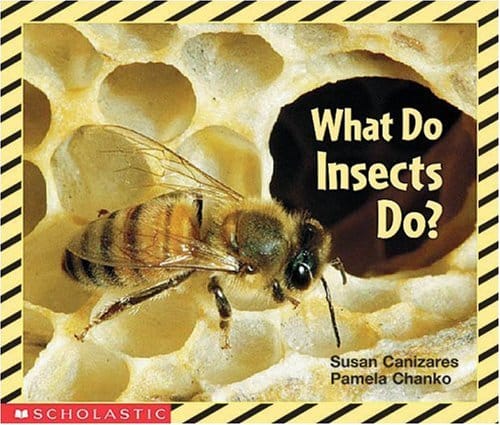
What Do Insects Do?

What Do Insects Do? (Science Emergent Reader) is ideal for young children, especially early readers and curious learners interested in the natural world. Parents, educators, and caregivers seeking an engaging and educational book to introduce basic scientific concepts about insects will find this book a perfect choice. It’s tailored for kids who enjoy exploring nature and want to understand the important roles insects play in our environment.
Pros:
- Compact and lightweight design with dimensions of 7.25 x 8.5 x 0.25 inches, making it easy for small hands to handle.
- Published by reputable Scholastic Inc., ensuring quality content and trusted educational value.
- Simple and clear text across 16 pages, ideal for emergent readers to build confidence.
- Focuses on real-life scientific facts, helping children develop early interest in science and nature.
Cons:
- Limited page count may provide only a brief overview, which might not satisfy older or more advanced readers.
- Published in 1998, so some information or presentation styles may feel outdated compared to newer releases.
The book’s concise layout and easy-to-understand language make complex scientific ideas about insects accessible to young readers. Its lightweight and compact size enhance portability, allowing children to carry and read it anywhere comfortably. This encourages frequent reading sessions, which is crucial for developing early literacy skills and fostering a lifelong love of learning.
Additionally, being a product of Scholastic, it aligns well with educational standards and supports classroom learning. The engaging content highlights the important roles insects play in ecosystems, helping children appreciate nature and understand environmental science from an early age. Overall, it’s a valuable resource for nurturing curiosity and foundational knowledge about the insect world.
What Insects Do, And Why
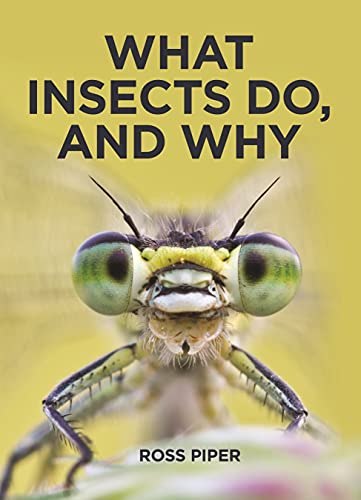
What Insects Do, and Why is an ideal read for nature enthusiasts, biology students, and anyone curious about the intricate roles that insects play in our ecosystem. This book is perfect for those who want to deepen their understanding of insect behavior, ecology, and their impact on the environment. If you appreciate detailed scientific insights presented in an accessible manner, this item is tailored for you.
Pros:
- Comprehensive coverage of insect behavior and ecological roles
- Published by the reputable Princeton University Press
- Concise yet informative with 224 pages
- Recent publication date (August 2021) ensures up-to-date research
Cons:
- May be too detailed for casual readers without a scientific background
- Limited number of pages might leave out some specialized topics
This book offers a deep dive into the fascinating world of insects, explaining not just what they do but why they behave in certain ways. Readers will gain insights into the evolutionary and ecological significance of insect actions, from pollination to social structures. The clear and engaging writing style makes complex scientific ideas accessible, enhancing the reader’s appreciation of these small yet vital creatures.
With its focus on both theory and practical examples, What Insects Do, and Why provides valuable knowledge that can be applied in environmental studies, agriculture, and conservation efforts. The compact format makes it a handy reference for students and professionals alike, while the authoritative source assures accuracy and reliability in the information presented.
I Don’t Want To Eat Bugs

I Don’t Want to Eat Bugs (Lisbon’s Misadventures Book 1) is ideal for young readers and parents looking for a fun, engaging, and educational storybook. This book is perfect for children who enjoy humorous adventures and parents who want to encourage reading habits with lighthearted and relatable content. It’s especially suited for kids who might be hesitant about trying new foods or learning about insects in a playful way.
Pros:
- Published by White Star Press, ensuring quality content and production.
- Concise 30 pages make it perfect for short reading sessions.
- First edition, making it a collectible item for fans of the series.
- Engaging storyline that combines humor with valuable lessons.
- Illustrations and easy-to-understand text suitable for early readers.
Cons:
- Limited page count may feel too brief for some readers.
- Published in 2016, may not include the latest trends in children’s literature.
- As a first book in a series, it might require reading subsequent books for full story development.
This book stands out with its charming narrative that captures the imagination of young readers. The story revolves around Lisbon’s amusing misadventures, making it not only entertaining but also relatable for children who face everyday challenges. The bright and colorful illustrations complement the text, aiding comprehension and keeping kids visually engaged throughout the 30 pages.
Additionally, the book’s focus on overcoming fears—specifically the fear of eating bugs—teaches children valuable lessons about bravery and open-mindedness. The humor woven throughout the story makes the learning process enjoyable, encouraging kids to read more and embrace new experiences. Its manageable length and approachable writing style make it an excellent choice for both independent and shared reading sessions.
Space Crafts

The ideal customer for Space Crafts is anyone passionate about space exploration and model building, ranging from hobbyists to educators seeking an engaging way to teach astronomy and engineering concepts. Whether you are a beginner or an experienced collector, Space Crafts offer a hands-on experience that fuels creativity and curiosity.
Pros:
- Encourages learning about space technology and science through interactive building.
- Suitable for all ages, making it a great educational tool for families and classrooms.
- Enhances fine motor skills and problem-solving abilities.
- Provides a creative outlet with opportunities for customization and design.
Cons:
- Lack of detailed specifications may limit understanding of exact features.
- May require additional accessories or tools not included.
- Some users might find the absence of electronic components less engaging.
Space Crafts are designed to bring the wonders of the cosmos closer to users by offering an immersive building experience. The absence of detailed specs allows for a more imaginative approach, encouraging users to focus on creativity rather than technical constraints. This flexibility benefits educators and hobbyists alike, allowing them to adapt the craft projects to their specific learning goals or interests.
By engaging with Space Crafts, users not only enjoy a fun pastime but also gain a deeper appreciation for the complexities of space missions. The hands-on nature promotes active learning and retention of scientific principles, making it an ideal choice for those eager to explore the universe from their own home or classroom.
Siba’s Table

The Siba’s Table is perfect for individuals seeking a versatile and stylish piece of furniture to enhance their living or workspace. Ideal for those who value both functionality and design, this table suits homeowners, students, and professionals looking for a reliable surface for work, study, or leisure activities.
Pros:
- Elegant and minimalist design that complements various interior styles
- Lightweight and easy to move around
- Durable construction ensuring long-lasting use
- Ample surface area suitable for multiple uses
Cons:
- Lack of additional storage options
- No adjustable height features
The Siba’s Table boasts a clean and modern aesthetic, making it a seamless addition to any room. Its sturdy build provides a stable surface for writing, working on a laptop, or enjoying meals. Users benefit from its simplicity and ease of integration into different décor settings, ensuring both practicality and style.
Despite its minimalist design, the table offers a spacious top that accommodates various tasks without clutter. While it does not include storage compartments or adjustable settings, its robust and lightweight nature makes it a dependable choice for everyday use. The Siba’s Table delivers an excellent balance of form and function for those seeking a straightforward yet elegant furniture piece.
Frequently Asked Questions
What Insects Are Commonly Eaten By Birds?
Birds commonly eat ants, beetles, caterpillars, grasshoppers, and flies. These insects provide essential protein and nutrients for their diet. Many bird species rely on these insects for energy, especially during breeding seasons.
Why Do Birds Eat Insects Instead Of Seeds?
Birds eat insects for high protein and fat content. Insects help birds grow strong and feed their young. Seeds offer carbohydrates but lack some vital nutrients found in insects.
How Do Birds Catch Flying Insects?
Birds catch flying insects by quick, agile flight and sharp eyesight. Some use aerial hawking, swooping mid-air to grab prey. Others pick insects from leaves or bark.
Do All Birds Eat Insects?
Not all birds eat insects, but many do. Insect-eating birds include warblers, swallows, and woodpeckers. Some birds prefer seeds, fruits, or fish instead.
When Do Birds Mainly Eat Insects?
Birds mainly eat insects during spring and summer. This period provides abundant insects for feeding chicks. In colder months, many birds switch to seeds or berries.
Conclusion
Birds eat insects for essential nutrients. These insects include beetles, caterpillars, ants, and flies. Birds find them in trees, on the ground, or in the air. Eating insects helps birds stay healthy and active. It also controls the insect population, maintaining balance in nature.
Books like “What Do Insects Do? ” And “What Insects Do, and Why” provide more insight into this topic. For children, “I Don’t Want to Eat Bugs” offers a fun perspective. Learning about birds and insects can be fascinating. It helps us appreciate the complex food chain in our world.
Simple crafts, such as those in “Space Crafts,” can also engage kids in this topic. For adults, “Siba’s Table” might inspire bird-friendly recipes. Understanding what insects do for birds enriches our knowledge of nature. It also encourages us to protect these vital creatures.
So, let’s continue exploring this amazing world of birds and insects.