What is a Bird Perch
Have you ever wondered why birds love to sit on certain spots? A bird perch might seem simple, but it plays a big role in your feathered friend’s comfort and happiness.
Whether you’re a bird owner or just curious, understanding what a bird perch is can change the way you care for birds. Keep reading, and you’ll discover how the right perch can make a huge difference in your bird’s life—and why choosing the best bird perch matters more than you think.
Bird Perch Basics
A bird perch is a small rod or branch where birds rest or sit. It helps keep birds comfortable in cages or aviaries.
Perches come in many shapes and sizes. They support birds’ feet and help with exercise.
Purpose Of Perches
Bird perches provide places for birds to sit, sleep, and move around. They also keep birds’ feet healthy by offering different textures.
- Resting spots for birds inside cages
- Exercise for feet and legs
- Help with nail and beak trimming
- Offer comfort and security
Types Of Perches
There are many types of bird perches. Each type suits different bird needs and cage setups.
- Natural wood branches
- Plastic perches with textured surfaces
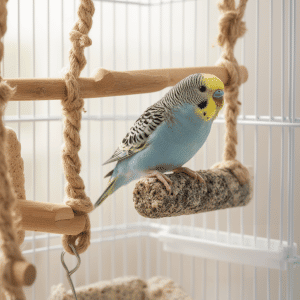
- Rope perches for climbing and playing
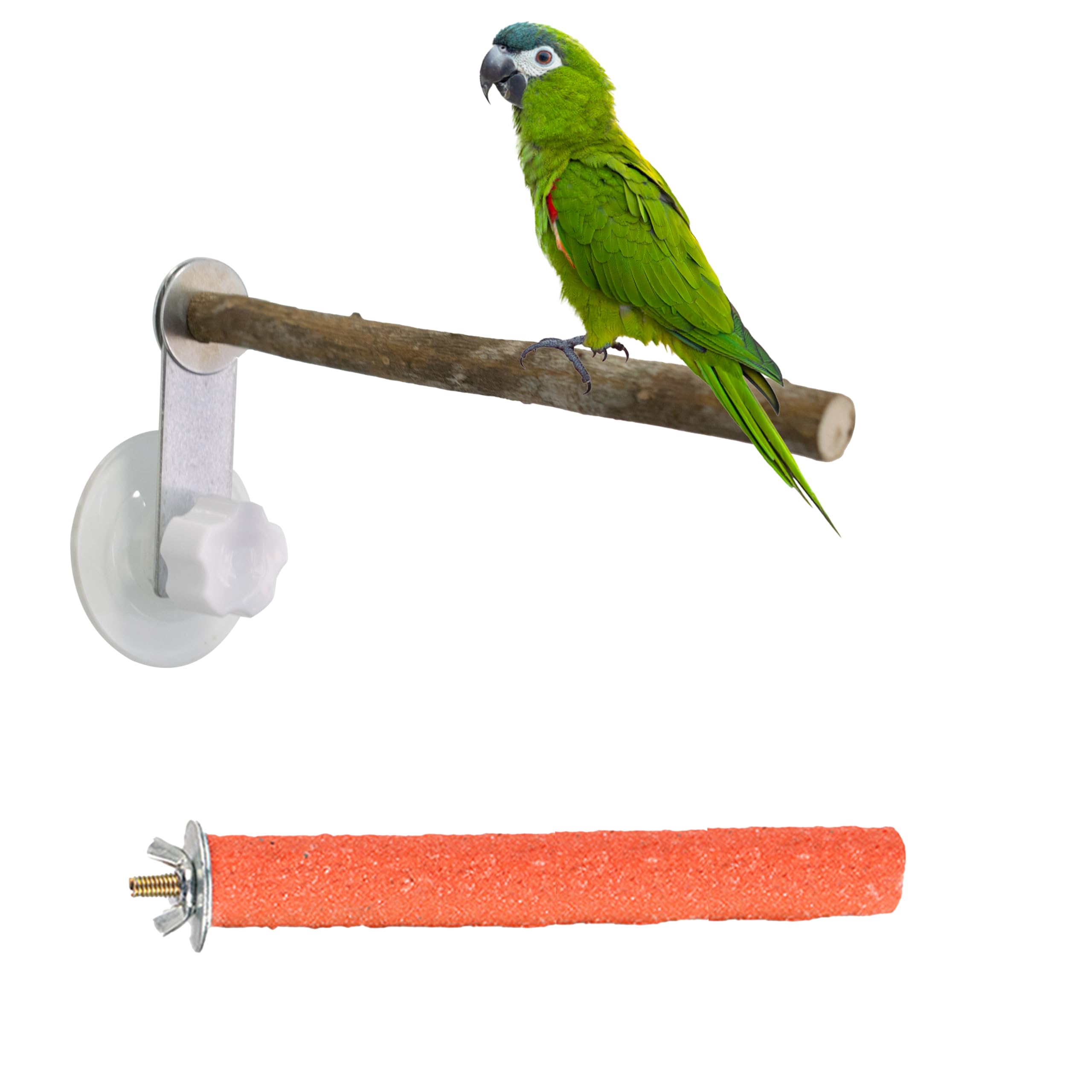
- Cement or stone perches for nail care
Materials Used
| Material | Description | Benefits |
| Wood | Natural branches | Comfortable, natural texture |
| Plastic | Shaped rods | Easy to clean, durable |
| Rope | Soft woven fibers | Good for climbing, gentle on feet |
| Cement | Hard stone-like | Keeps nails trimmed |
Choosing The Right Size
Choosing the right size bird perch helps your pet stay comfortable. A well-sized perch supports healthy feet and prevents injuries.
Use simple steps to find the best bird perch size for your bird. Measuring and matching the perch to your bird’s needs is key.
Measuring Your Bird’s Feet
Start by measuring the width of your bird’s feet. Use a ruler or tape to measure across the middle toes. This gives you an idea of the perch size your bird needs.
- Gently hold your bird’s foot
- Measure the distance across the toes
- Note the size in millimeters or inches
- Use this size to choose a perch diameter
Perch Diameter Guidelines
Bird perches come in many diameters. Choose one close to your bird’s foot size. This helps your bird grip the perch well without strain.
| Bird Type | Recommended Perch Diameter |
| Small Birds (Finches, Canaries) | 3/4 inch (19 mm) |
| Medium Birds (Budgies, Cockatiels) | 1 inch (25 mm) |
| Large Birds (Conures, Amazons) | 1 1/2 inches (38 mm) |
| Extra Large Birds (Macaws, Cockatoos) | 2 inches (50 mm) or more |
Adjusting For Different Species
Different bird species have unique foot shapes and habits. Adjust perch size and texture to fit their needs. Some birds like softer or rougher perches.
Consider these tips:
- Climbing birds may prefer thicker perches.
- Birds that chew need durable materials.
- Water birds benefit from smooth, rounded perches.
- Provide multiple perch sizes for variety and exercise.
Material Considerations
Bird perches come in many materials. Each type affects your bird’s comfort and health.
Choosing the right perch material helps prevent foot problems and keeps birds happy.
Wood Perches
Wood perches are natural and safe for birds. They offer a good grip and help keep nails trimmed.
Make sure the wood is untreated and free from chemicals. Avoid soft woods like pine or cedar that may harm birds.
Plastic And Resin Perches
Plastic and resin perches are easy to clean and durable. They come in many shapes and colors.
- Do not provide natural texture for nails
- Can be slippery for some birds
- May cause foot sores if used alone
- Good for temporary or travel use
Natural Branches
Branches from safe trees offer variety in size and texture. They help exercise bird feet and prevent boredom.
| Wood Type | Safety | Benefits |
| Apple | Safe | Hard and durable |
| Willow | Safe | Soft and flexible |
| Cherry | Safe | Natural scent and texture |
| Pine | Unsafe | Contains harmful oils |
Rope And Fabric Options
Rope and fabric perches add softness and comfort. They come in different thicknesses and textures.
- Use bird-safe materials like cotton or hemp
- Check often for frayed or loose threads
- Can help reduce pressure on bird’s feet
- Must be cleaned regularly to avoid bacteria
Placement And Setup
A bird perch is a simple but important part of a bird’s cage. Proper placement and setup help keep your bird happy and healthy. Choosing the right outdoor bird perch also allows birds to enjoy fresh air safely.
Correct setup makes sure your bird can move comfortably and stay safe. Let’s look at the best bird perch spots and how to arrange them.
Ideal Cage Locations
Place perches where your bird can see and hear activity. Birds like to feel part of the family but also need quiet times. Avoid direct sunlight and drafty areas. Choose spots that get natural light but not too much heat.
Spacing Between Perches
Space perches so your bird can move freely without hitting the cage walls or other perches. Proper spacing helps exercise your bird’s feet and wings. If perches are too close, your bird may feel cramped or hurt itself.
- Keep at least 6 to 8 inches between perches
- Use different perch sizes to keep feet strong
- Place some perches higher and others lower for variety
- Leave enough room for your bird to spread wings fully
Safety Tips
| Safety Aspect | Details |
| Material | Use non-toxic wood or safe plastic |
| Size | Choose perch size that fits your bird’s feet |
| Stability | Secure perches firmly to prevent slipping |
| Cleanliness | Clean perches regularly to avoid germs |
| Placement | Avoid sharp edges or places where birds can get stuck |
Benefits Of Varied Perches
A bird perch is a place where birds stand or rest. Birds need different types of perches in their cages. Varied perches help keep birds healthy and happy.
Different perch sizes improve foot muscle strength
Varied textures help with grip and balance
Movement reduces the risk of joint problems
Foot Health And Exercise
Birds use their feet to grip perches. Different perch sizes make birds move their feet in various ways. This movement helps build strong muscles.
Exercise from climbing and balancing on perches keeps birds active. It supports their overall health and prevents stiffness.
- Different perch sizes improve foot muscle strength
- Varied textures help with grip and balance
- Movement reduces the risk of joint problems
Mental Stimulation
Birds are smart and curious animals. New perches give them something to explore and climb. This helps keep their mind active and sharp.
Changing perch types prevents boredom. Birds enjoy trying different textures and shapes. It makes their environment more interesting.
- Varied perches encourage natural curiosity
- New challenges keep birds mentally alert
- Prevents boredom and stress behaviors
Preventing Foot Problems
Using only one kind of perch can cause foot sores and injuries. Hard or same-sized perches put pressure on the same spots.
Varied perches spread the pressure around the bird’s feet. This lowers the chance of painful foot problems like bumblefoot.
- Different perch sizes reduce constant pressure points
- Soft and rough textures help keep feet healthy
- Varied perches lower risk of sores and infections
Credit: hari.ca
Cleaning And Maintenance
A bird perch is where your bird rests and plays. Keeping it clean helps your bird stay healthy.
Wipe perch daily with a damp cloth
Wash perch thoroughly weekly
Check for dirt or droppings every day
Use warm water and mild soap, rinse fully, and dry before placing it back. Avoid bleach or strong chemicals.
Cleaning Frequency
Clean the perch often to avoid bacteria build-up. Daily cleaning is best for healthy birds.
At least once a week, do a deep cleaning to remove dirt and droppings.
- Wipe perch daily with a damp cloth
- Wash perch thoroughly weekly
- Check for dirt or droppings every day
Safe Cleaning Methods
Use bird-safe cleaners to protect your pet. Avoid harsh chemicals that can harm birds.
Warm water and mild soap work well. Rinse the perch fully to remove soap.
- Use warm water and mild dish soap
- Rinse perch with clean water
- Dry perch before putting it back
- Do not use bleach or strong chemicals
Replacing Worn Perches
Check perches for cracks or rough spots. Worn perches can hurt your bird’s feet.
Replace the perch if it looks damaged or if cleaning does not restore it.
- Look for cracks or splinters
- Remove perches that are too worn
- Choose new perches made from safe materials
- Replace perches regularly to keep birds safe
Specialty Perches
A bird perch is a place where a bird can sit or rest. Specialty perches serve unique purposes beyond simple resting spots.
These perches help birds stay healthy, enjoy outdoor time, or travel safely. Different types suit different needs.
Therapeutic Perches
Therapeutic perches help birds heal or stay healthy. They come in shapes and textures to improve foot health.
These perches reduce pressure sores and encourage natural gripping. They may have gentle bumps or uneven surfaces.
- Help prevent foot problems
- Improve blood flow in feet
- Encourage exercise and movement
- Made from safe, non-toxic materials
Outdoor Perches
Outdoor bird perch gives birds a safe spot to enjoy fresh air and sunlight.
Weather-resistant wood or plastic
Easy to clean and maintain
Stable for bird safety
Varied sizes for different bird types
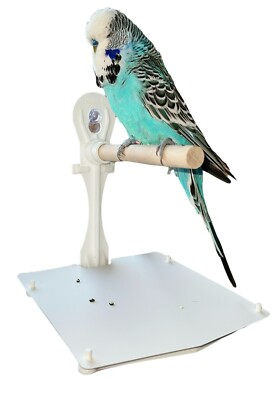
Travel And Portable Options
Travel and portable perches help birds stay comfortable on trips. They are light and easy to move.
These perches fit in cages or carriers. Some fold or collapse for convenience during travel.
- Compact and lightweight designs
- Easy to attach inside carriers
- Simple to clean on the go
- Durable materials for travel use
Credit: www.ebay.ca
Credit: www.amazon.com
Frequently Asked Questions
What Is A Bird Perch Used For?
A bird perch provides a resting spot for birds. It helps birds grip comfortably and stay balanced. Perches mimic natural branches, improving birds’ foot health and preventing boredom.
What Materials Are Best For Bird Perches?
Natural wood is best for bird perches. It offers a comfortable texture and is safe for birds to chew. Avoid plastic or metal, which can harm birds’ feet or cause slipping.
How Do Bird Perches Benefit Pet Birds?
Bird perches support foot health by exercising muscles and preventing sores. They also reduce stress by offering a familiar resting place. Perches encourage natural behaviors like climbing and chewing.
Where Should I Place A Bird Perch In A Cage?
Place perches at different heights to promote exercise. Ensure perches are away from food and water to keep them clean. Avoid overcrowding to give birds enough space to move.
Conclusion
Bird perches are essential for your feathered friend’s comfort and health. They provide a natural resting spot. Birds can exercise and stretch on them. Different textures and materials cater to various needs. Choosing the right bird perch materials enhances your bird’s well-being.
It aids in maintaining foot health. Variety in perch size stimulates their mind. Observing your bird’s preferences helps in selecting the best bird perch. Keep the perches clean and in good condition. This ensures a safe environment. A well-chosen perch makes for a happy, healthy bird.